
Heart Disease in Dogs & Cats in Vietnam — Early Warning Signs, Causes, and Long-Term Management for Expats
Heart disease in dogs and cats: early warning signs, causes, diagnosis, and long-term management in Vietnam's tropical climate. Expert advice from Mật Pet Family — 15 years of experience.
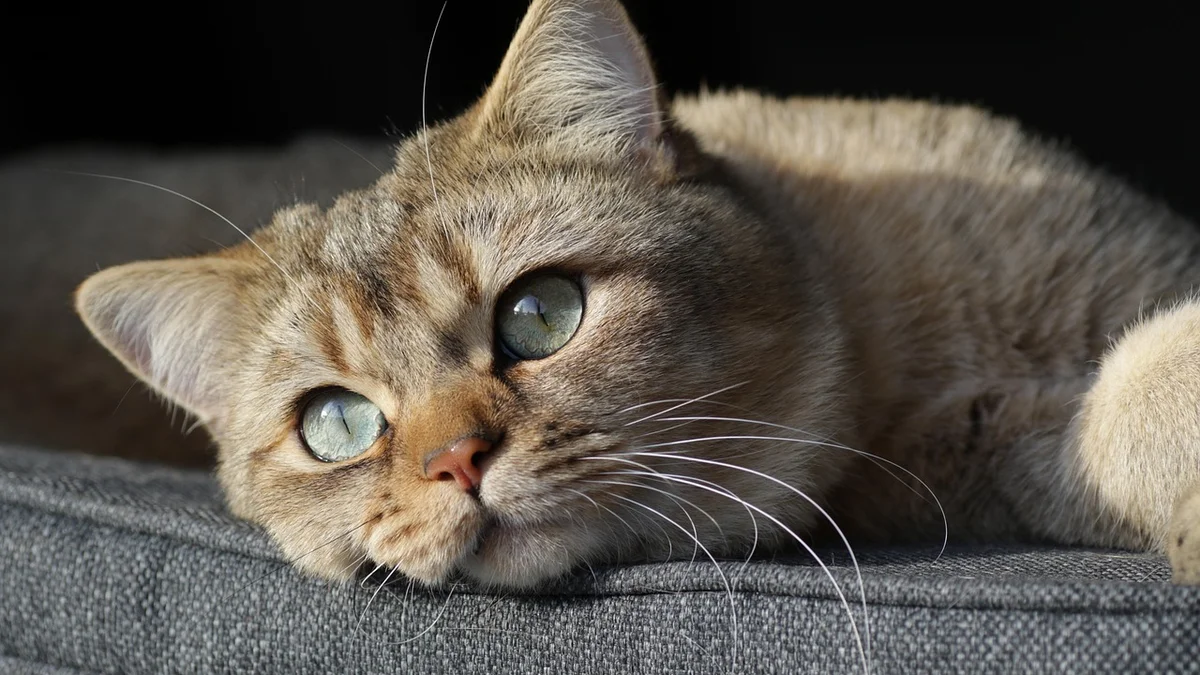
Heart Disease in Dogs & Cats in Vietnam — Early Warning Signs, Causes, and Long-Term Management for Expats
Heart disease is one of the leading causes of death in dogs and cats over 7 years old — according to international veterinary studies, approximately 10% of adult dogs and 15% of senior dogs have at least one form of cardiovascular disease. In Vietnam, the year-round hot, humid climate (particularly 33–40°C in southern regions) puts extra strain on the heart, especially in breeds with shortened airways like Pugs, French Bulldogs, and Persian cats. Early detection can add years of healthy, quality life — something we've learned after 15 years caring for thousands of pets across Vietnam.
If your expat family has a beloved dog or cat, understanding heart disease now could make the difference between years of happy companionship and sudden loss. This guide covers what to watch for, how vets diagnose it, and how to manage it at home in Vietnam's climate.
What is heart disease in dogs and cats, and which types are most common in Vietnam?
Heart disease in pets is a group of conditions affecting the heart's structure or function, preventing it from pumping blood efficiently. The two most common types in Vietnam are mitral valve disease (MVD — typical in small dogs) and dilated cardiomyopathy (DCM — common in large dogs and cats). Both can progress silently for years before obvious symptoms appear.
Here's a breakdown of the main types:
Mitral Valve Disease (MVD): Accounts for 75–80% of all canine heart disease cases. The heart valve gradually thickens, fails to close properly, and allows blood to leak backward. Most common in Poodles, Chihuahuas, Shih Tzus, and Pomeranians — popular small breeds throughout Ho Chi Minh City.
Dilated Cardiomyopathy (DCM): The heart chamber becomes enlarged, the muscle wall thins, and the heart's pumping ability weakens. Typical in Labradors, Golden Retrievers, Dobermans, and cats of all breeds when taurine-deficient.
Hypertrophic Cardiomyopathy (HCM) in Cats: The heart muscle wall thickens abnormally, reducing the chamber size and stiffening the ventricle. Increasingly seen in Maine Coons, Ragdolls, and British Shorthair cats — all popular in Vietnam's growing cat-loving community.
Congenital Heart Defects: Some pets are born with heart valve or septum abnormalities, requiring early detection through routine health checks from puppyhood.
Vietnam's heat is a complicating factor. To regulate body temperature, the heart must work harder and faster — a particular disadvantage for any pet with underlying heart disease. An 8-year-old Pomeranian living in an unair-conditioned apartment in Ho Chi Minh City will often show much worse symptoms than the same dog in a cool environment.
What are the early warning signs of heart disease in dogs and cats?
Heart disease typically starts with subtle, easily overlooked signs: your pet tires more quickly than usual, breathes faster while sleeping (more than 30 breaths per minute in dogs, more than 25 in cats), or seems reluctant to exercise. Later stages show night coughing, a swollen belly, and pale or bluish gums.
Here's what to watch for at each stage:
Early Stage (Easy to Miss):
- Rapid, abnormal breathing while resting or sleeping (>30 breaths/min in dogs, >25 in cats)
- Excessive fatigue; reluctance to move or play as usual
- Reduced appetite; occasionally skipping meals
- Noticeably fast or pounding heartbeat when you touch the chest
Middle Stage:
- Coughing, especially at night or after exercise (more common in dogs; cats cough less)
- Labored breathing; mouth-breathing in cats (a serious sign — seek emergency care immediately)
- Unexplained weight loss despite eating normally
- Fainting or stumbling after mild exertion
Advanced Stage (Requires Immediate Veterinary Care):
- Abdominal distension from fluid accumulation (ascites)
- Pale or bluish gums or tongue
- Rapid, labored breathing even while at rest
- Collapse or loss of consciousness
> Critical Note for Cat Owners: Cats are masters at hiding illness. Many cats show no obvious signs until they suddenly lose use of their back legs (arterial thromboembolism — a blood clot) or develop acute difficulty breathing. This is why screening ultrasounds every 6–12 months in cats aged 5+ is essential, especially high-risk breeds. Don't wait for symptoms to appear.
What causes heart disease in dogs and cats in Vietnam?
Heart disease can result from genetics, natural aging, nutritional deficiency, or environmental factors. In Vietnam specifically, the three most common causes are genetic predisposition (40–60% of cases), valve degeneration in small dogs over 7 years old, and taurine deficiency in cats fed unbalanced homemade diets.
Genetic & Breed Predisposition:
- Cavalier King Charles Spaniels have a 50% MVD rate by age 5 and nearly 100% by age 10.
- Maine Coons, Ragdolls, and British Shorthairs carry the MYBPC3 gene mutation, putting them at high risk for HCM.
- Persian and Sphynx cats also face elevated HCM risk.
Natural Aging: Small dogs aged 7–8 and older naturally experience valve thickening and degeneration. It's an inevitable process, but it can be slowed with proper diet and regular screening.
Nutritional Deficiency:
- Cats eating vegetarian or homemade diets without taurine supplementation face serious DCM risk — taurine is an essential amino acid cats cannot synthesize themselves.
- Dogs on certain grain-free, legume-heavy commercial diets have been linked to DCM in FDA studies (2019), though research is ongoing.
Environmental Factors in Vietnam:
- Sustained heat at 33–40°C forces the heart to work much harder to regulate body temperature.
- Air pollution in Ho Chi Minh City affects lung function, indirectly straining the heart.
- Obesity — very common in apartment-living pets with limited exercise — is a significant risk factor.
How do veterinarians diagnose heart disease in dogs and cats?
Diagnosis requires combining at least three methods: listening with a stethoscope to detect heart murmurs, chest X-rays to assess heart and lung size, and cardiac ultrasound (echocardiography) to measure heart function and valve structure. In Ho Chi Minh City, a complete heart screening package costs roughly 800,000–2,500,000 VND (approximately 32–100 USD) depending on the clinic.
Standard diagnostic methods:
- Auscultation (Stethoscope Exam): Detects heart murmurs, graded 1–6 in severity. Should be part of every routine checkup.
- Chest X-Rays: Assess heart size, fluid in lungs (pulmonary edema). Cost: 300,000–600,000 VND (12–24 USD).
- Cardiac Ultrasound (Echocardiography): The gold standard. Measures ejection fraction (EF%), evaluates valves, detects pericardial fluid. Cost: 500,000–1,500,000 VND (20–60 USD).
- Electrocardiography (ECG): Detects arrhythmias.
- Blood Tests: NT-proBNP (a cardiac biomarker) — levels rise when the heart is under stress, sometimes revealing disease before clinical signs appear.
Screening recommendations: Pets of high-risk breeds should have their first ultrasound at ages 3–4 and repeat every 12–24 months depending on findings.
How long can dogs and cats with heart disease live, and what treatments are available?
If detected early and managed properly, pets with heart disease can live 2–5 additional years with good quality of life. Pimobendan (Vetmedin) is now widely available in Vietnam and has been proven to extend lifespan even when started before obvious symptoms. Monthly medication costs typically range from 500,000–2,000,000 VND (20–80 USD), depending on your pet's weight and treatment protocol.
Primary treatments and management strategies:
Cardiac Medications (as prescribed by your veterinarian):
- Pimobendan (Vetmedin): Improves heart contractility and dilates blood vessels — FDA-approved for veterinary use and available in Vietnam.
- Furosemide (Diuretic): Reduces fluid buildup in lungs and abdomen.
- ACE Inhibitors (Enalapril/Benazepril): Reduce pressure on the heart.
- Beta-Blockers (Atenolol) or Calcium Channel Blockers (Diltiazem): Regulate heart rate — commonly used in feline HCM.
> NEVER give human heart medications to your pet. Dosages and mechanisms differ drastically and can be life-threatening.
Heart-Supportive Diet:
- Low-sodium prescription foods reduce fluid retention. Brands like Royal Canin Cardiac, Hill's Prescription Diet h/d, and Purina Pro Plan Veterinary Diets CC are available in Ho Chi Minh City and major Vietnamese cities at 400,000–900,000 VND per 1–2 kg bag (16–36 USD).
- Omega-3 supplementation (fish oil, EPA/DHA) may support heart function — ask your vet about appropriate dosing.
- Strict weight control — every 10% of excess weight adds significant burden to the heart.
Lifestyle Modifications:
- Avoid strenuous exercise, especially during peak heat hours (10 AM–4 PM in Vietnam).
- Keep indoor temperature stable at 24–27°C with air conditioning — don't leave your pet in an unair-conditioned room when outdoor temps exceed 32°C.
- Monitor resting respiratory rate daily while your pet sleeps. If it consistently exceeds 30 breaths/min in dogs, contact your vet.
Managing a pet with heart disease at home in Vietnam — daily checklist and warning signs
Caring for a pet with heart disease requires discipline: daily breathing-rate monitoring and strict medication adherence are non-negotiable. The two most critical habits for Vietnamese pet owners are counting your pet's breaths while sleeping each morning (under 30/min in dogs, under 25 in cats is normal) and never missing a medication dose — even when your pet seems perfectly fine.
Daily Home Care Checklist:
- ☑ Count breaths during sleep in the morning (place hand on chest or watch belly rise/fall for 30 seconds, then double the count)
- ☑ Give medication at exact times, every day — use a labeled pill organizer or phone reminders
- ☑ Check gum color daily: healthy pink is good; pale white or bluish-purple requires emergency care
- ☑ Log any unusual changes in a notes app to share with your vet at appointments
- ☑ Weigh your pet weekly — sudden weight gain or loss can signal disease progression
Seek Emergency Veterinary Care Immediately If You Notice:
- Rapid or gasping breathing; open-mouth breathing (cats)
- Pale or bluish gums or tongue
- Fainting, collapse, or inability to stand
- Sudden paralysis of hind legs (cats — sign of blood clot)
- Sudden, severe abdominal swelling
At Mật Pet Family, our health warranty policy includes after-sales consultation support. If you adopted a pet from us and have questions about heart health monitoring at home, reach out — our team can provide additional guidance.
What does heart disease treatment and management cost in Vietnam?
Monthly management typically costs 1–5 million VND (40–200 USD) depending on disease stage, pet size, and medication protocol. Early-stage maintenance is significantly cheaper than crisis care — another reason early detection saves both lives and money.
Typical Costs in Ho Chi Minh City:
- Item — Approximate Cost
- Routine heart checkup — 200,000–400,000 VND ($8–16)
- Chest X-Rays — 300,000–600,000 VND ($12–24)
- Cardiac Ultrasound (Echo) — 500,000–1,500,000 VND ($20–60)
- NT-proBNP Blood Test — 400,000–800,000 VND ($16–32)
- Pimobendan (Vetmedin) / month — 600,000–2,000,000 VND ($24–80)
- Furosemide + ACE Inhibitor / month — 300,000–700,000 VND ($12–28)
- Prescription Cardiac Diet / month — 800,000–2,000,000 VND ($32–80)
Estimated Stable Monthly Total: 1.5–4 million VND (60–160 USD) for small dogs under 10 kg; 2–6 million VND (80–240 USD) for larger dogs.
Acute episodes (pulmonary edema, hospitalization) can cost 3–15 million VND (120–600 USD) per crisis. Pet insurance is still uncommon in Vietnam, so setting aside an emergency health fund for your pet from the start is wise.
FAQ — Heart Disease in Dogs & Cats in Vietnam
Q: What's the earliest sign of heart disease I should watch for?
A: Abnormal breathing during sleep is the most common early indicator — more than 30 breaths per minute in dogs, more than 25 in cats while resting. Many owners mistake this for "their pet getting old," but it's actually the prime window to start treatment and extend lifespan significantly. Fatigue and reluctance to exercise are also red flags worth a vet visit.
Q: Can heart disease in pets be cured completely?
A: Not cured, but managed long-term. Most dogs and cats with heart disease live 2–5 additional years with proper treatment and monitoring — still able to eat well, play gently, and enjoy family time. The goal is quality, not just quantity.
Q: Which breeds in Vietnam face the highest heart disease risk?
A: Small dog breeds with MVD risk: Cavalier King Charles Spaniels, Poodles, Pomeranians, Chihuahuas. Large dogs with DCM risk: Labradors, Golden Retrievers. High-risk cat breeds: Maine Coons, Ragdolls, British Shorthairs, and Persians. If your family has one of these breeds, begin screening at ages 3–4.
Q: How often should a pet with diagnosed heart disease be rechecked?
A: Stable pets: every 1–3 months. Recently adjusted medications: 2–4 weeks after changes. Don't skip appointments just because your pet looks fine — heart disease can shift rapidly without warning signs.
Q: What diet is best for a pet with heart disease?
A: Prescription low-sodium cardiac formulas (Royal Canin, Hill's h/d, Purina Pro Plan CC) are gold standard. Avoid all people food — it's typically loaded with salt. Never switch diet without your vet's approval, and always choose over-the-counter or home-cooked food only if your vet explicitly recommends it.
Q: Can a pet with heart disease still exercise?
A: Gentle activity is fine — 10–15 minute slow walks twice daily during cool hours (before 8 AM or after 6 PM) works well for most stable pets. Avoid running, jumping, intense play, or climbing stairs. Your vet will adjust activity levels as the disease progresses.
Mật Pet Family — Caring for Your Pet's Heart, Long-Term
Learning that your pet has heart disease can feel overwhelming and frightening. But heart disease is not a death sentence — with the right knowledge and proper care, countless pets thrive for years alongside their families in Vietnam.
Mật Pet Family has walked alongside over 10,000 pet-owning families since 2011. We know that pet care doesn't end the day you bring your new companion home. If your pet is in a high-risk breed and hasn't been screened, or if your pet has already been diagnosed with heart disease and you need guidance on diet, home monitoring, or long-term management in Vietnam's climate, we're here to help.
Visit our showroom for in-person consultation, or explore our health warranty policy — Vietnam's first comprehensive post-purchase pet health guarantee, designed to support your pet throughout its life.
📞 Hotline (English support available): 0939 863 696
Your pet deserves a long, healthy, happy life. Let's protect that together.
Related articles
Feline Panleukopenia (FPV) in Cats — Early Warning Signs, Causes, and Effective Prevention in Vietnam
Ringworm and Fungal Skin Infections in Dogs & Cats in Vietnam — Early Signs, Causes, and Effective Treatment

Thrombocytopenia (Low Platelet Count) in Dogs and Cats in Vietnam — Early Detection, Causes, and Long-Term Management for Expats
Interested in pets from Mật Pet?
15 years of trust · 10,000+ pets delivered to Vietnamese families · Free 30-day health warranty · Nationwide delivery.