
High Blood Pressure in Dogs and Cats in Vietnam — Early Detection, Causes, and Long-Term Management for Expats
High blood pressure in dogs and cats is often missed until complications occur. Learn to spot early signs, understand causes in Vietnam's heat, and manage long-term with Mật Pet Family's guidance.
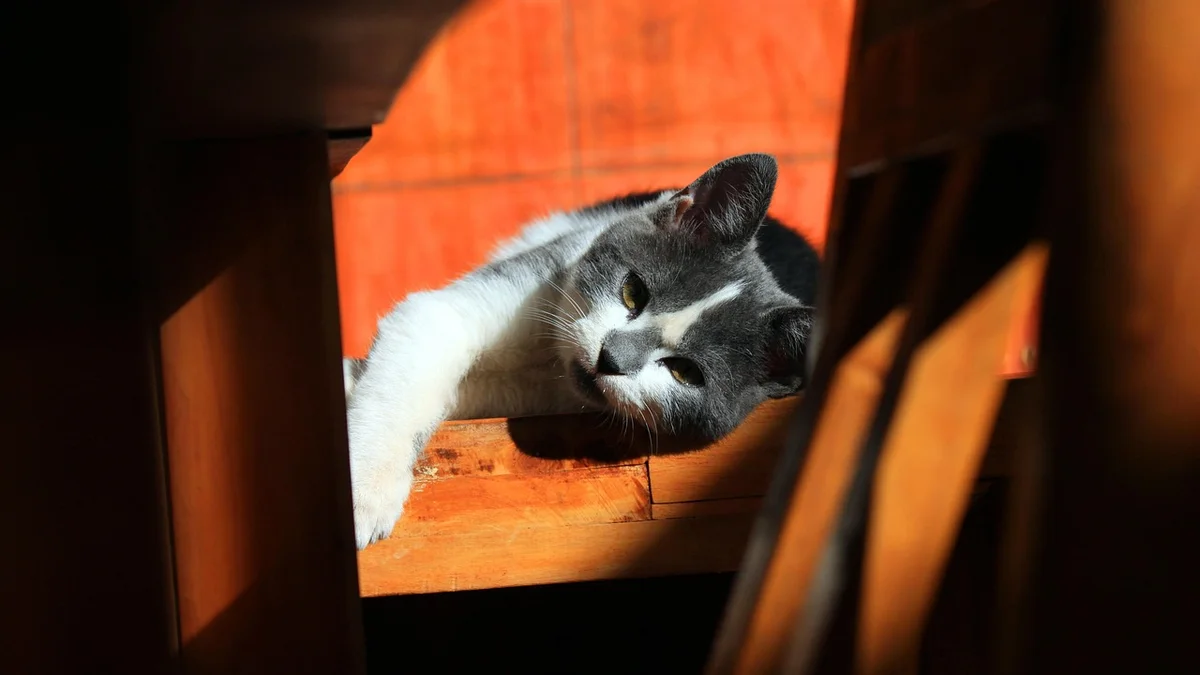
High Blood Pressure in Dogs and Cats — The Silent Killer Many Expat Pet Owners Miss
Many families raising dogs and cats for over a decade have never heard of hypertension in pets — and that's exactly why it's so dangerous. International veterinary research shows that roughly 10–20% of cats over age 7 and middle-aged to senior dogs with underlying health conditions are at risk. In Ho Chi Minh City's relentless heat (33–40°C / 91–104°F) and humidity, the cardiovascular system works even harder — making blood pressure monitoring a critical skill for expat pet owners in Vietnam that shouldn't be overlooked.
After 15 years serving over 10,000 pet families across HCMC, Hanoi, and Da Nang, Mật Pet Family has seen firsthand how early detection transforms outcomes. Yet most cases are discovered only when complications — blindness, kidney failure, stroke — have already struck. This guide is designed so that doesn't happen to your pet.
What Is High Blood Pressure in Pets, and Why Is It So Easy to Miss?
Hypertension in dogs and cats is sustained elevated blood pressure in the arteries — typically above 160 mmHg for dogs and 160–180 mmHg for cats — over an extended period. Because early symptoms are subtle and your pet cannot tell you their head hurts, most cases are only caught once organs have already been damaged — the eyes, kidneys, or brain.
Unlike humans, dogs and cats show no obvious signs like flushed face or headache. Early warning signs are often dismissed as normal aging or simple tiredness:
- Sudden vision loss or dilated pupils — one of the most alarming red flags, especially in cats
- Stumbling, disorientation, or head tilting — signs of nervous system involvement
- Rapid breathing even at rest in a cool room (below 28°C / 82°F) — more than 30 breaths per minute is abnormal
- Excessive drinking and urination — often paired with kidney or thyroid disease
- Spontaneous nosebleeds (epistaxis) — rare but a serious warning sign
The bigger concern in Vietnam: most pet owners have no routine for regular blood pressure checks. It's a simple, non-invasive test taking just 5–10 minutes at a vet clinic — yet it's performed far less frequently than it should be. This is a gap in pet care that costs lives.
What Causes High Blood Pressure in Dogs and Cats?
Hypertension in pets is almost always secondary — meaning it's a consequence of an underlying disease — not primary like it can be in humans. Finding and treating the root cause is the key to long-term control; medication alone won't solve the problem.
In cats, the three most common triggers are:
- Chronic kidney disease (CKD) — accounts for 60–65% of feline hypertension cases, especially in cats over 8 years old
- Hyperthyroidism — common in middle-aged to senior cats; the overactive thyroid speeds heart rate, driving up blood pressure
- Diabetes — disrupts the vascular system and blood vessel function
In dogs, the main culprits include:
- Chronic kidney disease — still the leading cause, similar to cats
- Cushing's syndrome (excess cortisol) — especially in Poodles, Dachshunds, Beagles, and Cocker Spaniels
- Thyroid disease — both hypothyroidism and thyroid tumors
- Obesity — dogs 20–30% overweight significantly increase cardiovascular strain
- Certain medications: long-term corticosteroid use can contribute to elevation
A Vietnam-specific factor: sustained high temperatures — HCMC's dry season (January–April hitting 35–40°C / 95–104°F) — forces the body to lose fluids and makes the heart work harder to circulate blood. This aggravates existing conditions and accelerates hypertension in pets already at risk.
How to Spot Early Signs of High Blood Pressure at Home
You cannot accurately measure blood pressure at home using a human device (blood pressure cuffs designed for human arms don't translate reliably to pets), but careful behavior observation and regular vet visits remain your best early-detection tools.
Weekly observation checklist:
- Sign — Alert Level
- Sudden vision loss, dilated pupils — 🔴 Emergency — go to vet now
- Stumbling, disorientation, seizures — 🔴 Emergency — go to vet now
- Rapid breathing while resting (>30 breaths/min) — 🟠 See vet within 24 hours
- Excessive drinking and urination — 🟠 See vet within 3–5 days
- Lethargy, reduced interaction — 🟡 Monitor for 2–3 days, then schedule
- Unexplained weight loss — 🟡 Monitor, schedule routine exam
Recommended blood pressure check frequency by age:
- Under 7 years (dogs/cats): blood pressure screening once yearly during routine annual exam
- 7–10 years: twice yearly
- Over 10 years OR with underlying disease (kidney, heart, diabetes): 3–4 times yearly as your vet directs
Over our 15 years working with thousands of families, we've learned that most severe complications could have been prevented if owners had been armed with the right knowledge and stuck to regular check-ups. Early detection truly is a game-changer.
Diagnosis and Treatment: What to Expect
A single blood pressure reading cannot confirm hypertension — stress from a vet visit ("white coat hypertension") can temporarily spike readings. Your vet will take at least 3–5 consecutive measurements after your pet has relaxed, using a specialized Doppler ultrasound device designed for veterinary use.
Treatment typically works on two parallel tracks:
1. Treating the underlying disease:
- If kidney disease: low-phosphorus diet, adequate hydration, kidney-support medications
- If hyperthyroidism (cats): methimazole medication or surgical removal of the gland
- If Cushing's syndrome (dogs): trilostane or mitotane per veterinary protocol
2. Direct blood pressure medication:
- Amlodipine — a calcium channel blocker, first-line choice for cats, typically 0.625–1.25 mg daily depending on weight
- Enalapril or Benazepril — ACE inhibitors, commonly used for dogs, usually 0.25–0.5 mg/kg daily
- Telmisartan — increasingly popular for both species, particularly effective alongside kidney disease
⚠️ Critical: Never give your pet human blood pressure medication or dose across species without explicit vet guidance. Dosing, mechanism, and side effects differ dramatically. All treatment must be prescribed and monitored by a licensed veterinarian.
Cost estimate for treatment and monitoring in Vietnam:
From roughly 200,000–500,000 VND/month (8–20 USD) for basic oral medication, to 2–5 million VND/month (80–200 USD) if regular kidney blood tests and frequent follow-ups are needed.
Nutrition and Lifestyle Changes That Actually Help Control Blood Pressure
Beyond medication, lifestyle modification is essential for long-term control — especially in Vietnam where year-round heat adds cardiovascular stress.
Diet adjustments:
- Reduce sodium (salt): avoid giving your pet human food, sausages, fried snacks — salt content can be 10–50 times higher than your pet's daily need
- Therapeutic diet formulas: Hill's "Renal" or Royal Canin "Cardiac" lines are specifically formulated for these conditions, priced around 350,000–700,000 VND per 1.5–2 kg bag (14–28 USD)
- Fresh water always available: especially critical in Vietnam's dry season — cats in particular are picky drinkers, so consider a water fountain to encourage intake
- Weight management: maintain ideal body weight — every extra kilogram adds strain to the cardiovascular system
Environmental and lifestyle care:
- Keep indoor temperature below 28°C (82°F) with air conditioning or fans during peak heat months
- Walk your dog early morning (before 7 AM) or evening (after 6 PM) — avoid midday exertion
- Minimize stress: sudden environmental changes, loud noise, or frequent visitors can elevate blood pressure
- For dogs on hypertension treatment, avoid abrupt cold water baths — rapid temperature shifts can temporarily constrict blood vessels
For expats living in typical HCMC or Hanoi apartments, climate control is often the biggest challenge. Investing in reliable air conditioning or running a fan isn't just comfort — it's part of your pet's medical management.
Real Costs: Budget for Long-Term Blood Pressure Management
Hypertension is a lifelong management issue, not a one-time fix. Here's a realistic breakdown so you're not caught off guard:
Annual cost estimate (varies by severity):
- Cost Category — Mild/Stable — Moderate — Severe/Complicated
- Vet exams + BP checks — 600k–1.2M VND — 1.2–2.4M VND — 2.4–4.8M VND
- Blood pressure medication — 1.5–3M VND — 3–6M VND — 6–12M VND
- Blood/urine tests — 500k–1.5M VND — 1.5–3M VND — 3–6M VND
- Therapeutic diet — 4–8M VND — 6–12M VND — 8–15M VND
- Annual Total — 6–14M VND — 12–23M VND — 20–38M VND
(Figures are approximate for HCMC; actual costs vary by clinic, breed, and individual condition)
Translated to USD, that's roughly 240–560 USD/year for mild cases to 800–1,520 USD/year for complex cases.
This is precisely why Mật Pet Family's health warranty — the only written pet health guarantee in Vietnam — offers real value: starting with a pet whose health foundation has been thoroughly vetted means you catch problems like hypertension early, before they become exponentially more costly and dangerous.
Which Breeds Are Highest Risk in Vietnam's Climate?
Some breeds carry genetic or structural traits that increase hypertension risk — owners of these should monitor more proactively.
High-risk cat breeds:
- Persians and Exotic Shorthairs: flat-faced anatomy stresses the respiratory system and increases kidney disease risk (polycystic kidney disease is common)
- Maine Coons and Ragdolls: high genetic risk for hypertrophic cardiomyopathy (HCM), a heart condition leading to secondary hypertension
- Any cat over 7 years: thyroid and kidney disease risk rises sharply regardless of breed
High-risk dog breeds:
- Poodles, Dachshunds, Beagles, Yorkshire Terriers: elevated Cushing's syndrome risk
- Cavalier King Charles Spaniels: notorious for mitral valve disease (heart), a major driver of secondary hypertension
- Huskies and Samoyeds: bred for cold climates, these dogs face severe cardiovascular stress in Vietnam's year-round heat; monitoring is crucial
- Any dog over 8 years: routine BP screening becomes essential
If you own any breed listed above and your pet is entering their mid-5s to 6s, now is the time to establish regular blood pressure checks — before symptoms appear.
Frequently Asked Questions About Pet Hypertension
My cat suddenly went blind in one eye — could it be high blood pressure?
Very possibly. Retinal detachment caused by hypertension is one of the leading causes of sudden blindness in cats, especially middle-aged to senior ones. This is an emergency requiring a vet visit within hours — there's a narrow window (24–72 hours) where partial vision recovery is still possible with aggressive treatment. Don't delay.
Does my pet need blood pressure medication for life?
It depends on the root cause. If the underlying disease is curable (e.g., hyperthyroidism in a cat successfully treated with surgery), blood pressure may normalize and long-term medication might not be needed. But if the underlying condition is chronic (kidney disease, Cushing's syndrome), your pet will likely require ongoing monitoring and medication with doses adjusted over time.
Can I use a human blood pressure cuff on my dog or cat at home?
No. Human blood pressure monitors — whether wrist or arm-band types — don't reliably measure pet blood pressure due to differences in heart rate, vessel size, and limb anatomy. Veterinary clinics use specialized Doppler ultrasound devices placed on the leg or tail, which gives far more accurate readings.
Will a low-salt diet prevent high blood pressure in my pet?
It helps, but it's not a standalone prevention strategy. The real priority is not feeding your pet human food (which is sodium-loaded) and maintaining ideal body weight. Low-salt diets matter most once hypertension is already diagnosed or in pets with kidney disease; for healthy young pets, avoiding human food and regular vet check-ups are more critical.
Are hypertension medications the same for dogs and cats?
No. Drugs, dosages, and side effects differ significantly between species. Amlodipine is standard for cats but less commonly used for dogs. ACE inhibitors like enalapril are more typical for dogs. Never switch medications between pets or use human doses without explicit veterinary instruction — you risk dangerously low blood pressure.
How long can a pet with high blood pressure live?
With early detection, proper treatment of the underlying disease, and consistent monitoring, many pets live comfortably for several more years. Prognosis depends mainly on the root cause and degree of organ damage (eyes, kidneys, heart, brain) at the time of diagnosis — which is why catching it early makes an enormous difference.
Mật Pet Family Stands With Your Pet's Cardiovascular Health
One evening a family's cat suddenly crashed into a wall — unable to see. That's when they learned about hypertension in pets. That moment should never happen when prevention is entirely possible.
If your dog or cat is 6–7 years or older, or already managing kidney or heart disease, it's time to schedule a blood pressure screening. With Mật Pet Family's health warranty — the first and only written pet health guarantee in Vietnam — we're not just there the day you bring your pet home. We're with you for the entire journey, helping catch conditions like hypertension before they become emergencies.
For a free consultation on blood pressure monitoring and long-term cardiac care, visit our [showrooms in HCMC, Hanoi, and Da Nang](https://matpet.vn/showroom) or call our hotline at 0939 863 696. Our team, with over 15 years of experience since 2011, is here to answer your questions — English-speaking support available.
Further reading: Chronic Kidney Disease in Dogs & Cats — Early Detection and Long-Term Care | Senior Pet Care in Vietnam's Climate — Nutrition, Health Monitoring, and Quality of Life | Mật Pet Family's Health Warranty — Why It Matters for Your Pet's Future
Related articles
Feline Herpesvirus in Cats — Early Recognition, Causes, and Long-Term Management in Vietnam
Feline Panleukopenia (FPV) in Cats — Early Warning Signs, Causes, and Effective Prevention in Vietnam
Ringworm and Fungal Skin Infections in Dogs & Cats in Vietnam — Early Signs, Causes, and Effective Treatment
Interested in pets from Mật Pet?
15 years of trust · 10,000+ pets delivered to Vietnamese families · Free 30-day health warranty · Nationwide delivery.