
Caring for Dogs & Cats During Vietnam's Rainy Season — Disease Prevention, Hygiene & Nutrition for Expats
Vietnam's rainy season (May–November) brings humidity, fungi, and bacteria that threaten pet health. Mật Pet Family's complete guide to keeping dogs & cats healthy: prevention, hygiene, nutrition & warning signs.
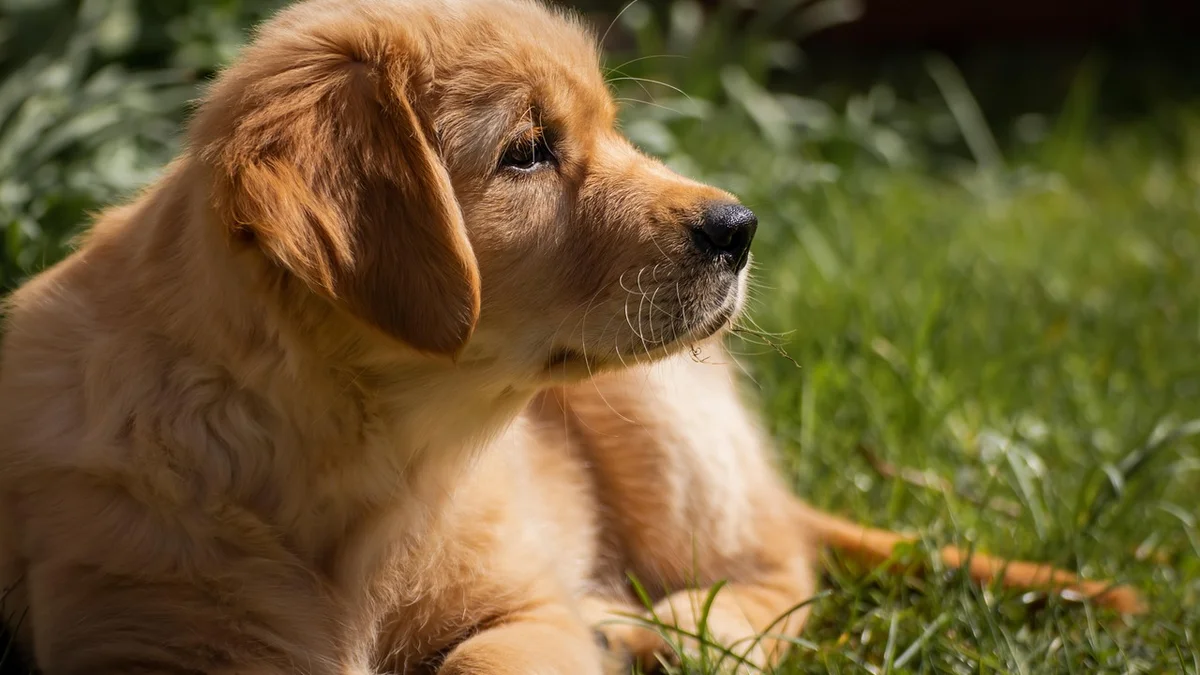
Vietnam's Rainy Season: Why Your Pet's Health is Most at Risk Right Now
Vietnam's rainy season — lasting from May to November in the south, with average rainfall of 1,800–2,000 mm annually — is the most challenging time of year for pet health. Humidity spikes to 80–95%, creating a breeding ground where fungi and bacteria multiply 3–5 times faster than in the dry season. For dogs and cats, the skin, ears, and respiratory system become vulnerable pressure points that need extra attention beyond your normal routine.
If you're an expat raising a pet in Ho Chi Minh City, Hanoi, or Da Nang, understanding this seasonal shift isn't just helpful — it's essential to prevent serious illness and expensive vet bills.
How Does Vietnam's Rainy Season Affect Your Pet's Health?
The combination of heat and sustained humidity creates an ideal environment for skin infections, ear problems, and respiratory illnesses. The fungus Malassezia and bacteria like Pseudomonas thrive at 80–95% humidity, attacking dogs and cats with long coats or folded ears (Poodles, Cocker Spaniels, Scottish Folds) at particularly high rates.
Common health problems in the rainy season:
- Ear infections: Moisture trapped inside the ear canal creates a breeding ground for bacteria and fungi. Dogs with long or floppy ears face a 60–70% higher infection risk than those with upright ears.
- Fungal skin infections: Malassezia spreads rapidly in skin folds (groin, armpits, between toes). Signs include red, itchy skin with a sour smell and constant scratching.
- Upper respiratory infections: A pet soaked by rain and not dried within 15–20 minutes can suffer hypothermia, leading to colds, bronchitis, and pneumonia.
- Leptospirosis (rat-borne bacteria): Transmitted through contaminated rainwater and standing puddles with rat urine. This is serious — untreated leptospirosis carries a 20–40% fatality rate.
- Intestinal parasites: Humid soil extends the survival time of parasite eggs in grass and damp earth where your pet plays.
How Do I Keep My Dog or Cat Dry and Clean After Rain?
After your pet gets wet, dry them thoroughly — especially the belly, armpits, paws, and between toes — within 10–15 minutes using a soft towel or low-heat blow dryer (below 45°C). Leaving wet fur for more than 30 minutes gives fungi a window to start colonizing the skin.
The right drying routine after going outside:
- Dry immediately at the door: Keep 1–2 large towels ready at your entrance. Start with the back, move to the belly, then all four paws — pay special attention to the spaces between toes.
- Use the blow dryer correctly: Set it to "warm" mode, hold it 15–20 cm from the skin, and move it constantly — never hold it in one spot for more than 5 seconds. Never use "hot" settings above 55°C.
- Clean the ears: Use a clean cotton swab to gently wipe the outer ear flap. Do not push cotton deep into the ear canal — only clean what you can see.
- Soak and dry the paws: After walks, soak all four paws in warm water with a dilute salt solution (1 teaspoon salt per 1 liter water) for 30–60 seconds, then dry thoroughly.
Bathing frequency in the rainy season: Limit baths to once a week for dogs and once every 2–3 weeks for cats. Over-bathing strips natural oils from the skin, making it more vulnerable to infection.
What's the Right Cleaning Routine for Your Pet's Living Space During Rainy Season?
Your pet's indoor environment needs more frequent cleaning during high humidity. Bedding, blankets, and cushions should be washed 1–2 times per week and either line-dried in sunlight or heat-dried completely before use — damp bedding is a perfect incubator for mold.
Rainy season cleaning checklist:
- Beds and crates: Wash covers weekly. Foam mattresses need 2–3 hours of direct sunlight or 30+ minutes in a dryer at 60°C to kill fungal spores.
- Food and water bowls: Wash with hot water after every meal. Bacteria in leftover food double their reproduction rate when humidity exceeds 80%.
- Floors in pet areas: Mop daily with a pet-safe disinfectant (avoid phenol or concentrated chlorine — toxic to cats). Keep focus on spots where your pet sleeps.
- Humidity control: A dehumidifier or air conditioning unit that maintains indoor humidity at 50–65% is ideal. Above 70% continuous humidity triggers mold bloom.
- Toys: Fabric and plush toys need washing and complete drying each week. Rubber and plastic toys require hot-water cleaning.
For apartment-dwelling expats in HCMC or Hanoi — which most of us are — managing indoor humidity is especially critical since central air conditioning is less common than in Western countries. A portable dehumidifier (typically 2–5 million VND / $80–200 USD) pays for itself in preventing vet visits.
Which Vaccines Does My Pet Need Before the Rainy Season Starts?
The rainy season is the time to verify that your pet's core vaccines are current, especially leptospirosis. This vaccine requires annual boosters and should ideally be given before the rainy season (April–May) so immunity peaks when risk is highest.
Essential vaccines to check before rainy season:
- 7-in-1 or 9-in-1 (dogs) — Annual booster — includes leptospirosis protection
- 4-in-1 or 5-in-1 (cats) — Annual booster
- Rabies — Annual booster (legally required in Vietnam)
- Bordetella (kennel cough) — Every 6–12 months if your pet goes outside frequently
Regular deworming every 3 months is also crucial during the rainy season — parasite eggs survive longest in wet soil. Deworming typically costs 50,000–150,000 VND ($2–6 USD) per treatment depending on your pet's weight and the medication type.
Important: All vaccination and deworming decisions should be made with a veterinarian, especially if your pet has allergies or is being treated for another condition. If you need an English-speaking vet in Vietnam, ask expat Facebook groups or your local Internations chapter — many vets in HCMC and Hanoi now have English-speaking staff.
What Should My Pet Eat During Rainy Season to Support Immune Health?
The rainy season doesn't require a complete diet overhaul, but it does demand stricter food hygiene and targeted nutritional support. Leftover food exposed to 25–35°C heat and high humidity can be colonized by dangerous bacteria (Salmonella, E. coli) within 2–4 hours — twice as fast as in the dry season.
Rainy season nutrition principles:
- Never leave food out longer than 2 hours: Wet food (pâté, fresh meals) is especially risky. Remove uneaten portions immediately.
- Prioritize dry kibble: It's easier to store safely in sealed containers kept off damp floors. Moisture in food storage invites mold.
- Add Omega-3 supplements: Support skin and coat health in humid conditions. Fish oil for pets typically runs 0.5–1 ml per 10 kg body weight daily.
- Include probiotics: The rainy season stresses digestive health (contaminated food, dirty water exposure). Pet probiotics help rebalance gut bacteria — especially useful if your pet has eaten something questionable.
- Fresh, filtered water only: Never let your pet drink rainwater or standing water. The leptospirosis risk is not worth it. Use filtered or boiled-then-cooled water at all times.
What Warning Signs Mean My Pet Needs a Vet Right Now?
Take your pet to a veterinarian immediately if you notice: fever above 39.5°C (103°F), loss of appetite for over 24 hours, unusual lethargy, vomiting or diarrhea lasting more than 12 hours, labored breathing, or heavy discharge from eyes and nose. During rainy season, these signs can escalate to serious conditions like leptospirosis within days.
When to monitor at home (24–48 hours):
- 1–2 sneezes per day without nasal discharge
- Mild ear scratching with no odor
- Slightly dull coat, minimal hair loss
Schedule a vet appointment within 24 hours:
- Foul-smelling ears with yellow or brown discharge
- Red, flaky, or pustular skin
- Vomiting or diarrhea 2–3 times in one day
- Mild coughing or slight breathing difficulty
Seek emergency care immediately:
- Fever above 40°C (104°F)
- Vomiting blood or bloody diarrhea
- Loss of appetite + lethargy + yellow-tinged skin (possible leptospirosis)
- Severe breathing difficulty or panting that won't stop
With Mật Pet Family's health warranty policy — the only written pet health guarantee in Vietnam — every pet that goes home with us can access remote health consultations. If your pet shows unusual signs, you can message our team anytime; you don't have to wait until symptoms worsen or rush to an emergency clinic.
Should I Change My Dog's Walking Schedule During Rainy Season?
Yes — adjust your dog's outdoor time to minimize exposure to heavy rain and standing water. In HCMC, the driest times are usually 6–7 AM and 5–6 PM. Stick to these windows and shorten walks from 30–45 minutes to 15–20 minutes. Completely avoid flooded or muddy areas where standing water sits for hours.
How to adjust exercise during rainy season:
- Raincoats for small dogs: Toy breeds under 5 kg (Chihuahuas, Pomeranians, Maltese) lose body heat quickly when wet. A pet raincoat (80,000–250,000 VND / $3–10 USD) is worth the investment.
- Avoid standing water: Puddles are breeding grounds for leptospira and parasites. Don't let your dog wade or drink from them under any circumstances.
- Boost indoor activity: On rainy days, replace outdoor walks with indoor games — fetch in the hallway, hide-and-seek with treats, short stair climbs (3–5 rounds). Aim for at least 20–30 minutes of activity daily to maintain fitness and mental health.
- Indoor cats need stimulation too: Cats indoors during rainy season can become sluggish from the humidity. Increase interactive play with feather wands and hunting-stimulation toys 2–3 times daily, 10–15 minutes per session.
FAQ: Common Questions About Pet Care in Vietnam's Rainy Season
Q: Does my pet need a full bath every time they get caught in the rain?
A: No. A thorough dry with towel and gentle heat is usually enough. Full baths should stay at 1 per week maximum for dogs (1 per 2–3 weeks for cats). Over-bathing removes protective skin oils and makes infection more likely, not less.
Q: Should I use antifungal medication preventively during rainy season?
A: Not without a vet's recommendation. Instead, focus on prevention: keep your pet dry and clean, check ears weekly, maintain indoor humidity below 65%, and wash bedding frequently. Unnecessary medication can disrupt your pet's skin microbiome.
Q: Is leptospirosis vaccination really necessary if my dog stays indoors most of the time?
A: Yes. Even indoor dogs can be exposed through rainwater entering the home, rodents getting inside, or short outdoor walks. The leptospirosis vaccine (typically included in 7-in-1 or 9-in-1 shots) costs 150,000–400,000 VND ($6–16 USD) per dose — far cheaper than treating the disease, which can require hospitalization (5–10 million VND / $200–400 USD).
Q: My indoor cat has never been outside. Does humidity still matter?
A: Absolutely. Indoor cats face the same fungal and bacterial risks from ambient humidity. Check ears weekly, keep bedding completely dry, monitor for excessive scratching, and watch for any unusual odor from ears or skin.
Q: Can I use essential oils or incense to reduce humidity and kill bacteria safely around my pet?
A: Avoid all essential oils around cats — many (tea tree, eucalyptus, peppermint) are toxic to feline livers. For dogs, even low-concentration oils are risky without veterinary approval. The safest approach is a mechanical dehumidifier and good ventilation.
Q: My pet got soaked in rain and is now shivering. What do I do?
A: Dry immediately, wrap in a light blanket, and move to a draft-free area. If shivering continues after 15–20 minutes of drying and warming, take your pet to the vet — this could signal hypothermia. Combine drying with gentle warmth (not direct heat) and monitor their body temperature and appetite.
Mật Pet Family Supports You Through Rainy Season and Beyond
The rainy season tests every pet owner — your dog hates being wet, your cat seems depressed by humidity, and you're worried about infections and parasites. After 15 years in Vietnam's pet care industry since 2011, the Mật Pet Family team knows these worries intimately. We've helped over 10,000 pets navigate rainy season successfully, and our health warranty — unique in Vietnam — means your pet isn't alone if problems arise.
If you have questions about caring for your specific breed during rainy season, want advice on nutrition or supplements, or need to connect with an English-speaking veterinarian in your area, reach out anytime. Call us at 0939 863 696 or visit Mật Pet Family's showroom in Ho Chi Minh City.
Your pet's rainy season health starts with the right knowledge and the right support. Let's keep them thriving.
Related articles
Pet Care During Tết in Vietnam — Keeping Your Dog or Cat Safe, Calm, and Healthy Through the Holiday
Toilet Training Your Dog or Cat in Vietnam — Step-by-Step Housebreaking, Accident Management, and Building Lasting Habits
Nutrition for Spayed & Neutered Dogs and Cats in Vietnam — Portion Sizes, Food Types, and Post-Surgery Adjustments
Interested in pets from Mật Pet?
15 years of trust · 10,000+ pets delivered to Vietnamese families · Free 30-day health warranty · Nationwide delivery.