
Pet-Integrated Living in Vietnam — How to Fit Your Dog or Cat Naturally Into Your Family's Daily Routine
Build a sustainable pet lifestyle in Vietnam without overwhelming your schedule. Practical daily routines, apartment-friendly tips, and cost breakdown from Mật Pet Family.

Pet-Integrated Living in Vietnam — How to Fit Your Dog or Cat Naturally Into Your Family's Daily Routine
If you're living in Ho Chi Minh City, Hanoi, or Da Nang and thinking about bringing a dog or cat home, you've probably asked yourself: "With a packed schedule, do I really have time for a pet?" According to internal surveys from Mật Pet Family's community of 8.7 million pet lovers, over 60% of pet owners in HCMC identify the same challenge—not money or space, but fitting a pet into an already-packed daily schedule. The good news: it's entirely possible. This guide shows you how to weave your pet into your existing rhythm—as a natural part of your day, not an added burden.
Why "fitting into your schedule" matters more than "having extra time"
Your pet doesn't need you home 24/7. What they need is consistency and predictability. A dog fed at 7 a.m. and 6 p.m. every single day will have lower stress levels than a dog whose feeding times vary by 1–2 hours from day to day—even if the total time you spend is identical.
Research in pet behavior shows that dogs and cats have internal circadian rhythms (biological clocks) similar to humans. Within 2–4 weeks, they learn your family's schedule and adjust their own sleep-wake cycle accordingly. When you're consistent, your pet is less destructive, vocalizes less, sleeps better—and so do you.
The core principle:
- Feed at the same times every day (adult dogs: 2 meals/day; adult cats: 2–3 meals/day)
- Aim for 20–30 minutes of movement per day for dogs; 15–20 minutes of interactive play per day for cats
- Quality beats duration—10 minutes of focused play is worth more than an hour of passive co-existence
How can a busy HCMC morning routine include proper pet care?
Absolutely—if you design it into a 15–20 minute window. Morning is the most critical part of your pet's day because it sets their energy and mood for the hours when you're not home. Skip breakfast or skip morning movement, and you risk destructive behavior while you're at work.
A realistic 15-minute morning routine:
- Time — Task — Tip
- 5 min — Breakfast — Prep portions the night before
- 5 min — Quick hygiene check (litter tray/outdoor relief) — Spot behavioral changes while you're at it
- 5 min — Light play or balcony time — Burn off baseline energy
Practical tweaks for HCMC apartment living:
- Use a puzzle feeder for breakfast—your pet spends 10–15 minutes eating instead of 2, staying occupied longer after you leave
- Rotate toys daily for cats—three identical-looking tunnels will seem like completely different toys if you swap them out each morning
- Small breeds (Poodle, Chihuahua, Maltese under 5 kg) need only 5 minutes of indoor movement to start the day well
While you're at work, how do you keep your pet calm and prevent destructive behavior?
This is the #1 anxiety point for working pet owners in the city. Dogs can comfortably be alone for 4–6 hours if the environment is set up correctly; cats are usually more self-reliant but still need mental stimulation. The issue isn't the length of time—it's what environment they're in during that time.
Setting up a "self-managing" space for your pet:
- Water fountain: Pets drink 30–50% more from flowing water than still bowls—critical in HCMC's 33–38°C heat. Your pet's hydration is more at risk from temperature than from your absence.
- A defined, secure zone (roughly 60–130 sq. ft.): Not a cage—a comfortable "territory" with distinct sleep, play, and bathroom areas. This gives your pet psychological safety.
- Background sound: Radio or soft instrumental music at 30–40 dB (normal conversation level) masks street noise that might trigger alarm barking.
- Pet camera (optional): Lets you check in and, if needed, interact via two-way audio if your pet shows early signs of stress.
Red flags for separation anxiety—address these immediately:
- Scratching at doors for 20+ minutes after you leave
- Continuous barking or howling
- Destroying items near exits
- Toileting indoors despite being housetrained
If you see these signs, your pet may benefit from socialization and routine reinforcement—or a consultation with a pet behavior specialist. Ask expat Facebook groups (Internations, local HCMC forums) for English-speaking behavior consultants in Vietnam.
The evening hours (after work) are your "golden window"—how should you use them?
30–60 minutes of quality evening time can fully compensate for 8–9 hours of daytime absence. This is when your pet is most emotionally present and when your bond deepens fastest. Don't waste it by sitting in the same room while scrolling your phone.
An ideal evening schedule (18:00–21:00):
- 18:00–18:30 — Dinner + a walk (dogs)
- 19:00–19:20 — Active play
- 20:00+ — Relaxed time together
What weekend activities help your pet "recharge" for the week ahead?
Weekends are your chance to provide environmental enrichment that weekday routines can't—and this directly supports your pet's mental health during the busy week. A well-enriched weekend can stabilize your pet's behavior for the entire following week.
Weekend activity ideas that work in Vietnam:
- Early morning (6:00–7:30): Take your dog to a pet-friendly park—Gia Định Park, Tao Đàn Park, or Lê Văn Tám in HCMC. It's cool (25–28°C), your pet meets other dogs naturally, and you get a social outing too. Socialization happens organically, not as a chore.
- Afternoon: At-home grooming session—brush your pet for 10–15 minutes, check ears/eyes/nails. This is both maintenance and bonding. Regular grooming lets you catch health issues early before they become expensive problems.
- Once a month: Visit Mật Pet Family's showroom—your pet experiences a new environment, meets new people and animals, and gets genuine environmental enrichment without extra cost.
- For indoor cats: Rearrange your home lightly—move scratching posts, add a new cardboard box, place a new window perch. Small changes feel like a brand-new world to a cat.
When unexpected events happen (business trips, illness, relocation), how should you prepare your pet?
Schedule disruptions are the #1 cause of stress-related illness in pets—and prolonged stress weakens immunity, opening the door to illness. Preparing just 3–5 days ahead makes a massive difference.
For work trips (2–5 days):
- Best option: Leave your pet with someone they already know, at home. Familiar environment = lowest stress.
- If boarding outside the home: Choose based on cleanliness and oversight standards, not just price. Your pet should be in a temperature-controlled space (under 28°C) with a caregiver checking in at least twice daily.
- Leave an unwashed piece of your clothing near your pet's bed—your familiar scent reduces anxiety by 40–60% according to pet behavior research.
For relocation:
- Don't move your pet in on moving day. Wait until at least one room is fully set up.
- Place your pet's essentials (litter tray, food bowl, bed) in positions similar to your old home (kitchen corner, bedroom corner).
- Adaptation timeline: Dogs typically adjust in 1–2 weeks; cats can take 3–4 weeks. Don't force interaction during this period.
Mật Pet Family's health warranty policy includes free post-purchase consultations about stress management during transitions—a benefit unique in Vietnam and included as part of our commitment to lifelong pet companionship, not just the sale.
What's the realistic monthly cost to maintain a "pet-integrated" lifestyle in Vietnam?
A thoughtfully planned pet lifestyle doesn't cost dramatically more if you prevent problems before they start. Most unexpected costs arise from not planning—stress-related illness, destructive behavior requiring repairs, behavioral intervention. Prevention is always cheaper than crisis management.
Estimated monthly costs for one dog or cat in HCMC:
- Item — Monthly estimate
- Food (kibble + wet) — 300,000–800,000 VNĐ (12–32 USD)
- Rotating toys (2–3 pieces) — 100,000–300,000 VNĐ (4–12 USD)
- Home grooming supplies (amortized) — 50,000–100,000 VNĐ (2–4 USD)
- Professional grooming (1–2x/month) — 150,000–500,000 VNĐ (6–20 USD)
- Routine health check-ups (amortized) — 100,000–200,000 VNĐ (4–8 USD)
- Total estimate — 700,000–1,900,000 VNĐ (28–76 USD)
Compare this to emergency vet bills for stress-related illness or behavioral issues—often 2–10 million VNĐ per incident. Investing in consistency from day one is financially smarter and emotionally healthier for you and your pet.
FAQ: Pet-Integrated Living in Vietnam
Can I keep a dog if I work 8–10 hours a day?
Yes, with the right breed and setup. Low-exercise breeds like Poodle mixes, Shih Tzu, or cats like British Shorthair tolerate solo time better. What matters is evening quality time and unwavering morning/evening routines—not how many hours you're physically present.
How do I handle a pet when my work schedule changes (shift work)?
Stabilize your pet's two anchor points: morning feeding time and bedtime. Even if your shifts vary, keeping those 2 timepoints consistent (within 30–60 minutes) helps your pet maintain their circadian rhythm. The other meals and activities can shift around these anchors.
How many toys should I buy for my pet?
Not quantity—rotation. 5–8 toys that you rotate (hide 2–3, leave 3–4 visible) works better than 20 toys left out permanently. Novelty keeps your pet engaged; sheer numbers don't.
Is it safe for my pet to sleep in my bed?
Yes, if your pet is up-to-date on vaccinations, dewormed (every 3 months), and showing no signs of skin disease. Many expat families co-sleep with their pets and report stronger bonding and lower nighttime anxiety for the pet. If a family member has allergies, maintain a consistent boundary instead.
Do senior pets (8+ years) need a different daily routine?
Yes. Reduce activity intensity (30 minutes → 15–20 minutes), increase meal frequency (2 → 3 smaller meals), and up vet visits (1 → 2 times per year). Sleeping areas should be soft and easily accessible because joints weaken with age.
What happens to my pet's routine when we have a newborn?
Keep your pet's feeding and sleep schedule absolutely unchanged—this is the most important stability during household chaos. Gradually (over 2–3 weeks) familiarize your pet with baby sounds and scents before direct contact. Never rush introductions. See our guide on pets and newborns for detailed steps.
Getting started: Your first step
Your pet doesn't need a perfect owner—they need a consistent, loving one who listens to their signals. If you're thinking about bringing a pet home, or if you want to reset your current pet's routine, Mật Pet Family—with 15+ years of experience since 2011 and over 10,000 pets cared for—is here to guide you through the specifics of your situation.
We offer free consultations on choosing a breed that fits your lifestyle, building a sustainable daily routine, and navigating the unique challenges of pet ownership in Vietnam's climate and urban environment.
Contact us today: 📞 0939 863 696 (English-speaking team available) 📍 Visit our showroom at matpet.vn/showroom to meet available pets and discuss your lifestyle in person
Or message us through our website at matpet.vn. We're here not just to sell a pet—but to help you build a life together.
Related articles
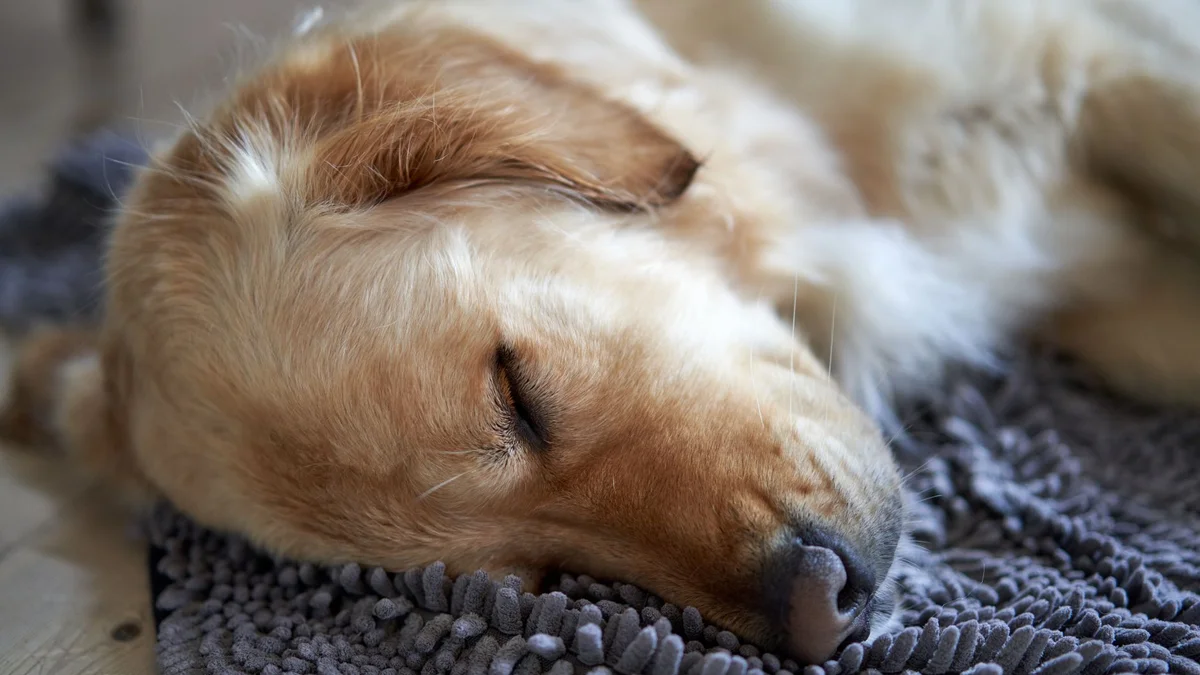
Designing a Pet-Friendly Home Office in Vietnam — Space Layout, Equipment & How to Balance Work and Your Dog or Cat

Pet Photography Through Vietnam's Four Seasons — Lighting, Backgrounds & Tips for Year-Round Beautiful Shots
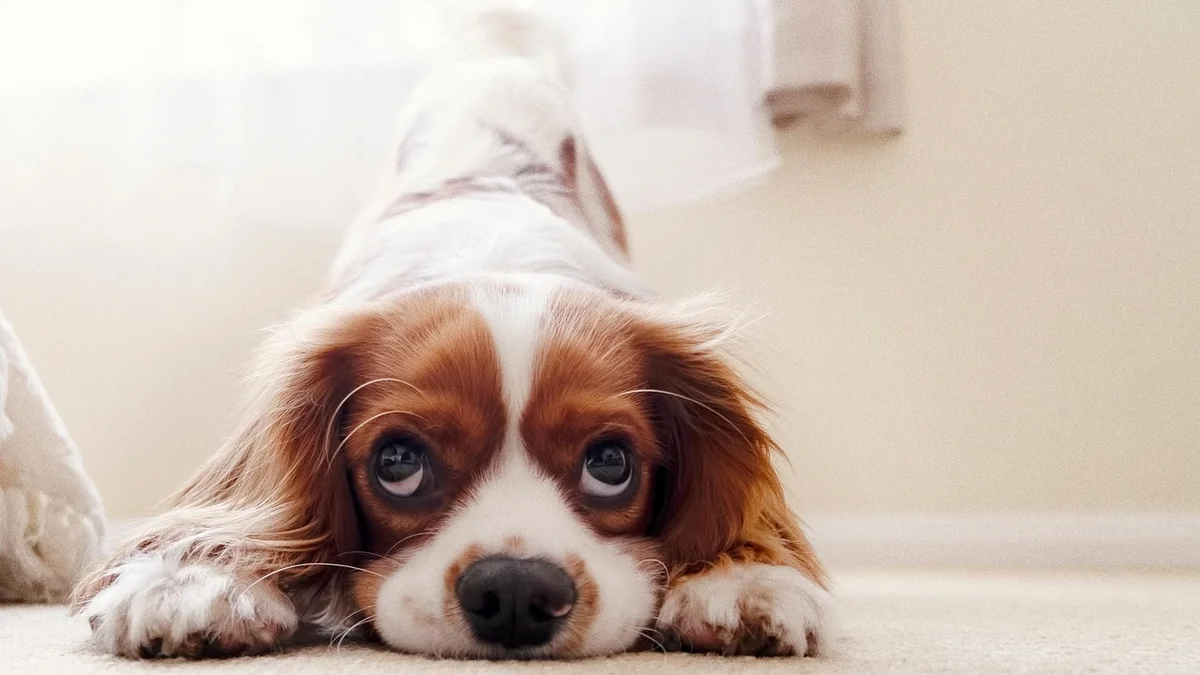
Saying Goodbye to Your Pet — A Compassionate Guide to Grief, Memory, and Healing for Expat Families in Vietnam
Interested in pets from Mật Pet?
15 years of trust · 10,000+ pets delivered to Vietnamese families · Free 30-day health warranty · Nationwide delivery.