
Pet Vaccination Schedule in Vietnam — Which Vaccines Do Dogs & Cats Need, When, and How Much Does It Cost?
Complete dog & cat vaccination schedule for Vietnam: required vaccines, timing, 2024–2025 costs, and expat tips — from Mật Pet Family, 15 years of experience.
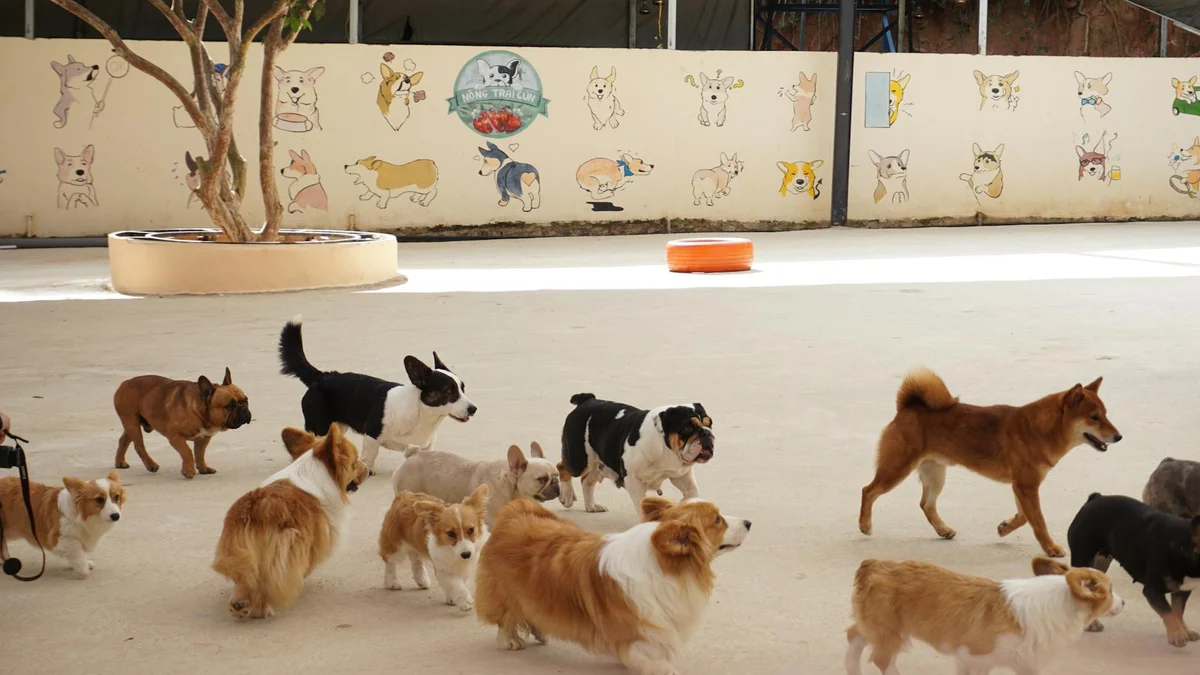
Keeping your dog or cat up to date on vaccines is the single most cost-effective thing you can do for their health — especially in Vietnam's hot, humid climate where certain viruses circulate year-round. Whether you've just picked up a puppy in Ho Chi Minh City or you're relocating to Hanoi with your cat, this guide walks you through exactly which vaccines are needed, when to give them, and what to budget.
Why is staying on a vaccination schedule the most important health decision for pets in Vietnam?
Vietnam's tropical climate and dense urban pet populations create near-ideal conditions for viruses and bacteria to spread. A single vaccine shot costs 150,000–400,000 VND (roughly 6–16 USD), but treating a preventable disease can run 3–15 million VND (120–600 USD) or more — and some diseases carry a very real risk of death.
Diseases that are genuinely common in Vietnam
Rabies remains a serious public-health concern across many provinces — and it is 100% fatal in both animals and humans once clinical signs appear. Beyond rabies, Distemper (Carré), Parvovirus, and infectious hepatitis circulate widely in dogs; Panleukopenia and Feline Herpesvirus are persistent threats for cats. Vaccination builds active immunity before your pet is ever exposed.
For expats, a few extra points are worth flagging:
- If you are moving to Vietnam with a pet, you will need proof of up-to-date rabies vaccination for import clearance. Always verify current Vietnamese import requirements with the Ministry of Agriculture and Rural Development (MARD) or a licensed veterinary importer before you travel — rules change.
- If you plan to take your pet home when your assignment ends, many countries (Australia, UK, Japan, etc.) have strict quarantine and pre-treatment windows. Start planning 6–12 months in advance and keep every vaccination record.
- Most expats in HCMC and Hanoi live in apartments where pets have limited outdoor access, but that does not mean vaccines can be skipped — see the FAQ section below.
What is the puppy vaccination schedule in Vietnam, month by month?
Puppies should receive their first vaccine at 6–8 weeks of age and complete the core series before 16 weeks. The most commonly used products in Vietnam are the combination 5-in-1 or 7-in-1 vaccines (covering Distemper, Parvovirus, Adenovirus, and Parainfluenza). Rabies is given as a separate injection at 12–16 weeks.
Core puppy schedule:
- Age — Vaccine — Notes
- 6–8 weeks — 5-in-1 or 7-in-1 (dose 1) — Given while maternal antibodies are still present
- 10–12 weeks — 5-in-1 or 7-in-1 (dose 2) — Minimum 3–4 weeks after dose 1
- 14–16 weeks — 5-in-1 or 7-in-1 (dose 3) + Rabies (dose 1) — Completes the core series
- 12 months — Full booster + Rabies (dose 2) — Then annually thereafter
Important reminders:
- Do not vaccinate a puppy that is unwell, running a fever, or has been dewormed within the last 7–10 days.
- Deworm at least 1–2 weeks before vaccination so the immune system can respond properly.
- Puppies who haven't completed their series should avoid contact with unknown dogs and high-traffic locations like dog parks or pet shops.
- Stay at the clinic for 30 minutes after each injection so staff can respond immediately if there is an allergic reaction (facial swelling, breathing difficulty, vomiting).
How does the kitten vaccination schedule in Vietnam differ from a puppy's?
Cats need fewer injections than dogs, but that does not make their schedule optional. The core feline vaccine is FVRCP — protecting against Rhinotracheitis (Herpesvirus), Calicivirus, and Panleukopenia — starting at 8–9 weeks, with a booster 3–4 weeks later, then annual or triennial boosters depending on the product. Rabies vaccination is also legally required for cats in Vietnam, though it is less commonly discussed than for dogs.
Core kitten schedule:
- Age — Vaccine — Notes
- 8–9 weeks — FVRCP (dose 1) — Standard 3-in-1 widely available in Vietnam
- 12 weeks — FVRCP (dose 2) + Rabies (dose 1) — 3–4 weeks after dose 1
- 16 weeks — FVRCP (dose 3) — vet's discretion — Recommended for high-risk kittens
- 12 months — FVRCP booster + Rabies — Then every 1–3 years depending on product
For strictly indoor cats: Most vets still recommend keeping the rabies booster current every 1–3 years — the risk of a cat slipping out onto a HCMC balcony or stairwell and encountering a bat or stray animal is never zero.
Optional vaccines available in Vietnam:
- FeLV (Feline Leukemia Virus): Recommended for cats that go outdoors or live with other cats.
- FIP (Feline Infectious Peritonitis): An intranasal vaccine is now available at select clinics in Vietnam.
How much does pet vaccination cost in HCMC and Hanoi in 2024–2025?
Prices vary depending on the vaccine brand (imported vs. domestic), the clinic's location, and whether a pre-vaccination consultation fee is charged. In Ho Chi Minh City, a single combination vaccine typically runs 150,000–450,000 VND (6–18 USD); rabies alone is 80,000–200,000 VND (3–8 USD). Completing the full first-year schedule for one pet generally costs 500,000–1,500,000 VND (20–60 USD).
Reference price table (HCMC, 2024–2025):
- Vaccine — Approximate price per dose
- 5-in-1 / 7-in-1 (dog) — 180,000–450,000 VND (~7–18 USD)
- FVRCP (cat) — 150,000–400,000 VND (~6–16 USD)
- Rabies (dog or cat) — 80,000–200,000 VND (~3–8 USD)
- FeLV (cat) — 250,000–500,000 VND (~10–20 USD)
- Pre-vaccination consultation — 50,000–150,000 VND (~2–6 USD)
Imported brands — Nobivac (Netherlands), Purevax (France), Versican (USA) — typically cost 20–50% more than domestic options, but come with a more thoroughly documented safety and efficacy profile. For expats who may later need to export a pet to a country with strict veterinary documentation requirements, having a clearly labeled imported-brand vaccination record can simplify paperwork significantly.
You can get personalised advice on which vaccine brand suits your pet's lifestyle and health history at the Mật Pet Family showroom.
What should I do if my pet has missed their vaccination schedule?
A lapsed schedule is not a reason to start completely from scratch. A vet will assess your pet's current health and build a tailored catch-up plan. Adult pets with no vaccination history typically need two core doses given 3–4 weeks apart before switching to annual boosters.
Step-by-step catch-up process:
- Book a general health check — the vet will screen for parasites, existing illness, and confirm your pet is ready to vaccinate.
- Deworm and treat for external parasites — ideally 7–14 days before the first injection.
- First vaccine dose — appropriate for your pet's species and age.
- Schedule dose 2 — 3–4 weeks later, then shift to an annual reminder.
- Keep the vaccination booklet — this is critical if you ever need to travel internationally with your pet or board them at a facility that requires proof of vaccination.
At Mật Pet Family, our pet health warranty policy — the first and still the only one of its kind offered by a pet shop in Vietnam — includes helping new owners set up a proper vaccination schedule from day one, so missed shots don't become a pattern.
Which post-vaccination reactions are normal, and when do I need an emergency vet?
Most dogs and cats show mild reactions in the first 24–48 hours after a vaccine — this simply means the immune system is doing its job. However, roughly 1 in 10,000 animals experiences a serious anaphylactic reaction, most commonly within the first 30 minutes. Knowing the difference lets you act quickly when it actually matters.
Normal reactions — no immediate action needed:
- Lethargy and increased sleep for 1–2 days.
- Mild swelling or tenderness at the injection site — resolves in 1–3 days.
- Reduced appetite for the first 24 hours.
- Mild sneezing in cats after an upper-respiratory vaccine.
Emergency signs — go to a vet within 1–2 hours:
- Swelling of the face, muzzle, or eyes.
- Repeated vomiting or diarrhoea.
- Laboured breathing or wheezing.
- Collapse, seizures, or loss of consciousness.
- Widespread hives, redness, or intense scratching.
Several vet clinics and animal hospitals in HCMC operate 24/7. Save the number of your nearest one before vaccination day — not after. When in doubt, don't wait.
Finding an English-speaking vet in Vietnam: English-speaking veterinary staff are available at several clinics in HCMC's District 2, District 7, and Binh Thanh, and in Hanoi's Tay Ho district. Expat Facebook groups ("Expats in Ho Chi Minh City," "Hanoi Massive") and platforms like InterNations are reliable community sources for current recommendations — clinic quality and staff availability change, so a recent peer review is more useful than any static list.
How should I prepare before each vaccination appointment to get the best results?
Proper preparation maximises the vaccine's effectiveness and reduces the risk of side effects. Three non-negotiables: your pet must be in full health (no fever, no diarrhoea), dewormed within the past two weeks, and not currently on immunosuppressant drugs such as corticosteroids.
Pre-vaccination checklist:
- ✅ Check body temperature — normal range is 38–39.2°C for dogs, 38–39.5°C for cats.
- ✅ Deworm at least 7–14 days beforehand.
- ✅ Check ears and eyes for signs of hidden infection. If you suspect an ear issue, the Vietnamese-language guide on ear disease in dogs and cats covers the warning signs in detail.
- ✅ Bring any existing vaccination booklet so the vet can verify history.
- ✅ Limit food 2–3 hours before the appointment to reduce stress-related vomiting.
- ✅ Use an appropriate carrier or leash — a calm, secure pet is easier and safer to handle.
- ✅ Keep your pet away from unknown animals in the waiting room to minimise cross-infection risk.
Every purebred dog and cat that leaves Mật Pet Family comes with a personalised vaccination schedule prepared by our team — built on more than 15 years of experience since 2011 and the care of over 10,000 pets. First-time owners never need to guess where to start.
Frequently asked questions about pet vaccination in Vietnam
Do indoor-only pets still need vaccines in Vietnam?
Yes — without exception. Viruses can enter your home on shoes, clothing, or insects, and there is always a chance your pet slips outside briefly. More importantly, rabies vaccination is a legal requirement in Vietnam regardless of whether your dog or cat ever goes outdoors.
Is rabies vaccination legally mandatory for dogs and cats in Vietnam?
Yes. Under the 2015 Animal Health Law and related regulations, all dog and cat owners in Vietnam must vaccinate against rabies annually. Failure to comply can result in an administrative fine of 600,000–800,000 VND (roughly 24–32 USD) under Decree 90/2017. Beyond the legal obligation, it is a basic responsibility to the community around you.
Can a pregnant or nursing pet be vaccinated?
Modified live vaccines are generally not recommended during pregnancy because of potential risk to the foetus. Always tell your vet if your pet is pregnant or nursing — they will either recommend a killed (inactivated) vaccine, which is considered safer, or advise postponing until after weaning. Do not make this call without veterinary guidance.
How long after vaccination before my pet can be bathed or go outside?
As a general rule, avoid bathing and limit outdoor exposure for 48–72 hours after vaccination while the immune system is actively responding. Resume normal routines only once your pet is back to their usual energy level and eating normally.
I bought my pet from a shop and they say it's already vaccinated — do I still need to act?
Always verify. Ask for the vaccination booklet and have a vet cross-check the vaccine name, brand, date, and dose number. If the record is complete and credible, the vet will tell you exactly which shots are still needed. Do not re-vaccinate "just to be safe" without professional advice — over-vaccination carries its own risks.
What is the difference between Nobivac, Purevax, and Versican?
All three are internationally recognised brands with long track records in Vietnam. The main differences lie in the specific formulation (modified live vs. inactivated), the number of diseases covered per dose, and the price. Your vet will recommend the best fit based on your pet's lifestyle, health history, and your budget. For expats who may relocate internationally, ask specifically whether the brand and batch documentation will satisfy your destination country's import authority.
Ready to get your pet's vaccination on track?
If you're unsure where your dog or cat stands on their vaccination schedule — or you've recently adopted a pet with unclear health records — the team at Mật Pet Family is happy to help with a free consultation.
Call 0939 863 696 (English support available) or visit the Mật Pet Family showroom for an initial health check and a personalised vaccination plan. This is especially useful if you've just brought home a purebred dog or cat and want to make sure they're fully protected from day one — or if you're planning ahead for an international move and need airtight documentation.
For more pet health and care guides from our team, visit the Mật Pet Family English blog.
Related articles
Feline Panleukopenia (FPV) in Cats — Early Warning Signs, Causes, and Effective Prevention in Vietnam
Ringworm and Fungal Skin Infections in Dogs & Cats in Vietnam — Early Signs, Causes, and Effective Treatment

Thrombocytopenia (Low Platelet Count) in Dogs and Cats in Vietnam — Early Detection, Causes, and Long-Term Management for Expats
Interested in pets from Mật Pet?
15 years of trust · 10,000+ pets delivered to Vietnamese families · Free 30-day health warranty · Nationwide delivery.