
Raw Diet (BARF) for Dogs & Cats in Vietnam — Benefits, Risks, and How to Start Safely
Is raw diet safe for dogs and cats in Vietnam? Mật Pet Family explains BARF benefits, risks, sourcing quality meat in HCMC, and how to transition safely.
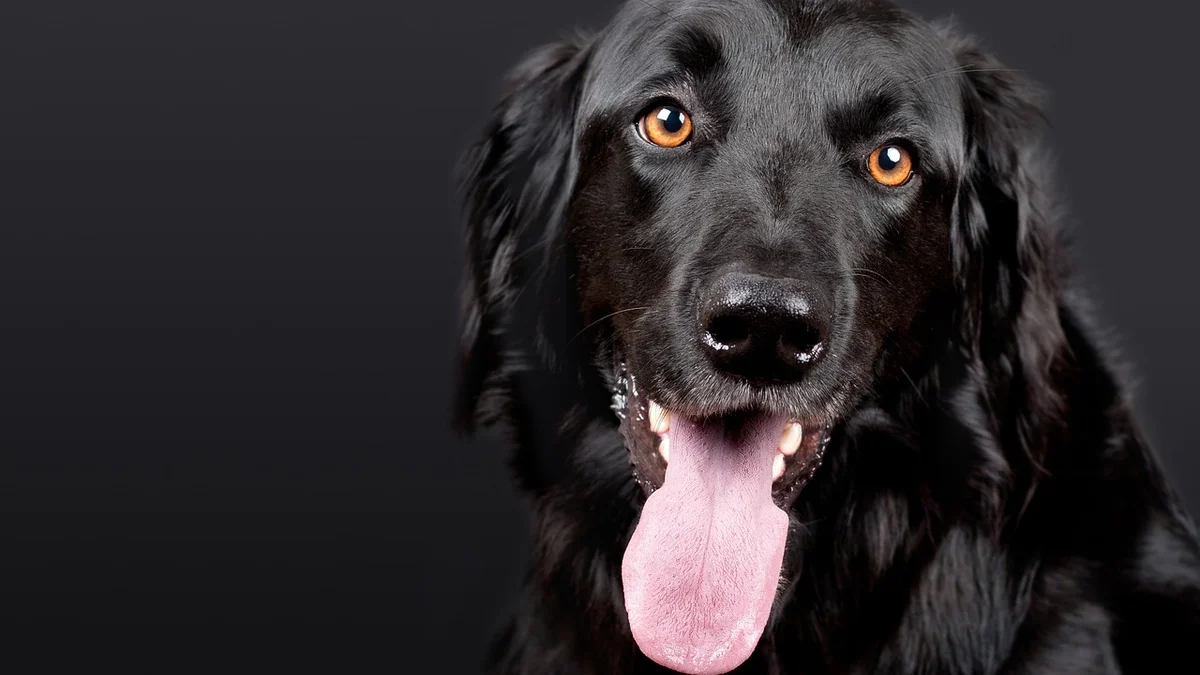
More and more families in Vietnam are switching their dogs and cats to raw diet (BARF — Biologically Appropriate Raw Food) after seeing remarkable changes within just a few weeks: shinier coats, better digestion, smaller stools, and more energy. But raw feeding is also one of the most debated topics in the pet owner community. Done right, it can be one of the most nutritionally optimal diets available. Done wrong, the risks of bacterial contamination and nutritional imbalance are very real. This guide will walk you through everything you need to know — from A to Z — based on practical experience with Vietnam's climate and food sourcing.
What Is Raw Diet (BARF) for Dogs and Cats, and What Are the Different Approaches?
Raw diet consists of uncooked meat, bone, organ, and vegetables — fresh or frozen, with no heat processing involved. The two most common approaches in Vietnam today are BARF (Biologically Appropriate Raw Food) and PMR (Prey Model Raw). BARF includes 10–20% vegetables and fruit for micronutrients, while PMR mimics natural prey composition more strictly: roughly 80% muscle meat, 10% bone, and 10% organ — no plant matter.
A third option gaining popularity among busy expat owners is commercial raw — pre-packaged frozen raw food from reputable brands. This approach is increasingly available in major cities like Ho Chi Minh City, where raw pet food brands have been appearing since 2019–2020.
Key difference from kibble (dry food): raw diet preserves natural enzymes, maintains food moisture at 65–75% (compared to only 8–10% in dry kibble), and keeps protein in its native, undenatured form. This is why many owners report visible improvements in coat quality, reduced stool odor, and decreased water intake shortly after switching.
Is Raw Diet Actually Better Than Commercial Kibble?
Raw diet offers genuine, documented benefits — but it's not universally "better" for every pet in every situation. The key advantages are: high bioavailable protein (typically 18–25% raw vs. 22–30% premium kibble, but in a more digestible form), natural moisture content beneficial for kidney and urinary health, and lower carbohydrate ratio, which aligns better with dogs' and cats' carnivorous physiology.
The most noticeable improvements Vietnamese pet owners report:
- Shinier, less shedding coat — especially visible after 4–8 weeks
- Smaller, less odorous stools — better digestibility means less waste
- Cleaner teeth naturally — raw bone scrapes plaque like a toothbrush
- Better body weight management — low starch helps prevent obesity
- Improved digestion — particularly helpful for dogs sensitive to kibble or prone to bloating
That said, don't idealize raw diet. Pets on kidney medication, with compromised immune systems, or pregnant/nursing need veterinary clearance before starting. Premium kibble is formulated to strict nutritional standards — a guarantee that homemade raw diets can't easily match without solid nutritional knowledge.
What Are the Real Risks of Raw Diet, and How Do You Prevent Them?
The two primary risks are bacterial contamination (Salmonella, E. coli, Listeria) and nutritional imbalance if recipes lack proper ratios. Both are manageable with correct storage, hygiene, and ingredient proportions — but they require genuine attention.
Risk 1: Bacterial Contamination in Raw Meat
Ho Chi Minh City's year-round 28–38°C (82–100°F) heat accelerates bacterial growth dramatically. Raw meat left at room temperature for over 2 hours enters the danger zone. Non-negotiable practices:
- Source meat carefully: buy only from supermarkets (Co.opmart, Vinmart, Lotte, AEON) or reputable suppliers with clear origin — never use questionable meat from informal markets, even if cheaper
- Thaw properly: in the refrigerator (4°C), never at room temperature
- Wash bowls thoroughly: hot water + pet-safe dish soap after every meal
- Don't leave uneaten food out longer than 20–30 minutes in HCMC's heat
Risk 2: Bone Safety
NEVER give cooked bone — it becomes brittle and splinters, risking intestinal perforation. Raw bone (soft bone) is safe and actually beneficial. Best options: chicken wing, chicken neck, duck neck — soft, appropriately sized for dogs and cats.
Risk 3: Long-Term Nutritional Imbalance
Feeding only lean muscle meat creates deficiencies in calcium, phosphorus, taurine (critical for cats), and micronutrients. The correct BARF ratio: 70% muscle meat — 10% soft bone — 10% organ (with liver at max 5%) — 10% vegetables/fruit (dogs only). If home calculation feels overwhelming, commercial raw products already balance these ratios.
Where to Source Quality Raw Diet Ingredients in Vietnam
In Vietnam, sourcing raw diet ingredients is straightforward if you know where to look. Prioritize hygiene-controlled sources over cheaper informal markets. Most HCMC families rotate 2–3 protein sources for variety.
Common meat sources in Ho Chi Minh City:
- Supermarkets (Co.opmart, Vinmart, Lotte, AEON): packaged chicken, duck, beef, pork with traceable origin — safest but 20–40% more expensive than traditional markets
- Binh Dien wholesale market, Hoc Mon: large quantities, competitive pricing, but requires careful selection; buy early morning when stock is fresh
- Online farm direct: increasingly popular — farms in Dong Nai, Binh Duong deliver to HCMC, priced 80,000–120,000 VND (~3–5 USD)/kg depending on cut
- Commercial raw frozen brands: imported (Primal, Steve's, OC Raw) or Vietnamese brands — 150,000–350,000 VND (~6–14 USD) per 500g pack, pre-balanced, very convenient
Organ sources: chicken liver, beef liver, heart, kidney — readily available at traditional markets for 30,000–60,000 VND (~1–2 USD)/kg. Important: organs should not exceed 10% of daily intake; liver specifically capped at 5% to avoid excess vitamin A.
How to Transition from Kibble to Raw Diet Safely
Abrupt switches to raw often cause temporary digestive upset — especially if your pet has eaten kibble for years. A gradual 2–4 week transition lets the gut microbiome adapt, minimizing diarrhea and vomiting.
Suggested transition schedule (3 weeks):
- Week — Kibble % — Raw %
- 1 — 75% — 25%
- 2 — 50% — 50%
- 3 — 25% — 75%
- 4+ — 0% — 100%
What's normal: slightly soft stools for 1–3 days — the gut microbiota is rebalancing. Seek immediate vet care if: diarrhea persists beyond 5 days, you see blood in stool, or your pet stops eating entirely.
Best first protein: chicken is ideal — highly digestible, rare allergen, widely available in Vietnam. After 2–3 weeks on chicken, introduce a second protein (duck, beef, fish).
Special note for cats: cats are pickier and may reject raw initially. Lightly warm the meat with hot water for 30 seconds (not cooked — just warm) to release aroma and encourage acceptance in the first transition week.
How Much Raw Diet Does Your Dog or Cat Need Each Day?
Raw diet portions are calculated as a percentage of body weight, not calories. Standard guideline: adult dogs and cats eat 2–3% of body weight daily, split into two meals (morning and evening). Growing puppies/kittens, highly active dogs, or underweight pets may need 3–5%.
Real-world examples:
- Cat, 4 kg: 80–120g raw/day → ~40–60g per meal
- Toy Poodle, 3 kg: 60–90g raw/day
- Golden Retriever, 30 kg: 600–900g raw/day
- Corgi, 12 kg: 240–360g raw/day
Estimated daily cost in HCMC (2024–2025):
- Cat, 4 kg on homemade raw: 15,000–30,000 VND (~0.60–1.20 USD)/day
- Medium dog, 10 kg on homemade raw: 40,000–80,000 VND (~1.60–3.20 USD)/day
- Commercial raw costs 2–3× more but saves prep time and guarantees nutrition balance
Adjust portions every 2–4 weeks based on actual weight. Gaining weight? Drop to 1.5–2%. Losing weight? Increase to 3–4%. Weigh your pet monthly for accuracy.
Is Raw Diet Practical for Apartment-Living Expats in HCMC?
Absolutely feasible — thousands of families in HCMC apartment buildings already feed raw successfully. The challenge isn't space; it's organization.
Minimum gear needed:
- Dedicated freezer compartment or small freezer for pet food only (no cross-contamination with human food) — mini freezer 50–100L: 1.5–3 million VND (~60–120 USD)
- Digital kitchen scale for precise portions: 100,000–250,000 VND (~4–10 USD)
- Separate cutting board and knife — not shared with human kitchen
- Pre-portioned storage containers for daily meals — huge time-saver on busy mornings
Apartment management tips:
- Batch prep once weekly: thaw, portion, and freeze 5–7 days of meals in individual containers on a lazy afternoon
- Overnight thaw: move tomorrow's breakfast to the fridge the night before
- Sanitize feeding area with boiling water + pet-safe disinfectant after every meal
- In peak HCMC summer (33–38°C), never leave uneaten food in the bowl longer than 15–20 minutes
With Mật Pet Family's health warranty policy — the only written pet health guarantee in Vietnam — many families start their raw diet journey with professional guidance rather than trial and error.
FAQ: Raw Diet for Dogs and Cats in Vietnam
Is raw diet actually safe for dogs and cats?
Yes, when you follow proper practices: source meat from traceable suppliers, freeze/thaw correctly, sanitize equipment after meals, and use the right ingredient ratios. Risk increases significantly with unverified meat or imbalanced recipes over time.
Can senior pets or sick pets eat raw diet?
Not without veterinary approval. Pets on kidney medication, with liver disease, immunocompromised, or pregnant/nursing should consult a vet first. Healthy seniors generally tolerate raw well but may need adjusted protein ratios and organ portions based on individual health status.
Can puppies and kittens eat raw diet?
Carefully, yes. Wait until 8 weeks old minimum. From 8–16 weeks, introduce soft proteins like ground chicken. Young pets need higher calcium and phosphorus for bone development — raw bone ratios must be adjusted accordingly. Consult a vet-nutritionist for correct proportions.
Does raw diet cause bad breath in pets?
Actually the opposite — many owners report improved breath after switching to raw, thanks to natural teeth cleaning from raw bone and lower carbohydrate content (carbs ferment in the mouth and cause odor). Bad breath usually points to dental plaque or gum disease rather than diet type.
I'm too busy to prep raw diet daily. What are my options?
Commercial raw frozen products are your answer — just thaw and serve. Or batch-cook on weekends: spend 30–45 minutes preparing 5–7 days of portioned meals, then freeze. Many busy HCMC families use this hybrid approach successfully.
Is raw diet more expensive than premium kibble?
Homemade raw often costs the same or less than premium kibble. Example: premium kibble for a 4 kg cat runs ~20,000–40,000 VND (~0.80–1.60 USD)/day; homemade raw typically 15,000–30,000 VND (~0.60–1.20 USD)/day. Commercial raw is pricier (2–3× more) but eliminates prep work. You're trading time for money.
Mật Pet Family: Your Partner in Raw Diet Success
Switching to raw diet is a serious decision — not a trend, but a genuine shift in how you nourish your pet daily. Starting correctly matters far more than starting quickly.
Over 15 years since 2011, Mật Pet Family has guided thousands of families through dietary transitions and pet nutrition choices — from newborns to senior pets with special needs. Whether you're considering raw diet, transitioning from kibble, or simply wanting to optimize your pet's current nutrition in Vietnam's tropical climate, our team is here.
Reach out for a personalized nutrition consultation:
📞 Hotline: 0939 863 696 (English-speaking support available)
🏠 Visit our showroom: Mật Pet Family locations in HCMC, Hanoi, Da Nang
🐾 Learn more: Pet health warranty — lifetime companionship for every pet that comes home
🔗 Browse our care guides: Complete pet care resource center
Related articles

Pet Care During Tết in Vietnam — Keeping Your Dog or Cat Safe, Calm, and Healthy Through the Holiday

Toilet Training Your Dog or Cat in Vietnam — Step-by-Step Housebreaking, Accident Management, and Building Lasting Habits

Nutrition for Spayed & Neutered Dogs and Cats in Vietnam — Portion Sizes, Food Types, and Post-Surgery Adjustments
Interested in pets from Mật Pet?
15 years of trust · 10,000+ pets delivered to Vietnamese families · Free 30-day health warranty · Nationwide delivery.