
Adult Cat Nutrition in Vietnam — Feeding Schedules, Food Types, and the Most Common Mistakes Expat Cat Owners Make
How much should your adult cat eat in Vietnam's heat? Wet vs dry food, essential nutrients, and common mistakes — expert guide from Mật Pet Family.
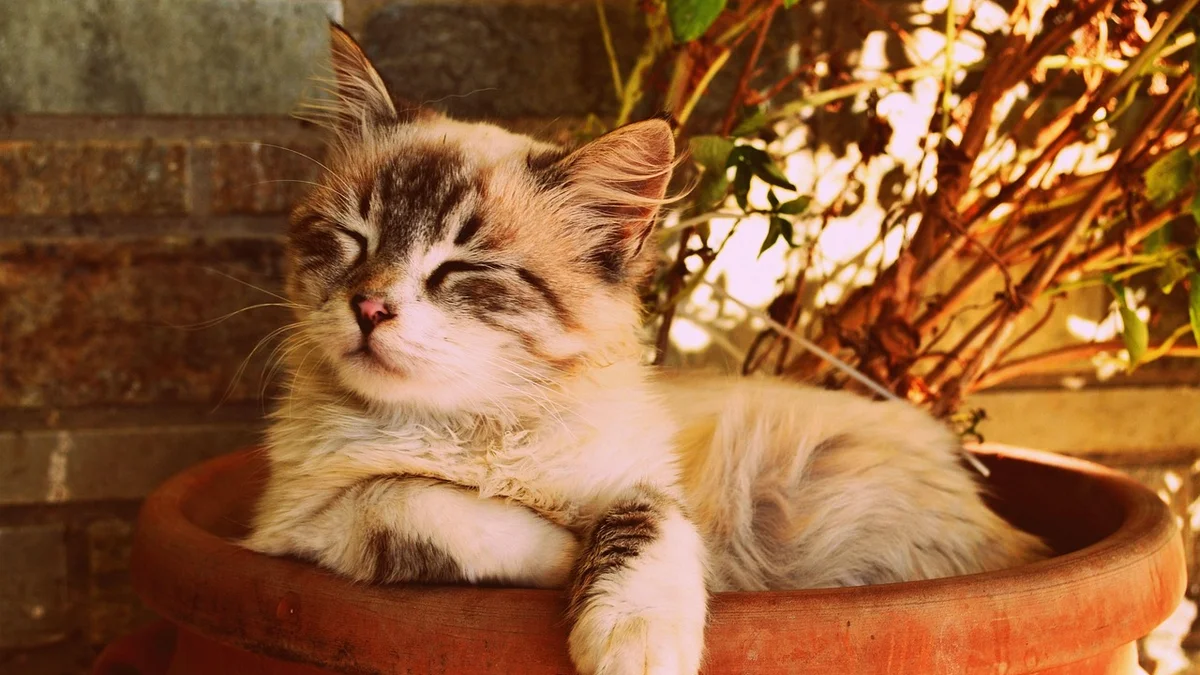
Many cat owners — expats and locals alike — feed their cats on instinct: "just top up the bowl when it looks empty." It works, until it doesn't. Adult cats (ages 1–7) need a surprisingly specific nutritional balance: adequate animal protein, controlled carbohydrates, and the right water intake. Get those wrong and you're on a fast track to obesity, kidney stones, and a string of preventable health problems — especially in Vietnam's hot, humid climate.
This guide draws on over 15 years of hands-on experience at Mật Pet Family, where our team has cared for tens of thousands of cats across Ho Chi Minh City and beyond. Whether you adopted a kitten last year or just arrived in Vietnam with your cat in tow, here's what you actually need to know.
How much should an adult cat eat, and how many meals a day?
A healthy adult cat weighing 3–5 kg needs roughly 200–280 kcal per day, split across 2–3 meals. For dry food, a working reference is 50–80 g per day, varying by brand and your cat's activity level. Spacing breakfast and dinner 10–12 hours apart gives the digestive system a natural rhythm.
A simple daily calorie formula:
- Indoor/sedentary cats (especially spayed or neutered): body weight (kg) × 50–55 kcal
- Moderately active cats: body weight (kg) × 60–70 kcal
- Pregnant or nursing cats: increase by 50–100% above baseline
One detail that trips up many owners: feeding labels list portions based on ideal body weight, not actual weight. If your cat is already overweight, ask a vet to calculate an appropriate calorie target rather than adjusting the label portions yourself.
A common habit in Vietnamese households — and among expats who pick it up — is free-feeding dry food: leaving a full bowl out all day. It's convenient, but it's one of the leading causes of feline obesity, particularly for low-activity cats living in apartments. Switching to scheduled, measured meals gives you far better control over how much your cat actually consumes.
Is wet food or dry food better for cats in Vietnam?
There's no single right answer — both have genuine advantages, and combining them is usually the smartest approach. Wet food delivers 70–80% moisture content, which directly supports kidney and urinary tract health. That matters especially in Vietnam's climate: HCMC averages 28–35°C, and cats living in air-conditioned apartments still tend to drink far less water than they should. Dry food is cheaper per calorie, easier to store, and better for dental health.
Quick comparison:
- Factor — Dry Food — Wet Food
- Moisture content — 5–12% — 70–80%
- Crude protein (as fed) — 28–40% — 8–12%
- Storage after opening — 4–6 weeks (airtight) — 24–48 hours (refrigerated)
- Price reference — 200,000–600,000 VND/kg (~8–24 USD) — 20,000–80,000 VND per 80–400g can (~0.80–3.20 USD)
- Best for — Healthy cats, main meal — Senior cats, cats with kidney issues, supplementary meals
A practical combination for cats in Vietnam: wet food in the morning (one portion), measured dry food in the evening. This balances daily moisture intake while keeping storage simple.
One warm-weather warning: once opened, wet food left at room temperature in a 33–38°C Vietnamese summer will spoil within 2–4 hours. If your cat doesn't finish their wet meal, discard the rest — don't leave it out for the next feeding.
What essential nutrients does an adult cat absolutely need?
Cats are obligate carnivores — their bodies cannot synthesize certain nutrients internally and must obtain them from food. A nutritionally complete adult cat diet must deliver sufficient animal protein (at least 26% dry matter), taurine, arachidonic acid, vitamin A in retinol form, and adequate water.
Non-negotiable nutrients:
- Animal protein: minimum 26–30% on a dry matter basis. Good sources: chicken, fish, beef, duck. Plant proteins (soy, corn) don't supply the full amino acid profile cats require.
- Taurine: cats cannot synthesize this themselves. Taurine deficiency causes blindness and dilated cardiomyopathy (heart failure). Always check that it's listed on your cat food's label.
- Arachidonic acid: an essential fatty acid found only in animal fat. Unlike humans, cats cannot convert plant-based omega-6 into arachidonic acid.
- Vitamin A (retinol): cats cannot convert beta-carotene from vegetables into usable vitamin A. They need preformed retinol from liver, fish, or fortified food.
- Water: cats have a naturally low thirst drive — an evolutionary trait from desert ancestors. Place 2–3 water bowls in different spots around your apartment, or invest in an automatic water fountain. Cats are significantly more likely to drink from moving water.
Foods that should never appear in a cat's diet:
- Onions, garlic, grapes, raisins — highly toxic
- Cow's milk — most adult cats are lactose intolerant
- Small bones or cooked poultry bones — choking and intestinal perforation risk
- Salt and seasonings — cat kidneys cannot process high sodium loads
- Seasoned human food (braised fish in salt sauce, marinated meats) — a particularly common issue in Vietnam where table scraps are shared freely
How do I choose the right commercial cat food in Vietnam?
Reading the ingredient label is the single most valuable skill you can develop as a cat owner. Ingredients are listed in descending order by weight — the first ingredient must be a named animal protein ("chicken," "salmon") not "cereal flour" or "corn." Avoid foods containing BHA, BHT, or ethoxyquin as artificial preservatives.
Brands commonly available in HCMC and major Vietnamese cities:
- Royal Canin: breed-specific lines (Persian, Maine Coon, etc.) and need-based lines (Indoor, Urinary Care). Price: 300,000–900,000 VND per 2–4 kg bag (~12–36 USD).
- Hill's Science Diet: medically focused nutrition, frequently vet-recommended. Price: 350,000–1,000,000 VND per bag (~14–40 USD).
- Purina Pro Plan: strong balance of quality and price, high protein content. Price: 280,000–750,000 VND per bag (~11–30 USD).
- Orijen / Acana: very high protein (38–40%), grain-free, suited to healthy cats with no special dietary needs. Price: 500,000–1,500,000 VND per bag (~20–60 USD).
All of these are available through reputable pet shops and online retailers in HCMC and Hanoi. If you're unsure what's authentic versus counterfeit, purchasing through an established retailer like Mật Pet Family is the safest route — a particular concern in Vietnam's e-commerce landscape.
When switching foods, always transition gradually over 7–10 days: days 1–3 at 25% new food, days 4–6 at 50%, days 7–10 at 75%, then fully switch. An abrupt change almost always triggers diarrhea or food refusal.
After more than a decade of advising cat owners at Mật Pet, the single most common mistake we see isn't buying the wrong brand — it's buying based on price or advertising rather than the cat's actual needs. Owners of indoor neutered males frequently skip "Urinary" or "Neutered" formula lines even when their cat is showing early signs that warrant them. The price difference is small; the cost of a urinary blockage treatment (which can run 3–8 million VND, roughly 120–320 USD) is not.
How does Vietnam's heat and humidity affect my cat's nutritional needs?
Vietnam's hot, humid climate — particularly in HCMC and the south, where dry-season temperatures routinely hit 30–38°C — directly affects how much your cat eats and drinks. Cats living in tropical heat need 20–30% more water intake than standard recommendations, and may eat 10–15% less during the hottest days. This is a normal physiological response, not illness.
Practical adjustments for the hot season:
- Increase the proportion of wet food in the daily diet, especially at midday
- Set out at least one water bowl per cat, plus a backup bowl in another room
- Use ceramic or stainless steel bowls — plastic accumulates bacteria faster in warm conditions
- Refresh water at least twice daily; don't let water sit more than 8 hours in summer heat
- Keep water and food bowls in separate locations — cats instinctively avoid water sources near prey (a wildcat behavior that persists in domestic cats), so a bowl placed right next to the food dish is often underused
Signs of dehydration to watch for: skin that takes more than 2 seconds to return after gently pinching the scruff of the neck, dark yellow urine, or unusual lethargy. If you notice any of these, see a vet promptly — acute dehydration can become dangerous within 24–48 hours.
For expats living in apartments with central air conditioning running most of the day: note that cold, dry AC air can actually reduce your cat's urge to drink as much as heat does. Year-round attention to hydration — not just in summer — is the right call.
What are the most common cat nutrition mistakes expat owners make in Vietnam?
The three most frequent errors are: sharing human food with cats (seasoned rice, salted braised fish, spiced meats), uncontrolled free-feeding of dry food leading to obesity, and chronically under-providing water. Additionally, many owners — expats included — give their cats cow's milk as a treat, not realizing that most adult cats lack the enzyme to digest lactose.
Common mistakes and their consequences:
- Mistake — Likely Consequence
- Feeding plain white rice as a staple — Excess carbohydrates, weight gain, elevated diabetes risk
- Sharing salted or spiced human food — Kidney overload, sodium toxicity, urinary stones
- Uncontrolled dry food free-feeding — Obesity — cats reaching 7–8 kg instead of a healthy 3–5 kg
- Feeding only raw or cooked fish — Taurine deficiency, mineral imbalances, vitamin deficiencies
- Giving cow's milk — Diarrhea, abdominal discomfort
- Switching foods abruptly — Diarrhea, food refusal, digestive upset
- Insufficient water access — Kidney stones, urinary tract infections
One risk that deserves special attention: neutered male cats have a significantly elevated risk of struvite urinary crystals and blockages. If you have a neutered male, ask your vet about transitioning to a "Urinary" or "Neutered" formula line. The price premium over standard formulas is modest; the cost of treating a urinary blockage — which can range from 3–8 million VND (roughly 120–320 USD) per incident — is not.
How much does feeding an adult cat cost per month in Vietnam?
For a single adult cat weighing 3–5 kg, monthly food costs in Vietnam typically run 300,000–1,200,000 VND (roughly 12–48 USD), depending on brand tier and wet/dry food ratio. That range is wide, but investing in the right diet pays dividends in reduced vet bills over time.
Cost breakdown by tier:
- Budget (Whiskas, Friskies): 300,000–500,000 VND/month (~12–20 USD). Acceptable protein levels but typically higher in carbohydrates and artificial preservatives.
- Mid-range (Royal Canin Indoor, Purina Pro Plan): 500,000–800,000 VND/month (~20–32 USD). Good nutritional balance for most healthy adult cats; the tier we'd recommend as a starting point.
- Premium (Orijen, Hill's Prescription diets): 900,000–1,500,000 VND/month (~36–60 USD). Best suited to cats with specific health needs or owners prioritizing long-term nutritional optimization.
Budget an additional 50,000–150,000 VND/month (~2–6 USD) for functional treats — dental chews or moisture-boosting pâté pouches — if your cat needs them.
A note for expats: if you're accustomed to buying premium cat food back home and plan to continue, most major international brands (Royal Canin, Hill's, Purina Pro Plan, Orijen) are readily available in HCMC and Hanoi through dedicated pet shops or online platforms. Prices are broadly comparable to Southeast Asian markets — often cheaper than the US or Europe. Niche brands may require online ordering with delivery times of a few days.
For personalized feeding advice based on your cat's breed, age, and health status, the team at Mật Pet Family is available for consultation. You can also explore our pet health warranty policy — the first written health warranty offered by any pet shop in Vietnam — and visit our showroom locations in HCMC.
Finding English-Speaking Vets and Cat Nutrition Support in Vietnam
For expats, navigating veterinary care in a new country adds a layer of complexity. When it comes to cat nutrition concerns — suspected kidney issues, urinary problems, unexplained weight changes — getting a vet consultation in English makes a real difference.
In HCMC and Hanoi, there are several international veterinary clinics with English-speaking staff. The most reliable way to find current recommendations is through active expat communities: the Expats in Ho Chi Minh City Facebook group and InterNations Vietnam chapter are good starting points. Mật Pet Family's team (hotline: 0939 863 696) can also point you toward trusted veterinary partners who are comfortable working with English-speaking clients.
If you're living in a high-rise apartment — the most common setup for expats in HCMC and Hanoi — remember that indoor apartment cats tend to be less active and more prone to the nutrition-related issues described in this guide: obesity, urinary crystals, and chronic under-hydration. The indoor/sedentary calorie formula and wet-food-forward feeding approach described above is particularly relevant to your situation.
Frequently Asked Questions: Adult Cat Nutrition in Vietnam
Do adult cats need different food from kittens?
Yes, significantly. Kitten food is calorie-dense, higher in protein and fat to support rapid growth. Feeding kitten food to an adult cat long-term frequently causes obesity and mineral imbalances. From 12 months of age, switch to food clearly labeled "Adult" or "1+ years."
My cat has suddenly stopped eating — is it the food?
Possibly, but not necessarily. A cat refusing food for more than 24 hours warrants attention. Causes range from disliking a new food or a change in environment all the way to internal organ disease. If the loss of appetite is accompanied by vomiting, lethargy, or noticeable weight loss, see a vet immediately rather than waiting it out.
Does my cat need vitamin supplements if I'm feeding premium commercial food?
Generally no. High-quality commercial cat food is formulated to be nutritionally complete. Adding supplements without veterinary guidance can actually cause harm — vitamins A and D in particular accumulate in fat tissue and can reach toxic levels. Only supplement when a vet has identified a specific deficiency and recommended it.
My cat barely drinks water — what can I do?
Try three things: (1) move the water bowl to a different location away from the food bowl, (2) switch to an automatic water fountain — cats are strongly attracted to moving water, and (3) increase the proportion of wet food in your cat's daily diet. If you've tried all three and your cat still drinks very little while showing abnormal urine (very dark, very small amounts, or signs of straining), get a kidney and urinary check done with your vet.
Is it okay to feed my cat fish every day in Vietnam, where fresh fish is everywhere?
Fish is a good protein source, but it shouldn't be the only food your cat eats. Feeding raw fish continuously can cause vitamin B1 (thiamine) deficiency, because enzymes in raw fish destroy thiamine. Saltwater fish are also high in sodium, which stresses cat kidneys over time. Use commercial food with fish as a primary ingredient rather than home-cooking fresh fish daily.
My cat is overweight — should I just cut the portions right away?
No — don't cut food abruptly. Cats that are suddenly underfed, especially if they're significantly overweight, are at serious risk of hepatic lipidosis (fatty liver disease), which can be life-threatening. Cat weight loss needs to be gradual and supervised by a vet, typically targeting a 1–2% reduction in body weight per week over 3–6 months.
The right diet is the single highest-leverage thing you can do for your cat's long-term health, energy, and quality of life. If you're unsure which food suits your cat's breed, age, or current health condition — or if you're newly arrived in Vietnam and navigating an unfamiliar pet food market — the Mật Pet Family team is happy to help.
Get in touch: Hotline `0939 863 696` (English support available) | Mật Pet Family Showroom | Pet Health Warranty Policy | Browse our cat catalog
Related articles
How to Switch Your Dog or Cat to New Food in Vietnam — Safe 7–14 Day Plan to Avoid Digestive Upset
Pet Care During Tết in Vietnam — Keeping Your Dog or Cat Safe, Calm, and Healthy Through the Holiday
Toilet Training Your Dog or Cat in Vietnam — Step-by-Step Housebreaking, Accident Management, and Building Lasting Habits
Interested in pets from Mật Pet?
15 years of trust · 10,000+ pets delivered to Vietnamese families · Free 30-day health warranty · Nationwide delivery.