
Kitten Nutrition From Weaning to 12 Months — Portions, Food Types & Feeding Schedule in Vietnam
How do I feed a kitten properly after weaning in Vietnam's heat? Mật Pet Family guides portions, food types & feeding schedules from 2–12 months for expats.
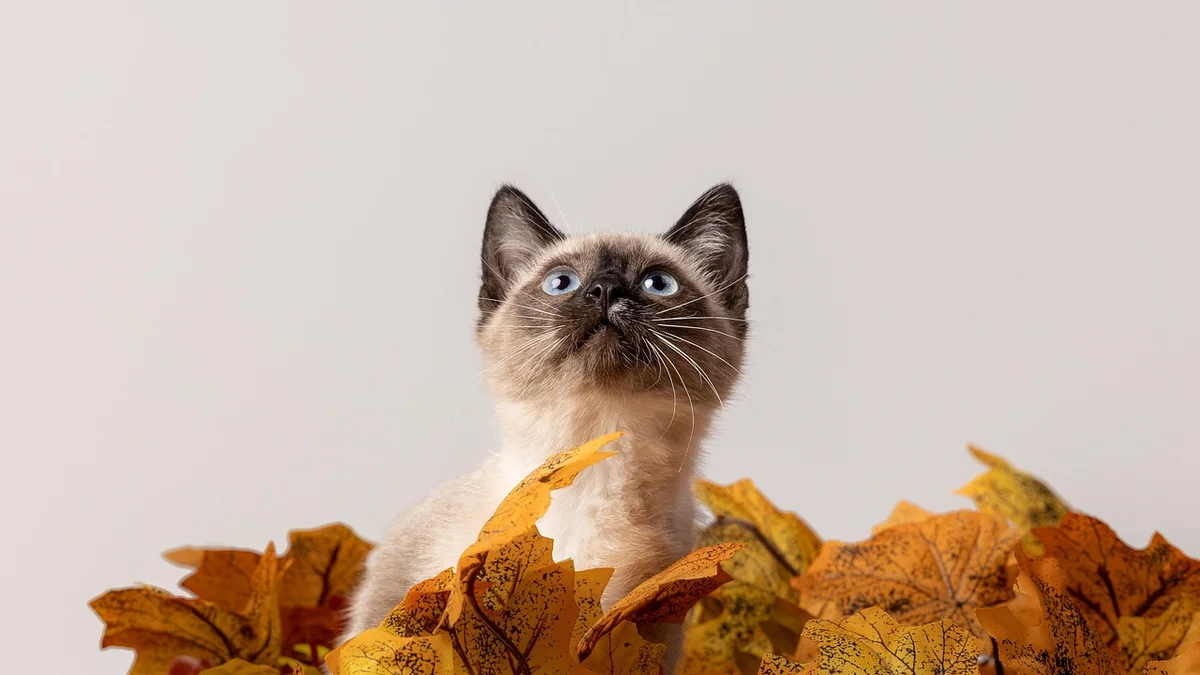
During their first 12 months, kittens need 2–3 times the calories of an adult cat of the same weight — this is the critical window for building lifelong health foundations. In Vietnam, with year-round hot, humid weather and a diverse marketplace of pet foods, creating the right nutrition plan for your kitten isn't difficult, but it does require consistency and understanding the key developmental milestones.
What Should a Kitten Eat After Weaning at 8–10 Weeks?
Once weaned from mother's milk around 8–10 weeks of age, kittens need to transition gradually to solid food with at least 30–35% protein (on a dry matter basis), prioritizing wet pâté or softened dry kibble. This transition period is critical — their digestive system isn't ready for hard food yet, so it needs to happen slowly over 10–14 days.
When your kitten comes home at 8–10 weeks, the digestive tract is still sensitive. Here's the safest transition:
- Days 1–3: 75% kitten-specific wet food (pâté) + 25% dry kibble softened with warm water.
- Days 4–7: 50% pâté + 50% softened kibble.
- Days 8–14: Gradually increase dry kibble as your kitten's chewing ability improves.
Popular kitten food brands available in Vietnam in the 150,000–400,000 VNĐ/kg range include Royal Canin Kitten, Hills Science Diet Kitten, and Purina Pro Plan Kitten. Quality wet pâtés typically cost 25,000–60,000 VNĐ per 85g pouch — always choose varieties labeled "for kittens" or "all life stages," not adult formulas, as those lack the extra calories and taurine growing kittens need.
Never give your kitten cow's milk — cats lack the enzyme lactase to digest lactose, and it causes diarrhea immediately. If supplemental milk is needed, use cat-specific milk or kitten milk replacer formula.
What's the Right Feeding Schedule for Kittens From 2 to 12 Months?
Kittens aged 2–6 months need four meals daily because their stomach is still small and can only hold small portions. From 6–12 months, you can reduce to three meals per day. As a general guide, aim for 30–50g of dry kibble daily depending on weight and brand, but always follow the product label and adjust based on your kitten's actual body condition.
Here's a practical feeding timeline:
- Age — Meals Per Day — Dry Kibble Per Day — Notes
- 8–12 weeks — 4 — 20–30g — Mix with wet food
- 3–6 months — 4 — 30–45g — Increase gradually with weight
- 6–9 months — 3 — 40–55g — Monitor body shape
- 9–12 months — 3 — 45–60g — Prepare for transition to adult food
Important: these numbers are estimates — real needs vary significantly by breed. A 3-month-old Persian kitten will eat differently than a Maine Coon of the same age. If you notice rapid weight gain or can't feel your kitten's ribs easily, consult a vet to adjust portions.
In Vietnam, particularly in Ho Chi Minh City where temperatures stay between 28–35°C, kittens drink more water during hot months. Place at least two water bowls in different locations and refresh water twice daily. If your kitten resists drinking plain water, adding wet food to meals helps provide natural hydration.
Which Nutrients Matter Most for Kittens in Their First Year?
During the first 12 months, kittens need high-quality animal protein (chicken, fish, beef), adequate taurine (an amino acid cats can't produce themselves — deficiency causes blindness and heart disease), DHA for brain development, and calcium-to-phosphorus ratio of 1.2:1 for proper bone growth. These are precisely what kitten-specific formulas are designed to deliver.
Here's what matters most:
- Protein: minimum 30% (dry matter basis). Cats are obligate carnivores — they can't digest plant protein efficiently. Check the label: the first ingredient must be a specific meat or fish, never "by-products" or grains.
- Taurine: an essential amino acid cats can't synthesize. This is why you can't feed kittens a homemade diet without veterinary nutritionist guidance — it's too easy to miss critical amino acids.
- DHA (omega-3): supports brain and eye development in the first six months. Look for products labeled "enriched with DHA" or containing fish oil.
- Calcium & Phosphorus: ideal ratio of 1.2–1.4:1 ensures bones and teeth develop properly.
- Vitamins E & C: support the still-developing immune system.
A common mistake in Vietnam: feeding kittens live or fresh raw fish regularly. Raw fish contains thiaminase, an enzyme that destroys vitamin B1 and causes neurological problems. Saltwater fish is also high in sodium and mercury — not ideal for developing kidneys. If you offer fish as a treat, choose cooked salmon or tuna (no salt, no oil), maximum 2–3 times per week.
Is Wet Pâté or Dry Kibble Better for Kittens in Vietnam's Climate?
Both wet pâté and dry kibble play important roles — the ideal approach combines both. Wet food provides 70–80% moisture, which supports kidney function better in Vietnam's hot, humid climate. Dry kibble helps clean plaque off teeth and is more convenient for daytime feeding.
Here's a practical comparison:
- Factor — Wet Pâté — Dry Kibble
- Moisture — 70–80% (excellent for kidneys) — 8–12% (requires separate water intake)
- Palatability — Usually higher appeal — Lower for picky eaters
- Monthly cost — 600,000–1,500,000 VNĐ — 300,000–900,000 VNĐ
- Convenience — Must use within 30 minutes — Can sit out all day
- Dental health — No mechanical benefit — Slight plaque reduction
In southern Vietnam's heat (28–35°C year-round), many veterinarians recommend a mixed diet of roughly 60% wet food + 40% dry kibble for growing kittens — this balances hydration support with practicality.
Critical timing tip: wet food left out longer than 30 minutes in hot weather spoils and attracts flies. Set a timer after each meal and remove the bowl — this simple habit prevents many digestive problems that owners otherwise can't explain.
When Should I Switch My Kitten to Adult Cat Food?
Switch to adult cat food at 12 months for most smaller and medium breeds (British Shorthair, Scottish Fold, Munchkin). For larger breeds like Maine Coons or Ragdolls, maintain kitten food until 18 months — their bones and muscles are still developing. Switching too early risks nutritional deficiencies during critical growth windows.
Here's the safe transition process over 10–14 days:
- Days 1–4: 75% kitten food + 25% new adult food.
- Days 5–8: 50% + 50%.
- Days 9–11: 25% kitten + 75% adult.
- Days 12–14: 100% adult food.
If you notice loose stools, vomiting, or loss of appetite during the switch, revert to the previous ratio for 2–3 days and try again more slowly. This is normal digestive sensitivity — not illness — unless it persists beyond 48 hours, which warrants a vet call.
At the 12-month mark, if your kitten has already been spayed or neutered (recommended from 5–6 months), consider switching to a sterilized or weight-management formula instead of standard adult food — these are calorie-adjusted to prevent post-surgery obesity.
Which Foods and Ingredients Are Absolutely Toxic to Kittens?
Kittens have different metabolism than humans and are more vulnerable than adult cats to many common foods. Toxins include: onions and garlic (destroy red blood cells), chocolate and coffee (methylxanthines cause seizures), grapes and raisins (can cause acute kidney failure), macadamia nuts, avocado, and alcohol. Even small amounts can cause serious poisoning in kittens under 6 months.
Here's what to strictly avoid:
- Onion, garlic, chives, leeks: any amount, cooked or raw — destroys red blood cells and causes hemolytic anemia.
- Chocolate, coffee, tea: contains theobromine and caffeine — causes rapid heartbeat, tremors, seizures.
- Grapes and raisins: mechanism unclear, but multiple cases of acute kidney failure documented.
- Cow's milk and dairy: causes diarrhea due to lactose intolerance.
- Raw liver and raw meat: risk of Salmonella and Toxoplasma infection — especially dangerous for unvaccinated kittens under 4 months.
- Small bones, cooked bones: can splinter and perforate the digestive tract.
- High-sodium, spicy human food: young kidneys can't process excess salt.
A practical note for expat households in Vietnam: many families share their rice and food with kittens. Plain rice is harmless but has no nutritional value for cats and displaces essential protein. If you want to offer a treat, give a small piece of plain boiled chicken (no salt) instead.
How Much Will Kitten Nutrition Cost Me Over 12 Months in Vietnam?
Monthly kitten nutrition costs typically range from 500,000 to 2,000,000 VNĐ depending on the food tier and breed. This estimate excludes supplements, treats, or routine veterinary visits. This is a smart upfront investment — solid nutrition in year one significantly reduces veterinary costs later.
Breakdown by food tier:
- Basic tier (80,000–150,000 VNĐ/kg kibble): ~500,000–700,000 VNĐ/month. Adequate nutrition if you verify ingredients carefully — prioritize animal protein at the top of the list.
- Mid-range tier (150,000–300,000 VNĐ/kg): ~700,000–1,200,000 VNĐ/month. Balanced quality and value — suits most Vietnamese households.
- Premium tier (300,000–500,000+ VNĐ/kg): ~1,200,000–2,000,000 VNĐ/month. Advanced formulas, minimal fillers, ideal for sensitive digestion or purebred kittens.
Supplemental costs to consider:
- Nutritional paste/treats: 50,000–120,000 VNĐ per tube (used for training rewards or vitamin top-ups).
- Probiotics: 100,000–300,000 VNĐ/month if your kitten has digestive issues.
From 15 years caring for thousands of pets at Mật Pet Family, we've noticed a pattern: families who cut nutrition costs in year one often face higher vet bills later — kidney problems, weak immunity, and digestive issues are common. Investing properly upfront is genuinely more economical over your cat's lifetime.
With Mật Pet Family's exclusive health warranty policy (the only one of its kind in Vietnam), every kitten that leaves our showroom gets individualized nutrition guidance tailored to breed and age from day one.
Common Questions About Kitten Nutrition
At what age should I wean my kitten and start solid food?
Kittens naturally wean around 8–10 weeks of age. You can introduce soft pâté mixed with kitten milk replacer from 4–5 weeks onward, but mother's milk remains the primary nutrition through week 8. Bringing a kitten home before 8 weeks isn't ideal for either digestive health or immune system development.
Is free-feeding (leaving kibble out all day) okay for kittens?
Free-feeding is acceptable with dry kibble for kittens under 6 months, as they rarely overeat at that age. After 6 months — especially post-spay/neuter — switch to scheduled meals (three times daily) to control calorie intake and prevent obesity. Never free-feed wet pâté; it spoils within 30 minutes in Vietnam's heat.
How much water does a kitten need daily?
Kittens need roughly 50–60ml of water per kilogram of body weight daily. A 1kg kitten needs at least 50ml — about a quarter cup. If your kitten eats mostly wet food (70–80% moisture), they're getting adequate hydration from food. With primarily dry kibble, always offer at least two water bowls in different locations, refreshed twice daily. A cat water fountain is an excellent way to encourage drinking.
Is it normal for a kitten to skip eating for 1–2 days after coming home?
Yes, it's normal to skip 1–2 meals during the first days in a new environment — your kitten is adjusting to new smells, sounds, and people. Concern is warranted only if skipping food is paired with vomiting, diarrhea, cloudy eyes, rapid breathing, or if it continues beyond 48 hours without improvement. In those cases, contact a vet immediately.
Should I prepare homemade food for my kitten?
Homemade kitten diets require deep nutritional knowledge to ensure adequate taurine, calcium, DHA, and micronutrients — very difficult to balance correctly without a veterinary nutritionist's formula. Even small nutritional gaps over months can cause serious problems in growing kittens. If you prefer to cook for your kitten, work with a veterinary nutritionist to develop a proper recipe rather than guessing.
How can I tell if my kitten is getting enough nutrition?
Signs of adequate nutrition: vibrant coat color, easily felt ribs (but not protruding), slightly rounded belly, and normal energy levels. Signs of underfeeding include dull, thin coat; very visible ribcage; sunken belly; and excessive sleeping. Healthy kittens aged 2–6 months should gain 100–150g per week — weigh your kitten weekly to track progress.
Get Personalized Kitten Nutrition Advice
If you're raising a kitten in Vietnam and want guidance tailored to your cat's specific breed, age, and health, Mật Pet Family is here to help. With 15 years of experience and a health warranty that accompanies every kitten, we understand that each kitten is unique — there's no one-size-fits-all nutrition plan.
Contact Mật Pet Family for free, personalized nutrition consultation — no appointment needed. Visit our showroom in Ho Chi Minh City or call 0939 863 696 for English-language support.
Learn more about our exclusive lifetime health warranty — Vietnam's only written guarantee for your new kitten's wellbeing.
Related reading:
Related articles
Pet Care During Tết in Vietnam — Keeping Your Dog or Cat Safe, Calm, and Healthy Through the Holiday
Toilet Training Your Dog or Cat in Vietnam — Step-by-Step Housebreaking, Accident Management, and Building Lasting Habits
Nutrition for Spayed & Neutered Dogs and Cats in Vietnam — Portion Sizes, Food Types, and Post-Surgery Adjustments
Interested in pets from Mật Pet?
15 years of trust · 10,000+ pets delivered to Vietnamese families · Free 30-day health warranty · Nationwide delivery.