
Bengal Cats in Vietnam — Breed Profile, Temperament & Care Guide for Expats
Bengal cats weigh 4–8 kg with leopard-spotted coats and energetic personalities. Learn how to care for a Bengal in Vietnam's hot, humid climate with Mật Pet Family's 15-year guide.
What Makes Bengal Cats So Captivating — and Why They're Taking Over Vietnam
A Bengal cat catches your eye instantly: that wild-spotted or marbled coat looks like it belongs to an Asian leopard, yet the personality is pure affection — loyal, playful, and genuinely invested in being your friend. In Vietnam, Bengal ownership has surged since around 2015, and they've quickly climbed to the top-five most-requested breeds at premium pet shops. Prices range from 8–50 million VND (roughly 320–2,000 USD) depending on lineage and certifications.
If your family is considering bringing a Bengal home, this guide will walk you through everything: physical traits, temperament, real costs in Vietnam, and the specific care needs for thriving in HCMC or Hanoi's heat and humidity.
What Exactly Is a Bengal Cat, and Why Are Expats in Vietnam So Drawn to Them?
Bengal cats are a deliberately bred hybrid created by crossing domestic cats (Felis catus) with Asian Leopard Cats (Prionailurus bengalensis) — a small, wild feline native to Asian rainforests. The result: that mesmerizing spotted or marbled coat combined with high intelligence, energy, and genuine adaptability to tropical climates.
The Bengal breed earned official recognition from TICA (The International Cat Association) in 1986. Modern Bengals are now four or more generations removed from their wild ancestors (F4 and beyond), meaning they've shed most feral instincts and become genuinely friendly, sociable companions — not the unpredictable wildcats some people imagine.
Why Bengals resonate with Vietnamese and expat families:
- Short coat, minimal shedding — easy to maintain in apartments or townhouses
- Medium size (4–8 kg) — substantial enough to feel solid, not fragile
- Highly interactive — they crave play, conversation, and engagement (unlike aloof breeds)
- Heat tolerance — much better than long-haired breeds in Vietnam's 33–38°C summers
- Stunning aesthetics — that leopard-spotted or glitter-coated look is genuinely unique and photo-worthy
At Mật Pet Family, with 15 years of experience since 2011, we've seen Bengal popularity explode in the past five years. They're now one of our most-requested breeds for expats setting up homes in Saigon or Hanoi.
How Do I Recognize a Bengal Cat and Tell It Apart from Other Breeds?
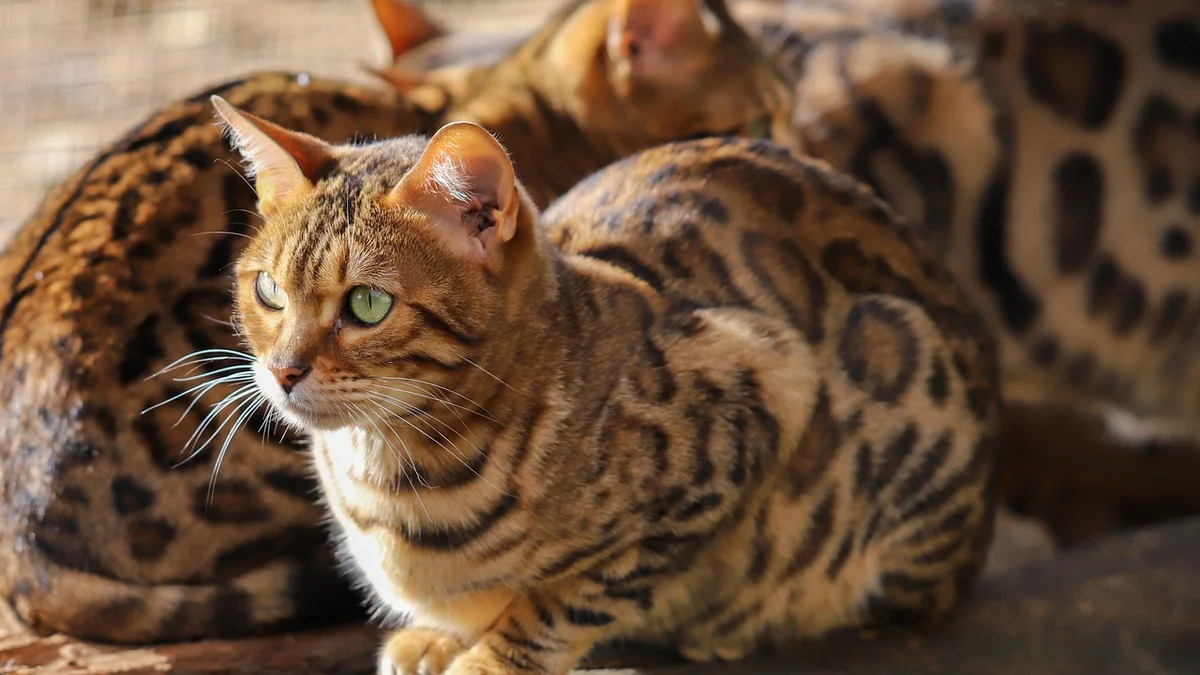
A mature Bengal weighs 4–8 kg (males typically 6–8 kg, females 4–6 kg), with a long, muscular frame and a head that's slightly small relative to the body — a wild-cat proportional quirk. The most obvious identifier is that spotted or marbled coat, often with a "glitter" effect: a shimmering sparkle in the fur that catches light and has no parallel in any other breed.
Physical hallmarks in detail:
- Coat: Short, plush, dense; two primary patterns are spotted (round or rosette-shaped markings like a leopard) and marbled (swirling, marble-like patterns). Ground colors include warm brown tabby, silver, and snow tones (seal lynx, seal mink, seal sepia).
- Eyes: Large, oval-shaped; colors range from yellow and green to blue (primarily in snow lineages) or amber.
- Nose: Broad, typically brick-red or warm rust.
- Tail: Thick, rounded at the tip, medium length.
- Paws: Long, muscular — Bengals stand noticeably taller than average domestic cats.
- Glitter effect: This is Bengal's signature trait. Individual hairs have a transparent outer layer that refracts light, creating that luminous sparkle. Not every Bengal displays glitter equally, but it's a major pricing factor among breeders.
How to distinguish a real Bengal from mixed-breed or misidentified cats:
- Rosette spots display two distinct colors: a darker outline with a lighter center (not single-tone dots)
- Elongated frame with hind legs slightly taller than front legs — that feline-ballet posture
- Proportionally small, rounded-tip ears
- Spotted belly (most domestic breeds have plain-colored undersides)
- Defined cheekbone structure and slightly angular face
What's the Bengal Personality Really Like — Is It a Good Fit for Families in Vietnam?
Bengals are energetic, intelligent, and deeply bonded with their humans — perfect for active families with kids 5+ or owners who genuinely enjoy interactive play. However, they're not lap cats who tolerate 12-hour alone days. A Bengal stuck without sufficient stimulation will become destructive: scratching sofas, climbing refrigerators, or orchestrating bedroom chaos at 3 AM.
Key personality traits:
- Relentlessly playful: Bengals need 2–3 play sessions daily, 15–20 minutes each, to burn off that intense energy. Without outlets, they'll invent destructive ones.
- Highly intelligent: They learn tricks faster than most cats, solve puzzle feeders, and can be taught to walk on a harness or fetch. Some have been known to open cupboards or turn on water faucets.
- Water-loving: Unlike typical cats, many Bengals actually enjoy water — a trait inherited from their Asian Leopard Cat ancestors. Some will step into your bath or dip paws in a fish tank. It's endearing but requires safe water management.
- Vocal and expressive: Bengals "talk" far more than most breeds. They chirp, meow, and trill to request play, food, or simply attention. It's not aggressive — it's communicative.
- Selective bonding: Bengals often pick one or two favorite humans and are less immediately trusting of strangers, but they're not unfriendly — just choosy.
Bengals thrive when: your household includes kids who'll engage in active play, you have a decent-sized apartment (ideally 40–50+ square meters), and you can dedicate 30–45 minutes daily to interaction.
Bengals struggle when: you work 12–14 hours daily with no enrichment waiting at home, or you prefer a quiet, independent cat that asks little of you.
How Do I Care for a Bengal in Vietnam's Hot, Humid Climate?
Bengals handle Vietnam's tropical heat far better than long-haired breeds, thanks to short coats and genetics from equatorial environments. That said, sustained temperatures above 38°C are risky. The ideal indoor climate is 26–30°C — achievable with air-conditioning or strong ceiling fans.
Practical care considerations for HCMC, Hanoi, Da Nang:
- Temperature management: Avoid prolonged exposure above 38°C. Heat stress signs include rapid breathing, lethargy, trembling paws — move your cat to a cool room immediately and contact a vet. Provide a shaded, cool sleeping area away from direct sunlight.
- Humidity and hygiene: Vietnam's monsoon months (75–90% humidity) create ideal conditions for fungal infections and parasites. Clean the litter box at least once daily, bathe your Bengal every 2–3 weeks with a specialized cat shampoo, and inspect ears weekly for mold or mites.
- Vertical space: Bengals are climbers. Install a cat tree at least 1.2–1.5 meters tall so they can perch high, survey territory, and exercise their climbing instinct. Many apartment-living expats overlook this — it's essential for mental health.
- Window safety: Apartment dwellers (the majority in HCMC): install protective mesh on balconies and windows. Bengals are curious and will investigate open windows. Mesh nets cost 800,000–2.5 million VND and are non-negotiable for anything above ground level.
- Natural light: Bengal coats glitter beautifully in morning sunlight — create a safe window perch where your cat can "sunbathe" for 15–20 minutes daily. This supports vitamin D synthesis and is genuinely enriching.
- Monsoon season (May–November in the South): Humidity peaks, so increase ear checks and watch for damp-related skin issues in skin folds (armpits, groin). Consider a dehumidifier for your cat's primary resting area.
What Should a Bengal Eat — and How Much?
Bengals are obligate carnivores with protein demands higher than average cats — aim for 35–45% animal protein. An adult Bengal (12+ months, 4–8 kg) needs roughly 60–80 kilocalories per kilogram of body weight daily, divided into two meals.
Practical feeding options available in Vietnam:
- Premium dry kibble: Brands like Orijen, Acana, and Royal Canin Fit 32 are widely available in HCMC at 300,000–800,000 VND/kg. Look for animal meat (chicken, salmon, duck) as the first ingredient — not meat meal or grain filler.
- Wet food or pâté: Brands like Hill's, Sheba, and Wellness are common and help increase water intake (Bengals are prone to urinary stones if dehydrated). Mix wet food with dry kibble or offer one wet meal daily.
- Raw diet (optional): Some expat owners in Vietnam practice raw feeding: roughly 80% muscle meat, 10% soft bone, 10% organ meat. It's popular in pet communities here but requires vet oversight to avoid nutritional imbalances. Discuss with your vet before switching.
- Typical portions: A 5 kg Bengal needs about 50–60 grams of dry kibble daily, or 150–180 grams of wet food daily. Adjust based on activity level and actual weight.
- Hydration: Aim for at least 200–250 ml of water daily. Bengals often drink inadequately, so invest in a water fountain (300,000–800,000 VND) — the moving water mimics natural streams and encourages drinking.
Avoid: onions, garlic, grapes, chocolate, cow's milk (most adult cats are lactose-intolerant), and cooked chicken bones (splinter hazard).
What Health Issues Should Bengal Owners in Vietnam Watch For?
Bengals are generally hardy and suffer fewer genetic disorders than many purebreds — thanks to their hybrid genetics. Average lifespan is 12–16 years. However, there are 4–5 conditions worth monitoring, especially in Vietnam's environment.
Key health concerns:
- HCM (Hypertrophic Cardiomyopathy): An inherited heart condition affecting multiple breeds, including Bengals. Schedule cardiac ultrasounds every 12–18 months, especially after age three. Signs: abnormal rapid breathing, reduced activity, appetite loss. Early detection is crucial.
- PRA (Progressive Retinal Atrophy): An inherited eye disease causing gradual blindness. Reputable breeders test their breeding stock for the PRA-b mutation. Ask prospective sellers for genetic test results before purchasing.
- Urinary stones: Common in indoor cats with low water intake, especially when fed dry kibble exclusively. Prevent by ensuring adequate hydration and including wet food in daily diet.
- Sensitive digestion: Some Bengals have delicate stomachs. Diarrhea or loose stools often result from sudden diet changes or low-quality food. Always transition new foods gradually over 7–10 days.
- Fungal and parasitic infections: Vietnam's humid climate (especially May–November) accelerates fungal growth and parasites. Weekly ear checks, regular grooming, and monthly deworming are essential.
When your Bengal shows any unusual symptoms — appetite loss, labored breathing, excessive itching, vomiting — see a vet promptly rather than treating at home. Every cat purchased from Mật Pet Family comes with a written health warranty — a commitment to your pet's well-being that's unique in Vietnam and reflects our 15 years of responsible breeding practices.
How Much Does Bengal Ownership Actually Cost in Vietnam?
Initial purchase price ranges from 8–50 million VND (320–2,000 USD), depending on genetics, certifications, and coat quality (glitter and rosette definition affect pricing). Monthly upkeep typically runs 1.5–3.5 million VND (60–140 USD) — manageable if you plan ahead.
Cost breakdown for Vietnam (2024–2025):
- Item — Estimated Cost
- Bengal kitten (pet quality) — 8–20 million VND (320–800 USD)
- Bengal kitten (show/breed quality, TICA certified) — 25–50 million VND (1,000–2,000 USD)
- Premium dry kibble or pâté (monthly) — 600,000–1.5 million VND (24–60 USD)
- Litter box supplies (monthly) — 200,000–400,000 VND (8–16 USD)
- Cat tree (one-time purchase) — 500,000–2 million VND (20–80 USD)
- Window safety mesh (one-time) — 800,000–2.5 million VND (32–100 USD)
- Annual vaccinations — 500,000–800,000 VND (20–32 USD)
- Deworming every 3 months — 100,000–200,000 VND (4–8 USD) per dose
- Annual vet checkup + cardiac ultrasound — 500,000–1.5 million VND (20–60 USD)
- Grooming/bathing per session — 150,000–400,000 VND (6–16 USD)
Important note: These are rough estimates for HCMC. Emergency or specialty vet care can cost 500,000 to several million VND. Set aside a 3–5 million VND (120–200 USD) annual emergency fund.
Investing in a Bengal from a reputable source with transparent health screening saves significantly on vet bills over the cat's lifetime — that's the real value of a properly bred, warrantied Bengal.
For Expats: English-Speaking Vets and Relocation Considerations
If you're relocating to Vietnam with a Bengal or planning to bring one home eventually, a few practical points:
Finding English-speaking vets: Most expat hubs (HCMC District 1, District 2, Hanoi's French Quarter) have clinics with English-speaking staff. Ask in local expat Facebook groups or check Internations Vietnam for recommendations. Mật Pet Family can also point you toward trusted clinics.
Importing a Bengal into Vietnam: If you're bringing your cat from abroad, expect quarantine (typically 10–30 days depending on country of origin and current regulations). Costs run 2–5 million VND. Contact the local Department of Agriculture for current import requirements — regulations change. A local vet can help navigate paperwork.
Exporting from Vietnam: If you're relocating elsewhere with your Bengal later, most countries require health certificates, microchipping, and vaccination records (especially rabies). Start documentation early. USDA/EU requirements are stricter; check your destination country's quarantine rules well in advance.
Frequently Asked Questions About Bengal Cats in Vietnam
Are Bengal cats aggressive or dangerous? Do they retain wild instincts?
No. Modern Bengals (F4 and beyond) are fully domesticated and lack genuine wild behavior. They're genuinely affectionate, though playful and energetic. Any "wildness" is actually just intelligence and curiosity — not aggression. Bengals integrate well with children and other pets if socialized young.
Can I keep a Bengal in an apartment?
Absolutely. Most Bengals in HCMC and Hanoi live in apartments. The keys are: secure window mesh, a tall cat tree, and daily interactive play (30–45 minutes). They don't need a yard; they need mental and physical stimulation.
When is a Bengal fully grown?
Bengals reach adult size around 12–18 months but continue filling out muscularly until about 2 years old, when they hit their final weight (males 6–8 kg, females 4–6 kg). Behaviorally, they remain kitten-like in energy and curiosity through age 3–4.
Do Bengal cats shed a lot?
No — their short, dense coat sheds far less than long-haired breeds. Brush 1–2 times weekly with a fine-toothed comb and you'll manage shedding easily. This is one reason they're so popular with apartment dwellers.
Where should I buy a Bengal cat in Vietnam to avoid scams or unhealthy cats?
Choose sellers with transparent credentials: breed certification (ideally TICA registration), complete vaccination and deworming records, and a written health guarantee. Avoid any seller who won't show you the parents, can't provide health documentation, or offers suspiciously low prices (under 5 million VND often signals mixed breeding or health risks). Mật Pet Family's showroom offers full transparency, health certification, and a written warranty — you can visit in person, meet the kittens, and understand exactly what you're getting.
What's a fair price for a Bengal to avoid scams?
Pet-quality Bengals in Vietnam reasonably cost 8–20 million VND (320–800 USD). Show or breeding-quality cats with TICA papers run 25–50 million VND (1,000–2,000 USD). Below 5 million VND usually indicates unreliable genetics or health. A fair price reflects proper breeding, health testing, and legitimate certification — not just a cute cat.
Bringing a Bengal Home — Mật Pet Family as Your Partner
A healthy Bengal, properly nurtured, becomes a 12–16 year companion bringing joy, unpredictability, and genuine affection to your family. That journey begins with choosing thoughtfully — not just picking a cat, but choosing the right match for your life and values.
Mật Pet Family has guided over 10,000 families in Vietnam through this decision since 2011. With a community of 8.7 million pet lovers, we understand that adopting a pet isn't a transaction — it's the start of a lifelong relationship. Our team will honestly assess whether a Bengal fits your lifestyle, space, and expectations before any commitment. We ask the hard questions so you don't regret them later.
Visit our showroom in Ho Chi Minh City to meet our current Bengals in person. You'll feel the energy, see the glitter in sunlight, and understand firsthand why this breed captivates so many families in Vietnam.
📞 For Bengal consultation in English: 0939 863 696
Explore our full cat catalog and care guides at matpet.vn — every kitten comes with transparent health records and our unique Vietnam health warranty.
Related articles
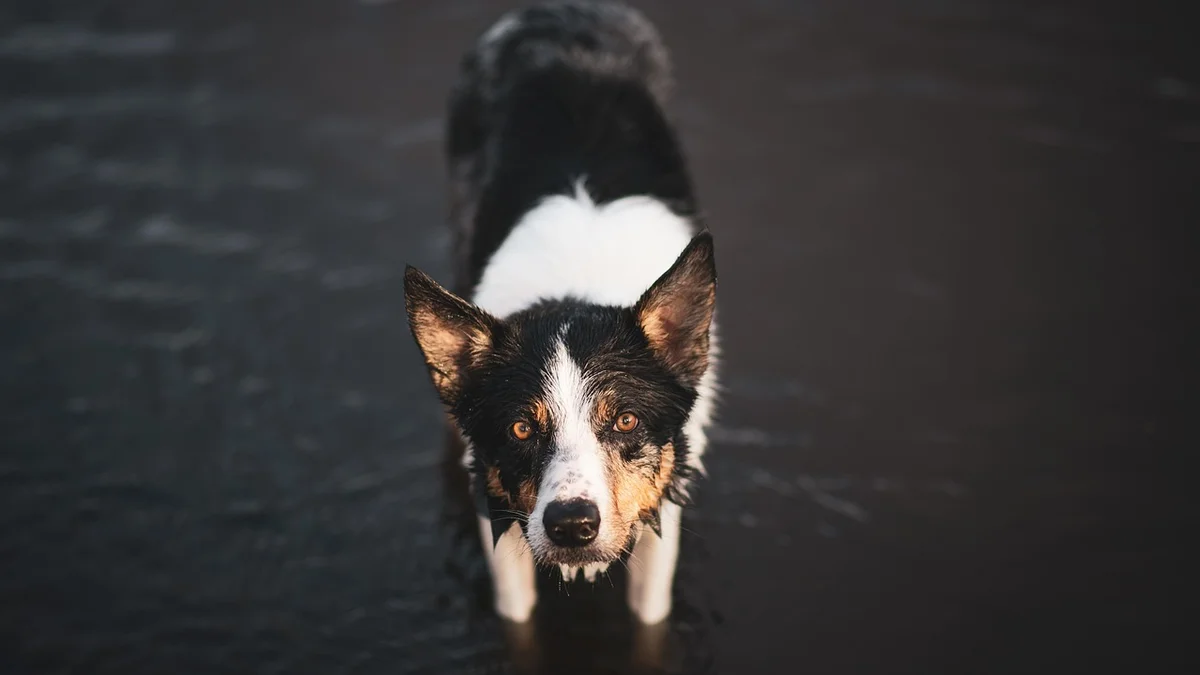
Border Collie Dogs in Vietnam — Breed Profile, Temperament, and Complete Care Guide for Expats
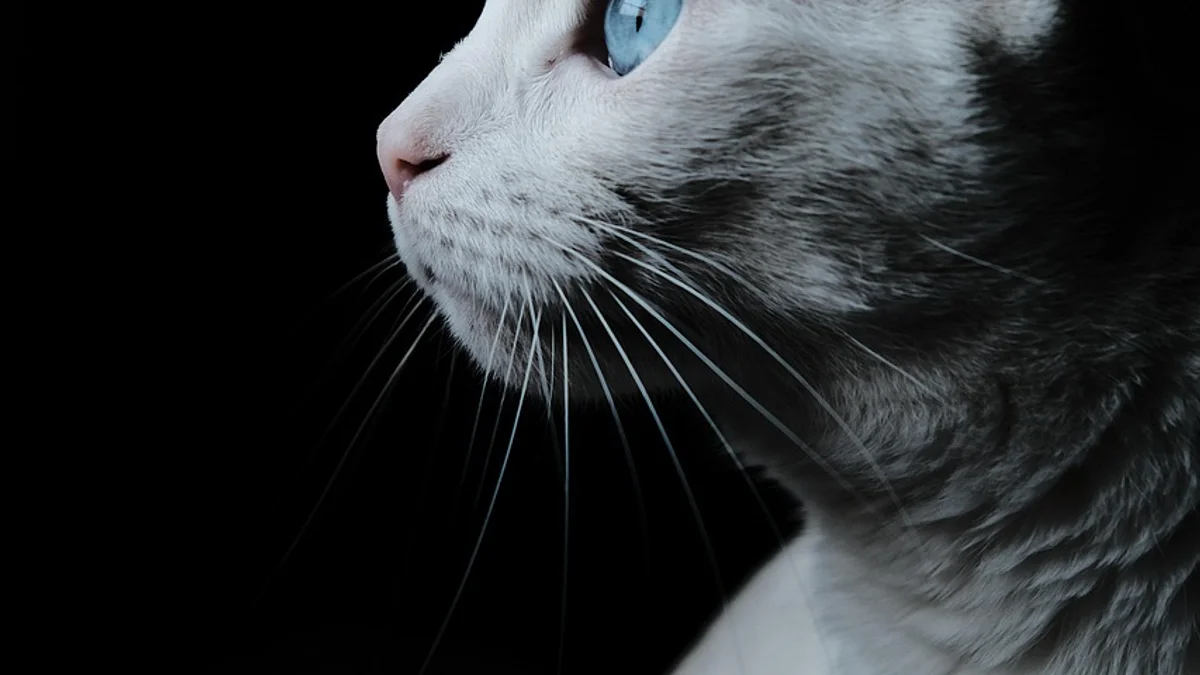
Siamese Cats in Vietnam — Breed Profile, Temperament, and Complete Care Guide for Expats
Pug Dogs in Vietnam — Breed Profile, Temperament & Care Guide for Expats
Interested in pets from Mật Pet?
15 years of trust · 10,000+ pets delivered to Vietnamese families · Free 30-day health warranty · Nationwide delivery.