
Siamese Cats in Vietnam — Breed Profile, Temperament, and Complete Care Guide for Expats
Siamese cats in Vietnam: breed traits, personality, diet, health concerns, and costs. Complete care guide for expats in HCMC, Hanoi & Da Nang — Mật Pet Family.
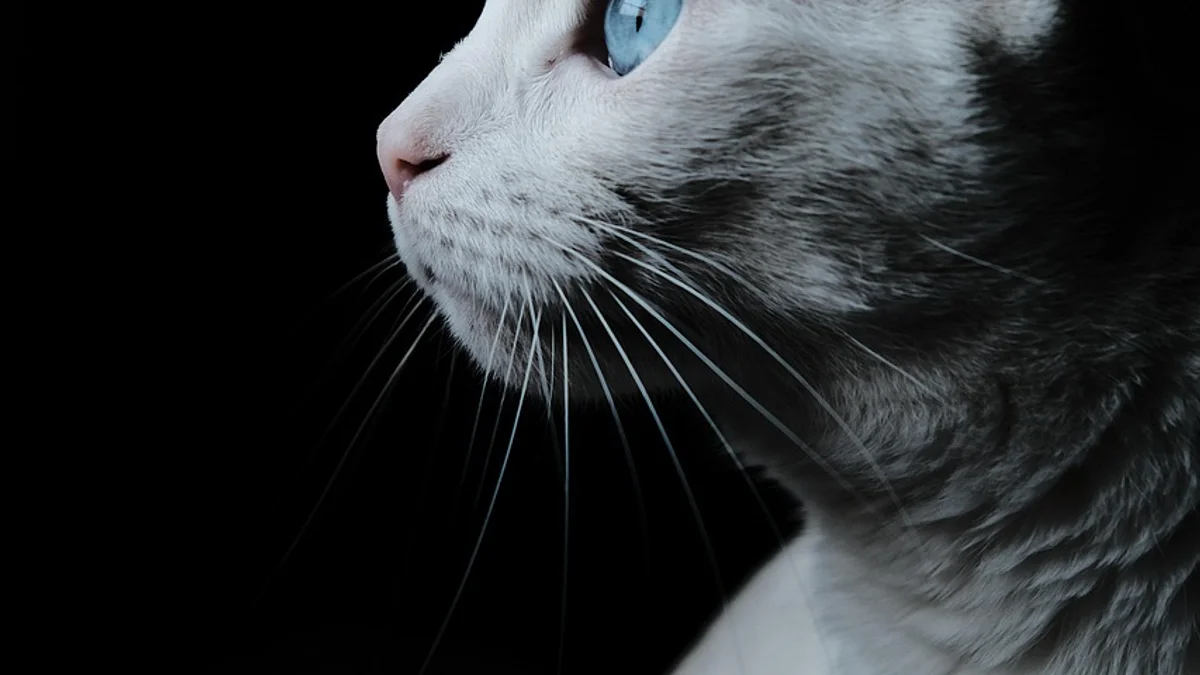
Siamese Cats in Vietnam — Breed Profile, Temperament, and Complete Care Guide for Expats
The Siamese cat — known locally as mèo Xiêm — is one of the world's oldest and most recognizable purebred cats. With their elegant bodies, striking blue eyes, and distinctively vocal personalities, Siamese have become increasingly popular with families and expats across Vietnam. Adult Siamese typically weigh 3.5–5.5 kg (7.7–12 lbs) and adapt better to hot, humid climates than most long-haired breeds — making them a surprisingly good choice for life in Ho Chi Minh City, Hanoi, or Da Nang.
In this guide, we'll walk you through what makes Siamese cats special, their care needs in Vietnam's tropical environment, common health concerns, and realistic costs — so you can decide if a Siamese is the right fit for your family.
What Is a Siamese Cat, and Why Are They Popular With Vietnamese Families and Expats?
The Siamese breed originated in Thailand (formerly Siam) and is instantly recognizable by its cream or beige short coat contrasted with darker "points" — darker coloring on the face, ears, paws, and tail. Siamese appear in Thai royal manuscripts dating back to the 14th century, making them one of the earliest formally documented cat breeds.
In Vietnam, Siamese have gained popularity for their low-maintenance grooming, affectionate temperament, and genuinely entertaining personalities.
Why Vietnamese families and expats choose Siamese:
- Short coat, minimal shedding: Unlike Persian or Maine Coon cats, Siamese don't require daily grooming — a huge practical advantage in busy households or apartments. One brushing per week is usually enough.
- Better heat tolerance than long-haired breeds: Their short, close-lying coat sheds heat more efficiently, making them one of the better-adapted purebred options for Vietnam's year-round heat (30–38°C in the south).
- Highly vocal and bonded personality: Siamese are famous for their loud, distinctive meow and tendency to follow their chosen person around like a shadow. They "talk" constantly and expect you to listen — which some families find endearing and others find demanding.
- Long lifespan: 12–18 years on average, sometimes into their 20s — a genuine long-term commitment and companion.
- Price point: In Vietnam, quality purebred Siamese range from 3–12 million VND (roughly $120–480 USD) depending on line (Traditional vs. Modern), pedigree, and breeder reputation.
For expats relocating to Vietnam or considering a pet during their assignment, Siamese's short coat and independent-yet-affectionate nature suit apartment living better than many other purebreds.
What Do Siamese Cats Look Like? Key Physical Traits
Siamese have a distinctly elegant silhouette that's hard to mistake for any other breed: slender body, fine bones, deep blue almond-shaped eyes, large pointed ears, and a long, tapered tail. Their defining feature is the "colorpoint" pattern — color appears only on cooler parts of the body (face mask, ears, legs, tail), while the main body stays cream or pale.
Physical identification standards:
- Weight: Males 4–6 kg (8.8–13.2 lbs), females 3–4.5 kg (6.6–9.9 lbs)
- Body length: 29–44 cm (11–17 inches) excluding tail
- Tail: Long, slender, tapers to a point
- Eyes: Deep blue (sapphire), almond-shaped, slightly slanted toward the nose
- Ears: Large, pointed, set high on the head — the easiest trait to spot at a distance
- Common colors in Vietnam: Seal point (dark brown-black), Blue point (slate grey), Chocolate point (milk chocolate), Lilac point (pale grey-lavender)
Two body type variations you'll encounter:
- Traditional / Applehead Siamese: Rounder head, sturdier build, closer to the original Thai ancestors — generally hardier with fewer respiratory issues.
- Modern / Wedgehead Siamese: Triangular face, extremely slender body — more dramatic appearance (common in international cat shows) but sometimes prone to breathing and dental problems.
Interestingly, Siamese eye color comes from a partial albino mutation — occasional red reflections in photos are normal, not a health issue.
Siamese Personality — Are They Right for Your Family in Vietnam?
Siamese are intensely social and communicative — they're not the quiet, independent cats that some people imagine. If your household values interaction and doesn't mind a vocal pet, Siamese can be wonderful. If you work long hours with no one home, a single Siamese will likely develop behavioral issues from loneliness.
Key personality traits:
- 🗣️ Extremely vocal: Siamese have a distinctive, loud, raspy meow — think "demanding opera singer rather than typical cat chirp." They'll "tell" you about their hunger, boredom, and opinions throughout the day. For apartment dwellers in Vietnam with thin walls, this can be a consideration.
- 🤝 Forms deep bonds with 1–2 people: Siamese typically choose their favorite family member and follow them everywhere. Once bonded, they're intensely loyal and needy.
- 🧠 Intelligent and trainable: They can learn simple commands (sit, come, high-five) better than most cats, especially if you use treats and praise as rewards.
- 🐾 High energy: Unlike cats that nap 16 hours a day, Siamese need toys, climbing structures, and mental engagement. They'll investigate every cupboard and knock things off counters if bored.
- 👶 Good with children and other pets if socialized early: Introduced correctly from a young age, Siamese can become lifelong playmates for kids or companions to another cat or dog.
Not ideal if: Your household is empty 10+ hours daily without another pet; you prefer a quiet, aloof cat; or you live in a noise-sensitive environment.
Caring for a Siamese in Vietnam's Heat and Humidity
Siamese are among the best-adapted purebreds for tropical climates. Their short coat facilitates heat dissipation naturally. That said, continuous temperatures above 34°C without air conditioning can cause heat stress, so home cooling is still recommended during peak months (April–May in the south).
Practical care adjustments for Vietnam:
- Air conditioning: No need to run 24/7 like you might for a Persian. However, ensure rooms don't exceed 34°C during midday (11 a.m.–2 p.m.). A comfortable range for Siamese is 26–28°C.
- Water intake: Siamese need 150–200 ml of water daily depending on weight. Place 2–3 water bowls throughout the home, or invest in a cat water fountain — moving water encourages drinking and helps prevent dehydration in heat.
- Bathing frequency: Once every 4–6 weeks under normal conditions is sufficient. During hot, humid months (April–June), every 3 weeks is reasonable if your cat goes on the balcony often.
- Flea and parasite prevention: Vietnam's warm, humid climate is ideal for fleas year-round. Monthly topical treatments (applied to the back of the neck) are essential — ask your vet for the right product for your cat's age and weight.
- Coat color variation with temperature: Fun fact — Siamese kept in very cool rooms may develop darker overall coloring over time; those in warmer environments stay lighter. This is normal physiology, not a problem.
With our 15 years of experience caring for 10,000+ pets at Mật Pet Family, we've found Siamese thrive in HCMC apartments with air conditioning 6–8 hours daily during summer months. They're genuinely one of the easier purebreds to manage in Vietnam's climate.
Diet and Feeding Schedule for Siamese Cats
Siamese have naturally lean builds and high metabolisms. A healthy adult needs 60–80 kcal per kg of body weight daily — roughly 55–80 g of quality dry food or 150–200 g of wet food per day.
Feeding schedule by age:
- Age — Meals per Day — Daily Amount (dry food)
- 2–4 months — 4 — 30–40 g
- 4–6 months — 3 — 45–55 g
- 6–12 months — 2–3 — 55–65 g
- 12+ months — 2 — 60–80 g
Nutritional principles:
- Animal protein first: The first ingredient on any food bag should be meat (chicken, fish, beef) — not grain or wheat flour. Cats are obligate carnivores.
- Wet + dry combination: Wet food or pâté supplies additional hydration, especially important in Vietnam's heat. A mix of both is ideal.
- Avoid: Onions, garlic, grapes, chocolate, cooked bones (splinter risk), and cow's milk (most adult cats are lactose intolerant).
- Healthy toppers available in Vietnam: Boiled chicken breast (no seasoning), steamed salmon (no salt), hard-boiled eggs — use 2–3 times weekly as supplements, not meal replacements.
- Ideal weight: Males 4–5 kg, females 3–4 kg. Weigh your cat monthly; sudden loss or gain signals a vet visit.
Common Health Issues in Siamese Cats
While generally a hardy breed, Siamese have some breed-specific health concerns that expat owners should be aware of. Early detection makes a huge difference in outcomes and costs.
Key health issues to monitor:
- Kidney amyloidosis (hereditary): Some Siamese lines have higher risk of kidney protein buildup and eventual kidney failure. Signs: excessive drinking/urination, weight loss, poor appetite. Annual blood work from age 5 is recommended.
- Upper respiratory tract issues: Siamese have narrower nasal passages than some other breeds, making them prone to sneezing, runny eyes, and congestion — especially during Vietnam's rainy season (May–November) when humidity peaks.
- Dental disease: Fine jaw structure means teeth crowd more easily. Brush teeth 3–4 times weekly and have annual dental exams with a vet.
- Digestive sensitivity: Siamese can react badly to sudden food changes. Always transition new food gradually over 7–10 days.
- Patellar luxation (kneecap dislocation): Seen in some Modern Siamese due to their slender build. Watch for limping or unusual sitting posture.
- Mammary tumors: Unspayed females have 7× higher risk. Early spaying (before 6 months) is critical.
⚠️ If your cat shows signs of illness (weight loss, behavior changes, not eating for >24 hours), see a vet immediately — don't try home treatment.
Mật Pet Family offers a 3-tier health warranty policy — Vietnam's first and only written health guarantee — so you're not alone if health issues arise after bringing your kitten home.
Cost of Owning a Siamese Cat in Vietnam
First-year costs (including purchase) typically range from 15–35 million VND (roughly $600–1,400 USD) depending on whether you adopt a quality purebred or go for a budget option. A Siamese is a 12–18 year commitment, so think of this as an investment in long-term companionship.
One-time initial costs:
- Item — Cost (VND)
- Purebred Siamese kitten (with pedigree & health records) — 3,000,000–12,000,000
- Litter box + litter — 300,000–800,000
- Scratching posts & climbing furniture — 400,000–1,500,000
- Food/water bowls (or fountain) — 200,000–600,000
- Initial vaccinations (3–4 shots) — 600,000–1,200,000
Monthly recurring costs:
- Item — Cost per Month (VND)
- Quality food (dry + wet) — 500,000–1,200,000
- Litter — 150,000–350,000
- Flea/parasite prevention — 80,000–150,000
- Professional grooming (if used) — 150,000–300,000 per session
Additional costs to budget for:
- Annual vet check-up: 200,000–500,000 VND
- Spaying/neutering: 800,000–2,000,000 VND (one-time)
- Emergency/illness fund: reserve 2–5 million VND yearly
Choosing a Siamese from a reputable source with full health records costs more upfront but saves thousands in unexpected vet bills from genetic issues later. It's worth the investment.
FAQ — Common Questions About Siamese Cats in Vietnam
Can I keep a Siamese in a Vietnamese apartment?
Absolutely. Siamese do well in apartments if you can spend 1–2 hours interacting with them daily. The main consideration is their vocal nature — if your apartment has thin walls or noise-sensitive neighbors, be aware that Siamese "talk" frequently. Provide plenty of toys and climbing structures to keep them entertained when you're away, and consider adopting a second cat as a companion if you're out long hours.
When does a Siamese cat reach full maturity?
Siamese reach physical maturity around 12–18 months old, but behavioral maturity (stable temperament, less destructive energy) typically takes until 2 years of age. Female kittens should be spayed before 6 months to dramatically reduce the risk of breast cancer and prevent heat cycles (which are loud and frequent in Siamese).
Do blue-eyed Siamese cats go deaf?
This is a common misconception. White cats with blue eyes do have higher rates of congenital deafness due to the white-coat gene. Siamese have blue eyes but lack the white gene, so deafness is no more common than in other breeds. That said, it's good practice to have your kitten's hearing checked at 8–12 weeks with a vet just to be certain.
Will a Siamese get along with my dog?
Yes, with proper introduction. Siamese are confident and not easily intimidated — in fact, they often hold their own or even dominate a dog household. If you have a dog already, keep the kitten and dog separated for 2–3 weeks before allowing unsupervised interaction, introducing them gradually with scent swaps and short, monitored meetings first.
How much does a purebred Siamese cost in Vietnam?
Quality purebred Siamese with full pedigree, health records, and vaccinations cost 3–12 million VND ($120–480 USD). Kittens priced below 2 million VND often lack proper documentation and health screening — the risk of genetic illness or poor breeding conditions is significantly higher, potentially costing you far more in vet bills later.
Do Siamese need frequent baths?
No. Their short coat needs bathing only every 4–6 weeks under normal conditions. More important is weekly brushing to remove dead hair and check skin health — especially during Vietnam's warm months (April–June) when cats may sweat more through their paw pads. During peak heat and humidity, you can bathe every 3 weeks if your cat spends time on the balcony.
Bringing Home Your Siamese — Mật Pet Family Is Here to Help
Choosing a Siamese isn't just about finding a beautiful kitten — it's about ensuring your new family member is genuinely healthy and comes from a trustworthy source. At Mật Pet Family's showroom, every kitten receives a comprehensive health check, proper vaccinations, and complete medical records before going home with their new family.
Our 3-tier health warranty — the first and only one of its kind in Vietnam — means we stand behind every kitten we place. You're never alone, even after your Siamese comes home.
Ready to find your Siamese companion? Chat with our team at Mật Pet Family to discuss which Siamese (Traditional or Modern body type, which colors appeal to you) fits your lifestyle and space. We'll match you thoughtfully and set you up for success.
📞 Call us: 0939 863 696 (English-speaking support available) or visit our showroom in Ho Chi Minh City.
Mật Pet Family — 15 years of responsible pet adoption in Vietnam. 10,000+ happy pets. One lifetime commitment to you.
Related articles
Interested in pets from Mật Pet?
15 years of trust · 10,000+ pets delivered to Vietnamese families · Free 30-day health warranty · Nationwide delivery.