
Coccidia in Dogs & Cats in Vietnam — Early Recognition, Treatment, and Prevention for Expat Pet Owners
Coccidia in dogs and cats in Vietnam: early signs, causes, treatment options, and prevention strategies. Expert guidance from Mật Pet Family — 15 years of experience.
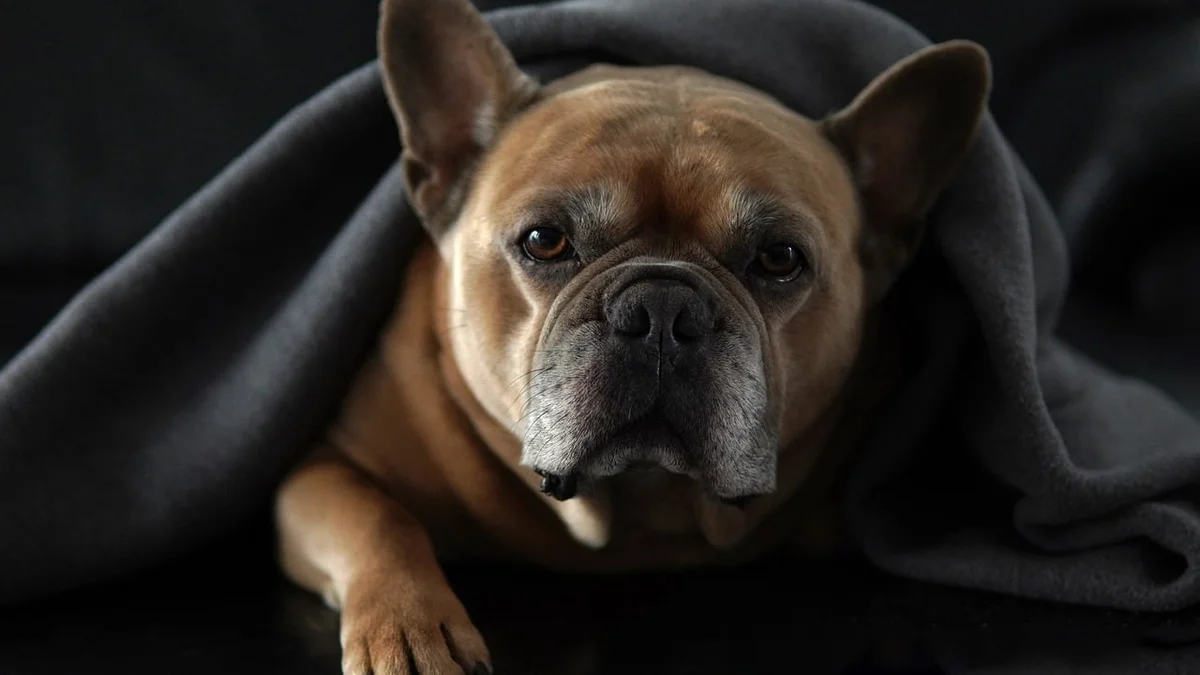
Why Coccidia Thrives in Vietnam's Climate — And Why Your New Pet Is at Risk
Vietnam's hot, humid climate — especially Ho Chi Minh City with year-round temperatures between 28–35°C — is an ideal breeding ground for coccidia (Coccidia spp.), a microscopic intestinal parasite that spreads rapidly through dogs and cats, particularly puppies and kittens under 6 months old. The Mật Pet Family team has seen this time and again: a new pet owner brings home an apparently healthy puppy or kitten, and within 48–72 hours, the first signs of infection appear. Early recognition during this critical window is the difference between a quick recovery and serious complications.
What Is Coccidia, and Why Is It So Common in Vietnam?
Coccidia are single-celled parasites from the Isospora genus (in dogs) and Isospora/Toxoplasma (in cats) that live and reproduce inside the lining of a pet's small intestine. In Vietnam, the disease is especially prevalent due to a perfect storm: the warm, humid environment allows oocysts (coccidia eggs) to survive for months in contaminated soil and surfaces, combined with high-density apartment living in Ho Chi Minh City, Hanoi, and Da Nang where multiple pets often share common areas.
The parasite spreads via the fecal-oral route — your pet accidentally swallows oocysts when licking contaminated floors, eating grass from the park, drinking standing water, or making contact with infected animal waste. Young puppies and kittens, especially those transitioning from mother's milk or just moved to a new home, face the highest risk because their immune systems aren't fully developed. Studies in HCMC and Hanoi have documented infection rates of 30–60% in young dogs and cats — a reality that every new pet owner should take seriously from day one.
Early Warning Signs: What to Watch for in Your Dog or Cat
The classic symptom is watery or even liquid diarrhea, often mixed with mucus or fresh blood, occurring 5–10 times daily in severe cases. Importantly, an infected pet may not develop a fever early on, which can trick owners into thinking it's just minor digestive upset — and by then, precious time has been lost.
Key signs to monitor closely:
- Abnormal stools: soft, slimy, greenish, or bloody — distinctly different from normal firm, brown feces
- Frequent bowel movements: more than 4–5 times daily in young puppies or kittens signals a red flag
- Abdominal swelling and discomfort: your pet may hunch or resist when you touch their belly
- Rapid dehydration: pinch the skin on the back of the neck gently; if it doesn't spring back within 2 seconds, your pet is losing fluids fast — this requires a vet visit within 2–4 hours
- Loss of appetite, lethargy, and weight loss: young puppies can lose 10–15% of body weight in just 2–3 days with severe diarrhea
- Vomiting alongside diarrhea: when both occur with bloody stools, the risk of secondary bacterial infection skyrockets
> ⚠️ Important note: Coccidia species that infect dogs and cats are species-specific and do NOT transmit to humans under normal circumstances. However, Toxoplasma gondii (a related parasite found in cats) can affect pregnant women — always wear gloves when cleaning litter boxes and wash your hands thoroughly afterward.
Why Vietnamese Pets Catch Coccidia So Easily — 4 Root Causes
Beyond climate, four overlooked factors drive high infection rates across Vietnam that pet owners should address head-on.
1. Stress from environmental change. Coccidia oocysts may already be dormant inside your pet's gut from a breeding facility or shelter. When your new puppy or kitten experiences stress from transportation, food changes, or a new home, their immune system crashes — and the dormant parasites wake up and multiply rapidly. This is why illness often strikes within the first week of bringing a pet home.
2. Inadequate environmental sanitation. Coccidia oocysts are remarkably tough — they can survive up to 12 months in damp soil and aren't killed by standard household cleaners. Only hot water above 65°C or a 5–10% ammonia solution effectively destroys them. Many owners don't realize regular soap and water aren't enough.
3. High-density pet living. Apartment buildings with multiple dog or cat owners, or frequent park visits in shared areas, dramatically increase exposure to contaminated feces.
4. Skipped or incorrect deworming. Many owners confuse dewormers with anti-coccidia treatment — standard deworming medications (like Fenbendazole alone) do not work against coccidia. You need specialized medications as prescribed by a veterinarian.
How a Vet Diagnoses and Treats Coccidia
Coccidia cannot be diagnosed by symptoms alone — multiple conditions cause similar diarrhea. Your vet will need a fresh fecal sample (placed in a sealed plastic bag and kept cool) brought to the clinic within 4–6 hours for accurate testing via flotation or PCR.
Standard treatment protocol:
- Specific anti-coccidia medication: Toltrazuril (15–30 mg/kg once daily for 3 days) or Sulfadimethoxine (50 mg/kg the first day, then 25 mg/kg daily for 4–19 days) — your vet will calculate the exact dose based on your pet's weight
- Fluid and electrolyte replacement: oral rehydration solutions (ORS) or IV fluids if dehydration is severe; use pet-specific electrolyte packets, never human Oresol
- Probiotic support: aids gut recovery after medication, typically given for 2–4 weeks after treatment ends
- Dietary modification: bland, easily digested food (boiled white rice + steamed chicken breast, or low-fat pâté), split into 4–5 small meals daily instead of 2 large ones, for 5–7 days
Real-world costs in HCMC: full treatment including fecal exam, medication, and follow-up typically runs 300,000–800,000 VNĐ (roughly 12–32 USD). Early detection saves significant money compared to treating secondary bacterial infections, which can cost 1.5–3 million VNĐ (60–120 USD) or more.
> Mật Pet Family's pet health warranty — the only such guarantee in Vietnam — includes a comprehensive health check and intestinal parasite screening before your pet goes home, giving you peace of mind from day one.
Prevention Strategy: Three Pillars That Actually Work in Vietnam
Effective coccidia prevention combines environmental hygiene, immune support, and transmission control. In Vietnam's rainy season (May–November), humidity peaks and oocyst transmission accelerates — step up your cleaning game during these months.
Environmental hygiene:
- Remove feces from litter boxes or yard immediately; don't let them sit longer than 2–3 hours
- Wash litter boxes with boiling water or steam at least twice weekly
- Avoid letting your pet lick freshly mopped floors, especially if scented cleaners were used
- After outdoor walks, wash your dog's paws; never let your pet eat feces or grass along roadsides
Boost immune resilience:
- Keep vaccinations current (reduces overall disease burden)
- Feed age-appropriate, balanced nutrition — puppies and kittens under 6 months need specialized growth formulas
- Minimize stress: avoid sudden food switches, environmental changes, or disrupted routines
Regular monitoring:
- Fecal screening twice yearly for pets under 1 year, once yearly for adults — especially important if you have multiple pets
- Repeat fecal testing 2–3 weeks after treatment to confirm complete parasite clearance before your pet mingles with other animals
Real Treatment Costs in Vietnam — Budget Breakdown
Total expenses for fecal exam through full recovery in HCMC range from 300,000 to 1,500,000 VNĐ depending on severity and testing method. Catching it early (within 24–48 hours of symptoms) cuts both cost and recovery time significantly.
- Service — Typical HCMC Price
- Basic fecal flotation test — 100,000–200,000 VNĐ
- PCR parasite panel — 300,000–500,000 VNĐ
- Anti-coccidia medication (full course) — 100,000–300,000 VNĐ
- IV fluid therapy (per session, if needed) — 300,000–700,000 VNĐ
- Probiotic support course — 80,000–200,000 VNĐ
Special consideration for tiny breeds: toy poodles under 2 kg or kittens under 800g dehydrate extremely fast and may need emergency vet care sooner than larger pets. Don't wait more than 6–8 hours if a small pet has diarrhea plus complete loss of appetite.
Common Questions About Coccidia — Answered for Expat Pet Owners
Does coccidia spread from pets to people?
Coccidia Isospora species from dogs and cats do not transmit to humans in normal circumstances. However, Toxoplasma gondii in cats can pose a risk to pregnant women or those with weakened immunity. Always wear gloves when handling litter, and wash hands immediately afterward.
How long does recovery take?
With correct treatment and early detection, most pets recover within 5–10 days. However, oocysts may continue shedding in feces for 1–2 weeks after symptoms stop — so a retest 2–3 weeks post-treatment is essential before allowing your pet to play with other animals.
Will standard dewormer kill coccidia?
No. Common dewormers (Fenbendazole, Pyrantel, Ivermectin) do not work against coccidia because the parasites have different biology. You need specific medication like Toltrazuril or Sulfadimethoxine prescribed by your vet — self-medicating risks overdose and toxicity.
Can a pet get coccidia twice?
Yes. Immunity after infection isn't permanent and doesn't fully prevent reinfection, especially if your pet encounters new contaminated environments or becomes immunocompromised from stress. Consistent environmental cleaning and annual fecal exams are your best defense against recurrence.
Should I isolate a sick pet from others in my home?
Yes. Move the infected pet to its own litter box and food bowls immediately upon symptom onset. Limit contact with other animals until fecal testing comes back clear. The risk of cross-contamination through shared living spaces is very high, so consider screening your other pets' feces as well.
Should I test my new pet for coccidia right after bringing it home?
Absolutely, especially if your new puppy or kitten is under 4 months old or has an unknown health history. A fecal screening during the first week can catch dormant infections before they cause severe symptoms. It's part of the comprehensive health check every new pet deserves.
Bring Your New Pet Home with Confidence
For 15 years since 2011, Mật Pet Family has walked alongside over 10,000 Vietnamese families — and the worry that keeps new owners awake at night isn't the price. It's whether your new puppy or kitten will actually stay healthy after coming home.
That's why Mật Pet Family pioneered Vietnam's first pet health warranty. Every pet is screened for intestinal parasites, receives a complete health examination, and comes with full medical records — so you start day one knowing your pet has been properly vetted.
If your pet is showing signs of digestive trouble, you need guidance on parasite screening intervals, or you'd like to learn more about the healthy puppies and kittens currently available, reach out to Mật Pet Family at 0939 863 696 or visit a Mật Pet showroom. We're here to listen and support you — no pressure, just genuine partnership for your pet's lifelong wellbeing.
Related articles
Feline Panleukopenia (FPV) in Cats — Early Warning Signs, Causes, and Effective Prevention in Vietnam

Ringworm and Fungal Skin Infections in Dogs & Cats in Vietnam — Early Signs, Causes, and Effective Treatment

Thrombocytopenia (Low Platelet Count) in Dogs and Cats in Vietnam — Early Detection, Causes, and Long-Term Management for Expats
Interested in pets from Mật Pet?
15 years of trust · 10,000+ pets delivered to Vietnamese families · Free 30-day health warranty · Nationwide delivery.