DIY Pet Photography at Home in Vietnam — Studio Setup, Lighting, and Pro Tips for Beautiful Shots
Learn to set up a mini pet photo studio at home in Vietnam: lighting tricks, backdrop options, posing tips, and editing hacks — from Mật Pet Family's 15-year experience.
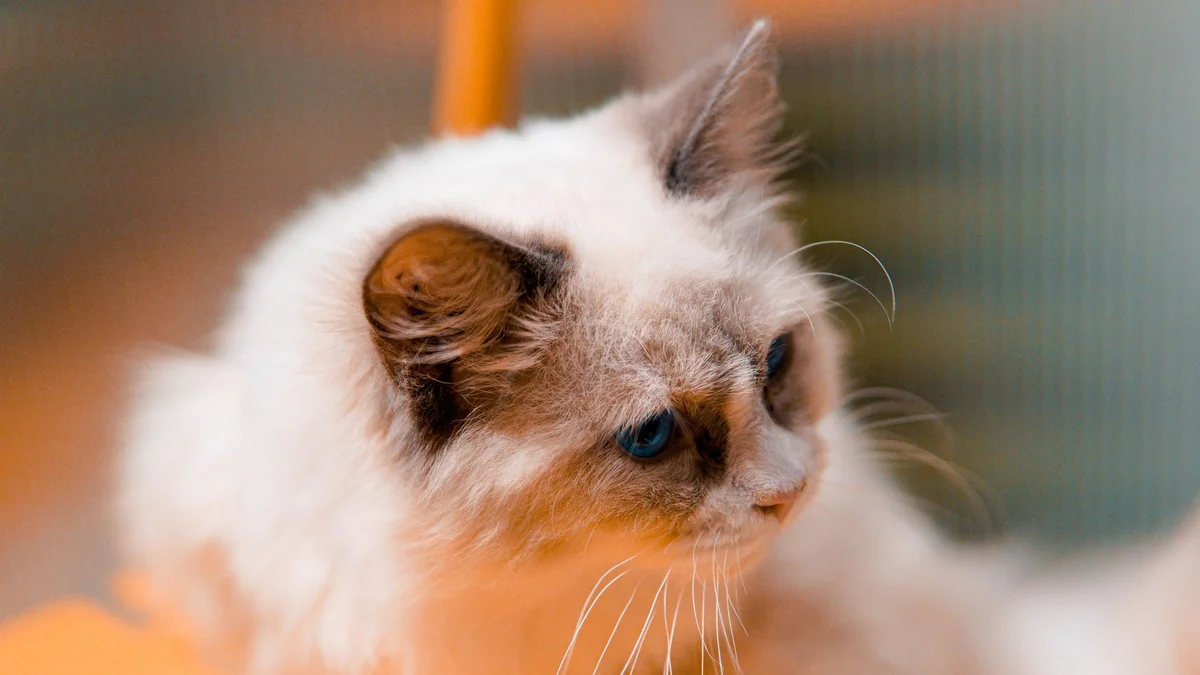
Why Set Up a Mini Pet Photo Studio at Home?
Every beautiful photo of your pet is a memory you can't buy back. Over 15 years working with thousands of expat and local families in HCMC, Hanoi, and Da Nang, we've noticed the biggest regret isn't a lack of photos — it's photos taken the wrong way. With a budget of 500,000–2,000,000 VND (roughly 20–80 USD) and just 2–3 square meters of space, you can create studio-quality pet portraits at home that rival anything from a professional shoot.
Setting up a home studio puts you in control. No appointment stress. No stressful car rides for your pet. No rigid time constraints. Your dog or cat becomes comfortable in a familiar space and photographs more naturally as a result — and that's the real secret to beautiful pet photography.
The Setup Works Because of Three Things
Most people believe: You need an expensive DSLR camera, a huge room, and professional lighting gear.
Reality: Modern smartphones (iPhone 13+, Samsung S22+, Pixel 7+) produce print-quality photos up to A3 size. A 2 × 2 meter corner of your bedroom or balcony is enough. Free natural light from a north- or northeast-facing window beats expensive lights every time. And the golden shooting windows in HCMC are 7:00–9:30 AM and 4:00–5:30 PM — when light is soft and warm, not harsh midday sun.
When your pet gets comfortable with the same corner every time, something shifts: they stop trying to escape, they relax, and you get the candid moments that make people stop scrolling on Instagram.
What You Actually Need: The 4 Core Elements
A functional pet studio needs four things and four things only: backdrop, light source, a surface for your pet to stand or lie on, and something to grab their attention. That's it. Everything else is refinement.
1. Backdrop — Your Foundation
The backdrop is what your viewer's eye lands on when they're not looking at your pet. It has to disappear.
- Seamless fabric backdrop (matte cotton or polyester): White, light gray, cream, or soft mint. Sold at HCMC photography shops for 80,000–250,000 VND per roll (1.5 × 2 m). These are reliable, washable, and forgiving with all coat colors.
- Paper backdrop roll: Stiffer than fabric, doesn't wrinkle, lasts longer — 150,000–400,000 VND. Good if you like switching colors regularly.
- Textured linen or cotton: Creates a warm, lifestyle feel without needing to be perfect. Great for long-haired breeds like Ragdolls, Golden Retrievers, or Samoyeds where you want a less clinical vibe.
- Plain painted wall at home: The cheapest option. White, soft beige, or pale gray walls work perfectly. If your wall is already there, use it.
Critical rule: Avoid busy patterns, stripes, or colors too similar to your pet's coat. Your pet will visually "disappear" into the background, and nobody will know where to look.
2. Light Source — 70% of Image Quality
This is where most home photographers stumble. Light is the photograph.
- Window light (free): Position your pet 0.5–1.5 meters from a window, facing the light source. Use sheer curtains to soften harsh direct sun. For HCMC's humid, intense midday light, this is only viable in early morning or late afternoon. Shoot near a north- or northeast-facing window to avoid blown-out highlights.
- LED panel or softbox: 350,000–800,000 VND on Shopee. Buy 5,500–6,000K color temperature (daylight balanced) so your pet's coat color records accurately. Softboxes are cheaper than studio strobes and require no special sync cables.
- Reflector or DIY bounce: A white foam board (A0 size from any stationery shop costs about 5,000 VND) placed opposite your light source fills in shadow under the eyes, chin, and jawline. Many professionals use this trick — it's invisible in the final image but lifts the whole portrait.
3. Surface & Props — Dimension and Comfort
- A simple wooden stool, low bookshelf, small wicker basket, or folded blanket gives your pet a platform and adds visual depth. It also keeps their paws off a dirty floor.
- Keep props to 1–2 items maximum. Too many things distract from your pet.
- Comfort matters: if your cat or small dog is standing on something unstable, they'll look tense, and tension shows in photographs.
4. Attention Grabbers — The Silent Tool
- Treats (kibble, soft snacks).
- Toys that make sound (squeaky toys are your secret weapon for dogs).
- Another family member standing just behind the camera to hold the toy or treat and direct your pet's gaze straight into the lens.
How to Get Your Pet to Actually Sit Still (and Look Happy)
The trick isn't forcing your pet to "sit and stay." It's making them want to stay in the frame.
The "Pose Capture" Workflow (From 15 Years of Experience)
- Acclimate first: Bring your pet to the setup 5–10 minutes before you plan to shoot. Let them sniff around, explore, get curious. Cats need 10–20 minutes; most dogs are ready within 3–5.
- Two-person rule: One person holds the camera; one person stands just behind the camera lens with a toy or high-value treat. When your pet looks at the person with the treat, their eyes naturally point toward the camera. This is why professional photographers often have an assistant.
- Burst mode is your best friend: Set your phone or camera to continuous shooting (burst mode) and fire 10–20 photos per second. Out of 20 rapid-fire images, at least 2–3 will have eyes wide open, ears perked, and an alert expression. You're not taking one perfect shot; you're taking dozens and picking the best.
- *Reward immediately after good behavior:* Don't wait until the end of the session. The moment your pet sits still for 3 seconds, give the treat right then. Your pet learns: "sitting in this spot = instant reward." This builds momentum through the shoot.
- Keep sessions short: 15–20 minutes maximum per session. Cats get bored quickly (5–10 minutes is realistic). Puppies under 6 months shouldn't go longer than 10 minutes — they'll get overstimulated.
Signs Your Pet Is Done
If your pet's tongue is hanging out constantly, ears are flat back, or tail is tucked, stop immediately. No amount of treats will get a relaxed photo at that point. A stressed pet in a photo is obvious, and stress affects their mood for hours after.
Camera Angle & Composition — What Works for Each Pet
The best angle depends on your pet's size and what you want to emphasize.
By Size
- Pet Type — Recommended Angle — Why
- Small dogs (Poodle, Pomeranian, Maltese — under 5 kg) — Low, eye level or slightly below — Avoids the unflattering "looking down" perspective that makes small pets look squashed
- Medium dogs (Corgi, Beagle — 8–15 kg) — Eye level or slightly above — Flatters body shape and leg length
- Large dogs (Golden, Labrador — 25–35 kg) — Eye level or slightly above — Shows presence without the camera looking "up" which can make them look overwhelming
- Cats (all sizes) — Low, eye level, slightly below — Showcases their eyes (the soul of the shot) and avoids the "top-down" effect
Composition Techniques
- Rule of thirds: Imagine your image divided into 9 squares (like tic-tac-toe). Place your pet's eye at one of the four intersection points, not dead center. This feels more dynamic and less like a mugshot.
- Close-up / headshot: Fill the frame with just the face. Works beautifully for flat-faced breeds (Pug, British Shorthair, Persian) where the eyes and expression carry the whole image.
- Full body, 3/4 angle: Pet stands/sits at a 45-degree angle to the camera, looking back at the lens. Creates depth and shows their entire posture.
- Lifestyle shot: Pet sleeping, yawning, mid-play. No need for direct eye contact; just make sure the lighting and background are clean. These often become favorites because they feel unposed and genuine.
Editing Your Pet Photos — Enhance, Don't Fake
Proper editing means revealing what's already there, not adding things that aren't real.
The 3-Step Edit (Works for 90% of Pet Photos)
- Exposure + Shadows: Brighten the image slightly (+0.3 to +0.7 exposure), then lift the shadows to recover detail in dark areas. This is crucial for black or dark-brown coats where fur detail gets lost in shadow.
- Clarity + Sharpening: Increase clarity by 10–20 points to make fur texture visible and crisp. Add sharpening at 20–40 (never higher — it creates ugly digital artifacts). Your pet's coat should look touchable, not over-processed.
- Color temperature (white balance): If you shot under LED lights indoors, cool the image slightly (-5 to -10 on the temperature slider) so your pet's natural coat color isn't too yellow or warm-toned.
Free Apps That Actually Work
- Lightroom Mobile (free tier is excellent): The industry standard for color and exposure. Save "presets" (pre-made adjustment recipes) and apply them to entire albums for a consistent look across your pet's Instagram feed.
- Snapseed (free): The "Selective" tool lets you brighten or darken just the eyes or nose without touching the whole image — game-changer for pet portraits.
- VSCO (free tier): Film-inspired filters; great for a cohesive aesthetic if you post regularly.
What to Avoid
- Over-saturated colors (looks unnatural and cheap).
- Smoothing fur too much (you lose the texture that makes pets look real and touchable).
- Stickers, frames, or text covering your pet's face (save a clean copy without decorations for archival).
Shooting in Vietnam's Climate — What to Adjust
HCMC's tropical weather (28–38°C year-round, 70–90% humidity) changes how pet photography works. Your pet gets tired faster, their coat behaves differently, and the light shifts dramatically across seasons.
Seasonal Adjustments in HCMC
Dry season (November–April):
- Light is stunning, especially in early morning and late afternoon.
- Midday sun (10 AM–2 PM) creates harsh shadows and blown highlights — avoid these hours if possible.
- Ideal windows: 7:30–9:30 AM or 4:00–5:30 PM.
Rainy season (May–October):
- Cloud cover acts like a giant softbox — diffused light is actually ideal for pet portraits.
- Overcast days create even, shadow-free lighting; no reflector needed.
- Shoot any time (even midday works), but do it on cloudy days.
Comfort & Coat Prep
- Air-conditioned room (24–26°C): Your pet stays comfortable, and cats especially cooperate better in cool conditions. A relaxed pet photographs better.
- Brush lightly 15–20 minutes before shooting: Freshly brushed fur is fluffy and clean, but brushing right before the shoot can fluff it too much. Give it 15–20 minutes to settle back to its natural texture.
- Wipe eyes and face: Especially for flat-faced breeds (Persian, Pug) or breeds prone to tear staining — a damp cloth removes "sleep" and stains that photograph dark.
Budget Breakdown — How Much Does a Home Studio Actually Cost?
You can start for as little as 435,000–660,000 VND (17–26 USD) if you use natural light and existing items at home. Mid-range setup (with good LED panel and proper backdrop) runs 1,130,000–2,400,000 VND (45–96 USD) — still cheaper than a single professional photo session at a studio in HCMC.
Cost Table (HCMC, 2024–2025)
- Item — Budget — Premium
- Backdrop fabric (1.5 × 2 m) — 80,000–150,000 VND — 200,000–400,000 VND
- LED panel / softbox — 350,000–500,000 VND — 600,000–1,200,000 VND
- Reflector (DIY foam or pro) — 5,000–10,000 VND — 80,000–150,000 VND
- Props (blankets, basket, stool) — 0 (use what you have) — 100,000–300,000 VND
- Light stand / backdrop support — 0 (hang from door) — 150,000–350,000 VND
- Total — ~435,000–660,000 VND — ~1,130,000–2,400,000 VND
A note on cameras: If your smartphone is from 2021 or later, don't feel pressured to buy a dedicated camera. Mirrorless entry-level cameras (used Sony A6000, Fuji X-T30) run 8–15 million VND and do produce noticeably better images, but they're not required for social media and family keepsakes.
Frequently Asked Questions
Q: Can a mid-range phone camera actually produce beautiful pet photos? Yes, completely. 80% of photo quality comes from lighting, not equipment. Any smartphone from 2022 onward (5–8 million VND range, Android or iOS) will produce photos good enough to print A4 size and post on social media. Test your current phone with good natural light before spending money on new gear.
Q: Is it harder to photograph cats than dogs? Cats cooperate less on command, but they naturally pose beautifully on their own. The secret: don't try to "direct" them. Set up the space and let the cat explore, then shoot in burst mode continuously for 5–10 minutes. You'll capture plenty of perfect frames. Patience replaces commands.
Q: What's the best time of day to shoot in Vietnam? 7:00–9:30 AM and 4:00–5:30 PM are golden. Avoid 10 AM–2 PM when harsh midday sun creates strong shadows. If using artificial LED lights, time doesn't matter — shoot whenever your pet is in the best mood.
Q: How do I stop my pet from closing their eyes in photos? Use burst mode instead of single-shot. Fire 10–20 frames per second, and 2–3 out of every 20 will have eyes wide open. It's a numbers game. Also, call your pet's name 1–2 seconds before each burst — they'll perk up and open their eyes as a reflex.
Q: Should I groom before a photo shoot? Yes, but timing matters. Brush lightly 15–20 minutes before the shoot. Bathe your pet 1–2 days before shooting, not the day of — coat texture needs time to recover after shampooing and drying. If your pet just had a professional grooming, that's your best window for photos (next 2–3 days).
Q: How do I make sure I don't lose these photos? Save originals (RAW files or high-quality JPEGs) in at least two places: your phone/computer AND cloud backup (Google Photos, iCloud, Dropbox). Organize by month or milestone (birthday, first day home, holiday). Your pet's photos are irreplaceable — backup isn't optional.
Partner With Mật Pet Family for a Pet Worth Photographing
Every beautiful photo starts with a healthy, happy, confident pet in an environment where they feel safe. At Mật Pet Family showroom, our team (with 15+ years of experience since 2011) helps families find the right companion — from temperament and energy level to breed traits that photograph well and fit your lifestyle.
Every pet from Mật Pet comes with detailed health records and Vietnam's only written pet health warranty — peace of mind so you can focus on the memories, not the worry.
Expats in HCMC often live in apartments, which is why we pay special attention to breed size, barking levels, and suitability for condo living when matching you with your pet. For more details on what breeds work well in Vietnamese apartment life, check our dog catalog and cat catalog.
Ready to find your next photography subject? Contact us at 0939 863 696 (English-speaking team available) or visit the showroom in District 1, HCMC. We're here to help you bring home not just a pet, but the beginning of a thousand beautiful moments.
Have questions about pet care in Vietnam or breed suitability for your apartment? Check our care guides and FAQs or book a free consultation with our team.
Related articles
Keeping Pets in a Small Apartment in Vietnam — Space Layout, Essential Gear, and Quality of Life for Dogs and Cats
Photographing Your Pet Outdoors in Vietnam — Best Locations, Ideal Times, and Pro Tips for Stunning Shots
Four Seasons of Memories with Your Pet — How to Create Albums, Journals, and Meaningful Keepsakes in Vietnam
Interested in pets from Mật Pet?
15 years of trust · 10,000+ pets delivered to Vietnamese families · Free 30-day health warranty · Nationwide delivery.