
Is Your Dog or Cat Overweight? How to Spot Obesity, Understand the Causes, and Create a Safe Weight-Loss Plan in Vietnam
Over 40% of pets in Vietnam are overweight. Mật Pet Family explains how to spot obesity, why it happens, and how to safely help your dog or cat lose weight.
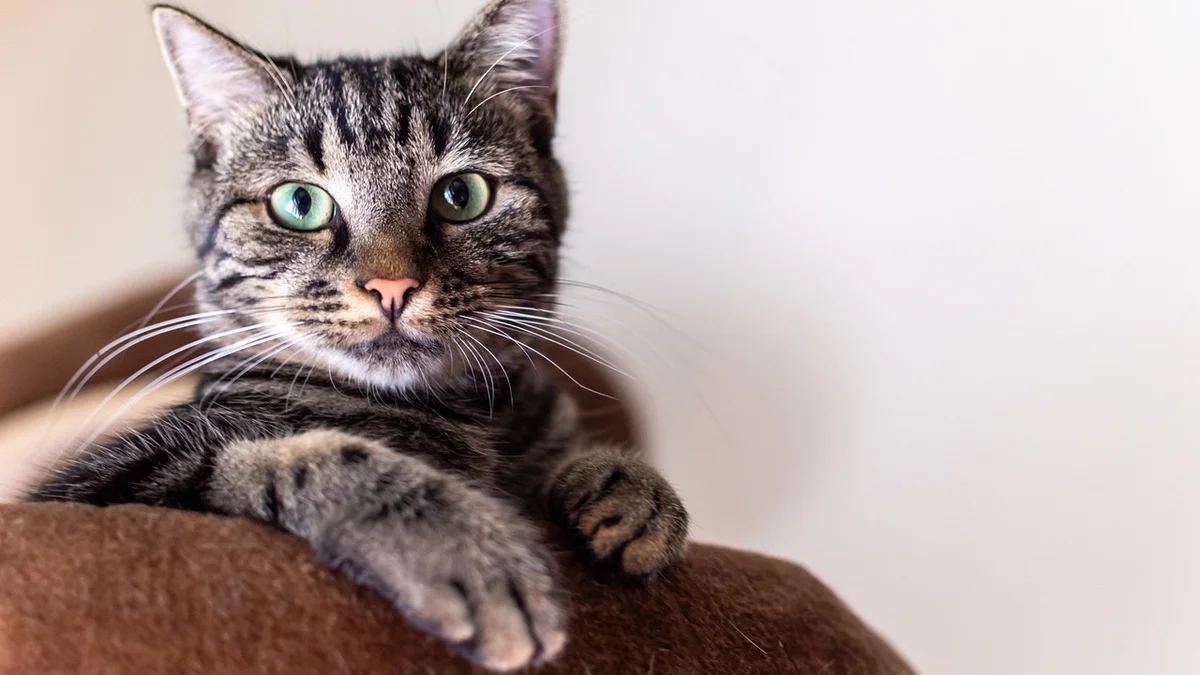
Obesity is one of the most common — and most preventable — health problems facing pet dogs and cats in Vietnam today. Yet it's also one of the most overlooked. If you've recently moved to Vietnam with a pet, or you've bought one here and noticed them slowing down, this guide will walk you through everything you need to know: how to identify the problem, why it happens (especially in a tropical apartment-living context), and how to build a safe, realistic weight-loss plan.
Is your dog or cat overweight without you realising it?
Veterinary clinics across Vietnam estimate that over 40% of pet dogs and cats are currently overweight or obese — and most owners don't know it because they assume a chubby pet is a healthy one. In reality, obesity nearly doubles the risk of diabetes, joint degeneration, and heart disease, and can shorten your pet's life by an estimated 1.5 to 2 years. The problem is widespread enough that it's worth checking your pet proactively, not just when symptoms appear.
For expats living in HCMC, Hanoi, or Da Nang, the apartment lifestyle — combined with the heat that discourages long outdoor walks — creates conditions where weight gain can creep up quickly, especially after a pet is neutered.
How do I know if my dog or cat is overweight or obese?
The quickest at-home check: place both hands along your pet's ribcage and press gently. If you can't feel the ribs, that's a clear sign of excess weight. A healthy pet should have a visible waist tuck when viewed from above, and a slight abdominal tuck when viewed from the side.
Specific warning signs to watch for:
- Can't feel the ribs even with moderate pressure
- No visible waist from above — the back looks flat or oval-shaped
- Sagging belly with no upward tuck when viewed from the side
- Noticeably less active — your dog refuses to run, or your cat sleeps more than 20 hours a day
- Heavy or laboured breathing after climbing a few stairs
- Unable to groom the base of the tail or lower back due to abdominal fat
The Body Condition Score (BCS) is the tool vets use: on a 1–9 scale, 4–5 is ideal, 6–7 is overweight, and 8–9 is obese. Ask your vet to assess your pet's BCS at their next routine visit — it takes less than a minute.
Common reference weights in Vietnam:
- Average adult cat: 3.5–5 kg depending on breed. A cat over 6 kg is generally overweight.
- Toy Poodle: 2–4 kg; Corgi: 10–14 kg; Golden Retriever: 25–34 kg. If your pet exceeds the upper end of their ideal weight range by more than 15%, intervention is needed.
A note for expats with mixed-breed or rescue dogs: If you've adopted a local Vietnamese street dog ("chó ta") or a mix, your vet may need to estimate an ideal target weight rather than rely on breed charts — this is perfectly normal and any experienced vet in Vietnam can do it.
Why are dogs and cats in Vietnam so prone to obesity?
Obesity in pets is almost always the result of three compounding factors: too many calories in, too little movement, and physiological changes — and in the apartment-living, hot-climate context of Vietnam's major cities, all three tend to hit at the same time.
Nutritional causes:
- Free-feeding (leaving dry kibble out all day) leads to uncontrolled caloric intake
- Feeding table scraps — rice, braised meats, bone broth — which are high in salt and saturated fat and completely inappropriate for pets
- Too many treats, especially during training, without counting them toward the daily calorie budget
- High-carbohydrate, low-protein kibble — very common in budget dry food sold at under 100,000 VND/kg (under 4 USD/kg)
Exercise causes:
- Dogs in apartments rarely get the recommended 30–60 minutes of walking per day; many get 10–15 minutes at most
- Indoor-only cats have no hunting or climbing stimulation
- HCMC and the south regularly hit 33–38°C, which discourages owners from taking pets outside — understandably, but it adds up
Physiological causes:
- Neutering reduces caloric needs by 20–30% in both dogs and cats. If you don't adjust food portions after neutering, gradual weight gain is almost inevitable
- Some breeds are genetically predisposed to obesity: Labrador Retrievers, Beagles, British Shorthairs, and Persian cats are among the highest-risk
- Less commonly, hypothyroidism or Cushing's syndrome can cause weight gain — both require a vet diagnosis
What health problems does obesity cause in dogs and cats?
Obesity isn't a cosmetic issue — it's a leading risk factor for at least six serious disease categories, with treatment costs ranging from 3–15 million VND (roughly 120–600 USD) per episode and a significant reduction in your pet's quality of life.
- Condition — Increased risk with obesity
- Joint degeneration & arthritis — 2–3× higher
- Diabetes (especially in cats) — 4× higher
- Cardiovascular disease — 1.5–2× higher
- Bladder and kidney stones — Noticeably elevated
- Anaesthesia complications during surgery — Significantly elevated
- Certain cancers (linked to visceral fat) — Associated risk
For cats specifically, one of the most dangerous obesity-related emergencies is hepatic lipidosis (fatty liver disease) — triggered when an overweight cat stops eating for more than 48 hours. Fat floods the liver, causing acute liver failure with a high mortality rate if not treated immediately. This is exactly why weight loss in cats must be gradual and planned — crash dieting is genuinely life-threatening.
For dogs, excess weight puts enormous strain on hips and knees. Breeds with short legs and long spines — Corgis, Dachshunds, Basset Hounds — are particularly vulnerable to joint damage when overweight, and joint surgery in Vietnam can run 5–15 million VND (200–600 USD) or more.
What does a safe at-home weight-loss plan for a dog or cat actually look like?
The golden rule: aim for 1–2% of total body weight loss per week for dogs, and no more than 0.5–1% per week for cats (to avoid hepatic lipidosis). Never cut food intake by more than 20% at once without veterinary guidance.
Step 1 — Establish your pet's actual caloric needs (RER and MER):
Take your pet to a vet to be weighed and to calculate their ideal maintenance calories — based on their target weight, not their current overweight figure. General benchmarks:
- Neutered adult cats: approximately 40–50 kcal per kg of ideal body weight per day
- Neutered adult dogs: approximately 50–70 kcal per kg of ideal body weight per day (varies by breed)
Step 2 — Adjust the food:
- Switch to a dedicated weight management or "light" formula — these contain 20–30% fewer calories but maintain adequate protein to prevent muscle loss
- Eliminate table scraps entirely and minimise treats; if you use treats for training, count them in the daily calorie budget
- Split meals: 2–3 fixed-time portions per day instead of free feeding. Slow-feeder bowls extend eating time and improve satiety
- Weigh food with a kitchen scale — measuring cups or eyeballing introduces significant error
Step 3 — Increase activity gradually:
- For dogs: Gradually build daily walks from 15 minutes to 30–45 minutes over 2–3 weeks. In HCMC and other southern cities, walk before 7 AM or after 6 PM to avoid peak heat of 33–38°C. (For a full walkng guide, see Walking Your Dog in Vietnam.)
- For cats: Use interactive toys (feather wands, bell balls) for at least 2–3 sessions of 10–15 minutes per day. Place the food bowl at height, or use a puzzle feeder so your cat has to "hunt" for meals
- Avoid sudden high-intensity exercise for heavily overweight pets — joint injury risk is real
Step 4 — Monitor progress:
- Weigh every 2–4 weeks and keep a log
- If there's no change after 4 weeks, or weight drops faster than the targets above, see your vet to adjust the plan
- Target timeline: 3–6 months to reach ideal weight for dogs; 4–8 months for cats
Tip for expats: You don't need a pet scale. Step on your bathroom scale holding your pet, then weigh yourself alone, and subtract. Simple, free, and accurate enough for weekly monitoring.
What should I feed my dog or cat during a weight-loss programme?
Look for food with high protein (30–40% dry matter), moderate fibre, and low carbohydrates — this combination keeps pets feeling full, preserves muscle mass, and burns fat efficiently. Avoid any food where corn flour or starch appears in the first two ingredients.
Dry kibble options available in Vietnam:
- Royal Canin Weight Control, Hill's Prescription Diet (Metabolic), Orijen, Acana — priced from 350,000 to 1,500,000 VND/kg (roughly 14–60 USD/kg) depending on brand and quantity
- Important: don't substitute "senior" formulas for weight-management formulas — the nutritional profiles are different
Wet food (pâté):
- High moisture content (75–80%) helps cats and dogs feel fuller on fewer calories — particularly beneficial for cats
- A 50% dry / 50% wet combination is a practical way to reduce calorie density while improving palatability
Home-cooked food:
- If you prefer to cook for your pet, get a specific formulation from your vet first. Lean protein (chicken, salmon), low-starch vegetables, no added salt or oil. That said, home cooking is hard to balance for micronutrients without veterinary input — commercially formulated weight-management food is usually the more reliable choice.
Foods to completely avoid during weight loss: White rice, bread, pasta, potato, fried food, sweets, and anything seasoned with salt, garlic, or onion.
With over 15 years of experience since 2011 and more than 10,000 pets cared for, the team at Mật Pet Family consistently recommends combining a proper weight-management food with a structured activity schedule — rather than simply reducing portions, which often leads to nutritional deficiencies and a pet that refuses to eat at all.
How much does weight management for a dog or cat cost in Vietnam?
Proactive weight management costs 20–40% more than standard pet food, but that's a fraction of what obesity-related illness costs to treat — potentially 3–15 million VND (120–600 USD) per episode. Think of it as the best long-term health investment you can make.
Reference costs in HCMC (2024–2025):
- Item — Estimated cost
- Weight assessment + nutrition consultation — 200,000–500,000 VND (~8–20 USD)
- Weight management dry food — 350,000–1,500,000 VND/kg (~14–60 USD/kg)
- Basic blood panel (to rule out endocrine issues) — 500,000–1,200,000 VND (~20–48 USD)
- Arthritis treatment (obesity-related) — 2,000,000–8,000,000 VND per episode (~80–320 USD)
- Feline diabetes management (ongoing) — 1,500,000–4,000,000 VND/month (~60–160 USD/month)
- Interactive toys / puzzle feeders — 50,000–300,000 VND (~2–12 USD)
If your pet came from the Mật Pet Family showroom, our pet health warranty policy — the only one of its kind in Vietnam — includes early-stage health monitoring that can catch abnormal weight trends before they become serious problems.
For expats looking for English-speaking vets in HCMC or Hanoi: The expat Facebook groups for each city ("Expats in Ho Chi Minh City," "Hanoi Massive," "Expat Women Vietnam") are the most reliable source of current recommendations for English-friendly veterinary clinics. Platforms like Internations Vietnam also maintain updated vet lists. Regulations and clinic availability shift — a community recommendation from someone who visited recently is worth more than any static list.
Frequently asked questions about overweight dogs and cats in Vietnam
At what weight is a cat considered obese?
Most adult cats should weigh between 3.5 and 5 kg depending on breed. A cat over 6 kg, or more than 15–20% above their ideal breed weight, is generally considered overweight; over 20% above ideal is obese. Your vet will use the Body Condition Score (BCS) system for a more accurate assessment than the number on the scale alone.
Can I put my cat or dog on a fast to speed up weight loss?
Absolutely not — this is dangerous, especially for cats. Going without food for more than 48 hours can trigger hepatic lipidosis (acute fatty liver disease) in overweight cats, which is life-threatening. In dogs, sudden food restriction causes hypoglycaemia and muscle loss. Weight loss must be gradual — a maximum of 1–2% of body weight per week for dogs and 0.5–1% per week for cats — and always under veterinary guidance.
My pet was just neutered. Do I need to change how much I feed them?
Yes, and this is one of the most overlooked causes of pet obesity in Vietnam. Neutering reduces caloric requirements by around 20–30% in both cats and dogs due to hormonal changes. Reduce food portions by approximately 20–25% within one to two weeks after the procedure, and consider switching to a food formulated specifically for neutered pets to prevent long-term weight gain.
Are British Shorthair cats and Labrador Retrievers really more prone to obesity?
Yes — both are among the highest-risk breeds. Labradors carry a specific POMC gene mutation that virtually eliminates their sense of fullness, meaning they will eat as long as food is available. British Shorthairs have a naturally slow metabolism and a low-energy temperament. Both breeds need strict portion control and regular weigh-ins from a young age. (For more on British Shorthairs specifically, see our British Shorthair care guide for expats in Vietnam.)
How long will it take for my pet to reach a healthy weight?
With the right plan, dogs typically reach their target weight in 3–6 months; cats need 4–8 months. The timeline depends on how overweight your pet is to begin with, their breed, and how consistently the programme is followed. After reaching the target, schedule weigh-ins every 1–2 months to prevent weight creeping back up.
How do I know if my pet is losing weight at the right pace or too fast?
Weigh your pet every two weeks and track the numbers. Safe loss is 0.5–1% of body weight per week for cats and 1–2% per week for dogs. If the loss is faster than this, or your pet shows signs of lethargy, appetite loss, or vomiting, see a vet immediately to revise the plan. Too fast is not better — with cats especially, it can be fatal.
Mật Pet Family is here to support your pet's health journey
Obesity is completely preventable — and in most cases fully reversible — when caught early and managed with the right plan. Whether you're worried about your current pet's weight or want advice on nutrition before a problem develops, the team at Mật Pet Family is here to help.
Call our hotline at 0939 863 696 (English support available) or visit us in person at the Mật Pet Family showroom for a free consultation. You can also explore our full range of purebred dogs and cats — every pet we place comes from verified origins and is backed by our health warranty policy, the only written pet health guarantee in Vietnam. For more health guides like this one, browse the Mật Pet Family English blog.
Related articles
Feline Panleukopenia (FPV) in Cats — Early Warning Signs, Causes, and Effective Prevention in Vietnam
Ringworm and Fungal Skin Infections in Dogs & Cats in Vietnam — Early Signs, Causes, and Effective Treatment

Thrombocytopenia (Low Platelet Count) in Dogs and Cats in Vietnam — Early Detection, Causes, and Long-Term Management for Expats
Interested in pets from Mật Pet?
15 years of trust · 10,000+ pets delivered to Vietnamese families · Free 30-day health warranty · Nationwide delivery.