
Is Your Dog or Cat Stressed? How to Spot the Signs, Find the Cause, and Reduce Anxiety — A Practical Guide for Pet Owners in Vietnam
Stressed dog or cat in Vietnam? Learn the warning signs, common causes in HCMC's climate, and proven at-home solutions — from Mật Pet Family, 15 years of experience.
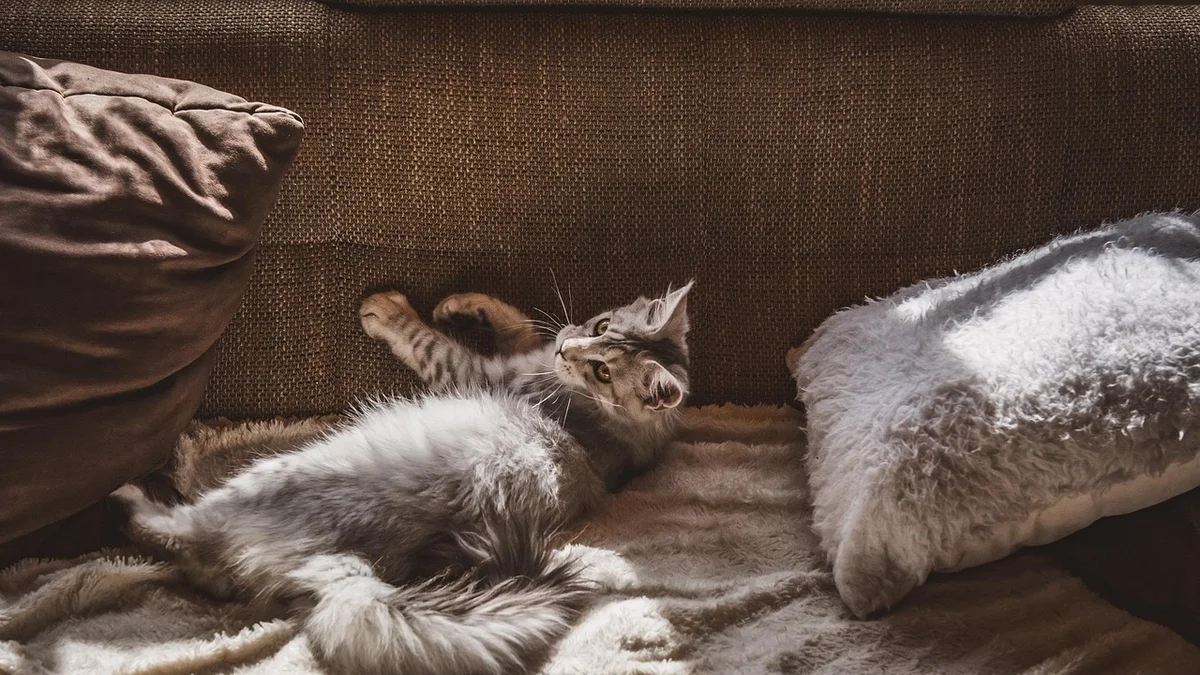
Pets can't tell you when something feels wrong — so stress often goes unnoticed until it causes real health problems. Whether you've just arrived in Vietnam with a pet or recently adopted one here, understanding how stress shows up in dogs and cats could save you a hefty vet bill — and a lot of heartache.
What are the most recognizable signs of stress in dogs and cats?
The clearest red flags are sudden behavioral shifts: eating 30–50% less than usual, hiding for more than four hours a day, compulsive licking or scratching, or house-trained animals suddenly toileting in the wrong spots. Catching these early gives you the best chance of stepping in before short-term stress becomes a chronic health problem.
Because pets can't verbalize discomfort, you have to read body language and shifts in daily routine. Here's a practical breakdown by severity:
Mild — Worth monitoring:
- Skipping one or two meals; drinking noticeably more water than usual
- Whining or vocalizing without an obvious reason
- Tucked tail, flattened ears, or shrinking away from strangers
- Repeated lip-licking and yawning when not tired (these are classic canine "calming signals")
Moderate — Time to intervene:
- Obsessively licking paws, belly, or tail to the point of hair loss or red, irritated skin
- Avoiding all contact for more than six hours a day — including mealtimes
- Toileting accidents despite being fully house-trained
- Trembling or panting without physical exertion
Severe — See a vet immediately:
- Biting or scratching themselves until they bleed
- Suddenly snapping or biting family members without provocation
- Complete food refusal for more than 48 hours
- Seizures or apparent disorientation
> Expert note: Many stress symptoms overlap with physical illness — dental pain, infection, or hormonal disorders can look identical. Any abnormal sign that persists beyond 48–72 hours warrants a vet visit to rule out a medical cause before addressing behavior.
What are the most common causes of stress in pets living in Vietnam?
In Vietnam, four triggers account for the vast majority of stress cases: changes in living environment (moving house, renovation work), urban noise pollution (fireworks, construction), a new addition to the household (baby or another pet), and extreme heat and humidity — especially in Ho Chi Minh City when temperatures push past 35°C.
Identifying the actual cause matters because treating the symptom without addressing the root rarely works long-term:
1. Disrupted routine and environment Dogs and cats are creatures of habit. Shifting feeding times by more than two hours, moving to a new apartment, or an owner traveling for three to five consecutive days is enough to trigger a stress response. In HCMC's high-rise apartment culture, even moving to a different floor in the same building can cause a cat to stop eating for two to three days.
2. High-intensity noise A dog's hearing range extends to around 65,000 Hz — roughly three to four times the human range. Tết fireworks, the jackhammer from the construction site next door, and the relentless traffic horns of HCMC all exceed a comfortable threshold. Shelters in Ho Chi Minh City have reported a 40–60% spike in stray or lost dogs during the Tết holiday week — noise-panicked dogs bolting from home is a very real problem here.
3. New pets or a newborn baby joining the household A resident pet typically needs two to four weeks to adjust to a new "competitor" in the home. Without a proper slow introduction, territorial marking, aggression, or complete withdrawal are common outcomes.
4. Extreme heat and poor ventilation Southern Vietnam's 33–40°C summers push pets into heat exhaustion — a form of physiological stress. Thick-coated breeds like Huskies, Chow Chows, and Maine Coons kept in apartments without reliable air conditioning suffer most. Check out our guide on caring for pets in Vietnam's hot season for breed-specific solutions.
5. Insufficient mental stimulation and exercise Apartment dogs that get fewer than 20 minutes of outdoor activity per day, and cats with no toys or vertical climbing space, will channel their pent-up energy into destructive behavior or self-directed harm. For expats living in central HCMC or Hanoi — where most housing is an apartment rather than a house with a garden — this is one of the most practical things to plan for before you bring a pet home.
Do stress symptoms differ between dogs and cats, and should you handle them differently?
Yes — significantly. Dogs tend to externalize stress (barking, destroying furniture, shadowing their owner), while cats internalize it (hiding, going silent, neglecting grooming). This means feline stress is routinely missed for much longer — on average five to seven days before owners notice, compared to one to two days for dogs.
Key differences at a glance:
- Dogs — Cats
- Typical stress response — Vocalizing, destructive behavior, clinginess — Hiding, silence, stopping self-grooming
- Core need when stressed — Interaction, physical activity — Personal space, quiet
- Common owner mistake — Scolding them for barking — Forcing cuddles when the cat wants to hide
- Typical recovery time — 3–7 days with correct intervention — 5–14 days; requires more patience
For dogs, the foundation is consistent exercise (30–45 minutes daily) and a stable daily schedule. For cats, the priority is creating a safe hiding space — a cardboard box on a shelf, a cozy corner with a familiar-smelling blanket — and resisting the urge to drag them out of it.
How do you effectively and safely reduce pet stress at home?
The three pillars of effective at-home stress relief are: a stable daily routine (consistent feeding, sleep, and play times), a dedicated safe space for your pet, and appropriate mental enrichment for their species. Most mild to moderate stress cases improve within 7–14 days when you address all three.
Step 1 — Stabilize the environment:
- Keep feeding times consistent — no more than 30 minutes of variation per day
- Reduce noise exposure: close the bedroom door during fireworks or thunderstorms; consider a white noise machine or gentle background music at 60–70 dB
- Don't rearrange food bowls, water stations, or sleeping spots while your pet is recovering
Step 2 — Create a dedicated safe space:
- For cats: one or two cardboard boxes or a cat house positioned at least 80–100 cm off the floor in a quiet corner
- For dogs: a crate or a designated corner with a blanket that carries your scent, away from foot traffic
- Never pull your pet out of their hiding spot when they've retreated there voluntarily
Step 3 — Add positive mental stimulation:
- Dogs: morning walks of 20–30 minutes before 7 a.m. to beat the heat, plus 10–15 minutes of fetch or tug in the evening
- Cats: interactive feather-wand play twice a day, 10 minutes per session; a scratching post to express territorial behavior naturally
- Puzzle feeders for both species: hiding food inside interactive toys engages their brain and measurably reduces anxiety
Step 4 — Supplementary support (when needed):
- Synthetic pheromone products — Adaptil (dogs) and Feliway (cats) — come in spray or plug-in diffuser form. They typically take 7–14 days of continuous use to show effect. Expect to pay roughly 300,000–600,000 VND (approximately 12–24 USD) per month at pet shops in Vietnam.
- Anxiety wraps like the Thundershirt work well for noise-sensitive dogs and show effectiveness in around 70–80% of cases in behavioral studies. Available in Vietnam for roughly 500,000–900,000 VND (20–36 USD).
- Never give your pet human sedatives or sleeping pills. This is genuinely dangerous — certain human medications are acutely toxic to cats in particular.
What does chronic stress actually do to a pet's physical health?
Chronic stress — lasting two to four weeks or more — causes sustained elevated cortisol levels, which progressively suppresses the immune system, increases susceptibility to bacterial infections, contributes to urinary tract disease (especially in male cats), triggers digestive disorders, and can cause patchy hair loss. This is how "psychological" stress produces very real physical illness.
Common health complications when stress goes unaddressed:
- Feline Idiopathic Cystitis (FIC): Up to 50–60% of urinary tract cases in cats are stress-related, not bacterial. Male cats are particularly at risk because urethral blockage — a life-threatening emergency — can develop within 24–48 hours.
- Gastric ulcers in dogs: Elevated cortisol stimulates excess stomach acid, leading to chronic vomiting and diarrhea if untreated.
- Psychogenic alopecia: Compulsive over-grooming causes patchy hair loss, most commonly seen in Siamese, Abyssinian, and other sensitive breeds.
- Secondary aggression: Pets in physical discomfort from stress-induced illness may bite or lash out at family members — creating safety risks that feel sudden and unexplained.
Thanks to the pet health warranty policy — a commitment unique to Mật Pet Family in Vietnam — every pet from Mật Pet receives scheduled health monitoring, helping detect early signs of chronic stress before they escalate into physical disease. It's one of the reasons we've built the trust of more than 10,000 pet families since founder Sếp Mai (Ms. Mai) opened the first showroom in 2011.
When does a stressed pet need to see a vet — and what should you bring?
Get to a vet immediately if your pet has refused food entirely for more than 48 hours (24 hours for cats), is hurting themselves, or shows physical symptoms alongside behavior changes — blood in urine, repeated vomiting, or rapid weight loss. A vet will rule out physical causes first, then help you build a behavior intervention plan.
"Go now" checklist — don't wait on these:
- Food refusal for more than 48 hours (cats: 24 hours — cats develop hepatic lipidosis faster than dogs)
- Straining to urinate, frequent urination, or blood in urine
- Biting or scratching skin to open wounds
- Seizures or disorientation
- Vomiting more than three times a day alongside food refusal
- Sudden unprovoked aggression toward family members
What to prepare before the appointment:
- Note the exact timing of the first symptom
- Record a short video of the abnormal behavior on your phone — vets rarely see the behavior in clinic
- List any recent environmental changes (new apartment, new housemate, new food brand)
- Bring your pet's vaccination record and any previous health documents
Finding an English-speaking vet in Vietnam: If you're new to HCMC, Hanoi, or Da Nang, expat Facebook groups (search "expats in Ho Chi Minh City" or "Hanoi Massive") and Internations chapters are the fastest way to find vet recommendations from other pet-owning foreigners. Several international-standard clinics operate in District 1, District 2, and District 7 in HCMC, as well as in Tây Hồ in Hanoi.
How much does treating pet stress in Vietnam typically cost?
Costs range from nothing (free, with environmental adjustments at home) to 500,000–2,000,000 VND per month (roughly 20–80 USD) for pheromone products plus a behavioral consultation — up to 1–5 million VND (40–200 USD) per episode if stress has already triggered a physical illness. Early intervention is almost always far cheaper than treating the downstream health complication.
Reference price table for HCMC (2024–2025):
- Solution — Estimated Cost (VND) — Approx. USD
- Puzzle feeders and interactive toys — 80,000–300,000 / item — 3–12 USD
- Pheromone diffuser (Feliway / Adaptil) — 400,000–700,000 / month — 16–28 USD
- Thundershirt anxiety wrap — 500,000–900,000 — 20–36 USD
- Behavioral consult with a vet — 200,000–500,000 / session — 8–20 USD
- Blood panel to rule out illness — 300,000–800,000 — 12–32 USD
- FIC treatment in cats (if developed) — 1,000,000–4,000,000 / episode — 40–160 USD
Spending 200,000–500,000 VND (8–20 USD) on an enrichment toy and a single behavioral consultation can realistically prevent a several-million-VND treatment bill down the line. Pets with a strong health foundation from day one — whether a purebred dog or a purebred cat from a reputable source — also tend to cope with environmental stressors more resiliently.
FAQ — Pet Stress in Vietnam: Questions from Expat Pet Owners
Will my pet's stress go away on its own?
Mild, trigger-specific stress — a loud Tết fireworks night, an unfamiliar visitor — typically resolves within 24–72 hours once the trigger is gone. However, stress caused by lasting environmental changes or stress that has become chronic will not self-resolve without active intervention. Left unaddressed, it tends to worsen and develops into physical illness.
My cat has been hiding in the wardrobe all day. Is that stress?
Possibly. If this behavior appeared suddenly — your cat didn't do this before — and has persisted for more than two days alongside reduced eating, treat it as a stress or illness signal worth investigating. Review any recent household changes and monitor for another 24 hours. If there's no improvement, a vet visit is the right next step.
Can I give my stressed pet a sedative to calm them down?
Never give human sedatives or unprescribed medication to a pet. Some human sedatives — diazepam, for example — can cause acute liver failure in cats. If your pet's stress is severe enough to require pharmaceutical support, a vet must examine, diagnose, and prescribe the right product at the right dose. This is not a shortcut you want to take.
It's Tết and my dog is shaking from the fireworks — what do I do right now?
Move your dog to the innermost room of your home, close windows and curtains to muffle sound, and put on the TV or soft music at a moderate volume to partially mask the bangs. Sit near your dog and stay calm — avoid over-reassuring them (excessive soothing can actually reinforce the fear response by confirming "yes, something scary is happening"). An anxiety wrap like a Thundershirt, put on 30 minutes before fireworks begin, can make a real difference. If your dog has had severe fireworks reactions before, talk to a vet one to two weeks before Tết about short-term medication options.
I'm bringing a second cat into my HCMC apartment — will my resident cat get stressed?
Almost certainly, if the introduction is rushed. The correct process: full separation for 7–14 days, then scent swapping (exchange bedding between the two cats), then controlled nose-to-nose meetings through a cracked door, and only then supervised time in the same space. Skip these stages and you risk chronic stress in both cats lasting months — a particularly big issue in smaller Vietnamese apartments where there isn't a lot of territory to share.
Can my stress affect my pet?
Absolutely. Pets are highly attuned to their owner's emotional state. Prolonged human stress, schedule disruption from a demanding work period, or dropping daily interaction below 30 minutes can trigger what behavioral specialists call sympathetic or empathic stress in pets. Keeping a parallel log of your own schedule alongside your pet's behavior often reveals the connection faster than you'd expect.
Mật Pet Family is here to support your pet's mental — and physical — wellbeing
After 15 years caring for more than 10,000 pets since 2011, the team at Mật Pet Family understands that true health is not just physical. A mentally stable, low-stress pet is a happier pet — and a much easier pet to live with in a busy city like Ho Chi Minh City.
If you're concerned about unusual behavior in your dog or cat, reach out to the Mật Pet team for guidance:
- 📞 Hotline: 0939 863 696 — English-speaking support available; mention you're an expat when you call
- 🏠 Visit the Mật Pet Family showroom in person for a one-on-one consultation
- 🛡️ Learn about the pet health warranty policy — Vietnam's only written health guarantee, giving you peace of mind from day one
- 🐾 Browse our full dog catalog and cat catalog, or read more guides on the Mật Pet English blog
Related articles
Feline Panleukopenia (FPV) in Cats — Early Warning Signs, Causes, and Effective Prevention in Vietnam
Ringworm and Fungal Skin Infections in Dogs & Cats in Vietnam — Early Signs, Causes, and Effective Treatment
Thrombocytopenia (Low Platelet Count) in Dogs and Cats in Vietnam — Early Detection, Causes, and Long-Term Management for Expats
Interested in pets from Mật Pet?
15 years of trust · 10,000+ pets delivered to Vietnamese families · Free 30-day health warranty · Nationwide delivery.