
Essential Pet Accessories for Dogs & Cats in Vietnam — Complete New Owner Checklist
Moving to Vietnam with a pet or getting your first one? Mật Pet Family's 15-year checklist covers every essential accessory for dogs & cats — from crates to litter boxes.
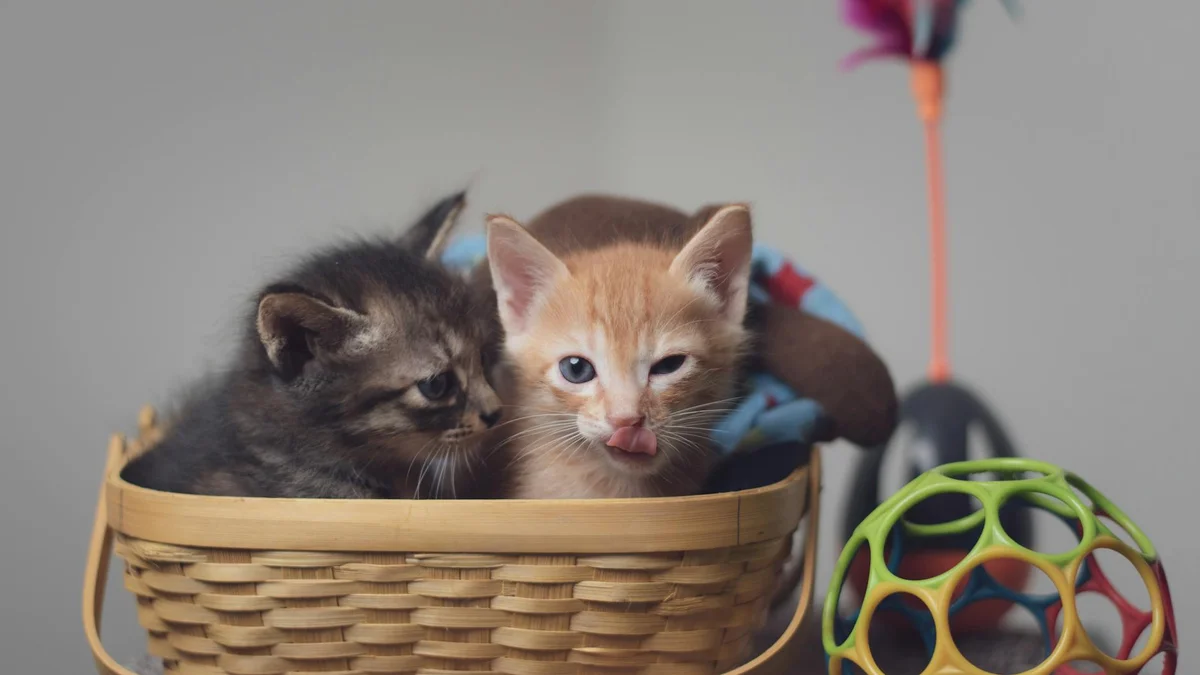
Getting a dog or cat in Vietnam is exciting — but most first-time owners here (locals and expats alike) make the same mistake: they buy food, bring the pet home, then spend the next three days scrambling for a litter box, a leash, or a crate. This checklist fixes that.
Based on 15 years of experience at Mật Pet Family since 2011 and advice given across more than 10,000 pets, this is the practical, Vietnam-specific gear guide you need before your pet's first day home — not after.
What accessories do I need to buy before bringing a dog or cat home?
At minimum, prepare 7 categories of essentials: a sleeping space/crate, food and water bowls, a collar and leash, a litter box (cats) or pee pads/tray (dogs), toys, a grooming brush, and a carrier bag or crate. Budget roughly 800,000 – 3,000,000 VND (about 32–120 USD) depending on your pet's size and how much quality you want.
You don't need everything at once — but 5 of these 7 categories must be ready on Day 1. Read on for exactly what to buy, what to skip, and what actually matters in a Vietnamese apartment or townhouse.
What kind of crate or sleeping space works best in a Vietnamese apartment?
For a typical HCMC or Hanoi apartment (50–80 m²) or narrow townhouse, a folding wire crate for dogs or a fabric/wood cat house for cats is the most practical choice. The minimum crate size should be 1.5× your pet's adult body length — for example, a Toy Poodle needs roughly a 60 × 45 cm crate, while a Golden Retriever needs 100 × 70 cm or larger.
Common options and approximate prices in Vietnam:
- Folding wire crate: 350,000 – 1,200,000 VND (~14–48 USD). Excellent airflow, easy to clean, works for dogs of all sizes.
- Soft fabric crate: 200,000 – 600,000 VND (~8–24 USD). Lightweight and portable — great for cats or dogs under 5 kg.
- Wooden or plastic house: 400,000 – 1,500,000 VND (~16–60 USD). Looks beautiful, but harder to clean and can retain moisture in the South's humid heat.
- Standalone sleeping pad/mat: 150,000 – 500,000 VND (~6–20 USD). Choose breathable materials — mesh cotton or canvas — rather than thick velvet. HCMC regularly hits 33–38°C in the dry season, and a fluffy pad becomes a sweaty nightmare.
Local tip: Don't place the crate directly on a bare cement floor at night — the cold surface can cause loose stools in young puppies or kittens. Position it somewhere with airflow, but not directly under an air-con vent.
For expats living in apartments: most HCMC and Hanoi serviced apartments have tiled floors and central AC — folding wire crates are ideal because they're compact, easy to move when your lease changes, and airline-compliant when it comes time to relocate. Keep this in mind if you're planning to bring your pet back home eventually.
Do I need a collar and leash — and are there rules about this in Vietnam?
Yes, and yes. A collar with an ID tag bearing your phone number is the single fastest way to get a lost pet back. In many districts of HCMC there are local regulations on dogs off-leash in public, and enforcement is increasingly common in residential areas. A basic collar-and-leash set costs 80,000 – 350,000 VND (~3–14 USD); premium leather or PU leather options run 500,000 – 1,200,000 VND (~20–48 USD).
Your collar and leash checklist:
- Flat collar (everyday wear): fit check = you can slide two fingers between the collar and your pet's neck.
- Standard leash, 1.2–1.5 m: ideal for apartment corridors, sidewalks, and park paths.
- Retractable leash (3–5 m): fine in wide open parks, but avoid on busy Vietnamese sidewalks — motorbikes come fast and close.
- Harness: strongly recommended for short-muzzled breeds (Pug, French Bulldog) since collars press on the trachea; priced at 150,000 – 600,000 VND (~6–24 USD).
- ID tag: laser-engraved stainless steel with your local Vietnamese phone number. Costs just 30,000 – 80,000 VND (~1–3 USD) — shockingly few people bother, and it genuinely saves pets' lives.
Expat note: If you use a Vietnamese SIM (recommended), engrave that number. If you rely on WhatsApp/foreign numbers, add a bilingual tag with both. Most finders will call a Vietnamese number first.
How do I set up a litter box or toilet training area properly in an apartment?
Cats need a litter box from the very first hour they arrive home — no substitute, no delay. Dogs being indoor-trained need absorbent pee pads or a mesh training tray during the housetraining period, which typically lasts 4–12 weeks depending on breed and age.
For cats:
- Open litter tray: 80,000 – 250,000 VND (~3–10 USD)
- Hooded/covered litter box: 250,000 – 800,000 VND (~10–32 USD) — noticeably better odor control, excellent for small apartments
- Self-cleaning automatic box: 2,000,000 – 6,000,000 VND (~80–240 USD) — a splurge, but worth it for busy expats who travel frequently
- Clumping bentonite litter: 50,000 – 150,000 VND (~2–6 USD) per 5–10 kg bag — scoop clumps daily, full change 1–2×/week
For dogs:
- Pee pads (50 × 60 cm): 100,000 – 200,000 VND (~4–8 USD) per pack of 30–50
- Mesh tray (plastic or stainless): 150,000 – 400,000 VND (~6–16 USD) — place a pad underneath so the dog doesn't shred it
- Lock in one fixed location at least 1.5 m from food bowls — consistency is everything during training
What toys are actually necessary — and which ones are safe?
Toys aren't decoration. In an enclosed apartment, a bored dog or cat will find their own entertainment — usually your power cables, sofa, or shoe rack. Destructive behavior and excessive barking are almost always symptoms of under-stimulation. A starter toy budget of 200,000 – 500,000 VND (~8–20 USD) is enough to cover the essentials.
Dog toys:
- Tug toy or rope: good for jaw development, works for any breed; 50,000 – 150,000 VND
- Rubber or tennis ball: basic fetch and chase stimulus; 30,000 – 100,000 VND
- Stuffed plush toy: avoid small button eyes or loose parts for puppies under 6 months
- Puzzle feeder / slow feeder: slows eating, stimulates problem-solving — one of the best investments for smart, high-energy breeds; 120,000 – 350,000 VND (~5–14 USD)
Cat toys:
- Feather wand or string teaser: activates hunting instinct; 30,000 – 100,000 VND
- Scratching post: non-negotiable if you want to keep your furniture intact. Must be at least 60 cm tall so the cat can fully stretch — undersized posts get ignored; 150,000 – 500,000 VND (~6–20 USD)
- Tunnel or cardboard box: cats love enclosed spaces — a recycled cardboard box genuinely works
- Bell ball or rolling ball: keeps cats active when you're out of the house
What grooming tools do I need, and how often should I use them in Vietnam's climate?
Grooming isn't just cosmetic — it's how you catch ticks, fleas, and early skin issues before they become vet visits. Vietnam's heat and humidity means pets shed 30–40% more heavily than they would in a temperate climate, so regular brushing makes a real difference to how much hair ends up on your tile floors and furniture.
By coat type:
- Short-coated breeds (Shiba Inu, British Shorthair cat): rubber curry comb or grooming glove — 50,000 – 150,000 VND; brush 2–3×/week
- Long or curly coats (Poodle, Persian cat): slicker brush + wide-tooth comb — 150,000 – 400,000 VND; brush 5–7×/week to prevent painful matting
- Double-coat breeds (Corgi, Husky, Samoyed): undercoat rake or de-shedding tool — 300,000 – 700,000 VND (~12–28 USD); essential during heavy shedding seasons (roughly March–May and September–November)
Other hygiene essentials:
- Pet-safe wet wipes (alcohol-free, low fragrance): 60,000 – 150,000 VND/pack
- Pet toothbrush and enzymatic toothpaste: 80,000 – 200,000 VND — brush 3×/week to prevent tartar buildup, which is a leading cause of expensive vet bills
- Nail clippers: 80,000 – 250,000 VND — trim every 3–4 weeks for low-activity apartment dogs
Which carrier bag or crate should I get for getting around in Vietnam?
This is where Vietnam-specific advice matters most. The majority of local trips — vet visits, grooming salons, weekend outings — happen on motorbikes, not cars. Your carrier needs to hold its shape on a motorbike rack, have strong ventilation, and be secured with a strap or bungee cord. Don't treat this as optional: you'll use it every single time your pet needs to leave the apartment.
Your options:
- Soft fabric carrier: lightweight, foldable, good for cats and dogs under 5 kg; 200,000 – 600,000 VND (~8–24 USD); always choose one with a rigid base board so it doesn't sag
- Transparent capsule backpack: pets can see out, very popular on Vietnamese social media — suitable for pets under 6 kg; 350,000 – 900,000 VND (~14–36 USD); check that ventilation holes are large enough — critical in the heat
- Hard plastic airline crate: safest for cars and mandatory for air travel; 400,000 – 1,200,000 VND (~16–48 USD); worth buying early if you're planning to fly domestically or relocate internationally
- Sling carrier: dogs and cats under 4 kg, casual short walks; 150,000 – 400,000 VND (~6–16 USD)
Critical safety warning: Never leave your pet in a sealed carrier in direct sunlight for more than 15 minutes. Interior temperatures can spike above 45°C, causing potentially fatal heatstroke. Avoid moving during peak heat hours (11am–3pm) in summer.
For expats planning to relocate: If you're likely to fly your pet home or to another country, buy an IATA-compliant hard crate early and use it regularly so your pet is already comfortable in it. Vietnamese domestic airlines (Vietnam Airlines, Vietjet, Bamboo) each have their own in-cabin and cargo rules — confirm dimensions and weight limits directly with the airline, and consult a vet about health certificates and any destination country's import/quarantine requirements well in advance, as regulations change.
How much does it cost to fully kit out a new dog or cat in Vietnam?
Covering all 7 essential accessory categories (excluding food and vaccines) runs approximately 800,000 – 3,000,000 VND (roughly 32–120 USD), depending on pet size and quality tier. Large dogs (15 kg+) cost noticeably more than small dogs or cats because crates, leashes, and toys all need to be bigger.
Estimated budget by category:
- Category — Budget tier — Mid-range tier
- Crate / sleeping space — 200,000 – 400,000 VND — 500,000 – 1,200,000 VND
- Collar + leash — 80,000 – 150,000 VND — 200,000 – 500,000 VND
- Litter box + litter / pee pads — 100,000 – 250,000 VND — 300,000 – 800,000 VND
- Toys (3–4 items) — 100,000 – 200,000 VND — 250,000 – 500,000 VND
- Grooming tools — 80,000 – 150,000 VND — 200,000 – 450,000 VND
- Carrier bag / crate — 150,000 – 250,000 VND — 350,000 – 800,000 VND
- Hygiene extras — 100,000 – 200,000 VND — 200,000 – 400,000 VND
- Total estimate — 810,000 – 1,600,000 VND (~32–64 USD) — 2,000,000 – 4,650,000 VND (~80–186 USD)
Smart approach: Buy the 5 must-haves first (sleeping space, food/water bowls, toilet setup, collar, carrier) before your pet arrives. Toys and advanced grooming tools can follow in the first 1–2 weeks once you've observed your pet's personality and energy level.
When you adopt a purebred dog or cat from Mật Pet Family, the advisory team will recommend the right accessory sizes and types for your specific breed — and every pet comes covered by our health warranty policy, the first and only one of its kind in Vietnam.
A note for expats: finding English-speaking vets and pet services in Vietnam
Once you have your accessories sorted, building a local support network matters. For English-speaking vet recommendations in HCMC and Hanoi, the Expats in Ho Chi Minh City and Hanoi Expats Facebook groups are reliable starting points — members regularly share updated vet reviews. InterNations Vietnam chapters also maintain resource lists. Ask specifically for vets experienced with health certificates for international travel if relocation is on the horizon.
For pet-friendly housing, most modern serviced apartments in District 2, District 7, Thảo Điền, and Mỹ Đình allow small pets — always confirm in writing before signing a lease, and clarify the building's breed and weight restrictions.
Ready to get set up? Talk to the Mật Pet Family team
If you're preparing for your first pet in Vietnam and want personal advice — the right crate size, which litter works best for your apartment layout, which brush suits your breed — the team at Mật Pet Family offers free consultations, in person or by phone.
With over 15 years of experience since 2011, a community of 8.7 million pet lovers, and founder Sếp Mai (Ms. Mai) still hands-on in day-to-day operations, Mật Pet Family is the most established specialist pet source in Vietnam. English support is available — call 0939 863 696 or visit the Mật Pet Family showroom to see the full accessories range in person and get breed-specific guidance.
Every pet purchased through Mật Pet Family is backed by our health warranty policy — a commitment unique in Vietnam that gives new owners genuine peace of mind from Day 1.
Frequently asked questions about pet accessories in Vietnam
Can I use a regular human collar on my dog or cat?
No. Human necklaces and fashion accessories lack a safety-release buckle — if your pet gets snagged on furniture or a fence, a non-release collar won't open and can cause choking. Proper pet collars start at 80,000 VND (~3 USD) and are designed with this risk in mind.
Do I need a hooded litter box for an indoor cat in a small apartment?
A hooded box significantly reduces odor and litter scatter — both major benefits in a small HCMC apartment. That said, some cats (especially new arrivals or older cats) refuse to use enclosed boxes. Start with an open tray, let your cat settle in, then upgrade to a hooded version once they're comfortable.
Is a capsule backpack safe for motorbike rides in Vietnam's heat?
Only for rides under 20 minutes and only if the backpack has at least 4–6 large ventilation holes. Interior temperatures inside a sealed capsule can climb dangerously fast when you're stuck at a red light. Bring a damp cloth, travel during cooler hours (early morning or after 5pm), and never leave the carrier in direct sunlight.
How tall does a cat scratching post need to be?
At least 60 cm from the floor — tall enough for an adult cat to fully extend its body while scratching. This full-stretch motion is how cats decompress their spine; it's not just about nail maintenance. A post that's too short simply gets ignored, and your sofa pays the price.
I'm planning to fly my pet out of Vietnam eventually — what should I know about carriers and paperwork?
Start with an IATA-compliant hard plastic crate and crate-train your pet early so travel is less stressful. For the paperwork side: you'll typically need a health certificate from a licensed Vietnamese vet, a microchip (ISO standard), and compliance with your destination country's import and quarantine rules. Requirements vary significantly by country and change regularly — always verify current rules with your destination country's embassy or agriculture authority, and use a vet experienced with international pet travel. General guidance is available from the Vietnamese Department of Animal Health (Cục Thú Y).
Do I need to buy everything before my pet comes home, or can I phase it?
Phase it. The 5 non-negotiables on Day 1 are: sleeping space, food and water bowls, toilet setup (litter box or pee pads), collar with ID tag, and a carrier. Toys and specialist grooming tools can wait a week or two until you know your pet's personality and preferences.
Related articles

Designing a Pet-Friendly Home Office in Vietnam — Space Layout, Equipment & How to Balance Work and Your Dog or Cat

Pet Photography Through Vietnam's Four Seasons — Lighting, Backgrounds & Tips for Year-Round Beautiful Shots

Saying Goodbye to Your Pet — A Compassionate Guide to Grief, Memory, and Healing for Expat Families in Vietnam
Interested in pets from Mật Pet?
15 years of trust · 10,000+ pets delivered to Vietnamese families · Free 30-day health warranty · Nationwide delivery.