
Eye Care for Dogs & Cats in Vietnam — Cleaning Routine, Warning Signs, and When to See a Vet
Complete guide to pet eye care in Vietnam's humid climate — daily cleaning steps, discharge colour chart, and emergency signs. Expert advice from Mật Pet Family.
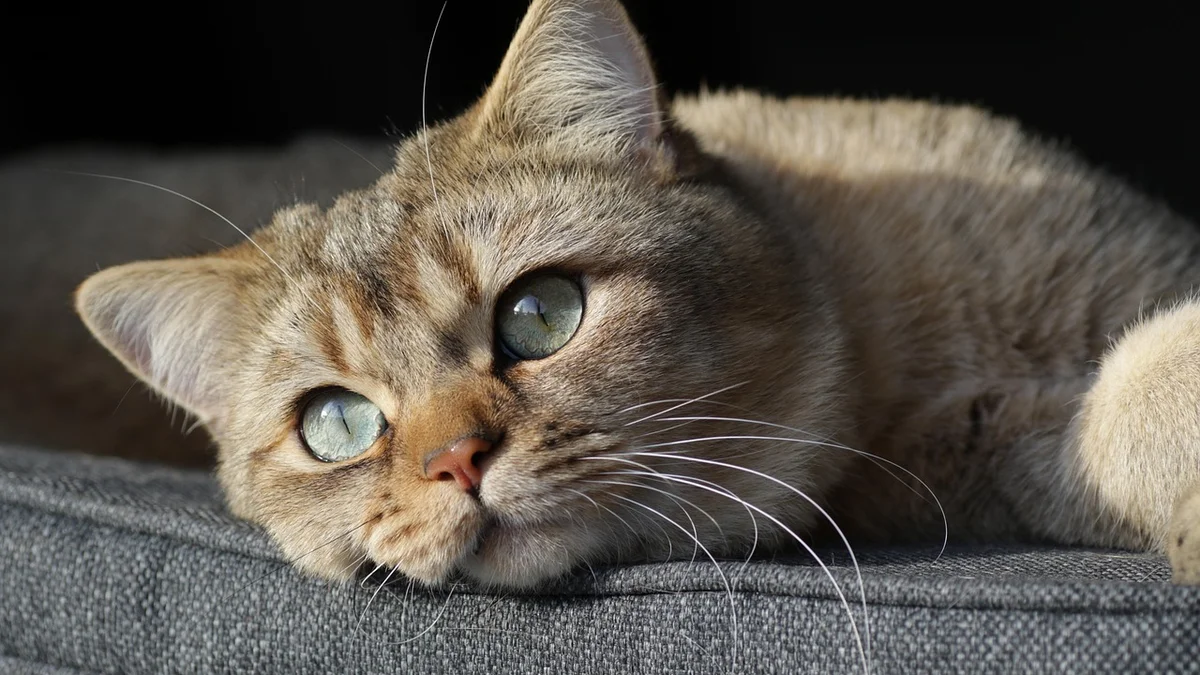
Your dog or cat produces a small amount of eye discharge every day — that's completely normal. The problem starts when that discharge changes colour, develops a smell, or the eye stays red and swollen for more than 24–48 hours without improving on its own. In Vietnam, where year-round humidity sits between 75–85%, bacteria and fungi multiply faster than in temperate climates, making eye problems noticeably more common — especially during the hot season.
Why does Vietnam's climate make eye care more important for pets?
Ho Chi Minh City and the south regularly hit 33–40°C during the dry season, with high humidity persisting all year. That combination accelerates bacterial growth around your pet's eyes — particularly in breeds with flat faces or prominent, round eyes. Without proper cleaning three to four times a week, secretions accumulate and can trigger an infection within just 48–72 hours.
Apartment living adds another layer of risk. Most expats in HCMC, Hanoi, and Da Nang keep their pets in air-conditioned flats, and continuous AC dries the air, which irritates the corneal surface. On top of that, urban air quality in both HCMC and Hanoi frequently reaches an AQI of 80–150 on polluted days — airborne dust and particulates are a common but overlooked cause of red, watery eyes.
Having cared for tens of thousands of pets since 2011, the team at Mật Pet Family consistently sees bacterial conjunctivitis and corneal ulcers as the two most frequent eye issues in pets living in Vietnam's major cities, with cases spiking noticeably between April and June.
How do I clean my pet's eyes properly at home?
For routine home eye cleaning, use sterile 0.9% saline (NaCl) or a veterinary-formulated eye rinse, applied with lint-free cotton pads, three to four times a week. Avoid ordinary filtered water or paper towels — both can scratch the cornea.
Step-by-step cleaning routine:
- Step 1 — Prep: Wash your hands thoroughly. Set out two or three separate cotton pads for each eye. Settle your pet on a table or in your lap so they feel secure.
- Step 2 — Apply solution: Drop 2–3 drops of saline into the inner corner of the eye (the side closest to the nose). Tilt the head back gently for 3–5 seconds so the solution spreads across the eye.
- Step 3 — Wipe discharge: Using a saline-dampened cotton pad, wipe from the inner corner outward in a single smooth stroke — never scrub back and forth. Use a fresh pad for each wipe.
- Step 4 — Clean skin folds: For flat-faced breeds (Pugs, French Bulldogs, Persian cats, Exotic Shorthairs), use a separate damp pad to clean inside the facial folds around the eye socket — these warm, moist pockets are prime spots for bacterial build-up.
- Step 5 — Reward immediately: Give a treat right after each session. Most dogs and cats stop resisting within two to three weeks once they associate the routine with something positive.
Recommended frequency by breed type:
- Flat-faced, large-eye breeds (Pug, Persian, Exotic Shorthair, French Bulldog): daily or every other day
- Long-haired breeds with fur near the eyes (Maltese, Yorkshire Terrier, Ragdoll): 3–4 times per week
- Typical healthy breeds with no structural issues: 2–3 times per week
What does normal eye discharge look like — and what's a red flag?
Light brown or cream-coloured discharge, present in small amounts and dried into a tiny crust at the inner corner each morning, is completely normal physiological secretion. Yellow-green, bright green, or cloudy white discharge — or any unusually large volume during the day — means your pet needs a vet visit within 24 hours.
Quick reference chart:
- Discharge appearance — Assessment — Action
- Light brown / cream, dry, minimal — Normal — Routine cleaning
- Clear, slightly more than usual — Possible mild irritation — Monitor 24–48 h; rinse out dust
- Yellow or green-tinged, thick — Bacterial infection likely — Vet within 24 hours
- Cloudy white, heavy volume — Possible keratitis — Vet within 24 hours
- Blood-tinged or dark red-brown — Serious — Emergency vet now
Beyond discharge colour, watch for these behavioural signs:
- Eye held one-third or more closed while awake → pain or irritation
- Repeatedly pawing at the eye or rubbing the face on furniture
- Redness lasting more than 12 hours
- Pupils noticeably unequal in size
- A white or pale blue film spreading over the pupil (possible corneal ulcer — treat as an emergency)
Which dog and cat breeds are most prone to eye problems in Vietnam?
Brachycephalic (short-skulled) and prominent-eye breeds carry the highest risk: Pugs, French Bulldogs, large-eyed Chihuahuas, Persian cats, Exotic Shorthairs, and Scottish Folds. Long-haired breeds whose facial fur brushes the cornea — Yorkshire Terriers, Maltese, Shih Tzus — also need special attention because chronic fur-on-cornea contact leads to persistent micro-scratches.
Risk by breed group:
Group 1 — Very high risk (check eyes daily):
- Pug, French Bulldog, Chihuahua: eyes protrude beyond the orbital rim, highly vulnerable to scratches on contact, prone to dry eye
- Persian cat, Exotic Shorthair: deep facial folds create damp pockets around the eye; chronic tearing causes skin inflammation
- Scottish Fold: unusual facial bone structure can impair nasolacrimal duct drainage
Group 2 — Moderate risk (clean 3–4 times per week):
- Shih Tzu, Maltese, Yorkshire Terrier: facial fur needs trimming close to the eyes every 3–4 weeks
- Ragdoll, Maine Coon: long lashes can cause chronic low-grade irritation
Group 3 — Lower risk (clean 2–3 times per week):
- Labrador Retriever, Golden Retriever, Corgi: normal eye anatomy, but still need regular maintenance
- British Shorthair, Russian Blue: fewer structural eye issues, though routine care should not be skipped entirely
If you're still choosing a breed and want to understand the exact eye-care commitment involved, the consultants at Mật Pet Family can walk you through it — whether you're looking at dogs or cats.
A note for expats in apartments: flat-faced breeds already have higher eye-care needs, and compact apartment spaces with centralised air conditioning amplify those needs further. If you travel frequently for work or are unsure how consistently you can maintain a daily cleaning routine, a Group 3 breed will be more forgiving.
What are the most common eye diseases in pets, and how do I spot them early?
The three most frequently seen eye conditions in Vietnam are conjunctivitis (accounting for roughly 40–50% of eye-related vet consultations), corneal ulcers, and cataracts in pets over seven years old. Catching any of these within the first 24–48 hours makes treatment significantly simpler and greatly reduces the risk of permanent vision loss.
1. Conjunctivitis
- Signs: red eye, watery or yellow-green discharge, squinting, repeated pawing at the eye
- Common causes in Vietnam: bacterial infection (favoured by the humid climate), dust allergies, spread from another pet in the household
- Treatment: antibiotic eye drops prescribed by a vet, typically a 5–7 day course. Do not use human eye drops — the concentrations and active ingredients differ and can cause serious harm.
2. Corneal Ulcer
- Signs: eye held tightly shut, heavy tearing, light sensitivity, visible cloudy or hazy patch on the pupil
- Causes: fur scratching the cornea, foreign particles, untreated conjunctivitis that has progressed
- Urgency: same-day vet visit, no exceptions — leaving a corneal ulcer untreated overnight risks perforation
- Estimated treatment cost in HCMC: 300,000–800,000 VND (roughly 12–32 USD) for mild cases; surgical intervention for severe cases can reach 3–5 million VND (roughly 120–200 USD)
3. Cataract
- Signs: pupil takes on a grey-blue or cloudy white appearance; pet bumps into familiar objects; reluctance to move in dim light
- More common in pets over 7–8 years old, or in diabetic animals
- Not an emergency, but schedule a check-up every six months once identified
4. Glaucoma
- Signs: eye appears to bulge abnormally, feels firm to a very gentle touch, pet is lethargic and off food
- Requires urgent treatment within hours to prevent permanent blindness
For pets purchased through Mật Pet Family, initial eye-health questions are covered under our health warranty policy — the only written pet health warranty of its kind in Vietnam.
How much does pet eye care and treatment cost in Vietnam?
Routine home care is very affordable: a 10 ml bottle of 0.9% saline runs 10,000–30,000 VND (under 1.50 USD), and a pack of medical cotton pads costs around 20,000–40,000 VND (roughly 1–1.50 USD). Vet clinic costs in HCMC range from 150,000–800,000 VND (6–32 USD) for a standard conjunctivitis case, rising to 5–15 million VND (200–600 USD) if surgery is needed.
Reference cost table for HCMC:
- Item — Estimated cost
- 0.9% saline solution (10 ml) — 10,000–30,000 VND (~0.40–1.20 USD)
- Veterinary preventive eye drops — 80,000–200,000 VND (~3–8 USD)
- Vet eye examination — 100,000–300,000 VND (~4–12 USD)
- Conjunctivitis treatment (meds + follow-up) — 300,000–800,000 VND (~12–32 USD)
- Corneal ulcer treatment (mild to moderate) — 500,000–2,000,000 VND (~20–80 USD)
- Eye surgery (severe cases) — 3,000,000–15,000,000 VND (~120–600 USD)
- Prescription antibiotic eye drops — 80,000–250,000 VND (~3–10 USD) per tube
Practical ways to keep costs down:
- Consistent home cleaning reduces vet visits for simple conjunctivitis by an estimated 60–70%
- Early detection (within 24–48 hours) can mean treatment costs three to five times lower than waiting until the condition progresses
- Trimming facial fur every 3–4 weeks for long-haired breeds is the cheapest preventive measure available
For expats: if you have international health insurance that includes a pet rider, or expat-focused pet insurance (some providers now cover pets in Southeast Asia), keep your vet receipts — even straightforward eye treatments are reimbursable under many plans.
When does an eye problem need a same-day — or emergency — vet visit?
Take your pet to a vet the same day if you notice yellow or green discharge, an eye that won't open fully, any cloudiness on the pupil, or non-stop pawing and face-rubbing. These signs will not resolve on their own, and waiting beyond 24 hours risks irreversible complications.
Go to the vet today (same day, not tomorrow):
- Yellow, green, or cloudy white discharge in any significant volume
- Eye partially or fully closed
- Persistent pawing at the eye or face-rubbing on surfaces
- Any hazy, white, or sunken-looking area on the pupil
- Redness that has not improved after 12 hours
Emergency — go immediately, do not wait:
- One eye visibly protruding or noticeably larger than the other
- Blood-tinged discharge
- Lethargy and loss of appetite alongside the eye problem
- Eye appears ruptured, or clear fluid is leaking from it
Critical warning for all pet owners: never use human eye drops — including chloramphenicol or Tobrex formulated for people — on dogs or cats. The concentrations and excipients are different, and misuse can cause permanent blindness. Always use products with a veterinary indication, or follow a vet's written prescription.
Finding an English-speaking vet in Vietnam: HCMC and Hanoi both have several clinics accustomed to foreign clients, and vets at international-standard clinics often speak functional English. The most reliable way to find one near your neighbourhood is to ask in expat Facebook groups (search "expat HCMC" or "Hanoi expats") or through Internations Vietnam — fellow expats with pets are usually happy to share vetted recommendations.
FAQ — Pet eye care questions from expats in Vietnam
Will my dog or cat's red eye clear up on its own?
Mild redness caused by dust or brief irritation can settle within 6–12 hours after a saline rinse. However, if the redness persists beyond 12–24 hours or is accompanied by any abnormal discharge, it will not self-resolve — a vet visit is needed to prevent complications.
Can I use human saline solution to rinse my pet's eyes?
Plain 0.9% NaCl saline (the kind sold as eye rinse drops for people) is fine for routine cleaning. But any eye drops containing active ingredients — antibiotics, anti-inflammatories, antihistamines — formulated for humans must never be used on pets without explicit veterinary instruction. The concentrations and preservatives differ and can be toxic.
My pet has constant watery eyes — should I be worried?
A small amount of clear tearing is normal, especially in prominent-eye breeds. It becomes a problem when the moisture soaks the fur under the eye into wide reddish-brown staining (epiphora), produces an unpleasant smell, or causes skin inflammation in the area. These are signs of a blocked nasolacrimal duct or secondary infection that needs treatment.
What is a blocked tear duct and is it serious?
A blocked tear duct (nasolacrimal obstruction) means tears can't drain through the nose normally and overflow onto the cheek instead, creating chronic wet-skin dermatitis. It's not immediately life-threatening, but without treatment it causes recurring skin infections. A vet can flush the duct with a simple procedure typically costing 200,000–500,000 VND (roughly 8–20 USD).
Do long-haired cats need fur trimmed around their eyes?
Yes. For Persian, Ragdoll, and Maine Coon cats, facial fur that touches the cornea is the leading cause of chronic corneal micro-scratches and recurring eye inflammation. Trim the fur around the face every 3–4 weeks, maintaining at least 1–2 cm of clearance between the fur tips and the eye surface.
I'm moving to Vietnam — will I need to do anything special for my pet's eyes after arrival?
The jump to Vietnam's heat and humidity is a real adjustment for pets coming from temperate countries. During the first four to six weeks, monitor your pet's eyes more closely than usual — the combination of climate change stress, new environmental allergens, and unfamiliar air quality can temporarily increase discharge and redness. Increase cleaning frequency to daily during this settling-in period, and register with a local vet early so you have a contact ready if anything escalates. For general guidance on importing a pet into Vietnam, consult the Department of Animal Health and confirm current quarantine requirements with your destination country's embassy before travel — rules change and vary by species and origin country.
How can Mật Pet Family help with your pet's eye health?
If you're unsure about your pet's eyes — whether it's choosing the right cleaning product, reading an unusual discharge, or knowing whether a symptom warrants an urgent vet call — the specialists at Mật Pet Family are here to help. With more than 15 years of experience since 2011, and having cared for tens of thousands of pets across Vietnam, our team gives practical, breed-specific guidance rather than generic answers.
We're the first pet shop in Vietnam to offer a comprehensive health warranty policy, and initial eye-health consultations for pets in our care are included. You're also welcome to visit our showroom for a complimentary product consultation and a basic eye-condition assessment.
For faster support, call our hotline at 0939 863 696 — English-speaking assistance is available. You can also browse our full range of dog breeds and cat breeds online, or visit the Mật Pet Family English blog for more care guides written specifically for expat pet owners in Vietnam.
Related articles
Pet Care During Tết in Vietnam — Keeping Your Dog or Cat Safe, Calm, and Healthy Through the Holiday
Toilet Training Your Dog or Cat in Vietnam — Step-by-Step Housebreaking, Accident Management, and Building Lasting Habits
Nutrition for Spayed & Neutered Dogs and Cats in Vietnam — Portion Sizes, Food Types, and Post-Surgery Adjustments
Interested in pets from Mật Pet?
15 years of trust · 10,000+ pets delivered to Vietnamese families · Free 30-day health warranty · Nationwide delivery.