
Pet Care During Tết in Vietnam — Keeping Your Dog or Cat Safe, Calm, and Healthy Through the Holiday
Tết brings fireworks, unfamiliar food, and disrupted routines—major stress for pets. Expert tips from Mật Pet Family on managing anxiety, preventing food poisoning, and maintaining wellness during Vietnam's longest holiday.
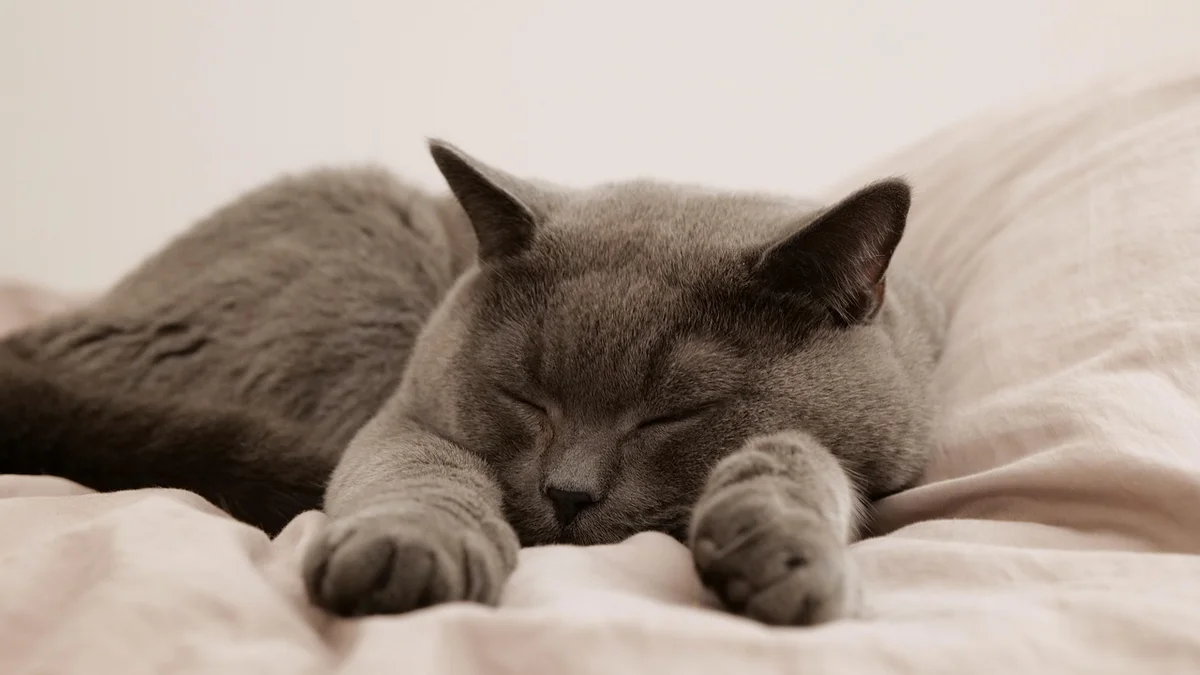
Tết Nguyên Đán is Vietnam's longest holiday—but for dogs and cats, it's the most stressful and risky period of the year. Fireworks from January 29th through February 1st can reach 120–140 decibels, triggering severe panic in noise-sensitive pets. Add disrupted feeding schedules, unfamiliar human foods at the dinner table, constant visitors, and open doors, and you have a recipe for anxiety, food poisoning, and lost pets. With 15 years of experience caring for thousands of pets through Vietnamese holidays, Mật Pet Family has seen it all—and the good news is that most Tết hazards are entirely preventable with a little advance planning.
What are the main health and safety risks for dogs and cats during Tết in Vietnam?
Tết creates at least four overlapping hazard zones for pets: extreme noise stress from fireworks, toxic holiday foods laden with oils and spices, sudden schedule disruptions that throw off digestion and sleep, and increased foot traffic that makes escape and getting lost far more likely. Over 15 years, we've tracked four recurring risk clusters every Tết season.
Noise-induced panic ranks first. Fireworks at 120–140 decibels can trigger acute anxiety, trembling, loss of appetite lasting 2–3 days, and even aggression in sensitive pets. Food toxicity is second—Tết staples like bánh chưng (sticky rice cake), kho mỡ (fatty meat stew), and sweet treats often contain garlic, onion, xylitol (in sugar-free candy), or dangerously high salt and fat that exceed a pet's safe intake. Third, routine collapse—late nights, irregular mealtimes, and 6–8 hour stretches alone while the family visits relatives create digestive upset and behavioral problems that can persist weeks into February. Fourth, escape risk spikes sharply; dozens of visitors coming and going, children running around, and half-closed doors give pets multiple chances to bolt—Tết is peak season for lost pets in Vietnam.
How can I help my dog or cat cope with fireworks and loud noise on New Year's Eve?
Start preparing 1–2 weeks before Tết. Create a quiet "safe room"—typically a bedroom or storage area—stocked with familiar-smelling blankets, white noise or calming music playing continuously from 8 PM on January 29th, and keep your pet confined there during peak fireworks (11:30 PM–12:30 AM). The goal is predictable calm, not isolation.
Step-by-step approach:
Desensitize gradually. One to two weeks before Tết, play low-volume fireworks videos and slowly increase volume over several sessions. Reward with treats each time your pet stays calm. This works best for anxious but not severely phobic pets.
Set up a den. Prepare a crate, large cardboard box, or tucked corner behind furniture lined with your pet's favorite blanket. Never force your pet out of the den while hiding—that's their sanctuary.
Use white noise or calming music. Start playing from 9 PM on January 29th continuously. Research from the University of Glasgow (2017) showed classical or soft rock music significantly reduced stress markers in dogs compared to silence punctuated by sudden explosions.
Apply synthetic pheromones. Plug in an Adaptil diffuser (dogs) or Feliway (cats) 3–5 days before Tết—these mimic calming natural pheromones. Cost: roughly 350,000–550,000 VND (US$14–22 at 1 USD = 25,000 VND). Available at most pet shops in Vietnam.
Never self-prescribe human sedatives. If your pet has a history of severe panic attacks, consult a veterinarian before Tết to obtain a prescription for veterinary-grade anti-anxiety medication at a safe dose. Human sedatives are dangerous—the dosage and ingredients are entirely different.
Which Tết foods are toxic to dogs and cats, and what should I keep completely out of reach?
At least eight common Tết dishes pose serious toxicity risk: garlic and onion (in dưa hành pickles and giò thủ pâté), chocolate, grapes and raisins (in sweet cakes), xylitol-sweetened candy, fatty meat stew heavy in salt, cooked poultry bones, alcohol, and fried bánh chưng. The most dangerous are xylitol, grapes/raisins, and garlic—each has caused acute kidney failure and death in documented cases.
Toxic Tết foods reference:
- Food — Why It's Dangerous — Severity
- Garlic & onion (in dưa hành, giò thủ) — Destroys red blood cells; causes anemia — High
- Chocolate, cocoa — Theobromine toxin; causes seizures, arrhythmia — Very High
- Xylitol (sugar-free candy, mứt) — Triggers sudden hypoglycemia and liver failure — Very High
- Grapes & raisins (in cakes) — Unknown mechanism but causes acute kidney failure — Very High
- Cooked poultry bones (from giò, soup) — Splinters perforate intestines — High
- Salty meat stew (thịt kho mặn, giò chả) — Excess sodium damages kidneys — Medium–High
- Alcohol (rượu, bia) — Neurotoxin; hypoglycemia and respiratory depression — Very High
- Fried bánh chưng (deep-fried cake) — High fat triggers acute pancreatitis — Medium
If your pet accidentally eats any of these: rush to a vet within 1–2 hours, especially for xylitol and chocolate. Do not induce vomiting without veterinary guidance. Keeping a small bag of your pet's familiar treats in your pocket and assigning one family member to "pet watch" during gatherings (similar to childcare) is the simplest prevention.
How do I maintain my pet's routine during the long Tết holiday?
Keep feeding times and exercise windows fixed within ±30 minutes, even while the whole family is on holiday. Pets have sensitive biological clocks—disrupting them for 7–9 consecutive days causes digestive trouble, insomnia, and behavioral problems that can last into late February.
Sample daily schedule to maintain (adjust to your pet's normal times):
- 6:30–7:00 AM: Breakfast—set an automatic feeder timer or assign one family member to feed, even if everyone else is still sleeping.
- 8:00–8:30 AM: Walk and light exercise (15–20 minutes) for dogs—don't skip even if it's raining or you have guests.
- 5:30–6:00 PM: Afternoon meal and repeat evening walk.
- 10:00–10:30 PM: Bedtime—keep your pet's room quiet and dark; prevent children from playing in the pet's space after this time.
Practical tip: Stock 9–10 days of food before Tết (by January 27th) because many pet shops close January 28–February 3 or 5. Dry kibble stores well at room temperature, but canned or pâté foods spoil within 24–48 hours of opening and must be refrigerated.
How do I prevent my dog or cat from escaping and getting lost during Tết?
Gear your pet with a new ID tag and microchip before the holiday starts. Tết foot traffic is 3–4 times higher than normal—the risk of your pet bolting unnoticed is real. Even well-trained pets can slip out in the chaos of guests arriving and leaving.
Pre-Tết checklist:
- Update ID tags. Check if the old tag is still legible. Laser-engraved new tags cost 30,000–80,000 VND (US$1.20–3.20) and should include your pet's name and your phone number.
- Get a microchip (if not already done). A 15-digit ISO microchip takes 5 minutes and costs 150,000–300,000 VND (US$6–12) at any veterinary clinic. This is your pet's digital lifeline if they go missing.
- Post warning signs. Tape "Cẩn thận: Có chó/mèo — Please close door carefully" near your front gate and all entrances. Simple, but it works with unfamiliar visitors.
- Designate a "lockdown room." When you have guests over, confine your pet to a bedroom or quiet room with the door firmly (but gently) closed. This single step prevents most Tết escapes.
- Take fresh ID photos every 3 months. One good-quality photo showing your pet's face, markings, and color is essential if they go missing. Old photos from 1–2 years ago won't help rescuers identify them accurately.
What if I need to leave my pet alone while the family visits relatives for the day?
Under 4 hours: provide fresh water, leave lights on, play soft radio or TV, and offer a puzzle feeder toy (keeps them occupied 30–60 minutes). Over 4–6 hours: have a trusted neighbor or friend check in midday for a bathroom break and to verify your pet is calm. Over 8 hours or an entire day: seriously consider professional pet boarding. Many boarding facilities in HCMC and Hanoi offer daily rates during Tết (book 2–3 weeks in advance—holiday slots fill fast). Your pet gets proper meals, potty breaks, attention, and health monitoring in a dedicated facility instead of suffering isolation anxiety at home.
For families spending 5–9 days in their hometown, arrange boarding from December onwards to secure a spot during your preferred dates. It's worth the cost for peace of mind and your pet's wellbeing.
What extra costs should I budget for pet care during Tết?
Beyond regular food costs, plan an additional 300,000–2,000,000 VND (US$12–80) depending on your choices: boarding, pheromone diffusers, extra treats, and a preventive vet checkup. Budgeting ahead prevents last-minute surprises and ensures your pet gets quality holiday care.
Estimated Tết pet care expenses:
- Item — Estimated Cost
- Extra food (10-day supply, mid-range kibble) — 400,000–1,200,000 VND
- Pheromone diffuser (Adaptil or Feliway) — 350,000–550,000 VND
- New ID tag — 30,000–80,000 VND
- Pet boarding (5–7 days, if needed) — 500,000–2,500,000 VND
- Preventive vet checkup — 150,000–400,000 VND
- Extra toys/treats for enrichment — 100,000–300,000 VND
This isn't frivolous spending—it's responsible pet ownership. Your peace of mind and your pet's health and safety during the year's biggest celebration are absolutely worth the investment.
Frequently Asked Questions About Pet Care During Tết
Q: Can my dog or cat eat bánh chưng (sticky rice cake)?
No. Bánh chưng contains higher salt, fat, and processed mung bean content than your pet's nutritional needs. Fried bánh chưng risks acute pancreatitis. Stick to your pet's regular food throughout the holiday.
Q: My pet is terrified of fireworks. Should I give them sedatives?
It depends on severity. If your pet merely hides and trembles slightly, a safe room, white noise, and pheromones usually suffice. If your pet shows severe panic (uncontrollable panting, self-injury, complete loss of appetite), contact a vet before Tết to arrange prescription anti-anxiety medication at the proper dose. Never give human medications.
Q: When should I bathe my pet before or after Tết?
Bathe 3–5 days before Tết so the coat has time to dry and recover naturally. Avoid bathing right before New Year's Eve—your pet may get cold from damp fur combined with stress-related low body temperature regulation. Post-Tết is also a good time if your pet had lots of contact with visitors or went outside frequently during the holiday.
Q: Do pets understand "Tết spirit" and need psychological preparation?
Pets don't understand cultural holidays, but they absolutely sense the shift in household energy—unfamiliar noises, scents, schedules, and emotional intensity. Well-socialized pets (exposed to varied people and situations) adapt more easily. Spend an extra 10–15 minutes daily on one-on-one interaction with your pet during Tết to reinforce their sense of security despite the external chaos.
Q: Will local vet clinics be open during Tết if my pet has an emergency?
Some larger veterinary clinics in HCMC and Hanoi maintain 24/7 emergency coverage during Tết, but availability is limited. Before Tết, save the phone numbers of 2–3 nearby clinics and call ahead to confirm their Tết hours so you're not scrambling in a crisis.
Q: Does Mật Pet Family provide support during Tết?
Yes. Our team is on call via hotline and messaging throughout the Tết holiday. Every pet adopted from Mật Pet Family is covered under our lifetime health warranty—we're here to support you 365 days a year, not just on ordinary days. If you need advice on safe Tết snacks, pre-holiday grooming schedules, or booking boarding, we're a message away.
Mật Pet Family Walks With You Through Every Tết
A peaceful Tết for your pet means a peaceful holiday for your whole family. Whether you're an expat who just brought home your first Vietnamese Tết celebration with a pet, or a longtime resident looking to improve your pet's holiday experience, the foundation is the same: advance planning, routine stability, and a trusted support network.
If you need personalized guidance—choosing safe Tết snacks, scheduling grooming before the holiday, booking boarding, or just checking in about your pet's anxiety—reach out to Mật Pet Family today.
📞 Hotline: 0939 863 696 Available via call, SMS, and messaging throughout Tết.
Visit our showroom in Ho Chi Minh City for a 1-on-1 consultation before the holiday. You can also explore our dog catalog, cat catalog, and pet care resources to learn more about keeping your pet healthy year-round. And if you're new to pet ownership in Vietnam, our health warranty and lifetime member benefits are designed to give you confidence every step of the way.
Related articles
Toilet Training Your Dog or Cat in Vietnam — Step-by-Step Housebreaking, Accident Management, and Building Lasting Habits
Nutrition for Spayed & Neutered Dogs and Cats in Vietnam — Portion Sizes, Food Types, and Post-Surgery Adjustments

Caring for Dogs & Cats During Vietnam's Rainy Season — Disease Prevention, Hygiene & Nutrition for Expats
Interested in pets from Mật Pet?
15 years of trust · 10,000+ pets delivered to Vietnamese families · Free 30-day health warranty · Nationwide delivery.