
Munchkin Cats in Vietnam — Breed Profile, Temperament, and Complete Care Guide for Expats
Munchkin cats: short legs, big personality, and perfect for apartment life in Vietnam. Full breed guide from Mật Pet Family — health, costs, and expat tips.
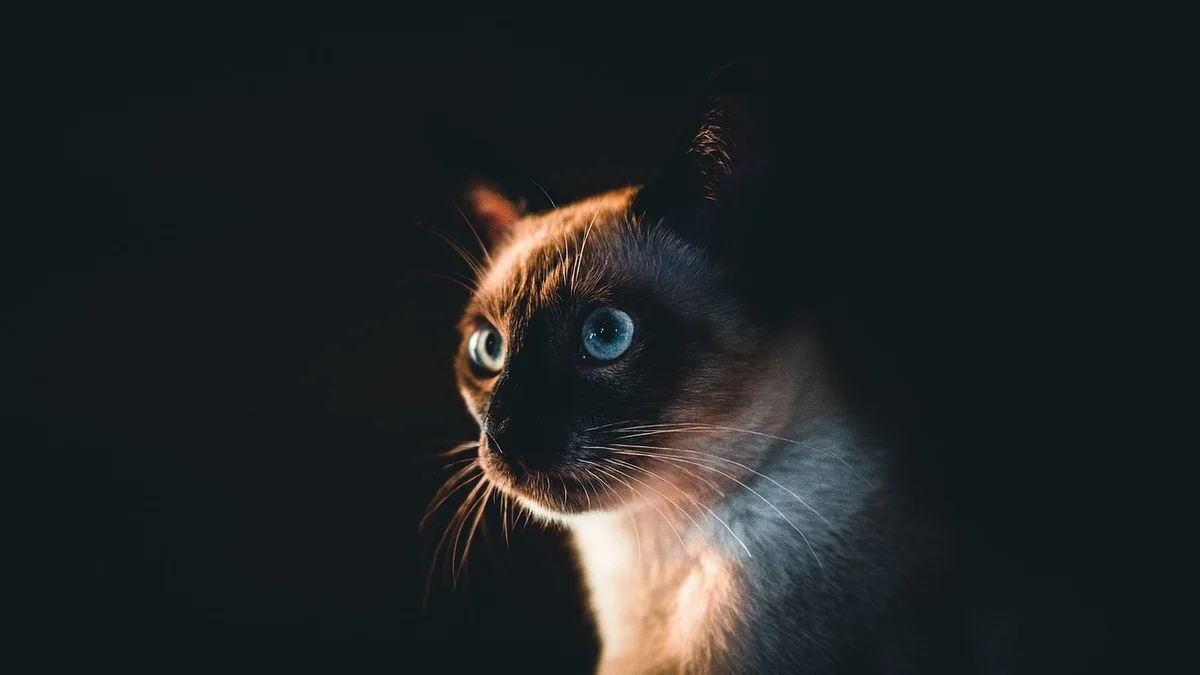
If you've spent more than five minutes scrolling Vietnamese pet communities, you've almost certainly stopped to stare at a Munchkin. Those absurdly short legs, that confident little waddle, the completely unbothered expression — it's a combination that stops people in their tracks. But beyond the cuteness factor, is a Munchkin actually a good fit for expat life in Ho Chi Minh City, Hanoi, or Da Nang? This guide breaks down everything you need to know: what they're really like to live with, how they handle Vietnam's heat and humidity, what they cost, and what health considerations actually matter.
What is a Munchkin cat, and why are they so popular in Vietnam?
The Munchkin is a naturally occurring short-legged cat breed, officially recognised by TICA (The International Cat Association) since 1994. In Vietnam, Munchkins consistently rank among the top five most-searched cat breeds — and it's easy to understand why. They're compact, gentle, low-drama, and genuinely well-suited to apartment living, which is exactly how most people in HCMC and Hanoi actually live.
The short legs aren't the result of human manipulation — they come from a naturally occurring autosomal dominant gene mutation, similar to how Dachshunds and Corgis got their stature. Despite being 5–8 cm shorter in the leg than a standard domestic cat, Munchkins run, jump, and climb with surprising speed and agility. They just can't quite reach the top shelf — which, depending on your decor situation, might actually be a selling point.
For expats living in a 50–100 m² apartment in HCMC or Hanoi, a Munchkin ticks a lot of boxes: small footprint, quiet disposition, adaptable temperament, and genuinely affectionate without being clingy. They're also one of the breeds the team at Mật Pet Family sees the most interest in from foreign residents, partly because the personality translates well regardless of your lifestyle or household setup.
How do I identify a purebred Munchkin?
A purebred adult Munchkin weighs between 2.5–4.5 kg and stands roughly 15–20 cm at the shoulder — significantly shorter than the average domestic cat's 25–30 cm — but with a proportionally long, well-balanced body. The characteristic waddle when they walk quickly is unmistakable and, frankly, endearing.
Key physical traits to know:
- Legs: 5–8 cm shorter than a standard cat, but muscular and sturdy. Movement is faster and more nimble than the build suggests.
- Body: Rounded and compact — not overweight, not bony. A well-proportioned Munchkin looks like a miniaturised, slightly more determined version of a regular cat.
- Head and face: Gently rounded triangular head, medium ears, large round eyes in a range of colours — amber, green, blue, or copper, depending on coat colour.
- Coat: Two varieties exist. Shorthair Munchkins have a dense, plush coat that's easy to maintain. Longhair Munchkins have a silky, flowing coat that's beautiful but requires more grooming — an important practical consideration in Vietnam's humid climate.
- Tail: Roughly body-length and typically carried upright when walking — a classic sign of a cat that's comfortable and curious about the world.
One critical point when buying: a healthy purebred Munchkin has evenly short legs on all four limbs, with no joint deformity, twisting, or uneven gait. Always watch the cat walk before committing. The advisory team at Mật Pet Family's showroom always checks gait and hip alignment before introducing any Munchkin to a prospective owner — it's a basic but essential health screen that not every seller performs.
Is a Munchkin's temperament a good match for expat households?
Munchkins are friendly, curious, and playful — genuinely good-natured cats that adapt well to different household dynamics, including families with young children, homes with small dogs, and first-time cat owners. They're not the aloof, leave-me-alone type. They want to be involved in what you're doing, usually from the comfort of your lap.
What makes them particularly well-suited to expat apartment life:
- They actively seek company. Munchkins aren't content to exist in the same room as you — they'll find you, climb onto your lap, and announce their presence with a small meow. This is either charming or mildly inconvenient depending on your work-from-home setup, but most owners find it endearing.
- They get along well with children and other pets. Multiple Mật Pet Family customers have reported their Munchkins living peacefully alongside both Toy Poodles and toddlers — which is a higher compatibility bar than most breeds clear.
- They're not destructive in the way larger cats can be. A Maine Coon or Ragdoll can knock things off high shelves with impressive regularity. A Munchkin's short legs limit their vertical ambitions somewhat, which your ceramics collection will appreciate.
- They have manageable energy levels. Expect roughly 2–3 hours of active play per day, followed by extended periods of sleeping or sitting in a sunny spot judging everything calmly. They're playful without being exhausting.
A couple of honest caveats:
- Munchkins don't do well with prolonged solitude. If you're out of the apartment all day every day, consider getting two cats, or at minimum leaving enough interactive toys to keep one entertained. A bored Munchkin isn't destructive — but it's an unhappy cat, which matters.
- They have a magpie streak. Munchkins have a well-documented habit of collecting small objects — hair ties, erasers, pen caps, earring backs — and stashing them near their sleeping spot. Keep small items out of reach; swallowing them is a real risk.
How do I care for a Munchkin in Vietnam's hot, humid climate?
Munchkins adapt to Vietnam's climate considerably better than many long-haired or heavy-coated breeds, but HCMC's dry-season temperatures of 35–40°C (March through May) still require some management. The practical baseline: keep indoor temperatures between 24–28°C with air conditioning or good fan circulation, ensure fresh water is always available, and adjust your grooming routine by coat type.
Seasonal care checklist for Vietnam:
- Hot season (March–June): Keep rooms at 24–27°C. Change drinking water 2–3 times daily. Bathe longhair Munchkins every 2–3 weeks; shorthair every 3–4 weeks. The humidity traps heat in dense coats more than you'd expect.
- Rainy season (June–November): Humidity regularly hits 80–90%, which creates ideal conditions for fungal skin infections and ear problems. Check ears and belly skin weekly. If your cat steps onto a wet balcony, towel-dry them promptly.
- Year-round grooming: Brush longhair Munchkins 3–4 times per week; shorthair 1–2 times per week. Regular brushing reduces hairballs — particularly important during seasonal coat changes — and keeps skin healthy in the humidity.
Apartment setup for a Munchkin:
A 40 m² apartment is workable; larger is always better. Munchkins don't need outdoor access or garden space. What they do need is a low cat tree (40–60 cm) for scratching and light climbing. Importantly: avoid cat trees taller than 80 cm without intermediate platforms. Munchkins will attempt to jump down from height, and repeated hard landings on short legs add unnecessary stress to their joints over time.
A note for expats in apartments with balcony access: Munchkins are curious and will absolutely investigate an open balcony. Screen or net any balcony access point — this applies to all cats in high-rise buildings, but it's worth stating explicitly.
What should I feed a Munchkin, and how much?
An adult Munchkin (12 months and older) needs approximately 50–60 kcal per kilogram of body weight daily — for a typical 3 kg cat, that's roughly 150–200 kcal per day, split across 2–3 meals. The most practical approach in Vietnam's heat is a 60:40 mix of dry kibble (good for dental health) to wet food or pâté (good for hydration).
Practical food recommendations for Vietnam:
- Premium dry food: Royal Canin (Kitten or Adult), Orijen Cat, Acana, Hill's Science Diet — all readily available at major pet shops in HCMC and Hanoi. Expect to pay 200,000–800,000 VND (roughly 8–32 USD) per bag depending on brand and size.
- Wet food and pâté: Whiskas, Sheba, and Ziwi Peak are easy to find. Wet food contributes meaningfully to daily hydration, which matters for kidney health in a hot climate.
- Foods to avoid completely: Onion, garlic, grapes, chocolate, fried food, and small brittle bones. These are toxic or dangerous to cats regardless of breed.
Obesity is a real risk for Munchkins. Short legs plus a sedentary indoor lifestyle plus unrestricted kibble access is a recipe for weight gain. Weigh your cat monthly and keep them within the 2.5–4.5 kg range. If your Munchkin is approaching 4.8 kg, ask your vet about a reduced-calorie feeding plan before it becomes a harder problem to manage.
Hydration is important and often overlooked. Cats are notoriously poor self-hydrators, and in Vietnam's heat this becomes a genuine health issue. Place water bowls in 2–3 locations around the apartment, or invest in a cat water fountain — moving water encourages cats to drink more consistently. Target intake is around 150–200 ml per day for an adult Munchkin.
What health problems should I watch for in Munchkins?
Munchkins are generally healthy cats with a life expectancy of 12–15 years. That said, their distinctive build comes with a handful of breed-specific considerations worth understanding before you bring one home. Early awareness and regular vet check-ups are the most effective tools you have.
Health areas to monitor:
- Lordosis (spinal dip): A small percentage of Munchkins are born with a pronounced inward curve in the lower spine. Signs include a visibly sunken back, pain, or difficulty walking. If you have any concern, a spinal X-ray at 4–6 months of age can rule it out.
- Hip and knee joint health: The altered weight distribution from short legs means Munchkins experience different mechanical stress on their joints than standard cats. Avoid repeated drops from heights above 80 cm. Omega-3 supplementation supports cartilage health and is easy to incorporate into their diet.
- Obesity-related complications: Excess weight on a short-legged frame accelerates joint wear and increases the risk of diabetes and kidney disease. Monthly weigh-ins take thirty seconds and catch problems early.
- Dental disease: Like most cat breeds, Munchkins accumulate tartar. Brush teeth 2–3 times per week and schedule a dental check every six months. (See our guide to pet dental care in Vietnam for practical technique.)
If you notice limping, loss of appetite lasting more than 24 hours, or an unusual curve in the spine, see a vet promptly rather than waiting to see if it resolves. Every Munchkin sold through Mật Pet Family is covered by a pet health warranty policy — the only written health guarantee of its kind in Vietnam — so early concerns can be addressed with confidence rather than uncertainty about cost.
Finding an English-speaking vet in Vietnam: If you're new to Vietnam and haven't yet found a vet you trust, the HCMC Expats and Hanoi Expats Facebook groups are the most reliable source of current recommendations from other foreign pet owners. Internations Vietnam chapters are another good resource. Breed-specific questions are also something the Mật Pet Family team can help with directly — 15 years in the industry means we've seen most things that can come up.
How much does it cost to buy and keep a Munchkin cat in Vietnam?
A purebred Munchkin in Vietnam typically costs between 8–30 million VND (roughly 320–1,200 USD), depending on coat type (short or long), colour, breeder pedigree, and accompanying health documentation. Monthly running costs settle at around 1–2.5 million VND (40–100 USD) once the initial setup is done.
Reference cost breakdown:
- Item — Estimated Cost
- Purchasing a Munchkin kitten — 8,000,000 – 30,000,000 VND (~320–1,200 USD)
- Dry food + wet food per month — 400,000 – 900,000 VND (~16–36 USD)
- Cat litter per month — 100,000 – 300,000 VND (~4–12 USD)
- Annual vaccinations — 300,000 – 600,000 VND (~12–24 USD) per visit
- Grooming (bath + nail trim) — 150,000 – 350,000 VND (~6–14 USD) per session
- Routine vet check-up — 200,000 – 500,000 VND (~8–20 USD) per visit
A common mistake new owners make is fixating on the purchase price and underestimating ongoing costs. In practice, consistently investing in quality food and preventive vet care is far more economical than treating avoidable illness — and the quality of those 12–15 years is dramatically better.
When you buy a purebred cat from a reputable source, the price reflects a cat that's already fully vaccinated, dewormed, and comes with clear health documentation. That's the actual value in the price — not just a number on a tag.
A note for expats who may relocate: If there's any chance you'll need to bring your cat home to another country, start the paperwork process early. Most countries require microchipping, rabies vaccination with a titre test, and specific import documentation — and timelines can be long. General guidance: consult your destination country's agriculture or biosecurity authority and coordinate with a vet who has international pet travel experience. Requirements change regularly, so always verify current rules rather than relying on secondhand information. The team at Mật Pet Family can point you toward resources, though formal export documentation is handled through licensed veterinary authorities.
Frequently asked questions about Munchkin cats in Vietnam
Are Munchkin cats in pain because of their short legs?
No. The short legs are the result of a naturally occurring genetic mutation — not a deformity — and don't cause pain. Munchkins run, jump, and climb comfortably; they simply can't reach the same heights as standard cats. The one practical precaution: avoid situations where your cat repeatedly jumps down from heights above 80–100 cm, as the cumulative joint impact over years can become an issue.
Are Munchkins well-suited to apartment living in HCMC or Hanoi?
Very much so. At 2.5–4.5 kg, they're compact, relatively quiet, and don't require outdoor space. A 40 m² apartment is workable. Provide a low cat tree for scratching and light activity, a few interactive toys, and fresh water in multiple spots, and a Munchkin will be genuinely comfortable in an urban apartment environment.
Should I get a shorthair or longhair Munchkin for Vietnam's climate?
For ease of care in Vietnam's heat and humidity, shorthair Munchkins are more practical. They shed less, retain less heat, and need brushing only 1–2 times per week. Longhair Munchkins are beautiful but require brushing 3–4 times per week and more frequent bathing — particularly important during the rainy season to prevent matting and skin fungal issues.
How long does it take for a Munchkin to fully mature?
Munchkins reach their adult weight at around 12–18 months and reach full personality maturity at approximately 2 years. The period from 2–6 months is the most important window for socialisation — positive exposure to different people, sounds, and environments during this time shapes their adult temperament significantly.
How is a Munchkin different from a Scottish Fold?
Both are compact and popular in Vietnam, but they're quite different. Scottish Folds are defined by folded-forward ears and carry a higher risk of a serious bone and joint condition called osteochondrodysplasia. Munchkins are defined by short legs with straight, normal ears, and while joint awareness is still important, the severity of breed-linked skeletal issues is generally lower with appropriate care. If you're deciding between the two, it's worth discussing the health implications of each with a vet.
What vaccinations does a Munchkin need in Vietnam?
The standard vaccination schedule in Vietnam covers: the core 3-in-1 vaccine (panleukopenia, feline herpesvirus, calicivirus) starting at 8 weeks, with boosters at 12 and 16 weeks; rabies vaccine from 12 weeks. Annual boosters follow for life. See the full pet vaccination schedule guide for detailed timing and costs, or ask directly at your vet.
Give your Munchkin the best possible start in Vietnam
Munchkin cats are genuinely excellent companions — affectionate, adaptable, low-drama, and well-sized for urban apartment life. With a lifespan of 12–15 years, the commitment is real, but so is the reward. The foundation of a healthy, happy Munchkin is choosing from the right source, starting care correctly from day one, and having knowledgeable support when questions come up.
With 15 years of experience since 2011 and over 10,000 pets matched with families across Vietnam, the Mật Pet Family team — built by founder Sếp Mai (Ms. Mai) — is well-positioned to help you find the right Munchkin for your space, lifestyle, and household. Whether you want a low-maintenance shorthair or a striking longhair, a calm lap cat or a more playful companion, there's a Munchkin with the right temperament for you.
English support is available. Contact us directly, or visit the Mật Pet Family showroom to meet the cats in person — there's really no substitute.
📞 Hotline: 0939 863 696 (English support available)
Every Munchkin from Mật Pet Family comes with transparent health records and Vietnam's only written [pet health warranty](https://matpet.vn/bao-hanh) — so you can bring your new companion home with complete confidence.
Related articles
Border Collie Dogs in Vietnam — Breed Profile, Temperament, and Complete Care Guide for Expats
Siamese Cats in Vietnam — Breed Profile, Temperament, and Complete Care Guide for Expats
Bengal Cats in Vietnam — Breed Profile, Temperament & Care Guide for Expats
Interested in pets from Mật Pet?
15 years of trust · 10,000+ pets delivered to Vietnamese families · Free 30-day health warranty · Nationwide delivery.