
Maltese Dogs in Vietnam — Breed Profile, Temperament & Care Guide for Expats
Complete Maltese breed guide for expats in Vietnam: size, temperament, care needs, heat management, diet, health issues, and realistic monthly costs. Expert advice from Mật Pet Family.

Why Maltese Dogs Are Perfect for Apartment Living in Vietnam's Cities
The Maltese is one of the most popular small dog breeds in Ho Chi Minh City and Hanoi, especially among expat families and apartment dwellers. Fully grown, they weigh just 2–4 kg and stand 20–25 cm at the shoulder — an ideal size for tight urban spaces. What many people don't realize: despite their long, flowing coat, Maltese dogs shed significantly less than most other breeds, making them a smart choice for families with young children or those with mild allergies.
What Is a Maltese, and Why Are They So Popular in Vietnam?
The Maltese is an ancient purebred with Mediterranean origins, documented in history for over 2,000 years. In Vietnam, they're beloved for their compact size (2–4 kg), striking white coat, gentle temperament, and excellent ability to adapt to apartment living — a lifestyle increasingly common in major urban centers.
Maltese belong to the "toy dog" group — small companion breeds bred purely for companionship rather than hunting or guarding. This directly reflects their personality: they simply want to be near their person and soak up affection.
Three core reasons explain their popularity in Vietnam's market:
- Ideal city size: Only 2–4 kg, requiring minimal space to exercise, perfect for 50–80 m² apartments.
- Minimal shedding: Single-coat dogs (no thick undercoat) shed far less than Poodles or Golden Retrievers — your furniture stays cleaner.
- Striking looks: The white, silky coat, dark round eyes, and graceful gait make many Vietnamese families fall in love at first sight.
That said, Maltese require consistent grooming attention — an important consideration before bringing one home.
How Do You Identify a Purebred Maltese?
A full-grown Maltese weighs 2–4 kg, stands 20–25 cm at the shoulder, and wears a pure white or ivory single coat that reaches the ground if left natural. The head is round, ears drop close to the cheeks, the nose is small and black, and the dark, expressive eyes are the breed's signature feature.
Key breed standards:
- Weight: 2–4 kg (females typically 0.3–0.5 kg lighter than males).
- Height: 20–25 cm to the shoulder.
- Coat color: Pure white is standard; light ivory edges on the ears are acceptable but not preferred for show.
- Coat texture: Single, silky, straight coat — never curly or wavy, no thick undercoat.
- Eyes: Round, dark brown, with possible light brown tear staining (common to the breed's anatomy, not a disease).
- Tail: Curved over the back, heavily feathered.
- Average lifespan: 12–15 years — among the longest-living small breeds.
Spotting impostors: Some sellers in Vietnam confuse or deliberately mislabel Maltipoos (Maltese × Poodle crosses) as purebred Maltese. Maltipoos have curly or wavy coats; purebred Maltese have completely straight, silky hair.
What Is the Maltese Temperament Like? Are They Right for Vietnamese Families?
Maltese are affectionate, deeply bonded to their owner, braver than their small size suggests, and generally excellent with school-age children. They suit most Vietnamese households — especially those with limited outdoor activity, apartment living, or elderly members home frequently.
Key personality traits:
- "Velcro dog" bonding: Maltese tend to shadow their owner almost all day. This is wonderful if you love constant interaction, but can lead to separation anxiety if not managed early through gradual training.
- Intelligent and trainable: Maltese learn basic commands and tricks in 3–5 sessions using reward-based training. They rank average in obedience capability by Stanley Coren's scale, but are highly emotionally attuned to their owner.
- Barking tendency: Maltese bark more than strictly necessary without behavioral management from a young age — worth noting if your apartment has noise restrictions.
- Great with children: Ideal with kids 6 years and older who can control their movements. Very young children (under 3) may accidentally squeeze or pull too hard, as Maltese have fine bones and are fragile.
- Living with other pets: They adapt well to cats and other dogs if socialized between 8–16 weeks of age.
From Mật Pet Family's care records (over 10,000 pets served since 2011): Maltese have one of the highest "no regrets" owner satisfaction rates — but this drops significantly in households where the owner works away 8+ hours daily and hasn't arranged a pet sitter or companion.
How Do You Care for a Maltese in Vietnam's Hot, Humid Climate?
Maltese can thrive in Vietnam's tropical heat, but require deliberate adjustments. Their long coat and small frame make them heat-sensitive; temperatures above 33°C — common in HCMC March through May — demand careful management. Ensure constant access to cool space, fresh water, and avoid direct sun exposure beyond 15 minutes.
Managing body temperature:
- Ideal room temperature: 26–29°C — air conditioning or fan are both fine, as long as cold air doesn't blow directly on the dog.
- Safe walking times: Before 7 a.m. or after 6 p.m. to avoid asphalt reaching 55–60°C midday, which can burn paw pads.
- Heat stress signs: Excessive panting (more than 40 breaths/minute), deep red tongue, wobbly gait. Move indoors immediately, apply cool (not cold) damp cloths to belly and neck, and call your vet if no improvement within 10–15 minutes.
- Summer grooming: Many expat owners in Vietnam trim their Maltese to 2–4 cm during hot months (March–June). This is sensible for temperature control but requires proper technique — never shave to bare skin, as fur still shields against UV damage.
- Post-rain care: During monsoon season (May–November), lightly damp Maltese coats tangle and develop mold if not completely dried afterward — a breeding ground for fungal and contact dermatitis.
Bathing and grooming: Bathe every 7–10 days in HCMC's humid climate (faster buildup than Western sources' standard 2-week recommendation). Gentle brushing every 1–2 days prevents matting.
What Should a Maltese Eat, and How Much?
A full-grown Maltese (2–4 kg) needs roughly 150–220 kcal daily — approximately 60–90g high-quality small-breed kibble divided into breakfast and dinner. Puppies under 6 months require 3–4 meals daily in small portions due to tiny stomach capacity and need for stable glucose to prevent hypoglycemia.
Nutrition specifics for Maltese:
- Small-breed kibble: Choose toy or small-breed formulas with kibble size 3–5 mm for easier chewing and dental support. Premium brands available in Vietnam (Royal Canin Mini, Orijen Small Breed, Acana Small & Toy) cost roughly 250,000–700,000 VNĐ/kg depending on line.
- Wet food: Can alternate with kibble to boost appetite but shouldn't replace it entirely — kibble's abrasive action helps control tartar.
- Toxic foods (absolute no-go): Grapes, raisins, onions, garlic, chocolate, macadamia nuts, xylitol (in sugar-free gum). These are poisonous to dogs; Maltese's low body weight amplifies the danger.
- Hypoglycemia risk: Particularly in Maltese puppies — signs include trembling, lethargy, disorientation. Never skip meals longer than 6 hours in puppies under 4 months.
- Fresh water: Always available, changed at least twice daily — Maltese drink 60–120 ml daily depending on temperature.
For customized meal plans tailored to your dog's age and health, Mật Pet Family offers pet nutrition consulting to build individualized feeding strategies.
What Health Issues Are Common in Maltese Dogs?
Maltese are relatively healthy with a 12–15 year lifespan, but carry breed-specific concerns: eye issues (tear staining and inflammation), dental problems (small jaws create crowding), and sensitive digestion. Regular monitoring and professional veterinary guidance are essential — never self-medicate.
Common health concerns:
- Tear staining (eye discharge discoloration): Not a disease but an anatomical trait — small tear ducts cause overflow, which oxidizes into brown-red stains. Daily gentle cleaning with soft damp cloth and avoiding artificial food coloring can reduce this markedly.
- Dental disease (periodontal issues): Crowded teeth in a small jaw trap plaque easily. Brush teeth 3–4 times weekly minimum and have professional dental checks every 6–12 months.
- Patellar luxation (knee slipping): Fairly common in toy breeds — your Maltese suddenly lifts one hind leg while walking, then places it down again. Mild cases (grade 1–2) manage well with weight control and limiting high jumps.
- Hypoglycemia: Especially in puppies under 4 months or during high-stress periods.
- Food sensitivity: Some Maltese develop diarrhea or gas when food changes abruptly — always transition diets gradually over 7–10 days.
- Moisture-related skin inflammation: HCMC's humidity creates ideal conditions for fungal and contact dermatitis if coats aren't fully dried after bathing.
Mật Pet Family's health warranty policy — Vietnam's only written health guarantee — provides peace of mind during your Maltese's critical first months at home. Any unusual signs warrant immediate veterinary evaluation.
How Much Does It Cost to Own a Maltese in Vietnam?
Purebred Maltese prices in Vietnam range from 8–35 million VNĐ (roughly 320–1,400 USD) depending on lineage, certifications, and individual quality. Monthly care costs typically run 1.5–3.5 million VNĐ (60–140 USD), covering food, grooming, and preventive health — reasonable for this category.
Cost breakdown:
- Item — Estimated Cost
- Purebred Maltese puppy (with documentation) — 8–35 million VNĐ (~320–1,400 USD)
- Premium kibble (1–2 kg/month) — 300,000–700,000 VNĐ/month
- Grooming (bath + trim), 2–4 visits/month — 200,000–450,000 VNĐ/visit
- Annual vaccines + health check — 500,000–1.2 million VNĐ/year
- Monthly parasite prevention (topical) — 80,000–200,000 VNĐ/month
- Initial supplies (crate, bowls, leash, toys) — 500,000–2 million VNĐ (one-time)
- Veterinary emergencies (estimated) — 500,000–2 million VNĐ/year
Hidden costs to anticipate:
- Professional grooming: Long-coat Maltese grooming is pricier than short-coated breeds. Maintaining show-standard coat length compounds costs.
- Dental cleaning: Professional scale-and-polish under light sedation runs 500,000–1.5 million VNĐ per visit.
- Spay/neuter: Early sterilization (4–6 months, recommended if not breeding) costs 1.5–3 million VNĐ and reduces reproductive disease risk long-term.
Starting with a purebred Maltese from a reputable source is the smartest way to minimize long-term veterinary costs — puppies with sound genetic foundations rarely develop chronic issues later.
Frequently Asked Questions About Maltese Dogs in Vietnam
Are Maltese Good Apartment Dogs?
Yes — Maltese rank among the best apartment breeds: 2–4 kg, no yard needed, moderate exercise (two 15–20 minute walks daily suffice). The only management point is barking — early behavioral training from 2–3 months prevents excessive vocalization.
Do Maltese Shed a Lot?
Maltese shed significantly less than most breeds due to their single coat structure (no thick undercoat). However, their long hair still requires daily gentle brushing to prevent matting and trap loose hairs before they scatter.
What's the Difference Between a Maltese and a Maltipoo?
Purebred Maltese have straight, silky white coats, weigh 2–4 kg, and live 12–15 years. Maltipoos are Maltese × Poodle crosses with curly or wavy coats and variable size. Maltipoos are not a recognized purebred standard.
At What Age Is a Maltese Fully Grown?
Maltese reach adult weight and height around 10–12 months. Behavioral and emotional maturity arrives closer to 18–24 months. Ages 3–6 months are the golden window for training and socialization.
Is a Maltese Good for First-Time Dog Owners?
Absolutely — Maltese are considered beginner-friendly: gentle temperament, manageable size, and solid trainability. The main commitment is consistent grooming and daily companionship; they struggle if left alone 8+ hours without a pet sitter.
How Long Do Maltese Live?
Maltese typically live 12–15 years — one of the longest-lived dog breeds. With proper nutrition, regular health checks, and a stable environment, many thrive into their mid-teens.
Ready to Welcome a Maltese Into Your Vietnam Home?
A Maltese is the ideal companion for anyone seeking constant closeness, deep bonding, and a small friend who's always happy to spend the afternoon on the couch beside you.
If you're considering a Maltese and want expert guidance on whether this breed fits your lifestyle and space, or if you'd like to meet available puppies, the team at Mật Pet Family — 15 years of experience since 2011 and Vietnam's only health-backed warranty policy — is ready to help.
Message Mật Pet Family for a personalized breed consultation, or visit the showroom in person to meet our Maltese puppies and get expert advice.
📞 Hotline: 0939 863 696 🌐 matpet.vn
Note for expat owners: If you're relocating to Vietnam with a Maltese or planning to move out with your dog later, consult your local veterinarian and the relevant customs authority early — import/export and quarantine rules change, and advance planning prevents costly delays.
For English-speaking veterinary support in HCMC and Hanoi, ask expat community groups (Facebook expat networks, Internations) for trusted bilingual vet recommendations.
Related articles

Border Collie Dogs in Vietnam — Breed Profile, Temperament, and Complete Care Guide for Expats

Siamese Cats in Vietnam — Breed Profile, Temperament, and Complete Care Guide for Expats
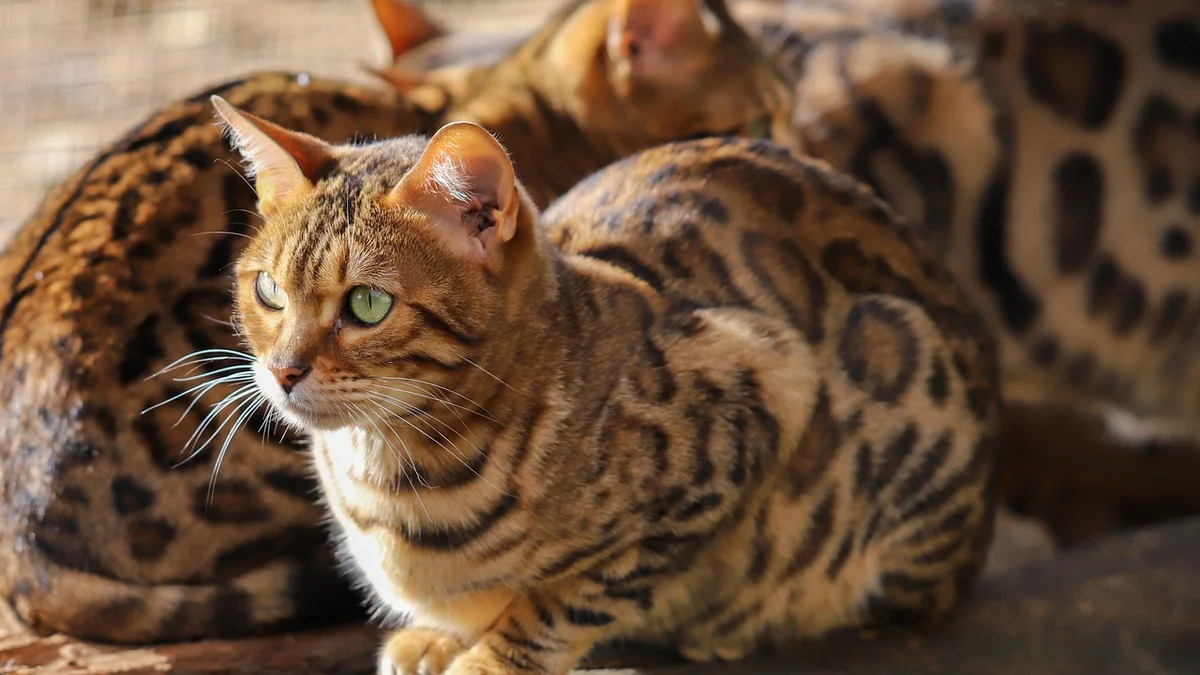
Bengal Cats in Vietnam — Breed Profile, Temperament & Care Guide for Expats
Interested in pets from Mật Pet?
15 years of trust · 10,000+ pets delivered to Vietnamese families · Free 30-day health warranty · Nationwide delivery.