
Norwegian Forest Cat: Breed Profile, Temperament & Complete Care Guide for Vietnam's Climate
Norwegian Forest Cat breed guide for expats in Vietnam: temperament, physical traits, nutrition, health concerns, costs, and heat-climate care tips. 15 years Mật Pet Family expertise.
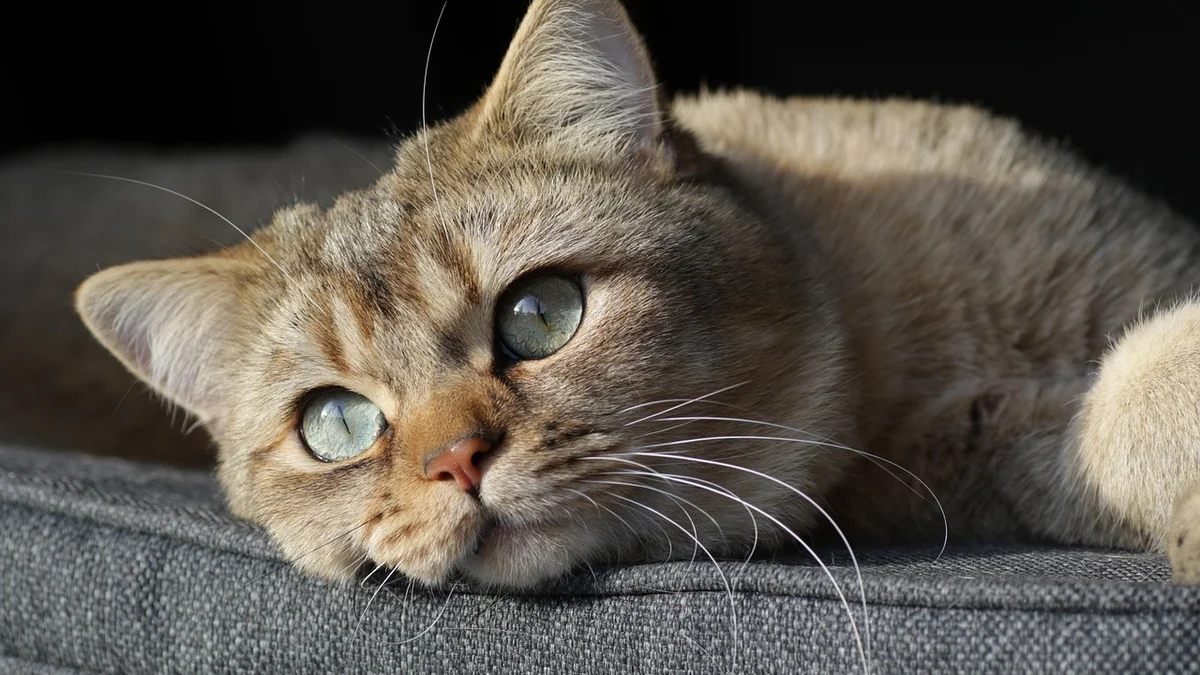
What Is a Norwegian Forest Cat and Why Are Expats in Vietnam Increasingly Drawn to the Breed?
The Norwegian Forest Cat — affectionately called "Wegie" — is a purebred long-hair cat originating from the forests of Scandinavia, where the breed has thrived for millennia in harsh Nordic conditions. In Vietnam, these cats have become increasingly popular among expat families and affluent apartment dwellers in Ho Chi Minh City and Hanoi, prized for their majestic, lion-like appearance, independent yet deeply loyal temperament, and luxuriously thick coat that feels premium to the touch.
Over the past five years, demand for Wegies among HCMC and Hanoi pet owners — particularly in high-rise condominiums — has grown noticeably. While the breed's origins lie in a cold climate, Norwegian Forest Cats can adapt remarkably well to Vietnam's hot, humid environment when given proper environmental control and grooming. Mật Pet Family, drawing on 15 years of experience since 2011 and care for dozens of Wegies in Vietnam's climate, can attest that these cats thrive here with the right preparation and commitment.
What Are the Key Physical Traits That Identify a Norwegian Forest Cat?
Adult Wegies typically weigh 4–9 kg (males: 6–9 kg; females: 4–6 kg) and stand about 23–30 cm tall at the shoulder, with a long, muscular body. The breed is instantly recognizable by its distinctive double-layer coat, triangular face with a strong square chin, tufted ears, and large almond-shaped eyes that can be green, gold, or amber.
Distinctive physical markers include:
- Double coat (water-resistant): A dense, soft undercoat plus a semi-water-resistant outer layer — an evolutionary adaptation to Scandinavian snow. In Vietnam's heat and humidity, this double coat sheds year-round (unlike cats in cold climates where shedding is seasonal), requiring consistent brushing 3–4 times weekly.
- Long, plumed tail: Reaches the length of the body, covered in thick fur that curls like a fox's tail — a striking feature and excellent balance tool for their climbing heritage.
- Large, powerful paws with wide toes: Built for scaling steep, icy rocks in their native mountains — a remnant of their working ancestry.
- Angular, triangular face: Distinct from rounder-faced breeds like Scottish Fold or Persian, giving Wegies an alert, almost aristocratic expression (though they're genuinely affectionate).
- Color variety: Brown tabby, silver tabby, solid black, pure white, and tortoiseshell patterns are all recognized. In Vietnam, brown and silver tabbies are most common.
Unlike most cat breeds that reach full size by 1–2 years old, Norwegian Forest Cats continue developing until age 4–5, meaning you'll get to enjoy watching your Wegie gradually "fill out" — a unique and charming aspect of cat ownership with this breed.
What Is the Norwegian Forest Cat's Temperament, and Is It Right for Vietnamese Families?
Wegies are famously independent yet deeply bonded to their families — they don't demand constant lap time like Ragdolls or Siamese, but they will choose to sit near you, observe your activities, and "check in" on every room in your home. This balance makes them ideal for busy urban families in Vietnam who want an emotionally intelligent companion without constant neediness.
Key temperament traits:
- Independent but devoted: Unlike clingy breeds, Wegies maintain personal space but form strong attachments. They're happy alone for 8–10 hours during a typical workday in HCMC, provided they have enrichment.
- Intelligent and curious: Wegies are climbers and explorers — they love vertical space and will scale cabinets, bookshelves, and curtain rods. A tall cat tree (at least 150 cm) is essential.
- Gentle with children: Naturally calm and patient, they're excellent for families with kids aged 4+, though they dislike rough handling or tail-pulling — good for teaching children respectful pet interaction.
- Sociable with other pets: Considered one of the least territorial cat breeds, Wegies typically coexist peacefully with other cats and friendly dogs after a 2–4 week introduction period.
- Quiet vocalization: Unlike vocal Siamese, Wegies chirp and trill softly — perfect for apartment living where noise-sensitive neighbors matter.
For expat professionals juggling work and social commitments in Vietnam's fast-paced cities, a Wegie's self-sufficiency is a genuine advantage: the breed won't spiral into stress or destructive behavior when left alone for standard work hours, provided their physical and mental needs are met.
How Do I Care for a Norwegian Forest Cat in Vietnam's Hot, Humid Climate?
This is the critical question for anyone bringing a Nordic-origin cat to Southeast Asia. Wegies evolved with thick coats for sub-zero temperatures, while HCMC and Hanoi regularly hit 33–38°C. The good news: they can live healthily in Vietnam with consistent climate control and dedicated grooming — a lesson Mật Pet Family has learned across dozens of families over 15 years.
Essential climate-adaptation measures:
- Air conditioning at 24/7: 22–26°C ideally: Your Wegie needs continuous cool air — not freezing like a laboratory, but definitely not 30°C+ in an unventilated room. Many expats don't budget for the extra electricity this requires; factor 200,000–500,000 VNĐ/month into your running costs. Without consistent cooling, Wegies risk heat stress and respiratory issues.
- Brush 3–4 times per week: The double coat sheds heavily year-round in Vietnam because there's no winter "shutdown" of the hair cycle. Use a slicker brush or undercoat rake and a wide-tooth comb to prevent matting and reduce hairballs — loose fur in the digestive tract is a real risk in humid climates.
- Bathe every 4–6 weeks: Use a high-quality feline shampoo formulated for long-haired cats, and dry thoroughly afterward — wet fur in Vietnam's humidity can trap moisture and trigger fungal skin infections. Many Wegie owners in Vietnam use a pet-safe blow dryer on low heat.
- Keep them away from direct sun and hot surfaces: Terraces and balconies in midday sun can reach 50–55°C, dangerous for their paws and core body temperature. Provide shaded, cool indoor rest areas only.
- Ensure constant water access: Place multiple bowls around your home, or use a cat water fountain — moving water encourages hydration in hot weather, critical for kidney health long-term.
From Mật Pet Family's experience with Wegies in HCMC apartments, most adapt within 2–4 weeks if temperature is controlled consistently and brushing is non-negotiable. Skipping these steps risks heat stress, skin problems, and obesity.
What Should a Norwegian Forest Cat Eat, and What Are the Daily Portions?
Wegies require a high-protein diet (minimum 35–40% protein in dry food), low carbohydrates, and moisture from wet food or fresh meals. An average adult Wegie (5–7 kg) needs 60–80g dry food daily OR 150–200g wet food daily, split into two meals (morning and evening).
Feeding guide by life stage:
- Life Stage — Target Weight — Recommended Daily Portions
- Kitten 2–6 months — 0.8–2 kg — 40–60g kitten dry + 50–80g kitten wet food, 3 meals
- Kitten 6–12 months — 2–4 kg — 50–70g kitten dry food, 2–3 meals
- Adult 1–4 years — 4–9 kg — 60–90g adult dry OR 150–220g adult wet, 2 meals
- Senior 7+ years — 4–8 kg — Senior formula, reduce 10–15% from adult portions
Nutrition priorities for Wegies in Vietnam:
- Meat-first protein: Choose foods where the first ingredient is chicken, salmon, or turkey — avoid corn or wheat as primary ingredients. Wegies have evolved as carnivores; plant-based carbs contribute to obesity and metabolic issues.
- Omega-3 supplementation: A few drops of salmon oil on their food 1–2 times weekly supports coat shine, reduces shedding, and promotes skin health in tropical climates. Aim for 1–2 ml daily.
- Prevent obesity: Wegies' large frames and indoor lifestyle make them prone to weight gain if fed by eye rather than scale. Use a kitchen scale for daily portions — portion creep is common in expat households where multiple family members feed the cat.
- Wet food for hydration: Especially critical in Vietnam's heat. Aim for 50%+ of daily calories from wet food or fresh meat to ensure adequate water intake, reducing strain on kidneys over their 14–16 year lifespan.
Consult a veterinarian to adjust portions based on your individual cat's activity level, metabolism, and health status. Annual weight checks are wise.
What Health Issues Are Common in Norwegian Forest Cats?
Wegies are generally a robust breed with an average lifespan of 14–16 years, but several genetic and environmental health concerns warrant awareness. Early detection through semi-annual vet check-ups is your best defense for a long, healthy life.
Key health considerations:
- Hypertrophic Cardiomyopathy (HCM): The most common inherited heart condition in Wegies. Symptoms include labored breathing, lethargy, and poor appetite. Any Wegie over 2 years old should have an ultrasound cardiac screening annually — especially important if the cat came from a breeder without HCM clearance on both parents. This is non-negotiable if buying from a reputable source.
- Glycogen Storage Disease Type IV (GSD IV): A rare but serious metabolic disorder appearing in young kittens (up to 5 months), causing muscle weakness and early death. Responsible breeders perform DNA testing on breeding cats to eliminate this gene.
- Obesity: Large frame + indoor apartment living in Vietnam = high obesity risk. Monitor weight monthly; aim for a Body Condition Score of 4–5 on a 9-point scale.
- Hairballs (trichobezoars): The double coat sheds heavily; ingested fur accumulates in the digestive tract. Offer malt gel 2–3 times weekly or choose food formulas designed to support hairball passage.
- Dental disease: Gum inflammation and tartar buildup are common. Brush teeth 2–3 times per week with feline toothpaste, or use dental gels formulated for cats.
If your Wegie shows signs of labored breathing, complete loss of appetite for 2+ days, or rapid weight loss, seek veterinary care immediately rather than attempting home treatment. Mật Pet Family's health warranty policy — the only one offered by a pet shop in Vietnam — provides peace of mind during your cat's critical first months at home.
What Is the Real Cost of Owning a Norwegian Forest Cat in Vietnam?
Total cost includes the purchase price upfront and realistic monthly maintenance — Wegies are a mid-to-premium-tier breed requiring genuine financial commitment. Transparency here helps expat families budget realistically.
Initial purchase price:
- Purebred Norwegian Forest Cat with full documentation, health records, and clear ancestry in Vietnam: 25–65 million VNĐ (roughly 1,000–2,600 USD), varying by bloodline, breeder reputation, coat color, and individual quality.
- Undocumented or sourced-unclear kittens: significantly cheaper but carry higher health and genetic risks.
Estimated monthly running costs (adult cat in HCMC):
- Category — Monthly Cost
- Quality dry + wet food — 400,000–800,000 VNĐ
- Litter (clumping/tofu-based) — 150,000–300,000 VNĐ
- Consumables (toys, malt gel, treats) — 100,000–200,000 VNĐ
- Professional grooming (bath/dry every 4–6 weeks) — 150,000–350,000 VNĐ per session
- Preventive health & routine vet visits — 200,000–500,000 VNĐ
- Total estimated — 1.0–2.1 million VNĐ/month
Hidden costs many expats overlook:
- Air conditioning surcharge: An extra 200,000–500,000 VNĐ/month to keep rooms at 22–26°C year-round.
- Emergency vet visits: HCMC and Hanoi have quality animal hospitals, but an emergency ultrasound or hospitalization can cost 2–5 million VNĐ in a single visit.
- Specialized groomers: Not all pet shops offer quality grooming for long-haired cats. Premium groomers in HCMC may charge 250,000–400,000 VNĐ per session.
For expats relocating to or within Vietnam, budget 15–35 million VNĐ annually (roughly 600–1,400 USD) for sustainable Wegie care, excluding one-time emergency expenses.
Frequently Asked Questions About Norwegian Forest Cats in Vietnam
Can I keep a Norwegian Forest Cat in a Hanoi or Ho Chi Minh City apartment?
Yes — Wegies are excellent apartment cats. They're quiet, not destructive, and don't require outdoor access if given adequate indoor enrichment: a tall cat tree (minimum 150 cm), window perches for observation, consistent climate control at 22–26°C, and interactive playtime. Many expats in HCMC and Hanoi successfully keep Wegies in 50–80 m² apartments. The main requirements are air conditioning and weekly grooming discipline.
How do Norwegian Forest Cats compare to Maine Coons?
Both are large, long-haired breeds, but distinct: Wegies have a sharp, triangular face (Maine Coons have rectangular, elongated heads), upright ears (Maine Coons have tufted ears with longer fur), and a more independent personality (Maine Coons are typically "dog-like" and seek constant interaction). Maine Coons average heavier (5–10 kg vs. Wegies' 4–9 kg) and are less suited to the independent apartment lifestyle many expat professionals need.
How long does it take a Norwegian Forest Cat to reach full maturity?
Unlike most cats (1–2 years), Wegies develop slowly — they reach full adult size by age 4–5 years. During this time, their coat continues thickening and their personality deepens. This extended growth window is one of the breed's unique charms: you'll watch your Wegie gradually develop into its full majestic form.
Do I need to have a Norwegian Forest Cat groomed professionally, or can I do it at home?
You don't need professional grooming if you're disciplined with home brushing 3–4 times weekly. However, many Wegie owners in Vietnam book professional groomers every 4–6 weeks to bathe, dry (critical in humid climates), and trim sanitary areas (belly and rear) — reducing grooming burden and fungal infection risk. At-home brushing remains non-negotiable regardless.
Do Norwegian Forest Cats shed heavily?
Yes — significantly. The double coat and Vietnam's year-round warm climate mean continuous shedding (unlike Nordic cats that shed seasonally). Expect visible fur on furniture, clothing, and floors. Weekly brushing with an undercoat rake and slicker brush minimizes this. If anyone in your household has cat allergies, test your tolerance before committing to ownership.
How much does a Norwegian Forest Cat cost at Mật Pet Family?
Pricing varies based on the individual kitten, bloodline, and availability — contact Mật Pet Family directly at 0939 863 696 for current availability and detailed consultation. More important than price is ensuring your Wegie comes with complete health documentation, vaccination records, and Mật Pet Family's health warranty — Vietnam's only pet shop warranty, giving you genuine peace of mind.
Your Journey With a Norwegian Forest Cat Begins Here
Owning a Wegie is a 14–16 year commitment: watching your kitten scale your bookshelf for the first time, enjoying quiet mornings with her sleeping across your laptop while you work, and building a bond that quietly deepens year after year. This isn't a demanding breed, but it's a thoughtful breed — one that rewards preparation with loyalty and grace.
If your expat household is considering welcoming a Wegie, Mật Pet Family is here to guide you — from selecting a kitten matched to your lifestyle and space, to ongoing support through health questions, nutrition advice, and behavioral mentoring. With over 15 years of experience caring for thousands of purebred cats in Vietnam and a guarantee backed by our health warranty, we're committed to your cat's thriving from day one.
Ready to meet your future Wegie?
📞 Call for consultation: 0939 863 696 (English support available) 🐾 Visit our showroom: Mật Pet Family locations in HCMC and Hanoi 💬 Browse available cats: Browse our cat collection
Let's find the right Wegie for your home.
Related articles

Doberman Dogs in Vietnam — Breed Profile, Temperament & Complete Care Guide for Expats

Cavalier King Charles Spaniel in Vietnam — Breed Profile, Temperament & Complete Care Guide for Expats

Border Collie Dogs in Vietnam — Breed Profile, Temperament, and Complete Care Guide for Expats
Interested in pets from Mật Pet?
15 years of trust · 10,000+ pets delivered to Vietnamese families · Free 30-day health warranty · Nationwide delivery.