
Cavalier King Charles Spaniel in Vietnam — Breed Profile, Temperament & Complete Care Guide for Expats
Cavalier King Charles Spaniel: breed profile, gentle temperament, and complete care guide for expat life in Vietnam. Heat tips, costs, and health concerns explained by Mật Pet Family.
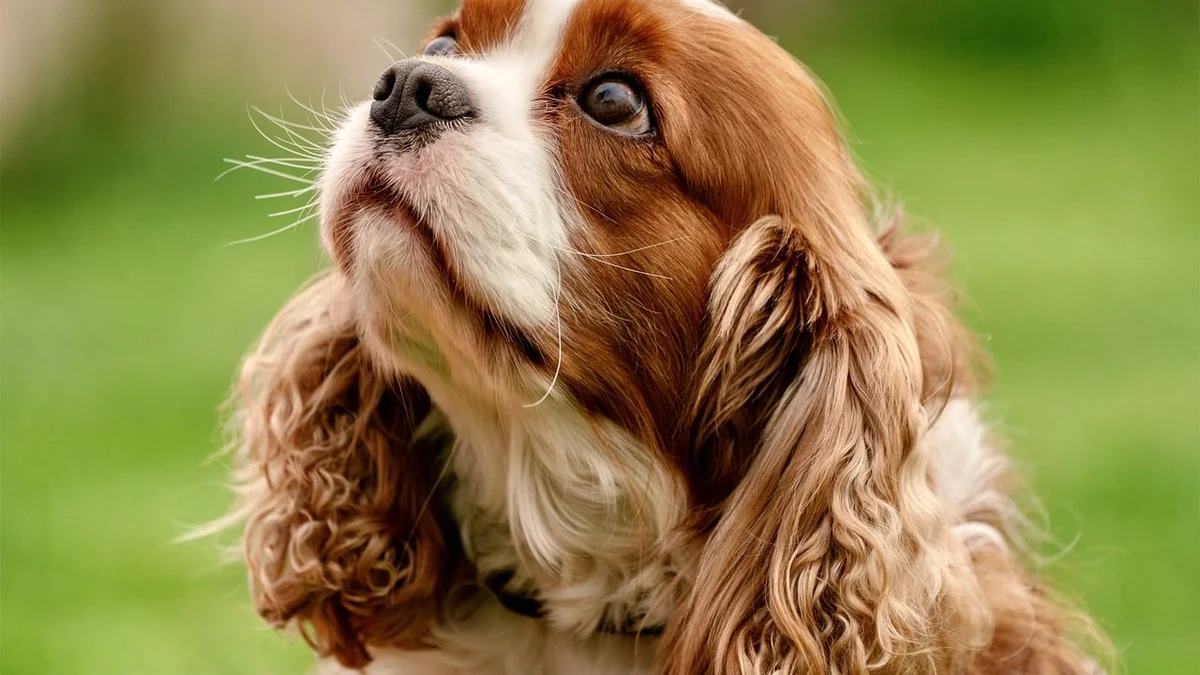
What is a Cavalier King Charles Spaniel, and why are more expats choosing this breed in Vietnam?
The Cavalier King Charles Spaniel — often called a "Cavalier" — is a small companion dog originally bred in England. You'll recognize one instantly by the soulful, round brown eyes, soft wavy coat, and an incredibly gentle temperament that makes people fall in love at first sight. In Vietnam, this breed has gained serious popularity among expat families and apartment dwellers thanks to its compact size (around 6–18 lbs), minimal barking, and impressive adaptability to urban life.
Cavaliers consistently rank in the top 15 most popular dog breeds in the United States and UK — and it's not by chance. These dogs strike a rare balance: energetic enough to join you on adventures, yet calm enough to curl up happily on your lap for hours. For expat life in HCMC or Hanoi — where apartments are small and schedules are often hectic — a Cavalier can be an ideal companion.
At Mật Pet Family's showroom, Cavaliers are consistently one of the most frequently requested breeds, especially by first-time dog owners and young families relocating to Vietnam. Below is everything you need to know before bringing one home.
What are the physical characteristics of a Cavalier King Charles Spaniel?
A fully grown Cavalier weighs between 12–18 lbs (5.4–8 kg) and stands about 12–13 inches (30–33 cm) tall at the shoulder. Don't let the delicate appearance fool you — these dogs have solid bone structure beneath their soft exterior. The most striking features are the large, warm brown eyes that seem to express every emotion, long silky ears that frame the face, and a gently curved tail that wags constantly.
Coat colors: Cavaliers come in four recognized color patterns:
- Blenheim (white and rich chestnut red): the most common, easiest to find in Vietnam.
- Tricolor (black, white, and tan): elegant and slightly rarer.
- Ruby (solid rich red): rare and stunning under natural light.
- Black & Tan (black with tan markings): the rarest, often 10–20% more expensive than Blenheim.
Coat type: Medium to long, silky fur with feathering on the ears, chest, legs, and tail. Compared to thicker-coated breeds like Huskies or Samoyeds, Cavalier coats are actually somewhat heat-tolerant — a real advantage in Vietnam's tropical climate. However, regular grooming is essential in the humidity.
Face and muzzle: The muzzle is moderate length (not flat like a Pug or Bulldog), which means Cavaliers are less prone to breathing problems than brachycephalic breeds. Still, during Vietnam's intense heat (above 90°F/32°C), you'll need to monitor your dog carefully during outdoor activities.
Does a Cavalier's temperament suit Vietnamese family life?
Cavaliers are renowned for their gentle, affectionate, and people-oriented nature — they're excellent fits for most Vietnamese families, especially those with young children or elderly relatives. These dogs are not aggressive, don't show excessive territorial behavior, and rarely bite strangers. The main drawback: Cavaliers are deeply social and can struggle if left alone for more than 6–8 hours daily.
Cavaliers thrive best with:
- Families with children ages 4 and up — they're patient, gentle, and tolerant of the chaos.
- Retirees or single professionals seeking a warm, steady companion.
- Multi-pet households — Cavaliers get along well with other dogs and even cats.
- Apartment living — they're quiet, don't bark excessively, and don't require a large yard.
Cavaliers may struggle with:
- Families who travel frequently or are away from home during long workdays without someone to provide midday companionship — separation anxiety is real for this breed.
- Owners seeking a guard dog — Cavaliers are friendly to everyone, including strangers.
Trainability: Cavaliers have moderate intelligence and pick up basic commands within 2–4 weeks with consistent reward-based training (treats and praise work best). They're sensitive to tone — never use harsh corrections, as a firm voice is usually sufficient. Positive reinforcement is key.
What special care does a Cavalier need in Vietnam's hot, humid climate?
While Cavaliers tolerate heat better than thick-coated breeds, they still need active management in Vietnam's tropical weather. The ideal temperature range is 72–82°F (22–28°C). When HCMC or Hanoi's summer heat exceeds 90°F (33°C), air conditioning or consistent fan cooling is necessary. Long ears and high humidity create a perfect storm for ear infections if not managed properly — this is THE critical care point for Cavaliers in Vietnam.
Essential checklist for thriving in Vietnam:
- Cooling: Maintain 75–80°F (24–27°C) during peak sun hours (10am–4pm). AC or fans are non-negotiable on hot days.
- Bathing: 1–2 times weekly during warm months; always dry thoroughly afterward, especially inside the ears. High humidity = rapid bacterial growth if ears remain damp.
- Ear care: Clean ears with a veterinary-approved solution 1–2 times weekly — this is not optional in Vietnam's climate. This single habit prevents most ear infections.
- Brushing: 3–4 times weekly to prevent matting, especially around the ears and chest.
- Exercise: 30–45 minutes daily, split into early morning (before 8am) and evening (after 5pm) walks to avoid peak heat. Exercising during cooler parts of the day prevents heat stress.
- Hydration: Always provide fresh, clean water. In hot months, Cavaliers drink significantly more — aim for 40–60 ml per kg of body weight daily. Watch for signs of dehydration (dry nose, lethargy).
Among Mật Pet Family's community of 8.7 million pet lovers, ear infections and heat-related stress in Cavaliers during Vietnam's rainy season and summer are among the most frequently asked topics. Ear maintenance truly cannot be overlooked.
What should a Cavalier eat, and what's the right portion size?
An adult Cavalier (12–18 lbs / 5.4–8 kg) needs approximately 7–10 oz (200–280 g) of quality dry food or 10–14 oz (300–400 g) of wet food daily, divided into two meals (morning and evening). Cavaliers have a tendency to gain weight easily, and obesity is a serious concern — excess weight worsens heart disease, which is the breed's primary health vulnerability.
Feeding schedule by age:
- 2–4 months: 4 meals daily, using puppy formula softened with warm water.
- 4–6 months: 3 meals daily; begin transitioning to dry kibble without soaking.
- 6–12 months: 2–3 meals daily.
- 12+ months (adult): 2 meals daily, morning and evening.
Quality food options readily available in Vietnam:
- Premium small-breed kibble: Royal Canin Cavalier King Charles Adult (breed-specific formula), Orijen, Acana — priced 350,000–900,000 VND (roughly $14–36 USD) per 1.5–3 kg bag.
- Wet food/pâté: Use sparingly as treats or mixed with kibble; feeding exclusively leads to weight gain.
- Fresh homemade meals: boiled chicken breast, steamed salmon, cooked sweet potato, steamed carrots — can comprise 20–30% of daily intake, but consult your vet on exact ratios.
Absolutely avoid: chocolate, grapes, onions, garlic, xylitol, and cooked chicken bones — these are toxic to all dogs, and Cavaliers often beg at family mealtimes, so vigilance is crucial.
What health issues are Cavaliers prone to, and how should you monitor them?
Cavaliers are beloved but carry specific genetic health risks worth understanding before committing. The most significant is heart disease — specifically Mitral Valve Disease (MVD). Research shows that over 50% of Cavaliers develop some level of MVD by age 5. Regular cardiac ultrasound screening every 6–12 months is essential from age 2–3 onward.
Common health concerns and what to watch for:
- Condition — Signs to Notice — Your Action
- Mitral Valve Disease (heart) — Coughing, rapid breathing, tiring easily during exercise — Ultrasound screening every 6–12 months; see a vet immediately if coughing develops
- Syringomyelia (spinal cord disorder) — Constant scratching at ears/neck, sensitivity to touch on head — MRI if suspected; can be managed with medication
- Ear infections — Head shaking, foul odor from ears, discharge — Regular weekly ear cleaning; medicated drops when needed
- Cataracts — Cloudy appearance in eyes, bumping into objects — Routine eye exams; surgery available if vision is severely impaired
- Weight gain/obesity — Can't feel rib bones; lethargy — Strict portion control, increase daily activity
Veterinary costs in HCMC: General check-up: 200,000–500,000 VND ($8–20 USD); cardiac ultrasound: 400,000–800,000 VND ($16–32 USD) per visit.
Every Cavalier from Mật Pet Family receives a pre-adoption health screening and is covered by Vietnam's only written pet health warranty policy — a unique guarantee that gives new owners peace of mind during the critical first months.
How much does it actually cost to own a Cavalier in Vietnam?
A purebred Cavalier from a reputable source in Vietnam typically costs 15–45 million VND ($600–1,800 USD), depending on color, lineage, and documentation. A well-bred Cavalier with clear parentage, full health records, and guarantees from an established breeder usually falls in the 25–40 million VND range ($1,000–1,600 USD). Beyond the initial purchase, budget carefully for ongoing care.
First-month costs (one-time):
- Cavalier puppy: 25–40 million VND ($1,000–1,600 USD, depending on color and source)
- Crate, bed, bowls, leash, collar: 1–2 million VND ($40–80 USD)
- Initial vaccinations (if incomplete): 500,000–1,200,000 VND ($20–48 USD)
- Deworming: 100,000–200,000 VND ($4–8 USD)
Monthly ongoing costs (estimated):
- Quality kibble: 600,000–1,200,000 VND ($24–48 USD) per month
- Grooming (bathing + coat trimming): 200,000–400,000 VND ($8–16 USD) per session × 2–3 sessions monthly
- Ear care and flea/tick prevention: 100,000–200,000 VND ($4–8 USD) per month
- Veterinary care buffer (routine exams, medications, emergencies): 200,000–500,000 VND ($8–20 USD) per month
Total monthly budget: 1.5–3 million VND ($60–120 USD) for a healthy Cavalier receiving proper preventive care. This isn't the cheapest option, but investing in quality nutrition and preventive health care upfront typically means significantly lower emergency vet bills down the road.
For guidance on selecting the right purebred dog within your budget and space constraints, reach out to Mật Pet Family — the team can match you with a Cavalier that fits your lifestyle and finances.
Frequently asked questions about Cavalier King Charles Spaniels
Can I keep a Cavalier in an apartment in Vietnam?
Absolutely. Cavaliers are ideal apartment dogs — they weigh only 12–18 lbs, don't bark excessively, and need just 30–45 minutes of daily walking. A 50–80 m² apartment is perfectly adequate as long as someone provides regular companionship. The bigger concern is isolation; Cavaliers need human presence more than space.
Are Cavaliers good with young children?
Yes, they're excellent with children ages 4 and up. Cavaliers are patient, gentle, and rarely snap even when provoked. With toddlers under 3, supervision is still recommended since small children can accidentally hurt a dog and trigger defensive behavior — though this is rare with Cavaliers. Start socialization early for best results.
How long do Cavaliers typically live?
The average lifespan is 9–14 years. Dogs receiving excellent nutrition, regular cardiac screening, and weight management often live toward the upper end. Heart disease is the primary factor affecting longevity in this breed, making veterinary check-ups non-negotiable.
Does a Cavalier need professional grooming?
Cavaliers don't require the extensive grooming that Poodles or Bichons do, but they still need regular maintenance. Brush 3–4 times weekly and schedule professional grooming every 4–6 weeks for bathing, ear cleaning, and trimming around the paws and chest. In Vietnam, professional grooming runs 200,000–400,000 VND ($8–16 USD) per session depending on the salon.
How often should I bathe a Cavalier during Vietnam's hot season?
In HCMC and Hanoi summers, bathe your Cavalier 1–2 times weekly. The critical step is thorough drying afterward — leaving ears or the coat damp in Vietnam's high humidity creates ideal conditions for fungal and bacterial infections. Use a high-velocity dryer or towel-dry extremely thoroughly, paying special attention to ear canals.
What's the price range for a Cavalier at Mật Pet Family?
Cavaliers from Mật Pet Family are priced based on color, sex, and availability — typically 25–40 million VND ($1,000–1,600 USD) for fully documented, health-screened puppies. All come with the exclusive pet health warranty and lifetime support. For current pricing and availability, contact 0939 863 696 or visit the showroom to meet available puppies in person.
Bringing home a Cavalier — Mật Pet Family walks the journey with you
A Cavalier King Charles Spaniel isn't just a beautiful dog — they're a genuine companion, ready to sit quietly beside you during a long day or explore Vietnam's bustling streets at your side. With 15 years of experience since 2011 and over 10,000 puppies guided into loving homes, Mật Pet Family understands that choosing the right breed and the right puppy is the single most important decision.
If you're considering welcoming a Cavalier into your expat life in Vietnam, visit Mật Pet Family's showroom to meet puppies face-to-face, or reach out via 0939 863 696 for personalized advice on selecting a Cavalier that matches your space, schedule, and lifestyle. No pressure — just expert guidance to ensure a perfect match.
Related reading:
- How to Care for a Dog in Vietnam's Heat and Humidity: A Complete Guide for Expats
- Essential Pet Accessories for Dogs & Cats in Vietnam — New Owner Checklist
- Pet Vaccination Schedule in Vietnam — Which Vaccines Do Dogs & Cats Need?
- Dog Care at Home in Vietnam — Training, Grooming & Daily Routines That Work for Expats
- Where to Buy a Pet in Vietnam — How to Spot a Trustworthy Pet Shop
Related articles
Border Collie Dogs in Vietnam — Breed Profile, Temperament, and Complete Care Guide for Expats
Siamese Cats in Vietnam — Breed Profile, Temperament, and Complete Care Guide for Expats
Bengal Cats in Vietnam — Breed Profile, Temperament & Care Guide for Expats
Interested in pets from Mật Pet?
15 years of trust · 10,000+ pets delivered to Vietnamese families · Free 30-day health warranty · Nationwide delivery.