
Pet Care After Spaying or Neutering in Vietnam — Recovery Timeline, Nutrition & Health Monitoring for Expats
Complete post-operative care guide for dogs and cats after spaying/neutering in Vietnam: 72-hour recovery, incision care, nutrition, activity limits, and warning signs. Expert advice from Mật Pet Family.
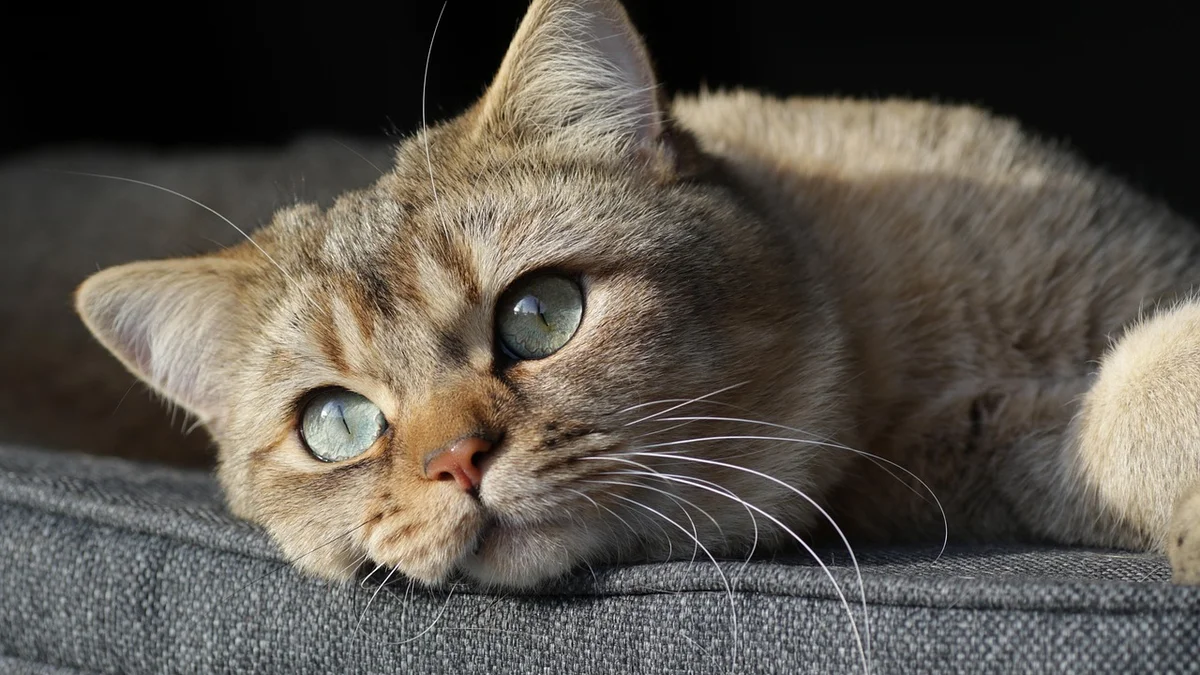
The first 72 hours after spaying or neutering are the most critical window for your pet's recovery. If you're an expat in Ho Chi Minh City, Hanoi, or Da Nang with a newly spayed or neutered pet, you may feel uncertain about what to watch for, how to help, and when to actually call the vet. This guide walks you through day-by-day care — from bringing your pet home through incision removal — so you and your pet can recover with confidence.
What Does Your Pet Need in the First 24 Hours After Surgery?
Your pet will be drowsy, uncoordinated, and possibly shivering for the first day as residual anesthesia wears off — all completely normal. Keep your pet warm, quiet, and immobile. Do not feed or offer water for the first 4–6 hours to prevent nausea and vomiting while anesthesia is still in their system.
Detailed 24-hour monitoring timeline:
- Hours 1–4 after coming home: Place your pet on a low, flat surface (no higher than 30 cm from the floor), with thin bedding in a quiet, well-ventilated (but draft-free) room. Ideal room temperature is 26–28°C — especially critical in southern Vietnam where outdoor temperatures can reach 35–38°C. Keep the room dimly lit and minimize noise and visitors.
- Hours 4–6: Offer small sips of water (1–2 tablespoons at a time). Watch for vomiting. If your pet drinks without throwing up, offer 1/3 of their normal meal as soft food (wet food or pâté).
- Hours 6–24: Check the incision 2–3 times. The bandage should stay dry and clean; watch for continuous bright red bleeding, which is abnormal. Your pet may sleep 16–20 hours today — this is normal and important for healing.
When to call the vet in the first 24 hours: Vomiting more than 3 times, seizures or severe trembling, continuous bleeding from the incision, body temperature below 37°C or above 39.5°C (take rectal temperature with a thermometer).
How Should You Clean and Protect the Incision After Surgery?
The incision needs gentle daily cleaning with sterile saline solution (0.9%) and must be protected from licking for the full 10–14 days until suture removal. Your pet's saliva contains bacteria that can cause serious infection, which is why an Elizabethan cone (e-collar) or surgical suit is non-negotiable during this period.
Proper incision cleaning steps:
- Wash your hands thoroughly before touching the surgical area.
- Soak sterile gauze in 0.9% saline solution (500 ml bottles are available at Vietnamese pharmacies for approximately 10,000–15,000 VND) and gently wipe the incision in one direction, from center outward.
- Allow the incision to air-dry for 2–3 minutes before your pet moves around.
- Apply antibiotic ointment (Betadine diluted or as prescribed by your vet) if instructed.
- Do not use 70% alcohol directly on the incision — alcohol slows healing and causes pain.
Protecting the incision at home:
- Elizabethan cone sizing: Place two fingers between the cone and your pet's neck. It should be snug but not so tight that breathing is restricted, and your pet shouldn't be able to slip their head out. If your pet struggles to eat, drink, or sleep in the cone, ask your vet about a surgical suit (áo phẫu thuật) instead — these fitted garments are increasingly popular at Vietnamese vet clinics and cause far less stress.
- Swelling timeline: Mild swelling is normal for the first 3–5 days. If swelling, redness, or yellow/green discharge persists after day 5, see your vet immediately.
- Climate note: Vietnam's hot, humid climate (75–85% humidity in the south) increases the risk of moisture and mold around the incision — keep the surgical area as dry as possible and ensure good air circulation.
What Should Your Pet Eat After Surgery, and How Much?
For the first 2 weeks post-op, feed easily digestible food and reduce portion size by 20–30% because your pet will be moving less. Start with wet food or pâté for the first 3–5 days, then gradually transition back to dry kibble. Critical: After spaying or neutering, your pet's calorie needs drop by 20–25% permanently — this is the main reason many pets gain weight after surgery if diet isn't adjusted.
Week-by-week nutrition plan:
- Days 1–3: Wet food or pâté, divided into 3–4 small meals per day. Each meal should be 60–70% of normal portion size. Ensure adequate water intake: cats need 40–60 ml/kg/day; dogs need 50–70 ml/kg/day.
- Days 4–7: Start mixing 50% dry kibble into wet food. Return to 80% of normal portion size.
- Week 2: Transition fully back to dry food. Begin reducing overall portion size to 15–20% less than pre-surgery amounts based on your pet's activity level and weight.
- Week 3 onwards: Consider switching to a "sterilised" or "neutered" formula diet — these are formulated 15–20% lower in calories and often include L-carnitine to support healthy weight management, which is especially important after surgery.
Foods to avoid entirely during post-op recovery: high-fat foods, human food (especially garlic, onions, chocolate), and hard treats requiring heavy chewing, as these can trigger nausea or discomfort.
When Can Your Pet Be Active and Bathe Again?
Strict activity restriction is essential for at least 10–14 days post-op. Your pet can only bathe once the incision has completely healed (typically 14–21 days; confirm with your vet). No running, jumping, climbing furniture, or playing with other pets during this period — the incision is still fragile internally even after skin closure.
Safe activity progression:
- Days 1–3: Keep your pet confined to a small space (crate, bedroom). No jumping on furniture higher than 40 cm. Carry your pet if longer distances are needed.
- Days 4–7: Gentle indoor movement only — 10–15 minutes at a time, twice daily. Dogs should not go outdoors yet due to contamination and contact risk from other animals.
- Days 8–14: Increase gentle activity to 20–30 minutes daily. Small dogs (under 5 kg) can take short leashed walks in your yard; larger dogs should still be mostly indoors.
- After day 14 and suture removal: Gradually return to normal activity over the following week.
About bathing: Do not let the incision contact water until completely healed. If your pet gets dirty, use a damp cloth to wipe down the body, carefully avoiding the incision area. The tropical heat and humidity in Vietnam's southern regions (75–85%) makes keeping the surgical area dry and well-ventilated extra important.
What Health Problems Might Develop After Surgery?
The most common post-operative complications are incision infection (occurs in 3–5% of cases), weight gain from metabolic changes, and occasionally in spayed female cats, mild urinary incontinence. Most are manageable if caught early and monitored properly.
Post-op monitoring chart:
- Sign — Normal vs. Concern — What To Do
- Mild swelling, slight redness — Normal (days 1–3) — Monitor; clean incision properly
- Light yellow discharge — Normal (small amounts) — Clean; keep watching
- Thick green or yellow pus — Infection — see vet — Contact clinic the same day
- Not eating for 48+ hours — Needs attention — Call vet the same day
- Fever above 39.5°C ongoing — Urgent — Go to clinic immediately
- Excessive licking at incision — Needs intervention — Check cone/surgical suit fit
- Incision opening up — Urgent — Emergency clinic visit needed
Long-term concerns to monitor:
- Weight gain: 30–40% of neutered pets gain weight in the first 6–12 months without dietary adjustment. Weigh your pet monthly to catch this early.
- Behavioral changes: Your pet may become calmer and less aggressive — usually a positive shift. Some pets eat more due to hormonal changes — strict portion control becomes essential.
- Urinary incontinence in spayed females: Occurs in 5–10% of spayed female cats, typically 6–18 months post-op. This can be managed with medication under your vet's guidance.
With Mật Pet Family's health warranty policy (Vietnam's first and only written pet health warranty), you can reach out to our advisory team anytime you notice unusual post-op signs — we're committed to lifelong companionship, not just the surgery recovery phase.
What Does Post-Op Care Cost in Vietnam?
Post-operative care supplies typically cost 200,000–800,000 VND (roughly 8–32 USD) over the full 14–21 day recovery period, including gauze, saline, and ointments. The largest expenses are the cone collar or surgical suit (100,000–350,000 VND / 4–14 USD depending on size) and post-op wet food if you switch temporarily.
Realistic cost breakdown (Ho Chi Minh City, 2024–2025):
- 0.9% sterile saline solution (500 ml bottle): 10,000–15,000 VND (0.40–0.60 USD) — lasts 5–7 days
- Sterile gauze (100-pack box): 30,000–50,000 VND (1.20–2 USD)
- Betadine 30 ml: 45,000–70,000 VND (1.80–2.80 USD)
- Elizabethan cone (size S–M): 80,000–180,000 VND (3.20–7.20 USD)
- Surgical suit (size S–L): 120,000–350,000 VND (4.80–14 USD)
- Wet food/pâté for 5–7 days: 150,000–400,000 VND (6–16 USD) depending on brand and pet size
- Follow-up exam and suture removal: 100,000–300,000 VND (4–12 USD) if done separately from surgery
Potential additional costs: Minor incision infection treatment runs 300,000–1,500,000 VND (12–60 USD) depending on severity — another reason that proper early care saves money and stress long-term.
Total post-op budget (excluding surgery itself): approximately 400,000–1,200,000 VND (16–48 USD) if complications don't occur — a modest investment compared to the lifetime health benefits spaying or neutering provides.
Frequently Asked Questions About Post-Operative Pet Care
How long before my pet can bathe after surgery?
At least 14–21 days, and only once your vet confirms the incision is fully healed at the suture removal appointment. The exact timeline depends on your individual pet's healing rate, so always ask for your vet's specific go-ahead before the first post-op bath.
Is it normal for my pet to not eat for 1–2 days after surgery?
Yes. Reduced appetite or skipping meals for 24–48 hours is normal due to anesthesia effects and mild post-surgical discomfort. However, if your pet refuses food for more than 48 hours, or if not eating is accompanied by vomiting, excessive drinking, or a distended belly, contact your vet immediately.
Does my cat need special food after spaying?
After the 2–3 week post-op phase, switching to a "sterilised" cat food formula is recommended. These diets are 15–20% lower in calories, contain added fiber, and often include L-carnitine to prevent the weight gain that commonly follows spaying — a very real risk if diet isn't adjusted.
How long does an incision actually take to heal completely?
The skin closes in 10–14 days (when sutures are removed), but the underlying tissue layers need another 4–6 weeks to fully heal. This is why restricting intense activity for at least a month post-op — not just until suture removal — is so important. Jumping or hard play during this hidden healing phase can reopen the incision internally.
Should I spay my female dog before or after her first heat?
This is debated in veterinary medicine. Most vets in Vietnam recommend spaying before the first heat (around 5–8 months of age) because it significantly reduces mammary cancer risk. However, the final decision should be made in consultation with your individual vet, who knows your dog's health history.
Will my pet be in a lot of pain after surgery?
Your pet will receive pain relief medication for the first 3–5 days post-op. Your pet may feel some discomfort, but not severe pain if pain medication is given as directed. Watch for signs of inadequate pain control: continuous whining, refusal to lie down, aggressive reactions to touch, or an unusually hunched posture. If these appear even after pain medication, tell your vet — the dose may need adjustment.
Taking Your Pet Home: Support From Mật Pet Family
The 2–3 week post-operative phase is brief, but the care you provide during those days directly impacts your pet's long-term health and recovery success. If you're an expat navigating this for the first time in Vietnam, or if questions arise about incision care, nutrition, activity limits, or any unusual symptoms — our team is here to guide you.
Reach out to Mật Pet Family for personalized post-op advice tailored to your pet's age, breed, size, and recovery progress:
Hotline: 0939 863 696 (English support available)
Or visit our showroom in Ho Chi Minh City to consult in person with our care team — we bring 15+ years of experience guiding thousands of pets through recovery since 2011.
Learn more: Mật Pet Family's Health Warranty Policy — we stand by your pet's health not just during surgery recovery, but for life.
Related articles
Pet Care During Tết in Vietnam — Keeping Your Dog or Cat Safe, Calm, and Healthy Through the Holiday
Toilet Training Your Dog or Cat in Vietnam — Step-by-Step Housebreaking, Accident Management, and Building Lasting Habits
Nutrition for Spayed & Neutered Dogs and Cats in Vietnam — Portion Sizes, Food Types, and Post-Surgery Adjustments
Interested in pets from Mật Pet?
15 years of trust · 10,000+ pets delivered to Vietnamese families · Free 30-day health warranty · Nationwide delivery.