
Bichon Frise: Breed Profile, Temperament & Complete Care Guide for Expats in Vietnam
Complete Bichon Frise guide for expats in Vietnam: breed traits, temperament, care in tropical heat, health concerns, costs & where to buy. Expert advice from Mật Pet Family.
Why is the Bichon Frise one of the best small dog breeds for expats living in Vietnam?
The Bichon Frise is a compact, cheerful companion weighing just 3–6 kg (6.6–13 lbs), making it ideal for apartment living in HCMC, Hanoi, or Da Nang. It sheds minimally, has a naturally friendly temperament with children and the elderly alike, and adapts well to Vietnam's hot, humid climate with proper care. Over 15 years, Mật Pet Family has watched this breed become one of the most popular choices among expat families in Vietnam — and for good reason.
What does a purebred Bichon Frise look like, and why has it become so popular in Vietnam?
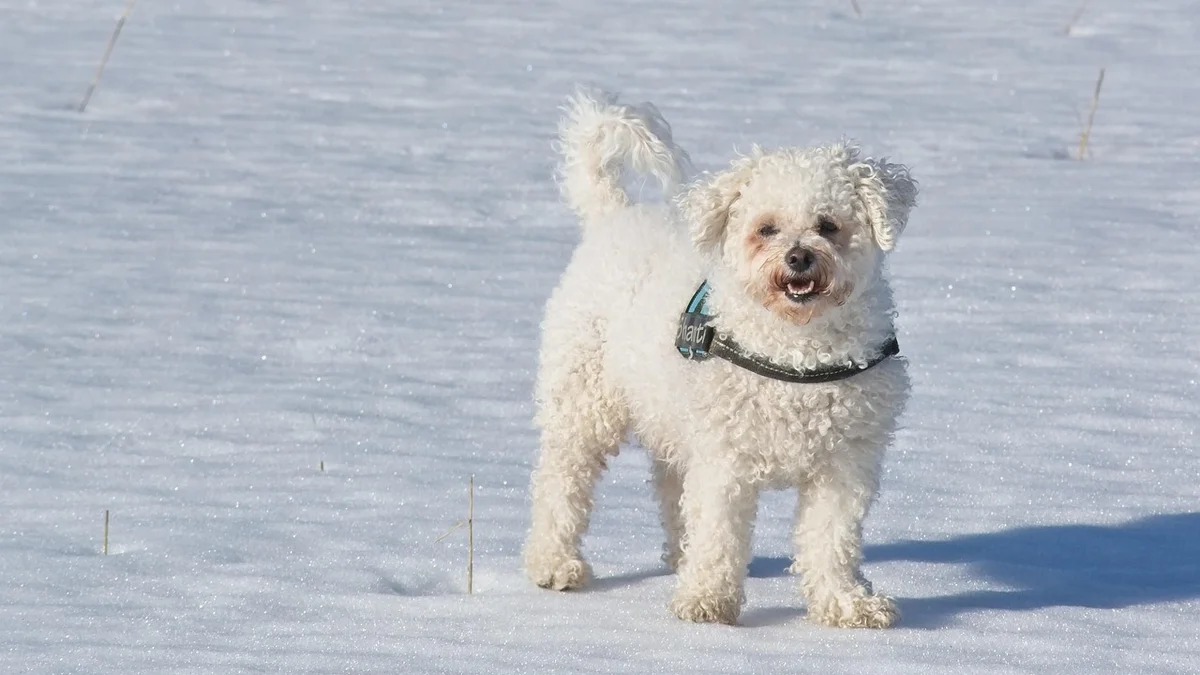
The Bichon Frise is a small companion breed originating from the Mediterranean. Adults stand 23–30 cm tall at the shoulder and weigh 3–6 kg. They're instantly recognizable by their fluffy white (or cream) coat with a distinctive curled texture, round black eyes with dark eye rims (which give them a "made-up" expression), floppy ears covered in longer hair, and a plumed tail that curves over the back. The breed's name literally means "curly-haired dog" in French — an apt description.
Bichon Frise popularity in Vietnam stems from several practical advantages:
- Apartment-friendly size: At 3–6 kg with minimal exercise needs (20–30 minutes daily), they thrive in 50–80 m² apartments without requiring a yard.
- Low-shedding coat: Unlike many long-haired breeds, Bichon litter tends to remain trapped in the dense undercoat rather than falling onto your furniture and floors. This significantly reduces allergen exposure — a major benefit in Vietnam's dust and mold-prone climate.
- Minimal odor: Bichons have less active sweat glands than many breeds, meaning less of the characteristic "dog smell" that can intensify in tropical heat.
- Universal temperament: They're genuinely friendly with young children, elderly family members, and even cats — making them ideal for multi-generational Vietnamese households.
What are the distinctive physical characteristics of a Bichon Frise?
Adult Bichons weigh 3–6 kg and stand 23–30 cm at the shoulder, with a characteristic puffy, cloud-like white or cream-colored coat. Their round head, large dark eyes with distinctive dark eye-rims, soft drooping ears, and curved tail create an immediately recognizable and endearing appearance.
Physical traits in detail:
- Coat: Two-layered structure — a soft, fine undercoat beneath a coarser, curly outer coat. Color is predominantly white; occasionally with pale cream or apricot patches, especially on the ears and back when young. The curly texture is genetic and requires regular maintenance.
- Eyes: Large, round, deep black or dark brown with dark pigmentation around the eyelids — this natural "eye makeup" is a breed hallmark and helps protect eyes from Vietnam's bright sun and humidity.
- Ears: Hanging close to the cheeks, heavily coated, requiring regular cleaning 1–2 times monthly to prevent ear infections (common in Vietnam's humid climate).
- Tail: Curves gracefully over the back, plumed with longer hair — often held high when excited or playing.
- Build: Compact and sturdy despite the small size, with well-developed muscles beneath the fluffy coat. Movement is light, agile, and energetic.
How to distinguish Bichon Frise from similar breeds:
- Characteristic — Bichon Frise — Maltese — Toy Poodle
- Weight — 3–6 kg — 2–4 kg — 2–4 kg
- Coat color — White or cream — Pure white only — Varied (white, apricot, grey, black)
- Coat texture — Curly/fluffy — Silky/straight — Curly/wavy
- Shedding level — Very low — Very low — Very low
- Ear style — Drooping — Long, silky, drooping — Often clipped or curled
What is the temperament of a Bichon Frise, and does it suit Vietnamese families?
Bichon Frises are naturally cheerful, affectionate, and eager to please — they love being the center of attention and genuinely thrive on human companionship. They're often called "little clowns" for their playful antics, and they're exceptionally friendly with all ages and other pets. This makes them exceptionally well-suited to the close-knit, multi-generational households common in Vietnam.
Temperament strengths:
- Playful and entertaining: Bichons have a delightful sense of humor and love performing tricks, circling excitedly ("zoomies"), and making the whole family laugh. They're natural extroverts.
- Highly trainable: Intelligent and motivated by praise and treats, a Bichon can learn basic commands (sit, down, shake) within 2–4 weeks with just 5–10 minutes of daily training. They excel at obedience classes.
- Deep bonding: These dogs see their family as their entire world and crave physical affection — laps, cuddles, and constant companionship. They're perfect for people who want a genuinely interactive pet.
- Moderate barking: Unlike some small breeds that yap incessantly, Bichons have a reasonably controlled bark. They'll alert you to strangers or unusual sounds but aren't prone to constant, anxiety-driven noise — a significant advantage in Vietnamese apartment living with noise-sensitive neighbors.
Important temperament considerations:
- Separation anxiety risk: Bichons should not be left alone for more than 6–8 hours without mental stimulation. If you work full-time outside the home, plan for a dog walker, doggy daycare, or a bored Bichon may develop destructive behaviors (chewing, excessive barking). This is one of the most common challenges expat owners face.
- Critical socialization period: Ages 8–16 weeks are crucial for exposing puppies to city sounds (traffic, motorbikes, construction), different people, and varied environments. Early socialization creates a confident adult dog; skipping this window often results in anxiety or fear-based aggression later.
How do you care for a Bichon Frise in Vietnam's tropical heat and humidity?
Bichon Frises are less heat-tolerant than short-coated breeds because their dense double coat traps warmth. In Vietnam — especially HCMC with summer temperatures reaching 33–40°C — air conditioning at 24–27°C during peak heat hours is essential, combined with professional grooming every 6–8 weeks to thin the coat and improve air circulation. Pay close attention to humidity-related skin and ear issues, which are common complications.
Seasonal care guidelines:
Hot season (March–May in HCMC):
- Maintain indoor temperature between 24–27°C during peak hours (10 am–4 pm).
- Always provide fresh, cool water; change it at least twice daily.
- Avoid extended outdoor time during midday heat. Morning walks before 8 am and evening walks after 5 pm are safest.
- Watch for heat stress signs: continuous panting for over 30 minutes, dark red tongue, trembling, or lethargy. If observed, cool your dog immediately (cool water, fan, shade) and contact a vet.
- Consider a "puppy cut" (short clip) during summer for comfort and to reduce grooming-related stress.
Rainy season (May–November):
- Dry your dog completely after any time outdoors — moisture trapped in the dense coat leads to fungal and bacterial skin infections, one of the most common health issues for Bichons in Vietnam.
- Use a high-velocity dryer or towel for 15–20 minutes post-walk.
- Check and gently clean ears with a vet-approved ear solution after rain or bathing; wet ears are a breeding ground for infections.
- Inspect skin folds and between toes weekly for redness or odor — early intervention prevents serious infections.
Daily exercise:
- 20–30 minutes total daily is sufficient for an adult Bichon (split into morning and evening walks).
- Use a harness rather than a collar-only setup to protect the trachea — small breeds have sensitive necks.
- Avoid long outdoor sessions during humid afternoons; brief, frequent outings are better than one extended walk.
What should you feed a Bichon Frise, and how much?
Adult Bichons require approximately 50–80 g of high-quality dry food daily (roughly 250–400 kcal), divided into two meals (morning and evening). Puppies under 1 year need 3–4 meals; senior dogs over 7 years should transition to a lower-calorie formula (15–20% reduction) to prevent obesity and joint strain.
Feeding options available in Vietnam:
- Dry kibble (premium small-breed formula): Look for brands marketed specifically for small or toy breeds — smaller kibble size is easier for Bichons to chew. Reputable options sold widely in Vietnam include Royal Canin, Orijen, Acana, and Farmina, ranging from 350,000–900,000 VND (14–36 USD) per 1.5–3 kg bag.
- Wet food (pate or chunks): Use 2–3 times weekly as a topper or reward; never as a complete meal replacement, as it promotes tartar buildup. More expensive and less convenient for daily feeding.
- Home-cooked fresh food: Boiled chicken or lean beef plus steamed sweet potato or pumpkin, used to supplement (maximum 30% of total calories) alongside a complete commercial formula. Never feed whole grains or heavily seasoned human food.
Foods strictly forbidden for Bichons (and all dogs):
Grapes and raisins, onions, garlic, chocolate, macadamia nuts, xylitol (artificial sweetener in sugar-free gum), avocado, and foods with excessive salt.
Breed-specific note: Bichons are prone to tear staining (dark discharge below eyes), which worsens with artificial dyes and low-quality water. Minimize this by choosing food without artificial colors, ensuring clean drinking water, and regular eye area cleaning.
What health issues are common in Bichon Frises, and how can you monitor for them?
Bichons typically enjoy a healthy 12–15 year lifespan, but the breed has genetic predispositions to several conditions: atopic dermatitis (allergic skin disease — 30–40% of the breed), luxating patella (knee dislocation), bladder stones, and periodontal disease. Early recognition and preventive care are essential.
Key health concerns:
Atopic dermatitis (allergic skin disease)
- Signs: Persistent itching, scratching, redness in skin folds (armpits, groin, between toes), hair loss in patches, or a musty odor.
- Common triggers in Vietnam: Dust mites, mold (from high humidity), gluten/grain-based diets, and beef protein sensitivities.
- Prevention: Weekly bedding wash, housing in well-ventilated spaces, feeding a "limited ingredient" or grain-free formula if allergies run in the family, and regular vet skin checks.
Luxating patella (knee dislocation)
- Small breeds under 10 kg have higher genetic risk. The kneecap temporarily slips out of its groove.
- Signs: Hopping on three legs, limping, or sudden yelping when moving.
- Prevention: Avoid repeated jumping from heights over 50 cm, maintain healthy weight (excess weight stresses joints), and request a patellar evaluation every 6 months at your vet.
Bladder stones (Urolithiasis)
- Bichons have a genetic tendency to form calcium oxalate stones.
- Prevention: Ensure adequate hydration (100–150 ml water per kg of body weight daily), avoid mineral-imbalanced foods, and monitor urine for cloudiness or blood.
Periodontal disease (dental problems)
- Small mouths lead to crowded teeth, rapid tartar accumulation, and infections.
- Prevention: Brush teeth 3–4 times weekly (or daily if possible), provide safe chewing toys (not hard enough to fracture teeth), and schedule annual dental cleanings with a vet.
With Mật Pet Family's health warranty policy — the only written pet health guarantee in Vietnam — your Bichon receives comprehensive pre-purchase health screening and 12 months of follow-up care. This provides real peace of mind for breed-related conditions detected early.
How much does it cost to buy and maintain a Bichon Frise in Vietnam?
A purebred Bichon Frise in Vietnam typically costs 8–25 million VND (320–1,000 USD) depending on breeder reputation, lineage, and included health documentation. Monthly maintenance ranges from 1.5–3.5 million VND (60–140 USD), covering food, grooming, and preventive veterinary care.
Realistic cost breakdown (HCMC prices as of 2024):
- Item — Cost (VND) — Cost (USD approx.)
- Puppy purchase (purebred, with health check & documents) — 8–25 million — 320–1,000
- Premium dry food (per month) — 400,000–700,000 — 16–28
- Grooming (every 6–8 weeks) — 150,000–350,000 per visit — 6–14 per visit
- Annual vaccinations & health check — 500,000–1,200,000 — 20–48
- Initial supplies (crate, bed, bowls, toys, collar/leash) — 500,000–1,500,000 (one-time) — 20–60
- First month total (including setup) — ~3–6 million — ~120–240
- Ongoing monthly maintenance — ~1.5–3.5 million — ~60–140
Value consideration: Bichons purchased from Mật Pet Family include pre-departure health screening and the health warranty — which has no market equivalent in Vietnam. While the upfront cost may seem higher than unvetted sources, you're paying for verified genetic health, proper socialization, and 12 months of professional support. This typically results in lower unexpected vet bills and a more confident, well-adjusted dog.
Where should expats buy a Bichon Frise in Vietnam, and what should they look for?
Choose a reputable pet shop or breeder that provides current health certificates (vaccination records, recent vet health check), genetic health testing (where applicable), clear lineage documentation, and transparent after-sales support. Mật Pet Family has served 8,700,000+ followers and over 10,000 pet families since 2011, and pioneered Vietnam's first health warranty for pets — offering a level of accountability rarely found elsewhere.
Visit the Mật Pet Family showroom in HCMC to meet available puppies in person, or contact them at 0939 863 696 (English support available) for consultation. They can match you with a Bichon suited to your lifestyle, answer breed-specific questions, and explain the health warranty process clearly.
Frequently Asked Questions About Bichon Frises for Expats in Vietnam
Are Bichon Frises truly suitable for apartment living in Vietnamese cities like HCMC and Hanoi?
Absolutely. Bichons are one of the most apartment-compatible dog breeds — they weigh only 3–6 kg, require minimal exercise (20–30 minutes daily), bark at a moderate level (less than many toy breeds), and adapt well to confined spaces. Thousands of expat families in HCMC and Hanoi keep Bichons happily in 50–80 m² apartments. The key is consistent routine, mental enrichment, and not leaving them alone for excessive periods (over 8 hours daily).
Do Bichon Frises really shed very little, and are they hypoallergenic?
Bichons are classified as "low-shedding" because loose hair becomes trapped in their dense, curly coat rather than falling onto your furniture and floor. This dramatically reduces visible shedding and airborne allergens. However, no breed is truly hypoallergenic — some people with dog allergies will still react to Bichons (the allergen is primarily in skin cells and saliva, not just shed hair). If you have severe allergies, spend time with a Bichon before committing to ownership.
How often does a Bichon Frise need professional grooming, and what does it involve?
Every 6–8 weeks for a full groom (bath, dry, haircut, nail trim). Between appointments, brush 3–4 times weekly for 10–15 minutes to prevent matting and reduce shedding. Without regular grooming, the coat becomes matted, uncomfortable, and prone to skin infections — especially problematic in Vietnam's humidity. Many expats budget 150,000–350,000 VND per grooming session (6–14 USD) at local shops in HCMC/Hanoi.
At what age is a Bichon Frise considered fully grown, and when does their personality fully develop?
Physical maturity (final adult size) is reached around 12 months. However, behavioral maturity — a calmer, less impulsive temperament — typically emerges between 18–24 months. The "teenager" phase (6–12 months) can be challenging; puppies are energetic, test boundaries, and may chew furniture. Consistent training and patience during this window are essential.
Can Bichon Frises live peacefully with cats and young children?
Yes, Bichons are among the most social dogs and genuinely enjoy living with cats and young children. They're not aggressive and have a naturally gentle, playful demeanor. That said, always supervise interactions with children under 5 to prevent accidental injury to either party — young children may pull the dog's ears, and even a friendly Bichon might nip playfully. Early socialization (8–16 weeks) with cats and children ensures the smoothest cohabitation.
What is the best way to find a reputable Bichon Frise breeder or pet shop in Vietnam?
Look for:
- Health transparency: Current vaccination records, a recent vet health check (performed by an independent veterinarian, not just the seller), and clarity on any genetic health testing.
- Written warranty: Mật Pet Family is the only pet shop in Vietnam offering a documented health warranty — covering congenital health issues in the critical first 12 months.
- Breeder accountability: A breeder or shop willing to answer health questions, provide follow-up support, and demonstrate knowledge of the breed.
- Facility standards: Clean housing, well-socialized puppies, and staff who can discuss temperament matching.
Mật Pet Family (showroom location, phone 0939 863 696) meets all these criteria and is a trusted resource for expats new to pet ownership in Vietnam.
Bringing a Bichon Frise Home — Support from Mật Pet Family
A Bichon Frise isn't just a pet — they're a family member who will offer unconditional love, entertainment, and companionship for 12–15 years. Choosing the right source, however, sets the foundation for everything that follows.
Mật Pet Family has supported expats and Vietnamese families for 15 years in making that choice with confidence. From temperament matching and pre-purchase health screening to post-adoption guidance and lifetime support, they're here to ensure your Bichon thrives in Vietnam's unique climate and culture.
Ready to meet your Bichon? Visit the Mật Pet Family showroom or call 0939 863 696 (English support available) to discuss available puppies, ask breed-specific questions, and learn how the health warranty works. You can also browse current available dogs here.
For general care guidance, explore Mật Pet's care resources or check current pricing. If you're new to pet ownership in Vietnam, their FAQ section answers many common expat questions.
Your Bichon is waiting. Let's get started.
Related articles

Border Collie Dogs in Vietnam — Breed Profile, Temperament, and Complete Care Guide for Expats

Siamese Cats in Vietnam — Breed Profile, Temperament, and Complete Care Guide for Expats
Bengal Cats in Vietnam — Breed Profile, Temperament & Care Guide for Expats
Interested in pets from Mật Pet?
15 years of trust · 10,000+ pets delivered to Vietnamese families · Free 30-day health warranty · Nationwide delivery.