
Canine Parvovirus (Parvo) in Dogs — Early Signs, Causes, and Effective Prevention in Vietnam
Canine parvovirus kills 70–90% of untreated dogs in Vietnam's tropical climate. Mật Pet Family explains early symptoms, transmission, vaccination schedules, and treatment costs.
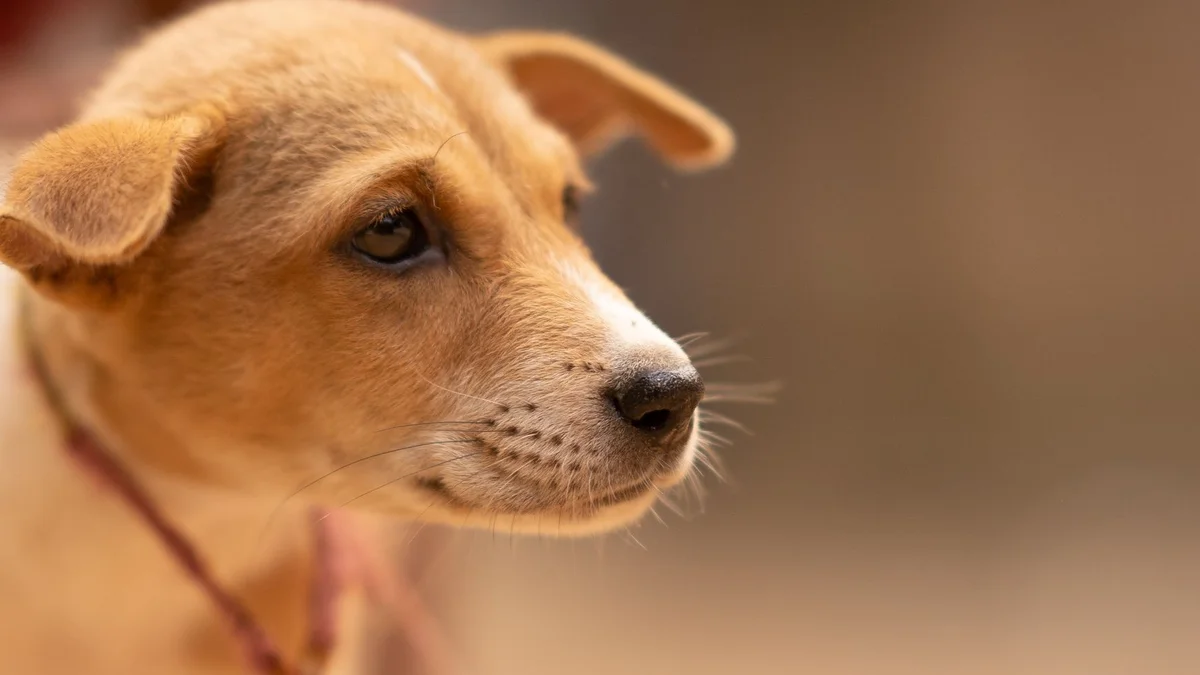
Canine Parvovirus (Parvo) in Dogs — Early Signs, Causes, and Effective Prevention in Vietnam
Canine parvovirus is one of the most dangerous diseases for puppies in Vietnam — mortality rates can reach 70–90% without prompt diagnosis and treatment. What makes it worse: the virus survives in hot, humid environments for up to 12 months, meaning dogs in Ho Chi Minh City, Hanoi, Da Nang, and southern Vietnam face particularly high exposure risk. Understanding parvo — from early warning signs to transmission routes and vaccination schedules — is essential knowledge every dog owner in Vietnam needs before it's too late.
What is canine parvovirus and why is it especially dangerous in Vietnam?
Canine parvovirus (CPV) attacks a dog's digestive system and bone marrow, most commonly affecting puppies under 6 months old who haven't completed their vaccination series. In Vietnam, the year-round tropical heat (28–38°C) and high urban dog density create ideal conditions for rapid virus spread, particularly during the rainy season from May through November.
The CPV-2 virus can survive outside the body for extraordinarily long periods — on soil, floors, clothing, shoes, and household surfaces. A single indirect contact with an infected dog's stool can transmit the disease to an unvaccinated puppy. In Vietnam, parvo clusters are highest in puppies aged 6–14 weeks — the critical window when maternal antibodies decline but vaccination series isn't yet complete.
Several factors make parvo especially problematic in Vietnam:
- Incomplete vaccination schedules: Many owners skip booster shots or believe one dose provides full protection.
- Environmental contamination: Alleyways, shared courtyards, and sidewalks where infected dogs have passed are potential transmission points.
- Early weaning: Puppies separated from mothers before 6 weeks old have underdeveloped immune systems.
- Heat stress: Vietnam's tropical climate causes rapid dehydration in sick puppies, accelerating disease progression.
What are the early warning signs of parvo in dogs?
Classic parvo symptoms include severe bloody diarrhea (with distinctive foul odor), persistent vomiting, complete loss of appetite, and fever of 39.5–41°C (103–106°F). Affected puppies typically appear lethargic, lie curled up, and don't respond normally to stimulation — a stark contrast to their usual playfulness. Symptoms typically appear 3–7 days after viral exposure.
Early stage (Days 1–2):
- Sudden loss of appetite or complete refusal to eat
- Lethargy, curled posture, reluctance to move
- Mild fever around 39–39.5°C (102–103°F) when measured rectally
- Dry heaving or vomiting clear to pale yellow liquid
Critical stage (Days 2–4):
- Frequent loose stools containing bright red or dark blood with pungent, distinctive odor
- Continuous vomiting; inability to retain water or liquids
- Sunken eyes, loss of skin elasticity (signs of severe dehydration)
- Pale or bluish gums
- Possible abdominal tenderness or bloating
Seek veterinary care immediately if you notice:
- Bloody diarrhea accompanied by vomiting
- Loss of consciousness, extreme lethargy, or inability to stand
- Temperature below 37°C (98.6°F) or above 40.5°C (104.9°F)
- Black, tar-like stools (sign of upper gastrointestinal bleeding)
⚠️ Critical: Parvo progresses rapidly — from first symptoms to critical condition can happen in just 24–48 hours. Do not wait to see if the puppy recovers on its own.
How does parvo spread and how long does the virus survive in the environment?
Parvo spreads primarily through direct contact with infected dog feces, but the real danger lies in indirect transmission: through shoes, clothing, hands, food bowls, leashes, floors, and shared spaces. The virus can survive in Vietnam's warm, humid environment for 6–12 months without a host.
A puppy doesn't need direct contact with a sick dog to become infected — it only takes one family member bringing contaminated material into the home.
Common transmission routes in Vietnam:
- Route — How It Happens
- Direct contact — Healthy dog touches infected dog's feces, vomit, or saliva
- Via people — Virus travels on shoes, clothes, hands from outside to home
- Contaminated items — Unwashed food bowls, leashes, collars, bedding
- Environmental surfaces — Contaminated soil, sidewalks, parks, courtyards
- Unreliable sources — Puppies from unvetted breeders or uncertified sellers
Important: parvo does not transmit to humans and does not infect cats (cats have their own virus, feline panleukopenia). However, every unvaccinated dog of any age is at risk.
Standard disinfectants like alcohol and soap do not kill parvo. Only diluted bleach (sodium hypochlorite) at a 1:30 ratio or veterinary-grade disinfectants are effective.
What does parvo treatment involve?
There is no antiviral drug that kills the parvo virus directly — treatment focuses on supportive care: IV fluid replacement to combat dehydration, anti-nausea medication, diarrhea management, antibiotics to prevent secondary bacterial infection, and immune support. Treatment costs in Vietnam typically range from 2–10 million VND (roughly 80–400 USD) depending on severity and hospitalization length.
Standard veterinary treatment protocol:
- Rapid parvo test (10–15 minutes): Stool sample analyzed at the clinic; results immediate. Cost: 150,000–300,000 VND (6–12 USD).
- IV fluid therapy: The most critical step — continuous replacement of lost fluids and electrolytes, often needed 24–72 hours.
- Anti-vomiting medication: Reduces fluid loss through vomiting; improves comfort.
- Antibiotics: Prevent intestinal bacteria from breaching the damaged gut lining and entering the bloodstream.
- Nutritional support: Feeding tube or IV nutrition when the puppy cannot eat or drink.
- Blood work monitoring: Track white blood cell counts to assess bone marrow damage.
With prompt, proper treatment, survival rates reach 70–90%. Without treatment or with delayed care, survival drops below 20–30%.
Important: During treatment and for 4 weeks after recovery, the puppy must be completely isolated from other dogs and all living areas must be disinfected with diluted bleach.
What's the correct vaccination schedule to prevent parvo?
Vaccination is the most cost-effective prevention — a single combo vaccine (parvo, distemper, hepatitis) costs 200,000–400,000 VND (8–16 USD), while parvo treatment costs 5–25 times more. Standard puppy vaccination includes three core shots during weeks 6–16, followed by annual boosters.
Recommended parvo vaccination schedule in Vietnam:
- Age — Vaccine — Notes
- 6–8 weeks — Dose 1 (combo vaccine) — Maternal antibodies begin to decline
- 10–12 weeks — Dose 2 (combo vaccine) — Most critical dose — do not skip
- 14–16 weeks — Dose 3 (combo vaccine) — Completes primary series
- 12–16 months — First booster — Strengthens long-term immunity
- Every 1–3 years — Annual booster — Depends on vaccine type and vet recommendation
Common mistakes Vietnamese dog owners make:
- Giving only one shot and assuming complete protection
- Allowing the puppy outdoors or exposing it to other dogs before dose 3
- Bringing the puppy home and only then scheduling vaccination
- Skipping annual boosters because the dog "seems healthy"
Golden rule: Do not expose the puppy to other dogs or outdoor environments until at least 2 weeks after the third vaccination dose.
At Mật Pet Family, every puppy comes with complete vaccination records and pre-purchase health checks — part of our written health warranty policy, a standard we pioneered in Vietnam back in 2011.
Which dog breeds have the highest risk of severe parvo in Vietnam?
Puppies under 6 months old who haven't completed vaccination are at highest risk regardless of breed, but certain breeds show increased sensitivity: Rottweilers, Dobermans, American Pit Bulls, and mixed-breed dogs without documented health history often experience more severe illness. In Vietnam, common breeds like Poodles, Chihuahuas, and Corgis also suffer high rates of severe parvo when unvaccinated.
Risk factors that amplify parvo severity:
- Age: Puppies 6 weeks to 6 months are most vulnerable; senior dogs (5+ years) without recent boosters are also at risk.
- Immune status: Puppies under stress, malnourished, harboring intestinal parasites, or recently rehomed have weakened defenses.
- Unknown origin: Puppies without documented vaccination history may have already been exposed before coming home.
- Crowded living: Multiple unvaccinated dogs sharing space increase transmission risk.
Choosing a puppy from a transparent, health-certified source is your strongest first line of parvo defense — even before vaccination. All puppies at Mật Pet Family's showroom have complete health documentation and pre-adoption health clearance.
How much does parvo prevention and treatment cost in Vietnam?
Vaccination costs only 200,000–400,000 VND (8–16 USD) per shot, while parvo hospitalization ranges from 2–10 million VND (80–400 USD) or more for severe cases lasting 5–7 days. The math is simple: prevention is dramatically cheaper than treatment — not just in money, but in emotional cost and your puppy's suffering.
Cost reference guide for Ho Chi Minh City (2024–2025):
- Item — Cost Range
- Rapid parvo test — 150,000–300,000 VND (6–12 USD)
- Combo vaccine (1 dose) — 200,000–400,000 VND (8–16 USD)
- IV therapy per day (mild case) — 300,000–600,000 VND (12–24 USD)
- Hospitalization 3–5 days (moderate) — 2,000,000–5,000,000 VND (80–200 USD)
- Severe case, complications, 5–10 days — 5,000,000–10,000,000+ VND (200–400+ USD)
- Environmental disinfectant (bleach) — 30,000–80,000 VND per liter (1–3 USD)
Beyond financial cost, parvo treatment demands intensive owner involvement — constant vet visits, anxiety, and the ever-present risk of losing your puppy. After 15 years supporting over 10,000 families since 2011, we can tell you: there is no grief quite like receiving a call that "the puppy didn't make it" because vaccination was delayed.
If your puppy's vaccination status is unclear or incomplete, schedule a vet visit today — don't wait for symptoms to appear.
Frequently Asked Questions About Canine Parvovirus
Can a vaccinated dog still get parvo?
No vaccine is 100% effective, but proper vaccination reduces infection risk below 5% and significantly lessens disease severity if breakthrough infection occurs. Dogs with complete primary series and annual boosters have over 95% protection. "Vaccinated but still got parvo" cases usually involve incomplete series, skipped boosters, or vaccination during incubation period.
Can parvo spread from dogs to humans?
No — CPV-2 does not infect humans and does not transmit to cats. However, people can unknowingly carry the virus on shoes and clothing from contaminated outdoor areas and transfer it to unvaccinated dogs in the home. Cats have their own parvovirus (feline panleukopenia) requiring separate vaccination.
If a dog recovers from parvo, can it catch parvo again?
Dogs that survive parvo typically develop strong, durable natural immunity lasting many years. However, continue following annual booster schedules as recommended by your veterinarian to maintain peak protection and guard against new viral variants.
How long after bringing a puppy home can it be vaccinated?
Allow 5–7 days for the puppy to acclimate to its new home before vaccination — environmental stress can reduce vaccine effectiveness. During this waiting period, keep the puppy indoors completely, avoid contact with other dogs, and disinfect shoes when entering the home.
Can parvo be treated at home?
No — parvo requires IV fluid therapy, which cannot be safely administered at home. Attempting home treatment with oral rehydration solutions or homemade remedies while delaying veterinary care wastes critical time. Bring the puppy to a veterinarian immediately upon suspicion of parvo.
Do cats get parvo from dogs?
Cats cannot catch the dog strain of parvovirus (CPV-2). Cats have their own related virus called feline panleukopenia (FPV), which causes similar symptoms: bloody diarrhea, vomiting, and high fever. Cats require their own separate vaccination to prevent this disease.
Mật Pet Family is here from day one
Parvo is preventable — and prevention starts by choosing your puppy from a trustworthy source with transparent health records. At Mật Pet Family, every puppy comes from certified breeders with complete health documentation and pre-purchase veterinary clearance — the foundation of our written pet health warranty, a standard we were the first pet shop in Vietnam to introduce.
If your family is considering welcoming a new puppy, or if you're concerned about your current dog's vaccination status, reach out to Mật Pet — no question is too small when it concerns your pet's health.
📞 Consultation hotline: 0939 863 696 (English-speaking staff available)
🏠 Visit [Mật Pet Family showroom](https://matpet.vn/showroom) to speak directly with our team of health and breed specialists.
You might also find these resources helpful:
- Pet Vaccination Schedule in Vietnam — Which Vaccines Do Dogs & Cats Need, When, and How Much Does It Cost?
- Dog or Cat Fever in Vietnam — How to Spot the Signs, Take Temperature Correctly, and When to See a Vet
- Pet First Aid at Home — Emergency Situations Every Pet Owner in Vietnam Should Know How to Handle
- How to Buy a Pet at Mật Pet Family in Vietnam — The Complete 7-Step Process, From Consultation to Health Warranty
Related articles
Feline Panleukopenia (FPV) in Cats — Early Warning Signs, Causes, and Effective Prevention in Vietnam
Ringworm and Fungal Skin Infections in Dogs & Cats in Vietnam — Early Signs, Causes, and Effective Treatment
Thrombocytopenia (Low Platelet Count) in Dogs and Cats in Vietnam — Early Detection, Causes, and Long-Term Management for Expats
Interested in pets from Mật Pet?
15 years of trust · 10,000+ pets delivered to Vietnamese families · Free 30-day health warranty · Nationwide delivery.