
How to Care for a Dog in Vietnam's Heat and Humidity: A Complete Guide for Expats
Expat guide to caring for a dog in Vietnam's 33–40°C heat. Grooming, diet, health, vet access & costs — expert tips from Mật Pet Family, HCMC's trusted pet shop.
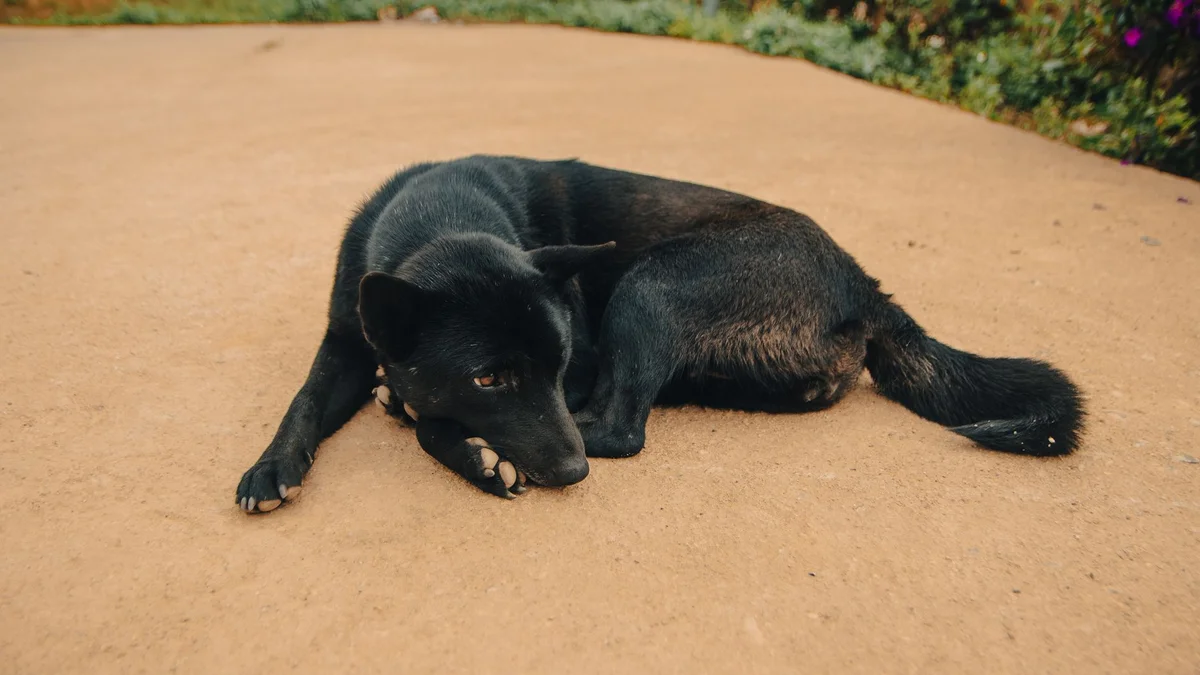
Owning a dog in Vietnam is genuinely rewarding — but the climate, city infrastructure, and local pet-care ecosystem are unlike anywhere most expats have lived before. Temperatures in Ho Chi Minh City regularly hit 33–40°C from March through May, humidity stays above 75% year-round, and many expats live in apartments rather than houses with gardens. Understanding these realities from day one will save your dog discomfort, save you money, and prevent avoidable vet visits.
What makes caring for a dog in Vietnam different from caring for one back home?
Vietnam's tropical climate, dense urban environment, and different food/product availability mean that routines that worked perfectly in Europe, North America, or Australia need to be adapted. The biggest adjustments are around heat management, parasite prevention, hydration, and finding English-speaking veterinary support — none of which are obvious until you have a dog in your lap at 38°C.
Most expats arrive from temperate climates where heartworm, ticks, and heat stroke are minor concerns. In Vietnam — especially in the south — these are everyday risks. Additionally, many popular imported dog foods are available but at a significant markup (often 30–60% above home-country prices), while high-quality local and regional alternatives exist that most newcomers don't know about. Getting oriented quickly makes a real difference for both your dog's health and your monthly budget.
Key differences to expect:
- Year-round parasite season (no "winter break" from fleas, ticks, or mosquitoes carrying heartworm)
- Heat exhaustion risk for thick-coated or flat-faced (brachycephalic) breeds
- Apartment living is the norm in HCMC and Hanoi — even large dogs are kept indoors most of the day
- Street food smells, motorbike traffic, and high-stimulus environments require extra socialization effort
- English-language vet resources exist but require a bit of research to locate
How do I keep my dog safe and cool in Vietnam's tropical heat?
The single most important adjustment for dog owners in Vietnam is proactive heat management. Dogs cannot sweat through their skin and rely almost entirely on panting to cool down. In sustained 35–40°C heat — especially combined with 80–90% humidity — this mechanism becomes dangerously insufficient, particularly for breeds with short muzzles or thick double coats.
Temperature thresholds to know:
- Pavement in direct sun can reach 55–65°C in HCMC between 11 am and 3 pm — enough to cause pad burns in under 60 seconds
- Dogs of any breed can develop heat stroke when core body temperature exceeds 41°C
- Brachycephalic breeds (French Bulldogs, Pugs, English Bulldogs) are at serious risk above 30°C
- Nordic and double-coated breeds (Huskies, Samoyeds, Chow Chows) struggle significantly in HCMC's southern climate
Practical cooling strategies:
- Walk your dog before 7 am or after 6 pm — midday walks in the south are genuinely dangerous in the hot season
- Always carry 250–500 ml of fresh water for walks longer than 20 minutes
- Use a cooling mat (available at pet shops in Vietnam for around 200,000–500,000 VND, roughly 8–20 USD) in your dog's rest area
- Run air conditioning in the room your dog sleeps in — a consistent indoor temperature of 24–27°C is a good target
- Keep coat trimmed to 1–2 cm for longer-haired breeds during the hot season (March–June in the south)
- Wet your dog's paw pads and belly with cool (not cold) water if they seem overheated
Signs of heat stroke — get to a vet immediately if you see: excessive panting that won't stop, drooling, glazed eyes, vomiting, or collapse.
What should I feed my dog in Vietnam, and where can I buy quality food?
A healthy adult dog in Vietnam needs the same nutritional basics as anywhere — quality protein, appropriate fat levels, and controlled carbohydrates — but the local market has some specific quirks worth knowing. Premium imported brands like Royal Canin, Hill's Science Diet, Orijen, and Acana are widely available in HCMC and Hanoi, though prices run 15–40% higher than in the US or EU due to import duties.
Portion guidance for common sizes (twice-daily feeding recommended in Vietnam's heat):
- Small dogs (3–7 kg, e.g. Chihuahua, Shih Tzu, Poodle Toy): 60–150 g dry kibble per day, split into 2 meals
- Medium dogs (10–20 kg, e.g. Beagle, Corgi, Shiba Inu): 180–300 g dry kibble per day
- Large dogs (25–40 kg, e.g. Labrador, Golden Retriever): 300–480 g dry kibble per day
Always check the manufacturer's feeding guide and adjust for your specific dog's weight and activity level. Dogs in Vietnam's heat tend to be less active during the hottest months, so portion sizes may need to be reduced slightly to prevent weight gain.
Hydration is critical: a 10 kg dog needs approximately 500 ml of water per day at minimum — more in the heat. Always have fresh water available, especially if feeding dry kibble.
Where to buy in HCMC/Hanoi:
- Dedicated pet shops (including Mật Pet Family showroom) carry a curated range of imported and domestic foods
- Vinmart, Lotte Mart, and Aeon carry basic brands
- Lazada and Shopee Vietnam both have reliable pet food sections with nationwide delivery
- Avoid feeding your dog street-food scraps — fish bones, chicken bones, chili, garlic, and onion (common in Vietnamese cooking) are all hazardous to dogs
For a full overview of nutrition plans matched to breed and age, visit our care guide.
How often does my dog need grooming in Vietnam's climate, and what does it cost?
In Vietnam's heat and humidity, dogs need more frequent grooming than in temperate climates — not less. Mats form faster in humidity, skin infections thrive in trapped moisture, and parasites like to hide in overgrown coats. Grooming is therefore both a comfort measure and a health check.
Recommended grooming frequency by coat type:
- Short-coated breeds (Beagle, Labrador, Dachshund): bath every 3–4 weeks, brush 2–3 times per week
- Medium-coated breeds (Shiba Inu, Corgi, Husky): bath every 2–3 weeks, brush 4–5 times per week (daily during shedding seasons)
- Long or curly-coated breeds (Poodle, Maltese, Bichon Frise, Shih Tzu): bath every 1–2 weeks, professional trim every 4–6 weeks
Professional grooming prices in HCMC (approximate ranges):
- Basic bath + blow-dry + nail trim for a small dog (under 5 kg): 100,000–200,000 VND (roughly 4–8 USD)
- Full groom (bath, blow-dry, haircut, ear cleaning, nail trim) for a medium dog (10–15 kg): 250,000–500,000 VND (roughly 10–20 USD)
- Full groom for a large dog (over 20 kg): 500,000–900,000 VND (roughly 20–36 USD)
Most pet shops in HCMC offer walk-in grooming — no appointment needed for basic services. For breeds that require precise cuts (Poodles, Bichons), asking for a groomer who has experience with the specific style you want is worthwhile, as grooming styles popular in Vietnam sometimes differ from European or North American standards.
Always check for skin redness, hot spots, or unusual odour during or after grooming — in Vietnam's humidity, yeast and bacterial skin infections are more common than in drier climates, and early detection makes treatment much simpler.
What vaccinations, parasite prevention, and vet visits does my dog need in Vietnam?
Vietnam is a high-risk environment for several diseases that may be rare or well-controlled in your home country. Rabies is endemic in Vietnam, which has direct implications for your dog's vaccination schedule and, critically, for export paperwork if you plan to leave the country later. Year-round parasite exposure is the other major difference from temperate climates.
Core vaccination schedule (consult your vet for exact timing):
- Rabies vaccine: required by law; initial course typically given from 12 weeks of age, booster every 1–3 years depending on vaccine type
- DHPP (Distemper, Hepatitis, Parvovirus, Parainfluenza): core vaccine, typically every 1–3 years after puppy series
- Leptospirosis: strongly recommended in Vietnam given urban flooding and rat exposure; annual booster
- Bordetella (kennel cough): recommended if your dog visits grooming salons, parks, or boarding facilities
Parasite prevention — monthly, year-round:
- Heartworm prevention: Heartworm (transmitted by mosquitoes) is present throughout Vietnam. Monthly oral or topical preventatives (e.g. NexGard Spectra, Heartgard — available at vets and well-stocked pet shops) are essential. A 30-day supply for a medium dog costs approximately 150,000–350,000 VND (about 6–14 USD)
- Flea and tick treatment: monthly spot-on or oral treatment recommended year-round. Cost: 80,000–250,000 VND per month depending on product and dog size
- Intestinal wormers: every 3 months for adults, more frequently for puppies
Finding an English-speaking vet in HCMC: Several international-standard clinics operate in District 2, District 7, and Binh Thanh, and most have at least one English-speaking vet on staff. Ask expat Facebook groups ("Expats in Ho Chi Minh City" has over 100,000 members and frequent vet recommendations) or contact Mật Pet Family's team for referrals — our hotline 0939 863 696 includes English support.
What are the most common health problems for dogs living in Vietnam, and how do I prevent them?
Dogs living in Vietnam's tropical climate face a distinct set of health challenges compared to dogs in Europe or North America. With over 15 years of experience caring for pets across Vietnam since 2011, Mật Pet Family's team has seen that skin conditions, gastrointestinal upsets, and parasite-related illness are the most frequently presenting issues in expat dogs — most of them preventable.
Most common health issues and prevention:
- Heat stroke and heat exhaustion — Avoid midday outdoor activity; ensure indoor cooling. Seek emergency vet care if suspected.
- Skin infections (bacterial/yeast): Humidity traps moisture in skin folds and coat, especially in breeds like Bulldogs and Shar-Pei. Keep skin folds dry; groom regularly; dry thoroughly after baths.
- Gastrointestinal upsets: Change in diet (different food brands available vs. home country), exposure to street food, or contaminated water. Feed consistent, quality food; use filtered water.
- Heartworm: Preventable with monthly medication — but unprotected dogs can test positive within 6 months in Vietnam. Prevention is dramatically cheaper than treatment.
- Tick-borne diseases (Ehrlichiosis, Babesiosis): Both are present in Vietnam. Ticks are active year-round. Monthly tick prevention is not optional.
- Parvovirus: Highly contagious and often fatal in unvaccinated puppies. Ensure full puppy vaccination series is completed before park visits.
If you purchase a dog from Mật Pet Family, our pet health warranty is the first of its kind in Vietnam — a formal commitment to your pet's health from the moment of purchase, something no other pet shop in the country offers.
How much does it cost to own a dog in Vietnam as an expat, per month?
Dog ownership in Vietnam is genuinely more affordable than in most Western countries for day-to-day expenses, though upfront costs (purchase price, initial vaccinations, spay/neuter) are comparable or slightly lower. The main budget items are food, grooming, parasite prevention, and vet check-ups.
Estimated monthly running costs in HCMC (VND and approximate USD):
- Expense — Small Dog (under 7 kg) — Medium Dog (10–20 kg) — Large Dog (over 25 kg)
- Quality dry food — 400,000–700,000 VND (~16–28 USD) — 700,000–1,200,000 VND (~28–48 USD) — 1,200,000–2,000,000 VND (~48–80 USD)
- Grooming (monthly avg) — 150,000–300,000 VND — 250,000–500,000 VND — 500,000–900,000 VND
- Parasite prevention — 150,000–250,000 VND — 200,000–350,000 VND — 300,000–500,000 VND
- Treats & toys — 100,000–300,000 VND — 150,000–400,000 VND — 200,000–500,000 VND
- Monthly total (approx) — 800,000–1,550,000 VND (~32–62 USD) — 1,300,000–2,450,000 VND (~52–98 USD) — 2,200,000–3,900,000 VND (~88–156 USD)
Annual vet costs (vaccines + check-up + worming) typically add 1,500,000–3,500,000 VND (about 60–140 USD) per year for a healthy dog. Emergency vet care is harder to budget but specialist consultations in HCMC typically run 300,000–800,000 VND (about 12–32 USD) for a consultation, significantly lower than equivalent care in the US or EU.
For a transparent breakdown of purchase prices, visit our pricing page.
Can I take my dog out of Vietnam when I leave, and what paperwork do I need?
Relocating a dog out of Vietnam is absolutely possible but requires careful advance planning — typically 3–6 months ahead of your departure date, depending on your destination country's requirements. Requirements differ significantly between countries (Australia and New Zealand have some of the strictest; EU countries, the UK, and the US each have their own protocols), and Vietnam's own export requirements also apply.
General steps typically involved (always verify current requirements with your destination country's embassy and a licensed vet):
- Microchip: ISO-standard 15-digit microchip — most destination countries require this. Ensure it was implanted before any rabies vaccines for the chip to be recognised.
- Rabies vaccination: Must be current. Some countries require a rabies antibody titer test (blood test proving immunity), which must be done at an approved lab and often requires 3–6 months of waiting time before travel is permitted.
- Health certificate: Issued by a licensed vet and often endorsed by Vietnam's Department of Animal Health (Cục Thú Y) within a specific window before travel (often 10 days).
- Import permit: Required by many destination countries — apply well in advance.
- Quarantine: Some countries (Australia, New Zealand, Singapore, UK) require quarantine on arrival, ranging from 10 to 180 days.
Key advice: Join expat Facebook groups specific to your destination country and ask for recent first-hand experiences — regulations change, and peer advice from someone who completed the process in the last 12 months is invaluable. Always work with a vet experienced in pet export from Vietnam.
For questions about documentation for dogs purchased from Mật Pet Family, our team at 0939 863 696 (English support available) can guide you through what paperwork comes with your pet at purchase.
Frequently asked questions about caring for a dog in Vietnam as an expat
Is Vietnam too hot for a Husky or other thick-coated dog?
Ho Chi Minh City's year-round heat (average 28–35°C) is genuinely challenging for Nordic or double-coated breeds like Huskies, Samoyeds, and Alaskan Malamutes. These dogs can survive in Vietnam with rigorous air conditioning, limited outdoor time, and close monitoring, but veterinarians generally advise that they are not ideal for the southern climate. Hanoi and Da Nang, with cooler winters, are more manageable.
Where can I buy a healthy dog in Ho Chi Minh City as a foreigner?
Visiting a reputable pet shop in person is the safest route. Mật Pet Family's showroom has operated since 2011 and offers a health warranty — the first in Vietnam — so you have recourse if a health issue emerges after purchase. Avoid buying from street vendors or unverified social media sellers, where documentation is often absent and health screening is not guaranteed.
How do I find an English-speaking vet in HCMC or Hanoi?
Several clinics in expat-heavy districts (District 2 / Thu Duc City, District 7, Tay Ho in Hanoi) have English-speaking vets. The "Expats in Ho Chi Minh City" Facebook group (100,000+ members) and similar Hanoi groups are the most reliable current sources of recommendations, as staff turnover at clinics means online directories go stale quickly. Mật Pet Family's team (0939 863 696) can also provide referrals.
Do I need to register my dog with Vietnamese authorities?
Vietnam does have regulations around dog registration and vaccination records, and requirements can vary by district. In practice, enforcement is inconsistent, but having up-to-date rabies vaccination documentation is both legally sensible and required if your dog is ever involved in a biting incident or if you plan to travel internationally. Ask your vet to keep a formal vaccination booklet for your dog.
Is it safe to walk my dog in Vietnamese cities given the traffic?
Walking a dog in HCMC or Hanoi requires adjustment. Pavements are often used for parking and are uneven; motorbike traffic is dense and unpredictable. A well-fitted harness (rather than a collar-only lead) and a short 1.2–1.5 m lead give you more control. Early mornings (5:30–7 am) are the best time — cooler, quieter, and lower traffic. Parks in larger districts offer safer walking space but can be crowded on weekends.
What is the best dog breed for an expat living in a HCMC apartment?
Breeds that adapt well to apartment life in Vietnam's heat include Poodles (Toy and Miniature), Shih Tzus, Malteses, French Bulldogs (with careful heat management), Corgis, and Beagles. These breeds are manageable in size (generally 3–15 kg), adapt to indoor living, and are widely available through reputable pet shops. Browse available dogs on our dog catalogue or visit our showroom to meet them in person.
Ready to get started? Talk to Mật Pet Family's team
Whether you're choosing your first dog in Vietnam, troubleshooting a care routine, or planning your exit from the country with a pet in tow, Mật Pet Family has been helping pet owners — including thousands of expats — navigate these exact questions since 2011. We've cared for more than 10,000 pets and are the only pet shop in Vietnam to offer a formal pet health warranty.
Call or message us at 0939 863 696 — English support is available. Visit our showroom to meet our team and available pets in person, or browse our full care guide for breed-specific advice. We're here to make pet ownership in Vietnam straightforward, healthy, and genuinely enjoyable.
Related articles

Pet Care During Tết in Vietnam — Keeping Your Dog or Cat Safe, Calm, and Healthy Through the Holiday

Toilet Training Your Dog or Cat in Vietnam — Step-by-Step Housebreaking, Accident Management, and Building Lasting Habits

Nutrition for Spayed & Neutered Dogs and Cats in Vietnam — Portion Sizes, Food Types, and Post-Surgery Adjustments
Interested in pets from Mật Pet?
15 years of trust · 10,000+ pets delivered to Vietnamese families · Free 30-day health warranty · Nationwide delivery.