
Puppy Nutrition from Weaning to 12 Months — Feeding Schedule, Food Types & Portions in Vietnam
Complete puppy nutrition guide for months 2–12 in Vietnam: portions, food types, feeding schedule, and climate adjustments — Mật Pet Family's expert advice for expats.
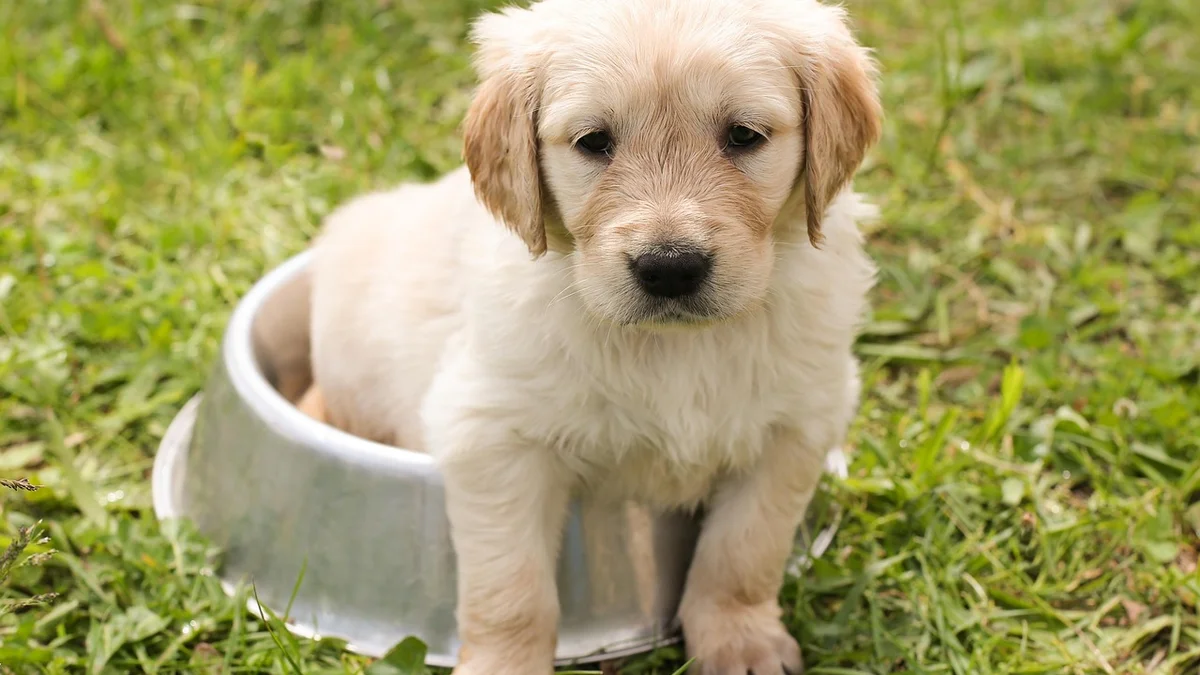
The window from weaning through 12 months is the "golden period" that shapes your puppy's lifelong health. Get nutrition right during these months — and your pup reaches proper breed weight, builds strong bones, and develops a robust immune system. Get it wrong, and you risk stunted growth, obesity, or digestive problems that can linger for years. Based on 15 years caring for over 10,000 puppies at Mật Pet Family in Ho Chi Minh City, here's everything you need to know.
Why are the first 12 months so critical for puppy nutrition?
Puppies grow faster during this period than at any other time in their lives—many breeds gain from 500 grams up to 5–30 kg in just 12 months. Their protein, calcium, and phosphorus needs are 1.5–2 times higher than adult dogs. Nutritional mistakes during this "golden window" can cause irreversible bone and metabolic problems.
When your puppy is newly weaned (around 4–6 weeks), their digestive system is still maturing. They transition from mother's milk to solid food over 2–4 weeks. Throughout their first year, their gut doesn't yet absorb nutrients as efficiently as an adult dog's—this is why portion control and feeding frequency matter so much.
Key nutritional targets for growing puppies:
- Protein: 22–32% (dry matter basis) per AAFCO standards — essential for muscle development.
- Calcium-to-phosphorus ratio: ideally 1.2:1 to 1.4:1 — a mismatch causes bone disorders, especially dangerous in large breeds like Goldens or Huskies.
- Total daily calories need to be adjusted every 4–8 weeks as your puppy gains weight.
One more thing: Vietnam's tropical climate (average 28–35°C year-round) means puppies lose more water than those in temperate climates. Your puppy needs 50–80 ml of water per kg of body weight per day—often more than importedpackaging suggests.
Should I feed kibble, wet food, or home-cooked meals?
Quality puppy kibble (labeled "puppy" or "junior") is the safest foundation because it's already nutritionally balanced to AAFCO or FEDIAF standards. Wet food can supplement but shouldn't exceed 30% of meals. Home-cooked meals require veterinary guidance to avoid nutritional gaps.
Kibble (dry food) — your foundation:
- Look for "for puppies" or "all life stages" on the label, with meat or fish as the first ingredient.
- Common brands in Vietnam: Royal Canin, Hill's Science Diet, Orijen, Acana, Eukanuba — ranging from 180,000–650,000 VND/kg (roughly 7–26 USD/kg) depending on the line.
- Small-breed kibble (under 10 kg when adult) has smaller pieces; large-breed kibble for bigger pups helps prevent bloat and joint stress.
Wet food (pâté/canned) — a smart supplement:
- Increases water intake, helpful in Vietnam's heat.
- Safe ratio: 70% kibble + 30% wet food is a good starting point.
- Never leave wet food in the bowl longer than 30 minutes at room temperature (above 30°C) — bacteria multiply quickly.
Home-cooked meals — only with professional guidance:
- Base: cooked plain chicken, beef, or fish (no seasoning, no onion/garlic) — 60–70% of the meal.
- Vegetables: steamed sweet potato, carrot, pumpkin — 20–30%.
- Absolute no-go foods: onion, garlic, grapes, raisins, chocolate, xylitol — all toxic to dogs.
- Home-cooking without added mineral supplements (calcium, phosphorus, vitamin D) leads to deficiencies within 2–3 months—serious risk.
What's the ideal feeding schedule for puppies from 2 to 12 months old?
The number of meals per day decreases as your puppy grows: 4–5 meals for newly weaned pups, down to 2–3 meals by 6 months. Smaller, frequent meals help young digestive systems absorb nutrients better and prevent hypoglycemia—critical for toy breeds under 3 kg like Chihuahuas and Pomeranians.
Puppy Feeding Schedule by Age:
- Age — Meals Per Day — Key Notes
- 4–8 weeks — 4–5 — Soak kibble in warm water or puppy milk replacer; small portions
- 2–3 months — 4 — Gradually shift to dry kibble if digestion is stable
- 3–6 months — 3 — Fastest growth phase — track weight every 2 weeks
- 6–12 months — 2–3 — Toy breeds: stay at 3 meals; large breeds: shift to 2 by month 7–8
How much to feed each meal:
Use this rule of thumb: 5–10% of current body weight per day (for wet food), OR follow the grams on your kibble bag based on current weight. But numbers are less important than body condition score (BCS):
- When you look at your puppy from above, you should see a slight waist.
- When you gently feel the ribs, they should be palpable but not visibly protruding.
- That's the ideal weight.
If your puppy looks too thin, increase by 10–15%. If you see fat deposits forming, decrease by 10–15%. Weigh your puppy every 2 weeks (ages 2–6 months) to track growth curves—this is far more reliable than following package guidelines alone.
How should I adjust feeding for Vietnam's heat and humidity?
Most imported puppy food is formulated for temperate climates (15–20°C). In Vietnam, the heat increases water needs but may actually reduce appetite. You need to make three key adjustments: water intake, meal timing, and food storage.
Climate-specific adjustments:
- Water intake: Always have fresh water available—replace it at least twice daily. Your puppy needs 50–80 ml per kg per day in heat (vs. 40–60 ml/kg in temperate climates per package guidelines). Dehydration reduces nutrient absorption and causes constipation.
- Feeding times: Avoid feeding during the hottest hours (11 am–2 pm). Ideal: early morning (6–8 am), late lunch (2–3 pm), and early evening (5–6 pm)—puppies eat better when it's cooler.
- Kibble storage: Vietnam's humidity (75–85% in HCMC) causes kibble to absorb moisture and go moldy fast. After opening a bag, transfer kibble to an airtight container with a silicone seal, store in a cool, dry spot, and use within 4–6 weeks. Don't leave the bag open.
- Probiotics for digestive stability: When switching foods or after antibiotics, add a puppy-safe probiotic (Fortiflora, Proviable) for 7–10 days—helps the gut bacteria stabilize faster in the heat.
Which nutrients are most commonly deficient in Vietnam-raised puppies, and how do I supplement?
Calcium–phosphorus (from home-cooked diets without mineral premixes), Omega-3 (lacking in budget kibbles), and vitamin D (low sun exposure indoors) are the three most common gaps. Deficiency in these directly damages bones, coat, and immune function.
Calcium & Phosphorus:
- If you're feeding quality puppy kibble, you don't need extra calcium supplements—excess is actually more dangerous than deficiency, causing abnormal bone growth, especially in large breeds.
- Only supplement if your vet recommends it AND your puppy eats entirely home-cooked food.
Omega-3 (DHA/EPA):
- Supports brain development, vision, and reduces skin inflammation.
- Food sources: cooked salmon or mackerel (no seasoning), 2–3 times per week.
- OR fish oil supplement: 0.5–1 ml per kg per day (follow product label).
Vitamin D:
- Naturally synthesized from sunlight—15–20 minutes of morning sun (before 8 am), 3–4 times per week, is usually enough.
- If your puppy lives mostly indoors (common in HCMC apartments), ask your vet about a vitamin D3 multivitamin.
What human foods are absolutely off-limits for puppies?
Several common kitchen items are toxic to puppies—some fatally—even in tiny amounts. Onion, garlic, grapes, and chocolate top the danger list. Post this list on your fridge before your puppy comes home.
Forbidden Foods — Print & Post:
- Food — Risk
- Onion, garlic, chives — Destroys red blood cells → hemolytic anemia
- Grapes, raisins — Acute kidney failure (mechanism unclear, but risk is very high)
- Chocolate, cocoa — Theobromine causes seizures, irregular heartbeat
- Xylitol (sugar-free gum, "no sugar" candy) — Severe hypoglycemia, liver failure
- Cooked bones (chicken, pork, boiled) — Splinters become lodged or pierce the intestines
- Macadamia nuts — Temporary limb paralysis, fever
- Avocado — Vomiting, diarrhea
- Alcohol, beer — Severe nervous system poisoning, even a few ml is dangerous
If your puppy eats any of these, call a vet immediately—don't wait for symptoms. Many (xylitol, grapes) cause damage over 6–24 hours, and early treatment makes the difference between life and death.
How much does it cost to feed a puppy properly in Vietnam each month?
Monthly puppy food costs range from 500,000 to 3,000,000 VND (roughly 20–120 USD) depending on breed size and food quality. Toy breeds eat far less; large breeds cost significantly more. Investing in premium puppy food early often saves money on vet bills later.
Estimated Monthly Food Cost by Breed Size:
- Breed Group — Adult Weight — Monthly Food Cost
- Toy breeds (Chihuahua, Pomeranian, Toy Poodle) — 2–4 kg — 500,000–900,000 VND (20–36 USD)
- Small–medium breeds (Corgi, Shiba, Standard Poodle) — 8–14 kg — 900,000–1,600,000 VND (36–64 USD)
- Large breeds (Golden Retriever, Labrador, Husky) — 20–35 kg — 1,500,000–3,000,000 VND (60–120 USD)
These estimates reflect premium–super-premium kibble available in HCMC in 2024–2025. Budget kibble (under 100,000 VND/kg) may be cheaper but often lacks proper nutrient levels for a growing puppy.
Beyond food, budget for:
- Supplements (fish oil, probiotics, training treats): 100,000–300,000 VND/month
- Quality food and water bowls (one-time): 150,000–500,000 VND
- Regular vet checkups (every 3–6 months): 200,000–500,000 VND per visit
When you bring home a purebred puppy from Mật Pet Family, our team gives you a detailed feeding plan matched to your pup's breed and growth curve—plus access to our health warranty, which is unique in Vietnam and covers you during these critical early months.
Frequently Asked Questions About Puppy Nutrition
At what age can a puppy start eating solid kibble?
Puppies can begin soft kibble at 3.5–4 weeks old, when their baby teeth start coming in. Initially, soak the kibble in warm water or puppy milk replacer (ratio 1:2) until completely soft. Over 2–3 weeks, gradually reduce the liquid until your pup is eating dry kibble entirely. This gradual transition prevents digestive upset.
Is cow's milk safe for puppies?
No. Most puppies lack sufficient lactase enzyme to digest lactose in cow's milk—it causes diarrhea and bloating. If you need to bottle-feed or supplement with milk (orphaned puppies, for example), use only puppy milk replacer formulated for dogs, available at pet shops. Never use regular dairy milk.
How many times a day should a puppy eat?
Puppies 2–3 months old need 3–4 meals per day; ages 3–6 months need 3 meals per day; ages 6–12 months need 2–3 meals per day depending on breed. Dividing meals prevents stomach stress and hypoglycemia—especially critical for toy breeds under 2 kg.
My puppy won't eat for 1–3 days after arriving home. Should I worry?
This is completely normal. Your puppy is adjusting to a new environment. Keep meals calm, don't switch food suddenly, and ensure constant fresh water. If loss of appetite continues beyond 48 hours or includes vomiting, diarrhea, or lethargy, take your pup to a vet immediately.
Can I feed my puppy adult dog food?
Not recommended during the first 12 months. Adult dog food has lower protein and calcium—insufficient for a growing puppy. The only exception is food labeled "all life stages" (meets AAFCO growth standards for puppies)—that's safe if it meets puppy nutrient requirements on the label.
How much kibble per meal—should I guess, or weigh it?
Always start with the package feeding guide (based on current weight and age), then observe your puppy's body condition after 2 weeks. If too thin, increase 10–15%; if gaining fat, decrease 10–15%. Weigh your puppy every 2 weeks (ages 2–6 months)—tracking actual growth is more accurate than estimates. This method catches nutritional imbalances early.
Watching Your Puppy Thrive — From First Meal to Independence
Those first 12 months fly by. One day your puppy is a tiny, milk-dependent ball of fur; the next, they're a confident, energetic dog running circles around your apartment. The meals you provide during this window matter more than you might realize.
If you're unsure about portions, struggling to find the right food for your pup's breed, or want tailored nutrition advice—reach out to Mật Pet Family. Our team has guided over 10,000 families through this exact journey since 2011. We know Vietnam's climate, the local food availability, and what works for expat households living in apartments across HCMC, Hanoi, and Da Nang.
View our available puppies and breeds or visit our showroom for hands-on guidance. We'll set you up with a feeding plan tailored to your puppy's age, breed, and living situation—all covered by our health warranty, Vietnam's first and only pet health guarantee.
📞 Questions? Call us: 0939 863 696 (English-speaking staff available)
We're here to help your puppy get the healthiest start possible.
Related articles

Pet Care During Tết in Vietnam — Keeping Your Dog or Cat Safe, Calm, and Healthy Through the Holiday

Toilet Training Your Dog or Cat in Vietnam — Step-by-Step Housebreaking, Accident Management, and Building Lasting Habits

Nutrition for Spayed & Neutered Dogs and Cats in Vietnam — Portion Sizes, Food Types, and Post-Surgery Adjustments
Interested in pets from Mật Pet?
15 years of trust · 10,000+ pets delivered to Vietnamese families · Free 30-day health warranty · Nationwide delivery.