
Ear Care for Dogs & Cats in Vietnam — Cleaning Routine, Warning Signs, and When to See a Vet
How to clean your dog or cat's ears in Vietnam's humid climate, spot early infection signs, and know when to call the vet. Expert advice from Mật Pet Family.
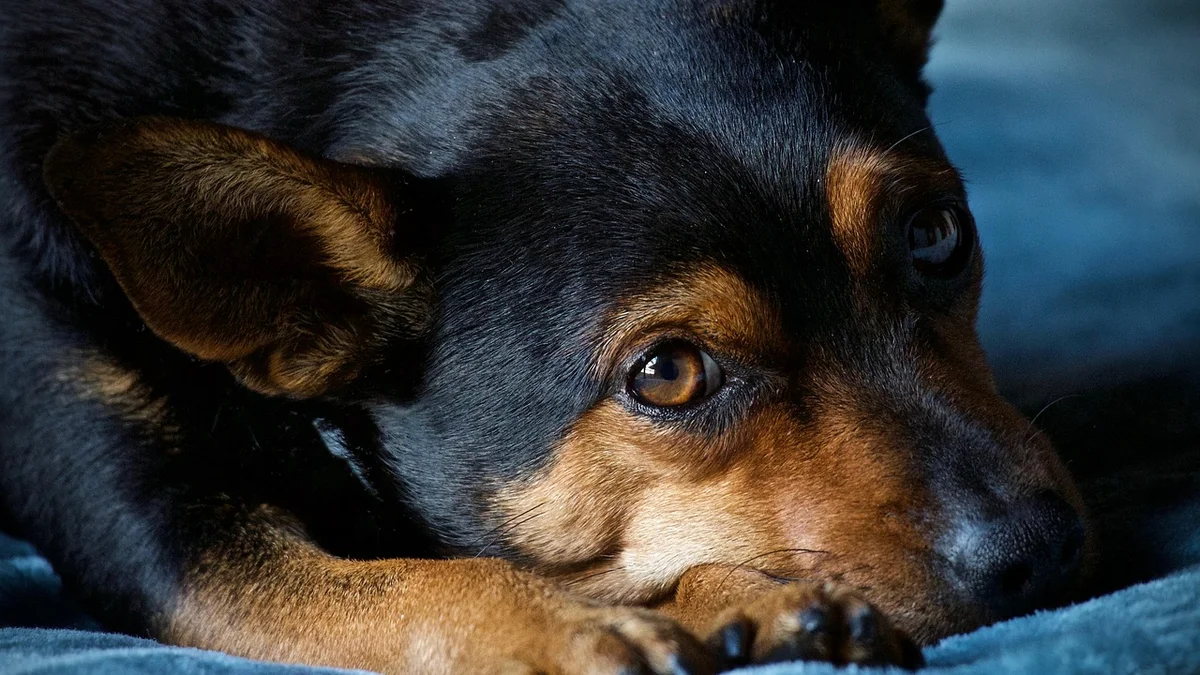
Ears are one of the most overlooked parts of a pet's grooming routine — yet they're also one of the fastest places for wax, bacteria, and yeast to build up. In Vietnam's tropical heat and humidity, that problem is significantly amplified. Skip ear checks for two or three weeks and many dogs and cats will already be showing early signs of infection: scratching, head shaking, and visible discomfort. This guide walks you through everything you need to know — how often to clean, the right technique, what warning signs to watch for, and when it's time to get to a vet.
Why does ear care matter more for pets in Vietnam than in a temperate climate?
Vietnam's hot, humid climate — especially in Ho Chi Minh City, where average humidity sits between 75–85% year-round — creates near-ideal conditions for bacteria and yeast to thrive inside a pet's ear canal. Pets living in Vietnam face a 2–3× higher risk of ear infections compared to those in cooler, drier climates, making regular ear maintenance a non-negotiable part of pet ownership here.
Dogs and cats have an L-shaped ear canal (unlike the straight vertical canal in humans), which means wax, moisture, and debris naturally collect in the horizontal inner section — a spot your pet simply cannot self-clean. When high ambient humidity combines with dense ear hair (Poodles, Cocker Spaniels) or heavy drooping ear flaps that seal off airflow (Basset Hounds, Labradors), that inner canal becomes a warm, moist, bacteria-friendly environment.
The main risk factors in Vietnam's climate:
- Persistent humidity and the rainy season: pets frequently get wet ears on outdoor walks from June to November
- Swimming or frequent bathing: water trapped in the canal if not dried thoroughly after every session
- Dense ear hair: traps moisture and restricts natural airflow
- Food or environmental allergies: commonly trigger chronic ear inflammation as a secondary symptom
- Ear mites and parasites: more prevalent in tropical environments year-round
For expat dog owners: if your dog loves the pool at your serviced apartment complex or you take them to the beach on weekend trips to Vũng Tàu or Mũi Né, ear drying after every swim is essential — not optional.
How often should I clean my dog or cat's ears each month?
For most healthy pets with no history of ear infections, cleaning 1–2 times per month is sufficient. Breeds with heavy ear hair or floppy ears should be cleaned 2–4 times per month. Cats are generally better at self-cleaning than dogs — for most straight-eared cats, checking every two weeks and only intervening when you see buildup is perfectly fine.
A practical cleaning schedule by ear type:
- Pet type — Recommended frequency
- Cats with straight ears (British Shorthair, tabby) — Once a month, or when visibly dirty
- Dogs with upright ears, short coat (Shiba Inu, Husky) — 1–2 times per month
- Dogs with floppy ears, short coat (Beagle, Labrador) — 2–3 times per month
- Dogs with long or dense ear hair (Poodle, Cocker Spaniel) — 3–4 times per month
- After every bath or swim — Dry the ears immediately — don't wait for the next scheduled clean
Important: more frequent is not always better. Cleaning more than four times a month without a veterinary reason can strip the ear canal's natural protective barrier and cause irritation — essentially creating the problem you're trying to avoid.
How do I clean my dog or cat's ears properly at home?
You only need three things: a pet-specific ear cleaning solution (never alcohol or plain water), soft cotton pads or gauze, and patience. The whole process takes about 5–10 minutes once your pet is comfortable with it.
Step-by-step process:
- Choose the right moment. Pick a time when your pet is calm — not hungry, not post-exercise, not anxious. Spend 2–3 minutes petting them and speaking quietly before you start.
- Check the ear first. Look into the canal for any redness, unusual smell, or discharge. If you see any of these, stop — don't clean, take your pet to a vet instead. Cleaning an already-infected ear can drive bacteria deeper.
- Apply the cleaning solution. Gently tilt your pet's head and drop 5–10 drops of the ear cleaner into the canal. Use a product formulated specifically for dogs or cats — not rubbing alcohol, hydrogen peroxide, or saline solution, all of which can irritate or damage the ear canal.
- Massage the base of the ear. Hold the ear flap up and gently massage the base of the ear (the area just below the ear opening) for 20–30 seconds. You'll often hear a soft squelching sound — that means the solution is working through the wax.
- Let them shake. Your pet will naturally shake their head to expel loosened wax and solution. Let them — it's the most effective part of the process.
- Wipe the visible area. Use a cotton pad or soft gauze to gently wipe the outer part of the canal and the ear flap — only what you can see. Never insert a cotton swab (Q-tip) deep into the canal. It pushes wax further in and risks perforating the eardrum.
- Reward generously. A treat and some praise after each session builds a positive association, making future cleanings progressively easier.
Which ear cleaner to use: Look for established brands like Virbac Epi-Otic, Douxo Calm, or Petlogix — all designed to match the pH requirements of a dog or cat's ear canal. These are widely available at reputable pet shops across HCMC and Hanoi, typically priced at 80,000–250,000 VND per bottle (roughly 3–10 USD), with each bottle lasting 20–30 cleaning sessions.
What warning signs tell me my pet's ear might have a problem?
A healthy ear looks pale pink, has little to no odor, and produces only a small amount of light yellow or pale brown wax. Any of the following signals should prompt closer attention or a vet visit.
Monitor at home — these may resolve with routine cleaning:
- More wax than usual, but normal in color and odor
- Occasional head shaking or mild ear scratching
- Slightly dirty outer ear with no smell
See a vet within 24–48 hours if you notice:
- A sour, foul, or fishy odor coming from the ear — a classic sign of bacterial or yeast infection
- Dark brown, black, or pus-like discharge
- Continuous scratching at the ear, or rubbing the head along the floor or wall
- Visible redness, swelling, or pain when the ear is touched
- Head tilting to one side persistently
- Loss of balance or walking in circles
Seek emergency veterinary care immediately if you see:
- Bleeding from the ear
- Your pet crying out when the ear is touched
- A large, soft swelling of the ear flap (this may be an aural hematoma — a blood-filled pocket that requires prompt treatment)
- Complete loss of balance combined with vomiting
With over 15 years of experience caring for more than 10,000 pets since 2011, the team at Mật Pet Family sees a consistent pattern: the majority of serious ear infections started as minor symptoms that were ignored for one to two weeks. Catching the problem early means a simpler, cheaper treatment — often the difference between a 400,000 VND course of ear drops and a 2–3 million VND treatment for a chronic or complicated infection.
How can I tell whether my pet has a bacterial, yeast, or mite infection?
The three most common causes of ear infection in Vietnam are bacteria, yeast (specifically Malassezia), and ear mites (Otodectes cynotis). Each produces a distinct pattern of symptoms — knowing the difference helps your vet diagnose faster and prescribe the right treatment.
Bacterial ear infection:
- Strong, unpleasant odor
- Yellow-green discharge or visible pus
- Significant redness and swelling; your pet clearly flinches when the ear is touched
- Often develops after prolonged ear moisture (post-swim, rainy-season walks)
*Yeast infection (Malassezia — the most common type in Vietnam due to humidity):*
- Distinctive sour or faintly sweet smell
- Thick, dark brown waxy buildup
- Intense itching — constant scratching
- Often associated with skin allergies or generally damp living conditions
*Ear mites (Otodectes — ear mange):*
- Black or very dark brown, granular discharge that looks like coffee grounds
- Violent, frequent head shaking
- Most common in cats, especially kittens and cats with outdoor exposure or contact with other cats
- Contagious — can spread between pets sharing the same household
Only a vet can make an accurate diagnosis through an otoscope exam and ear-discharge analysis. Do not buy over-the-counter ear drops and self-treat without knowing the cause. Using the wrong product — for instance, treating a mite infection with an antibacterial drop — will not resolve the problem and can contribute to drug resistance or worsen inflammation.
A note for expats finding English-speaking vets in Vietnam: the expat Facebook groups in HCMC ("Expats in Ho Chi Minh City," "HCMC Expat Families") and Hanoi ("Hanoi Massive") maintain regularly updated lists of English-friendly veterinary clinics. Internations groups in each city are another reliable source of recent recommendations.
Which dog and cat breeds are most prone to ear problems in Vietnam?
Not every breed carries the same risk. Certain ear structures and coat types create conditions where regular cleaning alone may not be enough — especially in Vietnam's climate. Understanding your breed's risk level helps you plan a realistic care schedule.
High-risk breeds — aim for 3–4 cleanings per month:
- Poodle (Toy, Miniature, Standard): hair grows inside the ear canal as well as outside; these dogs need periodic ear hair removal by a professional groomer in addition to regular cleaning
- Cocker Spaniel: large, floppy ears that seal tightly over the canal; poor airflow and high wax production
- Labrador Retriever & Golden Retriever: floppy ears combined with a love of swimming — a high-moisture combination
- Basset Hound: exceptionally long, heavy ears with almost no air circulation
- Shar-Pei: unusually narrow ear canals from birth
Medium-risk breeds — 2–3 cleanings per month:
- Scottish Fold cats: the folded ear partially covers the canal opening, trapping humidity
- Persian cats: long facial and ear fur that retains moisture; check regularly
- French Bulldog: narrow ear canals due to brachycephalic (flat-faced) skull structure
Lower-risk breeds:
- Upright-eared dogs like Shiba Inu, Husky, and German Shepherd have good natural airflow
- Straight-eared cats like British Shorthair and domestic tabby cats self-clean effectively
If you're living in a HCMC apartment with a Poodle or Cocker Spaniel — two of the most popular breeds among expats in Vietnam for their manageable size — build ear care into your regular grooming appointment rather than trying to manage ear hair removal yourself. Most reputable grooming salons in HCMC and Hanoi include basic ear cleaning in their bathing packages, and will flag any abnormalities they spot. For breed-specific care schedules, the dog breed catalogue at Mật Pet Family has useful reference information by breed.
How much does ear cleaning and ear infection treatment cost in Vietnam?
At-home maintenance is very affordable — the bigger costs come when infections are left untreated and require veterinary intervention. Here's a realistic breakdown.
DIY ear care at home:
- Pet ear cleaning solution: 80,000–250,000 VND per bottle (~3–10 USD) — a 30–60 ml bottle lasts 20–30 sessions
- Medical cotton pads: 20,000–40,000 VND per pack (~1–2 USD) — lasts months
- Effective cost per cleaning session: roughly 10,000–15,000 VND (under 1 USD)
Ear cleaning at a grooming salon or pet spa:
- Usually included in a full bath/grooming package: 150,000–500,000 VND (~6–20 USD) depending on breed size and coat
- Ear cleaning as a standalone service: 50,000–150,000 VND (~2–6 USD)
Veterinary treatment for ear infections:
- Consultation and otoscope exam: 100,000–200,000 VND (~4–8 USD)
- Ear discharge analysis/lab test if needed: 150,000–300,000 VND (~6–12 USD)
- Prescription ear drops (7–14 day course): 200,000–500,000 VND (~8–20 USD)
- Total for a mild infection: approximately 400,000–900,000 VND (~16–36 USD)
- Chronic or complicated infection: 1–3 million VND or more (~40–120+ USD), sometimes requiring sedation for deep cleaning
The math strongly favors prevention. Pets purchased from Mật Pet Family also benefit from our health warranty policy — a first in Vietnam — which supports you during the early adjustment period and provides a safety net if health issues emerge shortly after bringing your pet home.
Healthy ears start with small, consistent habits: check regularly, dry after every bath, and don't wait to see a vet when something doesn't look or smell right. If you're new to Vietnam and navigating pet care in a tropical climate for the first time — or if you're bringing a pet here from overseas and want to understand what the climate means for day-to-day care — the team at Mật Pet Family is here to help.
With more than 15 years in business since 2011, a community of 8.7 million pet lovers, and founder Sếp Mai (Ms. Mai) driving Vietnam's responsible pet ownership standards, we've helped thousands of expat families find the right pets and keep them healthy in this climate.
Have a question about your pet's ears or want a product recommendation for their specific breed? Stop by the Mật Pet Family showroom for a face-to-face consultation, browse our full care guide, or call our hotline 0939 863 696 — English-speaking support is available. You can also find more guides for expat pet owners at the Mật Pet Family English blog.
Related articles
Pet Care During Tết in Vietnam — Keeping Your Dog or Cat Safe, Calm, and Healthy Through the Holiday
Toilet Training Your Dog or Cat in Vietnam — Step-by-Step Housebreaking, Accident Management, and Building Lasting Habits
Nutrition for Spayed & Neutered Dogs and Cats in Vietnam — Portion Sizes, Food Types, and Post-Surgery Adjustments
Interested in pets from Mật Pet?
15 years of trust · 10,000+ pets delivered to Vietnamese families · Free 30-day health warranty · Nationwide delivery.