
Pet Care During Weather Changes in Vietnam — Managing Seasonal Transitions, Monsoons & Heat Waves (A Guide for Expats)
Weather swings in Vietnam make pets vulnerable to illness. Mật Pet Family's expert guide covers seasonal care, heat stroke prevention, and when to see a vet for expats in HCMC, Hanoi & Da Nang.
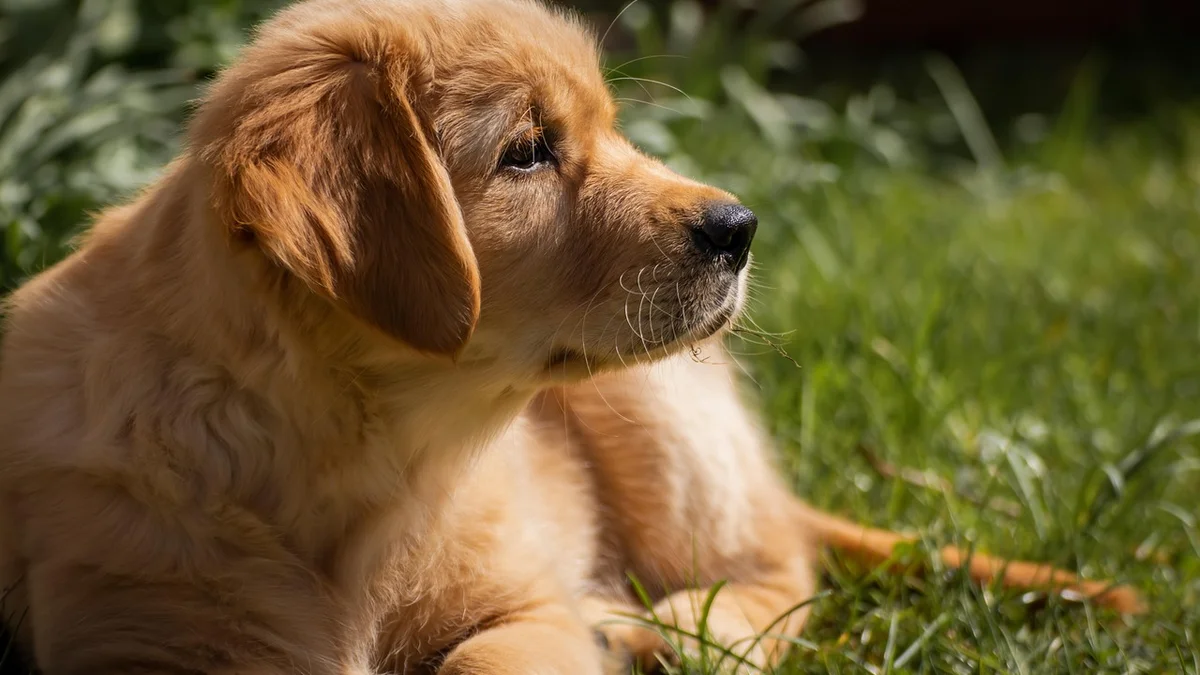
Why Weather Changes Make Pets Sick More Easily Than People
Every time Ho Chi Minh City swings from scorching sun to sudden downpours—or Hanoi dips from sweltering heat into cool northern winds—expat pet owners notice the same pattern: sneezing, loss of appetite, or unusual lethargy in their dogs and cats. Weather fluctuations are among the top reasons pets end up at veterinary clinics across Vietnam, especially during seasonal transition periods (April–May and September–November) when daily temperature swings can reach 8–12°C in a single 24-hour window.
Your pet's immune system reacts sharply to sudden temperature shifts, causing a temporary 24–72-hour dip in resistance—a "vulnerability window" where viruses, bacteria, and parasites strike hardest. This is especially dangerous for puppies and kittens without full vaccination coverage.
Vietnam's climate amplifies this problem. Southern regions can see torrential rain followed by 35°C heat in the same day, while northern areas swing from humid 28°C afternoons to 12–15°C nights within days. Your pet's respiratory system—shorter and more direct than humans'—simply doesn't have time to adapt.
Specific risk factors that make it worse:
- Large day-to-night temperature swings: A shift above 8°C in 24 hours is a warning threshold
- Sudden humidity spikes: Monsoon season in HCMC pushes humidity to 85–95%, creating perfect breeding grounds for fungal infections on skin and coat
- AC indoors vs. heat outdoors: Many expat apartments run AC at 22–24°C while the outside hits 34°C—a 10°C+ gap is a major stress factor
- Weak baseline immunity: Puppies/kittens not yet fully vaccinated or pets mid-coat-shed are especially vulnerable
What Early Warning Signs Tell You Your Pet Is Struggling?
The first 12–48 hours after a weather shift are critical. Early signs often appear this quickly, and catching them in this "golden window" means simple home care instead of a vet bill.
Level 1 — Monitor at home (first 0–48 hours):
- 3–5 sneezes per day, clear nasal discharge
- Slightly red eyes or mild white discharge
- Skipped one meal but still drinking normally
- More sleeping than usual, but still responds to their name
Level 2 — Close monitoring & prepare for a vet visit (after 48 hours with no improvement):
- Constant sneezing, cloudy or greenish/yellowish nasal discharge
- Temperature above 39.5°C (normal for dogs/cats is 38–39°C; measure rectally for accuracy)
- Skipped 2+ meals with reduced water intake
- Abnormal rapid breathing at rest (dogs above 30 breaths/minute)
Level 3 — See a vet immediately:
- Labored breathing or mouth-breathing (especially in cats)
- Vomiting or diarrhea with appetite loss
- Temperature above 40°C or below 37.5°C
- Unresponsive or seizing
When your pet shows Level 2 or 3 signs, contact a vet right away rather than waiting. Early intervention cuts treatment costs significantly and shortens recovery time.
Monsoon Season's Impact on Your Pet's Health
From May to November in southern Vietnam, the monsoon creates a humid, wet environment (80–95% humidity) that triggers three main health problems: fungal skin infections, flea and tick explosions, and sudden cold-triggered respiratory disease.
Fungal skin infections:
Damp fur that doesn't dry completely after bathing or rain is the #1 culprit. Fungi like Malassezia and Microsporum explode in 6–8 hours in 85%+ humidity. Watch for red patches, flaking, circular hair loss, and musty odor. Solution: Dry your pet thoroughly after any moisture contact using a warm-air pet dryer (keep it 20–25 cm away), and don't let them sleep on damp floors. This single habit prevents 70% of monsoon skin issues.
Flea and tick surges:
Monsoon is peak breeding season—flea lifecycles accelerate 40–50% faster at 24–27°C and high humidity. Start monthly preventive treatments 1–2 weeks before monsoon arrives. If your pet spends time outdoors, check their coat daily (especially around neck, groin, and ears) for hitchhikers. Many expats in HCMC underestimate this; one flea becomes dozens in a week during monsoon.
Post-rain chilling:
Many expat pet owners assume "Saigon doesn't get cold," but after a heavy afternoon downpour, temperatures can drop to 23–25°C—enough to trigger hypothermia in toy breeds (Chihuahuas, toy Poodles) or kittens under 3 months if their coat is wet. Keep dry towels and a pet dryer accessible year-round.
Heat Waves (38°C+) and Heat Stroke Risk
When temperatures exceed 38°C—common from March to May in HCMC and central regions—heat stroke risk spikes dramatically. A pet trapped in a non-ventilated space can reach lethal temperatures (41–42°C) in just 15–20 minutes.
High-risk breeds: Short-muzzled dogs (Pugs, French Bulldogs, Shih Tzus) and flat-faced cats (Persians, Exotic Shorthairs) face 2–3 times greater risk because their shorter airways limit panting efficiency—their main cooling mechanism.
Practical prevention steps:
- Avoid outdoor walks 10 AM–4 PM on hot days—asphalt reaches 55–60°C and will burn paw pads in minutes
- Fresh water always available: Swap it twice daily; use stainless steel or ceramic bowls instead of plastic (plastic absorbs and radiates heat)
- Keep indoors at 26–28°C on AC (not too cold to shock them when going outside)
- Never leave pets in a car, even for "5 minutes"—Saigon's April heat can raise car interior temp 10°C in 10 minutes
- Recognize heat stroke: Heavy panting, dark red tongue, trembling, collapse → apply cool (not ice-cold) wet towels and rush to a vet immediately
Adjusting Nutrition When Weather Shifts
When temperatures swing, your pet's calorie and water needs can shift 10–20%. Simple dietary tweaks and constant water access make a huge difference in immune resilience.
During cooler periods (seasonal transitions, extended rain):
- Increase portions by 10–15% (they burn more energy staying warm)
- Prioritize protein-rich kibble (25–30%+) to support immune function
- Add wet food (pâté, canned) once daily to boost water intake
- For pets under 5 kg or kittens under 6 months: split meals from 2 to 3 daily to prevent low blood sugar
During heat waves or dry season:
- Reduce portions by 5–10% if your pet moves less in heat
- Double your water checks—pets need 40–60 ml per kg body weight daily
- Break meals into 3 smaller portions instead of 2 large ones to ease digestion in heat
- Don't leave wet food out beyond 30 minutes when temps exceed 30°C (bacteria multiply fast)
Practical tip: Place water bowls at 2–3 different spots around your home. Studies show pets drink 20–30% more when multiple access points exist versus a single bowl.
Build a Weather-Ready "Pet Care Kit" at Home
You don't need to spend a fortune. Five to seven essential items kept ready will help your pet weather most seasonal challenges without emergency vet visits.
Year-round essentials:
- Pet thermometer (rectal): 50,000–150,000 VND (~$2–6 USD). You cannot accurately assess health without one.
- Quality soft towels: 2–3 dedicated to your pet
- Pet hair dryer or high-velocity dryer: 300,000–1,500,000 VND (~$12–60 USD)
- Saline eye drops and ear cleaner: 30,000–80,000 VND per bottle (~$1.20–3.20 USD). High humidity causes ear and eye inflammation.
Seasonal additions:
- Monsoon: Flea prevention (120,000–350,000 VND per application, ~$5–14 USD), moisture-resistant bedding for sleeping areas
- Heat season: Extra water bowls, cooling towels, small fan for non-AC rooms
- Seasonal transitions: Veterinary-formulated vitamin C and zinc (NOT human supplements—dosing matters), probiotics for gut health (ask your vet for dosing)
For pets under 6 months, senior pets (7+ years), or those with chronic conditions: save your nearest vet's phone number and schedule a wellness check every 6 months to establish a health baseline.
Real Cost Comparison: Prevention vs. Treatment
Proactive seasonal care runs 200,000–500,000 VND per month (~$8–20 USD)—far less than treating a respiratory infection (800,000–3,000,000 VND, or $32–120 USD) or heat stroke that requires hospitalization (5,000,000–15,000,000 VND, or $200–600 USD).
Typical HCMC cost breakdown:
- Item — Cost (VND) — USD equivalent
- Monthly flea prevention (spot-on) — 120,000–250,000 — $5–10
- Monthly vitamin supplement — 80,000–200,000 — $3–8
- Routine wellness check — 150,000–400,000 — $6–16
- Mild respiratory infection treatment — 300,000–800,000 — $12–32
- Fungal skin infection treatment — 400,000–1,200,000 — $16–48
With 15 years of experience and over 10,000 pets cared for since 2011, Mật Pet Family's core philosophy is simple: prevention always beats treatment—both financially and emotionally. That's why we introduced Vietnam's first pet health warranty: to give families peace of mind through every season.
FAQ: Weather & Seasonal Pet Care in Vietnam
Do I need to dress my pet in a jacket when it's cold in Vietnam?
It depends on breed and size. Toy breeds under 4 kg (Chihuahuas, toy Poodles, Yorkies) and kittens under 3 months should wear a jacket when temps drop below 22°C. Larger dogs with thick coats rarely need one. Make sure any jacket fits snugly without restricting breathing or movement.
My dog sneezed after rain today—should I rush to a vet?
Not immediately if your dog is eating normally, has clear nasal discharge, and no fever. Monitor closely for 24–48 hours. If sneezing continues beyond 48 hours, appetite drops, or nasal discharge turns cloudy/colored, schedule a vet visit. Most mild post-rain sniffles resolve with rest and dry conditions.
Should I keep the AC running 24/7 for my pet during heat waves?
Yes, but maintain 26–28°C (not below 24°C). The bigger risk is keeping them directly under cold air vents—move their bed away from the airflow. Clean your AC filter every 1–2 months to prevent mold and bacteria from circulating. Humidity should sit around 50–60% ideally.
How long does it take a pet to adjust to a new season?
Most pets adapt within 3–7 days of consistent temperature shift. During this window, avoid bathing unless necessary, increase wet food for hydration, and monitor temperature if your pet shows unusual behavior. Puppies and senior pets may take 1–2 weeks longer.
Are there vaccines or supplements that boost immunity during season changes?
Full vaccination according to schedule is the foundation. Beyond that, ask your vet about Omega-3 supplements, vitamin E, and probiotics during transition periods—but dosing must match your pet's age and weight. Never use human supplements on pets.
My pet lives on a balcony or outdoor area—how do I protect them during monsoon?
Provide a solid rain shelter covering their entire sleeping and eating zone. Elevate bedding 5–10 cm off the ground to avoid moisture seepage. Check weekly for fleas and ticks. During heavy rain lasting days, consider bringing them inside if possible—prolonged exposure to damp air increases fungal and parasitic risk significantly.
Your Pet Deserves a Partner Through Every Season
Vietnam's weather doesn't wait, but informed care does make the difference. Whether you're bringing a new puppy or kitten into your HCMC apartment, settling in Hanoi's unpredictable winters, or simply want to know you're doing right by your pet as seasons turn—Mật Pet Family is here.
With 15 years since our founding in 2011 and a community of 8.7 million pet lovers, we've learned that every pet's health story is unique. That's why our team offers personalized seasonal care consultations and maintains Vietnam's only written pet health warranty—because we believe your peace of mind matters as much as your pet's wellness.
If you're unsure whether your pet's sneezing is normal or a sign to get help, or if you'd like breed-specific seasonal advice for the Saigon heat, our team speaks English and is ready to support you.
📞 Hotline: 0939 863 696 Message us to book a seasonal care consultation or ask about our available pets and health guarantee.
Related articles
Pet Care During Tết in Vietnam — Keeping Your Dog or Cat Safe, Calm, and Healthy Through the Holiday
Toilet Training Your Dog or Cat in Vietnam — Step-by-Step Housebreaking, Accident Management, and Building Lasting Habits
Nutrition for Spayed & Neutered Dogs and Cats in Vietnam — Portion Sizes, Food Types, and Post-Surgery Adjustments
Interested in pets from Mật Pet?
15 years of trust · 10,000+ pets delivered to Vietnamese families · Free 30-day health warranty · Nationwide delivery.