
Toilet Training Your Dog or Cat in Vietnam — Step-by-Step Housebreaking, Accident Management, and Building Lasting Habits
Complete guide to toilet training dogs and cats in Vietnam: litter box setup, housebreaking schedule, handling accidents, and maintaining habits. Expert advice from Mật Pet Family — 15 years experience.
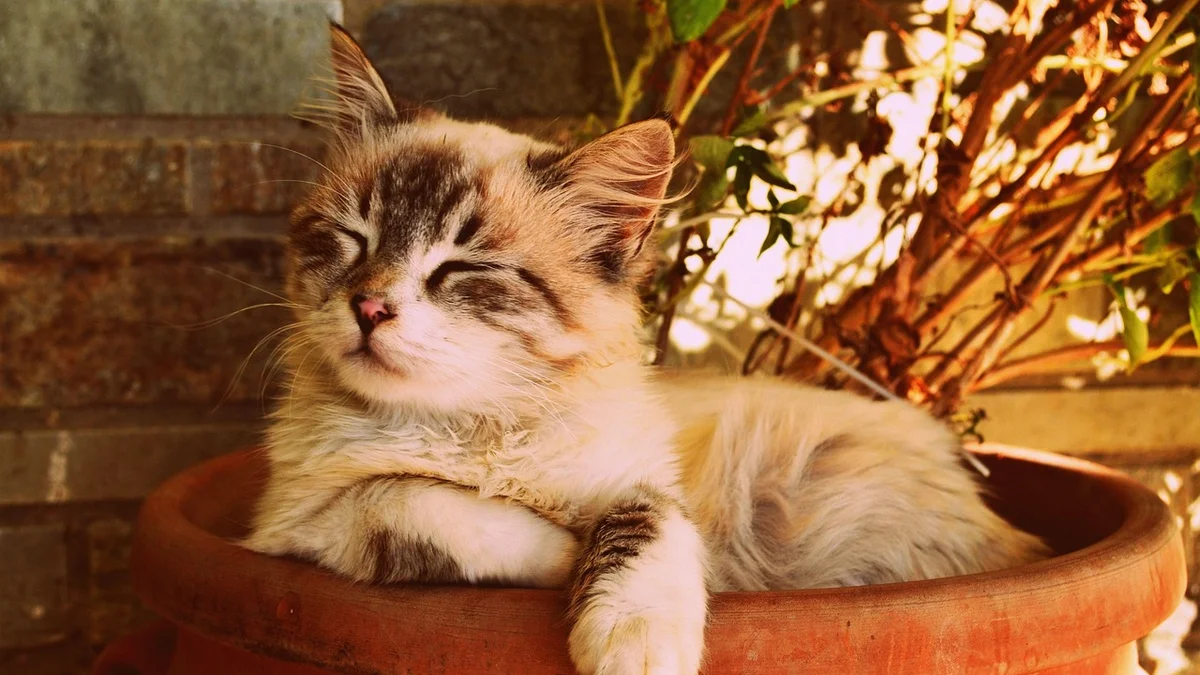
Why Is Toilet Training the Most Important Skill to Teach Your Pet in the First Week?
Toilet training is the foundation of living peacefully with a pet. Your puppy or kitten isn't being stubborn or destructive — they simply need clear guidance. Starting in the first 2–3 weeks and repeating consistently 5–10 times daily will set habits that stick for the next 10–15 years. Over 15 years, Mật Pet Family has coached thousands of families in HCMC, Hanoi, and Da Nang through this process, and it remains the #1 question new owners ask in week one — and the #1 source of unnecessary stress. This guide covers what actually works in Vietnam's apartment buildings and townhouses.
How Do Puppies and Kittens Learn Toilet Habits Differently?
Cats have an innate instinct to bury their waste, so teaching litter box use usually takes just 1–3 days if you place the box correctly. Puppies, especially under 3 months old, cannot yet control their bladder fully — they need to be taken to the toilet spot every 1–2 hours and immediately after eating, waking, or playing.
Key Biological Facts Before Training Starts
- Puppies under 8 weeks: can only hold urine for 30–60 minutes. Expect accidents — it's not a choice.
- Puppies 3–6 months: can hold it 2–4 hours during the day; overnight accidents are still normal.
- Adult dogs (12+ months): can typically hold it 4–6 hours if well-trained.
- Cats of all ages: have natural litter instinct; just need the right environment and clean box.
Many expat families in Vietnam bring puppies home at 6–7 weeks old. Expecting them to "just know" is unrealistic — they need a consistent schedule and immediate reward.
How to Toilet Train a Kitten With a Litter Box — From Day One to Habit
Place the litter box near your kitten's rest area, at least 1 meter away from the food and water bowls, and gently place your kitten in it every 2–3 hours during the first 2 days. Most kittens will start using it within 24–72 hours if the litter is clean and the location is logical. The keys are consistent placement and daily litter maintenance.
Choosing a Litter Box for Vietnam's Space Constraints
Size: The box should be at least 1.5 times your cat's body length. For an adult cat (3–6 kg), aim for minimum 45×30 cm. A covered box reduces odor but some cats dislike the enclosed feeling — try open first.
Litter types and pricing:
- Clumping clay litter: most common in Vietnam, 80,000–200,000 VND (3–8 USD) per 5–10 kg bag. Clumps easily, simple to scoop.
- Tofu/soy-based litter: eco-friendly, low dust, 150,000–350,000 VND (6–14 USD) per bag. Excellent for apartment living — doesn't stick to floors.
- Pine pellet litter: strong odor control, 100,000–250,000 VND (4–10 USD) per bag. Requires sifting tray underneath to filter sawdust.
Maintenance schedule: Scoop visible waste at least twice daily (morning and evening). Full litter change every 1–2 weeks. Vietnam's hot, humid climate (especially in HCMC) means odor develops faster than in cooler climates — apartment dwellers should increase scooping frequency to 3 times daily during summer months.
Number of boxes: The golden rule is one box per cat plus one extra. Two cats = three boxes minimum. Many expat apartment dwellers make this mistake and wonder why their second cat starts going outside the box.
Step-by-Step Toilet Training for Dogs in Vietnam Apartments and Townhouses
Successful dog housebreaking requires three elements: a fixed spot, a consistent schedule, and immediate praise. Use absorbent pee pads or artificial grass trays placed in a corner. Take your puppy there every 1–2 hours and immediately after eating, napping, or play sessions. Reward (with words or a treat) within 3 seconds of success.
Sample Toilet Schedule for Puppies 2–4 Months Old
- Morning wake-up (6–7 AM): Take directly to the toilet spot
- After breakfast (~15–20 min later): Take to spot immediately
- Every 1.5–2 hours during day: Check and take to spot
- After playtime: Take to spot right away
- Before bedtime: Final toilet trip
Choosing the Right Toilet Spot for Vietnam Conditions
- Pee pads (absorbent sheets): most practical for apartments. 100-sheet packs cost 100,000–300,000 VND (4–12 USD). Choose brands with attractant scent to help puppies locate the spot faster.
- Artificial grass tray with drainage: suits dogs under 10 kg, easier to manage long-term. 200,000–600,000 VND (8–24 USD) per setup.
- Balcony with artificial grass: popular among HCMC and Hanoi apartment owners. More "outdoor" feeling helps puppies accept it faster.
- Outdoors on street or yard: ideal, but wait until puppy has completed vaccine series (usually after the third shot at 12–16 weeks). See the pet vaccination schedule in Vietnam to avoid exposing an unvaccinated puppy to street pathogens.
What to Do When Your Dog or Cat Has an Accident — Cleanup and Odor Control That Actually Works
When accidents happen, never punish — clean immediately and eliminate odor completely. If urine smell remains at the old spot, your pet will return to that exact location. Enzymatic cleaners (which break down urine molecules) work far better than regular bleach solutions.
4-Step Accident Cleanup Protocol
- Blot immediately: Press a paper towel or cloth firmly on the wet area (don't rub — rubbing drives odor deeper into fibers).
- Apply enzymatic cleaner: Spray evenly over the affected zone, let sit 5–10 minutes. Common Vietnam brands: Nature's Miracle, Biozet, or local enzymatic cleaners (80,000–200,000 VND / 3–8 USD per bottle).
- Blot again and air dry: Don't use a hair dryer on high heat — heat can set protein stains permanently.
- Check with UV light (optional): A UV pen-light reveals old urine spots the human eye misses. Useful if you have carpeted areas.
What NOT to Do
- Never punish after the fact: Dogs and cats don't connect an old action to current punishment. You'll only create fear.
- Never rub their nose in it: This has no scientific basis and causes serious stress.
- Never use ammonia-based cleaners (like bleach): Ammonia smells like urine to pets, which encourages them to mark the same spot again.
Why Is Your Toilet-Trained Pet Suddenly Having Accidents? Causes and Solutions
A previously reliable pet suddenly going in the wrong places usually has a specific reason: environment change, stress, a health issue (urinary tract infection, diarrhea, or digestive inflammation), or a dirty litter box/pee pad. Before considering retraining, rule out a medical problem — especially if your pet is urinating multiple times in small amounts or you see blood in urine.
Common Cause Checklist
Environmental factors:
- Litter box not scooped enough (cats typically reject a box with more than 2 uses)
- Litter box moved without reintroduction
- New pet added to household (older pet marks territory)
- Sudden litter type change
Psychological stress:
- Owner's schedule changed (returning to office after remote work)
- Loud noises: fireworks, thunder, construction near your building
- Frequent visitors or new people in home
Health issues (see a vet immediately if present):
- Frequent urination in small amounts — sign of UTI or kidney stone
- Blood in urine or stool
- Straining or crying while going — may indicate intestinal blockage
- Intact male cats suddenly spraying urine on walls — territorial marking behavior; consider spaying and neutering
Once you've ruled out health problems, restart the full training process for 5–7 days — this time with more patience, as your pet is "resetting" old habits.
How Vietnam's Monsoon and Hot Season Affect Toilet Training
Ho Chi Minh City's climate (33–38°C dry season, heavy rain May–November) creates two unique challenges: extreme heat causes litter box and pee pad odors to develop twice as fast; rainy season makes dogs who are used to outdoor toileting refuse to go outside, leading to indoor accidents.
Seasonal Adjustments for Vietnam
Dry season (November–April):
- Increase litter scooping to 3 times daily instead of 2 — odor develops rapidly at 33°C+
- Place litter box in a well-ventilated spot or near a small fan (don't blow directly on box)
- Change pee pads immediately after use — leaving them down in high heat creates very strong smell
Rainy season (May–November):
- If your dog is used to outdoor toileting, introduce an indoor pee pad option before the rains start — don't wait until accidents happen
- Add a rubber mat or non-slip tray on wet balconies so puppies don't fear slipping
- Use enzymatic cleaner more frequently — humidity causes bacteria to multiply faster and odor to absorb deeper into wood or carpet
- Dry litter boxes thoroughly after cleaning — a damp box is a petri dish for mold
If your family is struggling to establish reliable toilet habits, the Mật Pet Family team — with 15 years caring for over 10,000 pets — offers personalized consultation at your home or by phone to set up a system that fits your space and schedule.
What Does It Cost to Set Up a Toilet Area for Dogs or Cats in Vietnam?
Initial setup ranges from 200,000 to 1,500,000 VND (8–60 USD) depending on your choices, with ongoing monthly costs of 150,000–400,000 VND (6–16 USD) per pet. This is a small investment compared to replacing flooring or deep cleaning if accidents go untreated for months.
Cost Breakdown (2024–2025 Vietnam Market)
For cats:
- Item — Cost
- Basic open litter box — 80,000–200,000 VND
- Covered or self-cleaning box — 300,000–2,000,000 VND
- Litter (5–10 kg monthly supply) — 80,000–350,000 VND per bag
- Scooper — 30,000–80,000 VND
- Enzymatic cleaner — 80,000–200,000 VND per bottle
For dogs (indoor):
- Item — Cost
- Pee pad pack (100 sheets) — 100,000–300,000 VND
- Grass tray + drainage pan — 200,000–600,000 VND
- Balcony artificial grass (per m²) — 150,000–400,000 VND
- Enzymatic cleaner — 80,000–200,000 VND per bottle
Treat rewards during training: 50,000–200,000 VND (2–8 USD) per package. Choose small pieces (pea-sized), strongly scented, and foods your pet genuinely loves. Avoid using regular kibble as a reward — it won't feel special enough.
When you adopt a dog or cat from Mật Pet Family, your family receives detailed guidance on setting up a toilet area that matches your specific living space — this is part of our commitment to support every new owner, not just sell a pet.
Frequently Asked Questions About Toilet Training Dogs and Cats in Vietnam
Does a newborn kitten need litter box training?
Kittens have a natural instinct to use litter boxes, so formal "training" isn't necessary. Just place your kitten in the box 2–3 times on the first day so it knows where the box is. Most kittens will use it independently within 24–48 hours if the box is clean and placed logically away from food and sleeping areas.
At what age can a puppy reliably be housetrained?
Start from day one — even at 6–8 weeks old. Don't wait for the puppy to "grow up." In fact, starting early is easier because the puppy hasn't yet formed bad habits. Just adjust your expectations: a 2-month-old puppy physically cannot hold urine longer than 1–2 hours, no matter how much you want it to.
My cat uses the litter box but often goes outside the edge — how do I fix this?
Usually the box is too small or the walls are too low. Upgrade to a larger box (minimum 50×35 cm for adult cats) or one with 15–20 cm high walls. Some cats dig excessively before going — taller walls contain the mess. You can also place a plastic mat or splash guard outside the box to catch litter kicked out by your cat's paws.
I work full-time and my puppy is home alone all day — how can I housetrain effectively?
Create a confined "puppy zone" (a playpen or small room) with three areas: pee pad corner, sleeping area, and water bowl. Dogs naturally avoid toileting near their bed, so they'll seek out the pee pad. Place 2–3 pads side by side to increase the target area. Spend 10–15 minutes morning and evening reinforcing the habit with your puppy.
The litter box smells even though I change it regularly — what's wrong?
Odor builds up in the plastic itself over time. Wash the entire box with water and enzymatic cleaner every 2 weeks — don't use strong perfumed soap, as artificial scents deter cats. Replace plastic boxes every 1–2 years. Stainless steel or ceramic boxes resist odor absorption much better than plastic.
My housetrained dog suddenly started having accidents after we brought home a newborn — what do I do?
This is a stress response to a major household change. Your dog is communicating anxiety, not misbehaving. Don't punish — instead increase daily one-on-one time (add 10–15 minutes of play), maintain a consistent routine, and gently restart the toilet schedule as you did during initial training. See our guide on introducing pets and newborns for more support during this transition.
Mật Pet Family Walks This Journey With You
The first week bringing a pet home is exciting but demanding — and toilet training is your first real test as a pet owner. What we've learned after 15 years and 10,000 pets: there are no "bad" pets, only pets who haven't been guided correctly.
If you're feeling overwhelmed or want personalized advice for your apartment layout and lifestyle, reach out. We're here to help every step of the way.
📞 Consultation hotline: 0939 863 696 🏠 Visit our showrooms in Ho Chi Minh City, Hanoi, and Da Nang 🛡️ Learn about our health warranty — Vietnam's first pet shop to offer lifetime care coverage for every pet we place. Read more at Mật Pet Family's health warranty promise.
Related articles
Pet Care During Tết in Vietnam — Keeping Your Dog or Cat Safe, Calm, and Healthy Through the Holiday
Nutrition for Spayed & Neutered Dogs and Cats in Vietnam — Portion Sizes, Food Types, and Post-Surgery Adjustments
Caring for Dogs & Cats During Vietnam's Rainy Season — Disease Prevention, Hygiene & Nutrition for Expats
Interested in pets from Mật Pet?
15 years of trust · 10,000+ pets delivered to Vietnamese families · Free 30-day health warranty · Nationwide delivery.