
Pet Ownership and Mental Health — What Science Says and How to Build Deep Bonds With Dogs & Cats in Vietnam
Does owning a pet really reduce stress and loneliness in Vietnam? Discover the science, real-life insights, and practical ways to deepen your bond with your dog or cat — from Mật Pet Family's 15 years of experience.

Does Pet Ownership Really Improve Mental Health?
Yes — and science backs it up with hundreds of peer-reviewed studies. Just 10–15 minutes of petting a dog or cat can measurably reduce cortisol (your stress hormone) and increase oxytocin (the bonding hormone) in your bloodstream. For expats navigating the fast-paced lifestyle of HCMC or Hanoi, a pet becomes a non-judgmental listener who's always there when you come home.
This isn't just pet-lover sentiment. The U.S. National Institute of Mental Health (NIMH) and major universities in Japan and South Korea — countries with pet cultures similar to Vietnam's — have documented a statistically significant link between pet ownership and reported happiness levels. After 15 years supporting over 10,000 families in HCMC, Mật Pet Family has witnessed this transformation firsthand in countless customer stories. The science is real, and so is the lived experience.
How Do Pets Actually Affect Human Psychology?
Pets influence your brain through three main pathways: activating your oxytocin system (the same bonding mechanism as parent-child attachment), creating daily routines that reduce baseline anxiety, and providing unconditional presence — something rare in human relationships.
Three proven biological mechanisms:
- The oxytocin effect: Lock eyes with a dog for about 30 seconds, and oxytocin rises in both your brain and the dog's brain — the same reaction mothers experience when gazing at their newborns. With cats, this happens through their purr frequency (25–50 Hz), which measurably lowers blood pressure.
- Routine as regulation: Dogs need feeding on schedule, daily walks (1–2 times), and regular grooming. These "obligations" — often dismissed as chores — actually create a biological rhythm for you, especially valuable if you're experiencing mild depression or a sense of directionlessness.
- Unconditional acceptance: Your pet doesn't care about your salary, appearance, or the meeting you just failed. They wag their tail or greet you at the door the same way regardless — a form of acceptance that's increasingly rare in modern life.
Does Pet Ownership Really Help With Loneliness — Especially for Solo Apartment Dwellers in Vietnam's Cities?
Absolutely — especially if you're living alone in a HCMC or Hanoi condo, a demographic that's rapidly growing in Vietnam's urban centers. A pet fills both physical space and emotional gaps, creates one-way conversation, and gives you the feeling of being needed — powerful antidotes to evening loneliness after work.
In a Mật Pet Family community survey of our 8.7 million followers, over 67% of first-time pet owners in HCMC cited "wanting a companion when living alone" as their primary reason — not a childhood love of animals. This statistic reflects a real psychological need, not just a passing trend.
Groups that benefit most from pets in reducing loneliness:
- Recent arrivals to a big city who haven't built a stable social network yet
- Work-from-home professionals spending 8+ hours indoors daily
- Retirees (60+) living in small households
- University students living away from family for the first time
Important note: A pet enriches human relationships; it doesn't replace them. If loneliness persists and affects your daily functioning, reach out to a mental health professional. Your pet is an ally, not a substitute for professional support.
Dogs or Cats — Which Suits a Busy Expat's Schedule in Vietnam?
Cats are better for people with unpredictable work hours or frequent short trips away. Dogs are better for those who want a reason to move every day and can commit to 45–60 minutes of active interaction daily. Both bring mental health benefits — they just work through different mechanisms.
Practical comparison for Vietnam's lifestyle:
- Criteria — Cats — Dogs
- Daily interaction time — 20–30 min (passive + grooming) — 45–90 min (walks + active play)
- Can handle 1–3 day trips — Yes (with someone to feed them) — Needs boarding or pet-sitter
- Main mental health benefit — Passive calm, lowers blood pressure — Daily movement, social connection
- Suit HCMC apartment living — Excellent — Good (small–medium breeds)
- Monthly costs — 800,000–2,000,000 VND (~$32–$80 USD) — 1,200,000–4,000,000 VND (~$48–$160 USD)
Not sure which is right for you? Mật Pet Family's advisory team can match you with the right pet based on your actual schedule, living space, and emotional needs — not just which breed photos you like. Book a free consultation at any showroom or call 0939 863 696 (English-speaking staff available).
How Do You Build a Deep Bond With Your Pet — Beyond Just Having One?
Deep bonding happens through consistency, reading your pet's body language, and creating intentional "just us" moments each day. Many owners share a home with their pet but never truly connect — interaction happens only at feeding time or when the pet demands it.
Practical bonding practices, ranked by ease:
- Morning ritual (5 minutes): Before checking your phone, spend 5 minutes petting or playing with your pet. Both your brain and your pet's brain register this as quality time.
- Learn basic body language: Tail straight up on a cat = friendly greeting. Dog yawning and turning away = needs space. Understanding 5–7 body signals dramatically improves interaction quality.
- Purposeful play (15–20 min daily): Not "turn on TV and let them play alone." Direct interaction — throwing toys, using a feather wand with a cat — engages their hunting instinct and creates a mental "flow state" for both of you.
- Read emotional shifts: Eating 30% less than usual, staying in one spot more, avoiding touch? Those are emotional signals, not just physical health issues. Your pet has a mood, not just a body.
- Stabilize routines: Pets don't wear watches, but they have an incredibly sensitive biological clock. Feeding time or bedtime shifting by more than an hour consistently can trigger mild anxiety in dogs.
What About Kids and Elderly Family Members — Special Benefits in a Vietnamese Household?
For children under 12, pet ownership develops empathy, responsibility, and emotional literacy — core building blocks of emotional intelligence (EQ). For seniors (60+), having a pet at home correlates with lower depression rates and increased daily light movement.
Age-specific guidance for Vietnam:
- Ages 3–6: 100% supervision during pet interactions. Choose calm, patient breeds like Golden Retrievers or Ragdoll cats. Teach children to ask permission before touching and never disturb a sleeping or eating pet.
- Ages 7–12: Assign 1–2 fixed care tasks (refilling water, morning feeding). Japanese research shows children with pet care duties score 18% higher on empathy tests than non-pet-owning peers.
- Seniors 60+: Cats are ideal (no daily walks, lower fall risk). Small dog breeds like Maltese or Toy Poodles (under 5 kg) also work well.
- Allergies in the household: No breed is completely hypoallergenic, but short-coated, low-shedding dogs (Poodles) and cats (Devon Rex) often trigger fewer reactions. Check with a dermatologist before committing.
In multi-generational Vietnamese homes, a pet often becomes the "common thread" connecting grandparents, parents, and children through simple daily moments — feeding time, playtime, grooming.
What Are the Real Limits of Using a Pet for Mental Health?
Be clear-eyed: pets reduce stress and loneliness symptoms, but they cannot treat clinical depression, diagnosed anxiety disorders, or serious psychological trauma. Expecting too much from a pet can inadvertently burden both you and your companion.
Three critical boundaries:
- Don't let your pet carry your emotions: A chronically stressed, angry, or deeply sad owner transmits that state to their pet — especially dogs, who are hypersensitive to your cortisol levels and tone of voice. Your pet can develop secondary anxiety if your home's emotional climate is consistently heavy.
- Professional support is irreplaceable: If you're experiencing depression symptoms for longer than 2 weeks — sleep loss, appetite changes, feelings of hopelessness — seek a therapist. A pet is wonderful support, not a replacement.
- Commit to proper care, always: When you're unwell, hospitalized, or traveling, your pet still needs full care. Have backup plans (trusted family, reliable boarding service) before bringing a pet home. That's non-negotiable responsibility.
Mật Pet Family's pet health warranty includes behavioral and emotional wellness consultation after you bring your pet home — because we understand that a mentally healthy pet is the only kind that can truly enrich your life.
FAQ — Common Questions About Pet Ownership and Mental Health in Vietnam
Q: Is a dog or cat better for managing anxiety?
A: Both help, but differently. Cats' purr frequency (25–50 Hz) creates passive relaxation, ideal if you need to calm racing thoughts. Dogs encourage daily movement and social connection, better if anxiety stems from isolation or inactivity. Discuss with your therapist which mechanism matches your needs, then choose your pet accordingly.
Q: Is it safe for young children to live with pets?
A: Yes, with proper supervision and breed selection. Choose gentle breeds (Golden Retrievers, Ragdolls, British Shorthairs), teach children to approach respectfully, and supervise 100% until age 6. Around age 7, assign simple care tasks to build responsibility. Never leave very young children and pets unsupervised together.
Q: I'm in therapy now — should I get a pet?
A: Check with your therapist first. In many cases, pets are valuable therapeutic support — some licensed therapies (Animal-Assisted Therapy/AAT) use them for PTSD and depression. But if you're in acute treatment, ensure you have the emotional and practical bandwidth to care for a pet properly. It's not either-or; it's "ready or not."
Q: Does apartment living in HCMC damage your bond with a pet?
A: Not at all. Square footage doesn't determine bond quality — consistent, intentional interaction does. Many HCMC apartment dwellers (40–60 m²) have deeper connections with their pets than people with large homes. It's about daily presence, not space.
Q: How long before you notice mental health improvements?
A: Many people report mood shifts within 2–4 weeks — especially the sense of purpose and clearer routine. Deep bonding typically develops over 2–3 months as both you and your pet learn each other's rhythms. Be patient; the benefits compound over time.
Q: Can pets really tell when you're stressed?
A: Yes, especially dogs. They detect changes in your sweat (cortisol), heart rate, and voice. Many pets actively approach their stressed owners — lying their head on your lap or licking your hands — not randomly, but as an intuitive response. That intuition is real.
Making It Real — From Pet Owner to True Companion
Every family brings a pet home for different reasons — but what transforms a pet into a true family member isn't the breed or the price. It's the daily, intentional presence you choose to show up with.
If you're considering your first pet or want to deepen your bond with the one you have, Mật Pet Family is here to walk that journey with you. We've been alongside 10,000+ families since 2011, and we know that choosing a pet is one of the most meaningful decisions you'll make. It deserves real thought, real guidance, and real partnership afterward.
Visit a Mật Pet Family showroom to meet available pets, or message us for a personalized consultation — no pressure, just honest conversation about what's right for your life, your home, and your heart. Call 0939 863 696 (English-speaking team) or visit us in Ho Chi Minh City, Hanoi, or Da Nang.
Related articles
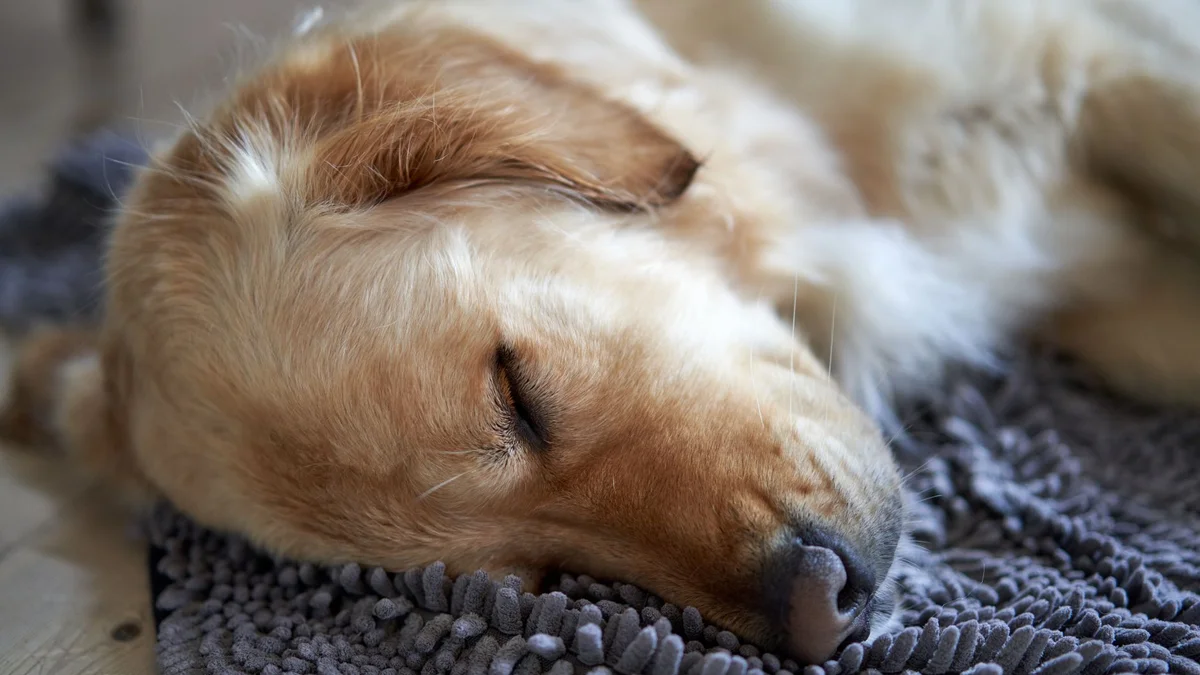
Designing a Pet-Friendly Home Office in Vietnam — Space Layout, Equipment & How to Balance Work and Your Dog or Cat

Pet Photography Through Vietnam's Four Seasons — Lighting, Backgrounds & Tips for Year-Round Beautiful Shots
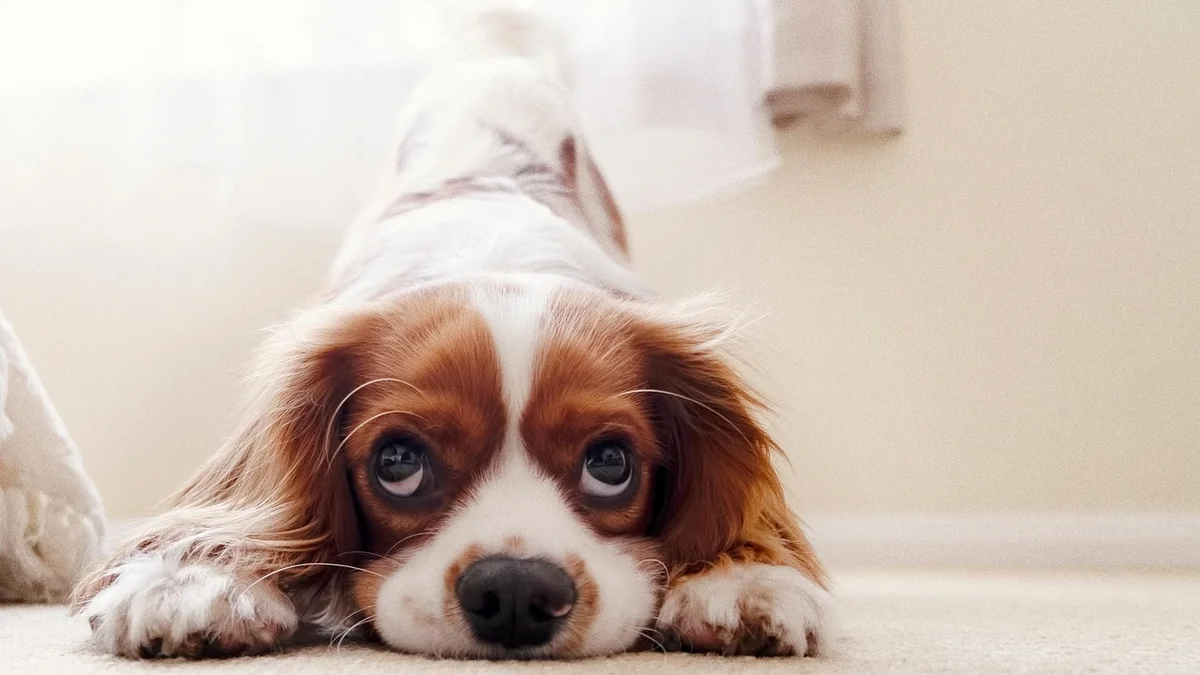
Saying Goodbye to Your Pet — A Compassionate Guide to Grief, Memory, and Healing for Expat Families in Vietnam
Interested in pets from Mật Pet?
15 years of trust · 10,000+ pets delivered to Vietnamese families · Free 30-day health warranty · Nationwide delivery.