
How to Set Up a Pet Play Area at Home in Vietnam — Ideas, Materials, and Budgets That Work for Expat Apartments
Set up a pet play corner in your Vietnam apartment for 500K–5M VND (≈$20–200). Ideas, materials & climate tips from Mật Pet Family — 15 years of experience.
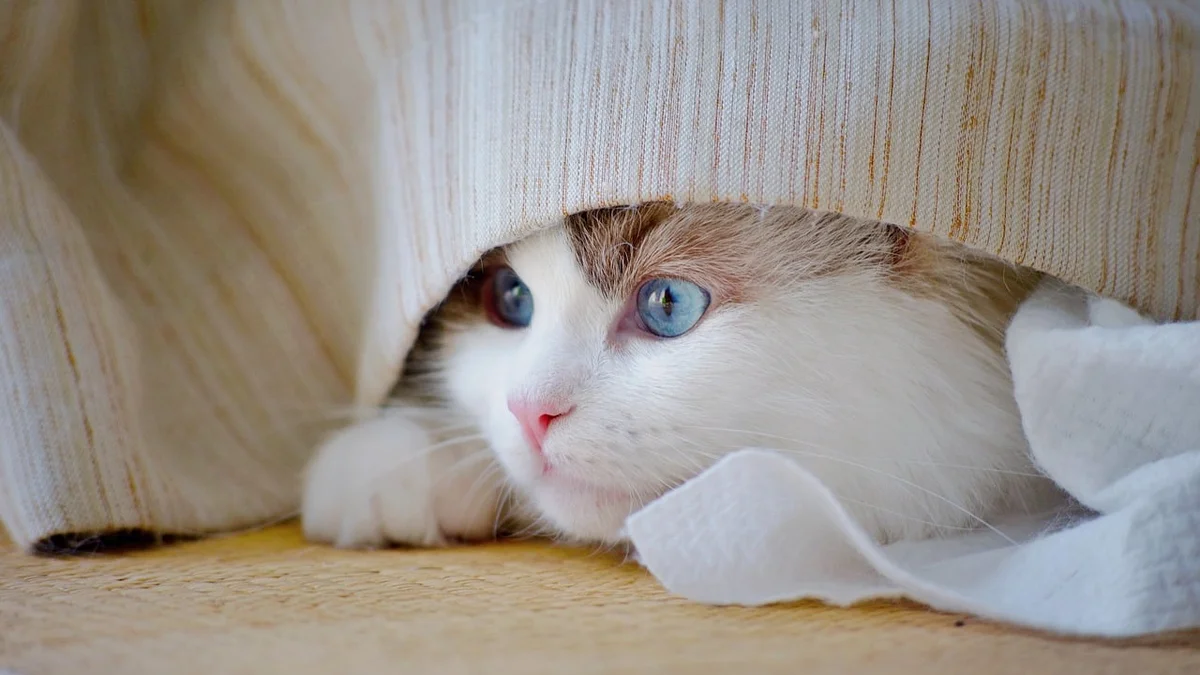
Most expats moving into a new apartment in Ho Chi Minh City or Hanoi spend considerable time choosing furniture, curtains, and décor — perfectly reasonable. But it's easy to overlook the fact that your dog or cat also needs a space that is genuinely theirs: somewhere to run, jump, climb, and burn off energy. According to the American Veterinary Medical Association (AVMA), pets that receive adequate physical and mental stimulation show up to 60% fewer destructive behaviors. This guide walks you through building a dedicated pet play area at home — whether you're in a 50 m² condo or a townhouse with a small yard — with realistic budgets ranging from 500,000 to 5,000,000 VND (roughly 20 to 200 USD).
Why does my dog or cat need a dedicated play area at home?
A designated play area gives your pet a safe outlet for pent-up energy, reducing stress and eliminating most of the behaviors that drive owners crazy — chewing furniture, scratching walls, howling, or destroying your favorite pair of shoes. In Vietnam's increasingly dense urban environments, having a clearly defined "pet zone" also makes cohabitation far more harmonious for everyone in the household.
The energy requirements are real and significant. The average dog needs 30–90 minutes of physical activity per day depending on breed; cats need 2–3 active play sessions daily of 10–15 minutes each. Without a proper outlet — and the right equipment to support it — that energy goes straight into your sofa, electrical cables, or whatever else happens to be at paw level.
A well-organized play corner also brings a practical hygiene benefit that's especially relevant in Vietnam's climate: toys, fur, and play debris stay concentrated in one area, making cleanup dramatically easier than chasing mess around the whole apartment.
How is a dog play area different from a cat play area?
The core difference comes down to orientation: dogs need horizontal space for running, tugging, and chewing, while cats need vertical space for climbing, jumping, and perching up high to survey their territory. Getting this right saves you money — you won't buy equipment your pet completely ignores.
For dogs:
- Aim for at least 2–4 m² of floor space so they can run and change direction.
- Tug toys, hard rubber balls, and food-dispensing toys (Kong, lick mats) work well for most breeds.
- Non-slip flooring matters: EVA foam mats 1–2 cm thick protect joints, especially for dogs under 1 year or over 7 years old.
- Keep the area below 30°C — critical in HCMC where summer temperatures regularly hit 35–38°C. Position near an air conditioner or a well-ventilated fan.
For cats:
- A cat tree of at least 80–120 cm height satisfies the instinct to observe from above — this is non-negotiable for a cat's psychological comfort.
- Fabric tunnels, feather balls, and wand toys with a "prey" attachment engage hunting instincts effectively.
- A sisal scratching post at least 5 cm thick, placed near the sleeping area — cats almost always scratch immediately after waking up.
- Minimum floor footprint of 1.5 m × 1 m for one cat; add 0.5 m² per additional cat.
Where in my apartment or house should I put the pet play area?
The ideal spot has natural light, good airflow, is at least 2 metres from exposed electrical sockets and the kitchen, and is easy for you to see from the living room. For a typical 50–80 m² expat apartment in HCMC or Hanoi, a living room corner or a 2–4 m² section of balcony is more than enough. If you have a townhouse with a small yard (6–10 m²), a shaded outdoor area works beautifully.
What to look for when choosing the location:
- Natural light nearby — Cats especially love lying in patches of sunlight; daylight also encourages activity
- Visible from the main living area — Easier for you to supervise and interact while your pet plays
- Non-slip floor or a rug — Prevents joint injuries when your pet runs or lands from a jump
- A wall or partition behind the area — Pets feel more secure with a solid surface at their back
- Away from the main front door — Reduces the risk of escape bolts or fright from outside noise
If your condo has no balcony — a common situation in older HCMC buildings — use a fabric room divider or a wire playpen to create a psychological boundary without any renovation work. These run 400,000–800,000 VND (roughly 16–32 USD) and are fully reversible when you move out, which matters when you're renting.
What equipment do I actually need to set up a pet play area?
The essential list covers four categories: a safe surface, 2–3 different types of stimulating toys, a rest spot, and a water source inside the play zone. You don't need to buy everything at once — start with the basics and observe what your pet actually uses before upgrading.
Budget tiers for setting up a pet play area in Vietnam:
Entry level — 500,000 to 1,500,000 VND (roughly 20–60 USD):
- EVA foam mat set (4 tiles, 60×60 cm each): 150,000–300,000 VND
- 2–3 chew or tug toys: 80,000–200,000 VND
- Sisal scratching post, upright style (for cats): 150,000–350,000 VND
- Litter tray or lightweight food bowl: optional at this stage
Mid-range — 1,500,000 to 3,000,000 VND (roughly 60–120 USD):
- 8-panel wire playpen (small to medium dogs): 500,000–900,000 VND
- 3-level cat tree, 80–100 cm tall: 600,000–1,200,000 VND
- Silicone lick mat + food-stuffable Kong: 200,000–400,000 VND
- Extendable fabric tunnel: 150,000–300,000 VND
Premium — 3,000,000 to 5,000,000+ VND (roughly 120–200+ USD):
- 5-level cat condo with wall-mounted lookout platform: 1,500,000–3,000,000 VND
- Compact agility set for dogs (hurdles, tunnel, slalom poles): 800,000–1,500,000 VND
- Automatic pet water fountain placed in the play zone: 300,000–600,000 VND
- Antibacterial artificial grass mat (for balcony or yard): 400,000–800,000 VND
For a curated selection of pet accessories and toys for dogs and cats suited to Vietnam's climate and apartment sizes, Mật Pet Family has been sourcing and vetting products for over 15 years.
How do I make a pet play area look good in a modern apartment?
A pet play corner absolutely can coexist with stylish interior design — it just requires intentional material and color choices, plus a system for stowing toys when playtime is over. The "pet-friendly interior" trend is genuinely gaining traction in urban Vietnamese homes, and it doesn't have to cost a fortune.
Practical design tips:
- Stick to a neutral palette: Choose cat trees, playpens, and mats in beige, grey, or off-white that match your sofa or flooring. Avoid neon colors or high-contrast patterns that clash with the rest of the room.
- Use a lidded toy basket: A wicker basket or fabric box with a lid corrals toys neatly after play sessions. Costs 100,000–250,000 VND and looks intentional rather than chaotic.
- Consider Scandinavian-style cat trees: Several brands now make minimalist cat trees in natural pine and burlap fabric that genuinely complement a modern living room rather than fighting it.
- Dress up the playpen: A lightweight curtain panel hung on the outside of a metal playpen softens the "dog jail" aesthetic while still letting light and air in.
- Go vertical with wall-mounted cat shelves: Cat shelves and cat stairs fixed to a blank wall free up floor space entirely and make for a striking design feature — especially in smaller apartments.
How does Vietnam's heat and humidity affect how I should set up the play area?
This is the section that most generic international guides skip completely, and it's one of the most important practical considerations for expats in Vietnam. In HCMC and the south, summer temperatures regularly reach 33–38°C. In Hanoi, you have extreme heat in summer and damp cold in winter. The materials you choose, where you place the area, and when you schedule active play all need to account for the local climate.
Climate-specific adjustments for Vietnam:
- Avoid heat-trapping materials: Thick pile rugs and fully enclosed foam pads trap heat and moisture in Vietnam's humidity (HCMC averages 70–80% relative humidity). Opt for breathable mesh mats or perforated PVC tiles instead.
- Schedule active play at the right time of day: Plan high-energy sessions for early morning (6–8 AM) or evening (7–9 PM) when temperatures drop below 30°C. Let your pet rest in a cool area during the hottest part of the day.
- Always have water in the play zone: Dogs and cats need water immediately after activity. Keep at least 250–500 ml of clean water inside the play area at all times — an automatic fountain makes this effortless.
- On balconies, choose artificial grass over bare concrete: Concrete balconies heat up significantly in direct sun. Antibacterial artificial grass stays cooler and is easier on paws; watering the balcony floor 30 minutes before outdoor play also helps drop the surface temperature.
- Keep motorized toys away from unsupervised pets: Battery-operated and LED toys generate heat — store them safely when you're not present to supervise, both to prevent overheating and to reduce fire risk.
- Clean the play area twice a week: High humidity accelerates mold and mildew growth on fabric items. Wash foam mats, cushion covers, and tunnel liners regularly and dry them in direct sunlight.
This climate-aware approach is something Mật Pet Family has refined across more than a decade working with pet owners in HCMC and Hanoi — the same environment your pet is living in.
How much does it actually cost to set up and maintain a pet play area in Vietnam?
Setup costs range from 500,000 to 5,000,000 VND (roughly 20–200 USD) depending on scale, and ongoing monthly maintenance runs only about 100,000–300,000 VND (4–12 USD) for replacing worn toys and periodic cleaning. That's considerably less than the cost of repairing furniture your pet destroys when under-stimulated.
Reference price table (HCMC and Hanoi market, 2024–2025):
- Item — Estimated Cost
- EVA foam mat set (4–6 tiles) — 150,000–350,000 VND (~6–14 USD)
- Wire playpen (6–8 panels) — 400,000–900,000 VND (~16–36 USD)
- Cat tree (3–5 levels) — 500,000–3,000,000 VND (~20–120 USD)
- Basic toy set (5–7 items) — 200,000–600,000 VND (~8–24 USD)
- Sisal scratching post — 150,000–500,000 VND (~6–20 USD)
- Cat tunnel + rolling ball set — 150,000–350,000 VND (~6–14 USD)
- Total initial setup — 500,000–5,000,000 VND (~20–200 USD)
Monthly maintenance costs:
- Replacing worn or broken toys: 50,000–150,000 VND
- Cleaning products (antibacterial spray, waste bags): 50,000–100,000 VND
- One new toy or upgrade every 1–2 months: 100,000–300,000 VND
This is a modest investment with significant long-term returns. Pets that get adequate physical activity and mental stimulation are less prone to stress-related illness and obesity — both of which lead to expensive vet bills. Mật Pet Family's pet health warranty policy — the first and still the only written health warranty offered by a pet shop in Vietnam — also includes guidance on creating the right living environment for your specific pet.
A note for expats: apartment living and relocating with pets in Vietnam
Most expats in HCMC and Hanoi live in serviced apartments or condominiums, which means two things: you likely have limited floor space, and you need a setup that can be dismantled and moved when your lease ends or when you relocate. The good news is that everything described in this guide — foam mats, playpens, cat trees, wall-mounted cat shelves — is fully portable and leaves no permanent marks on the property.
If you're planning to eventually bring your pet back to your home country or relocate to another city in Southeast Asia, start building good habits early: a structured daily play routine inside the apartment, combined with a consistent feeding and rest schedule, helps pets adapt to travel and new environments far more easily. For current import/export and quarantine requirements when relocating a pet in or out of Vietnam, always confirm the latest rules directly with Vietnam's Department of Animal Health and your destination country's embassy — regulations change, and the specifics depend on your destination and your pet's vaccination and microchip status. A vet familiar with international pet travel paperwork (ask in expat Facebook groups for HCMC or Hanoi for recommendations) is invaluable for navigating this process.
Ready to build your pet's play corner? Mật Pet Family can help
After 15 years and tens of thousands of pets cared for across Vietnam, we've learned that a well-thought-out play area isn't just a nice-to-have — it's one of the clearest signals you can send your pet that this place is their home, too.
Not sure which cat tree suits your specific breed? Unsure what playpen size is right for your dog? Want a layout recommendation based on your actual floor plan? Reach out and we'll walk you through it.
📍 Visit the Mật Pet Family showroom in person to see display setups and handle the actual products before you buy.
📞 Hotline: 0939 863 696 — English-speaking support is available; just let us know your preferred language when you call or message.
🌐 Browse our full range of pet accessories and toys for dogs and cats at matpet.vn — all selected and tested with Vietnam's climate and apartment lifestyle in mind.
Every pet deserves a corner they can truly call their own — and we're here to help you create it.
Related articles
Building a Pet Wardrobe in Vietnam — How to Choose, Style, and Care for Dog and Cat Clothes the Right Way

Designing a Pet-Friendly Home Office in Vietnam — Space Layout, Equipment & How to Balance Work and Your Dog or Cat

Pet Photography Through Vietnam's Four Seasons — Lighting, Backgrounds & Tips for Year-Round Beautiful Shots
Interested in pets from Mật Pet?
15 years of trust · 10,000+ pets delivered to Vietnamese families · Free 30-day health warranty · Nationwide delivery.