
Working From Home With Your Pet in Vietnam — Setting Up Your Space, Staying Productive, and Bonding With Your Dog or Cat
Work from home with your pet in Vietnam: set up a productive WFH space, maintain focus, and strengthen your bond with your dog or cat. Practical tips from Mật Pet Family.
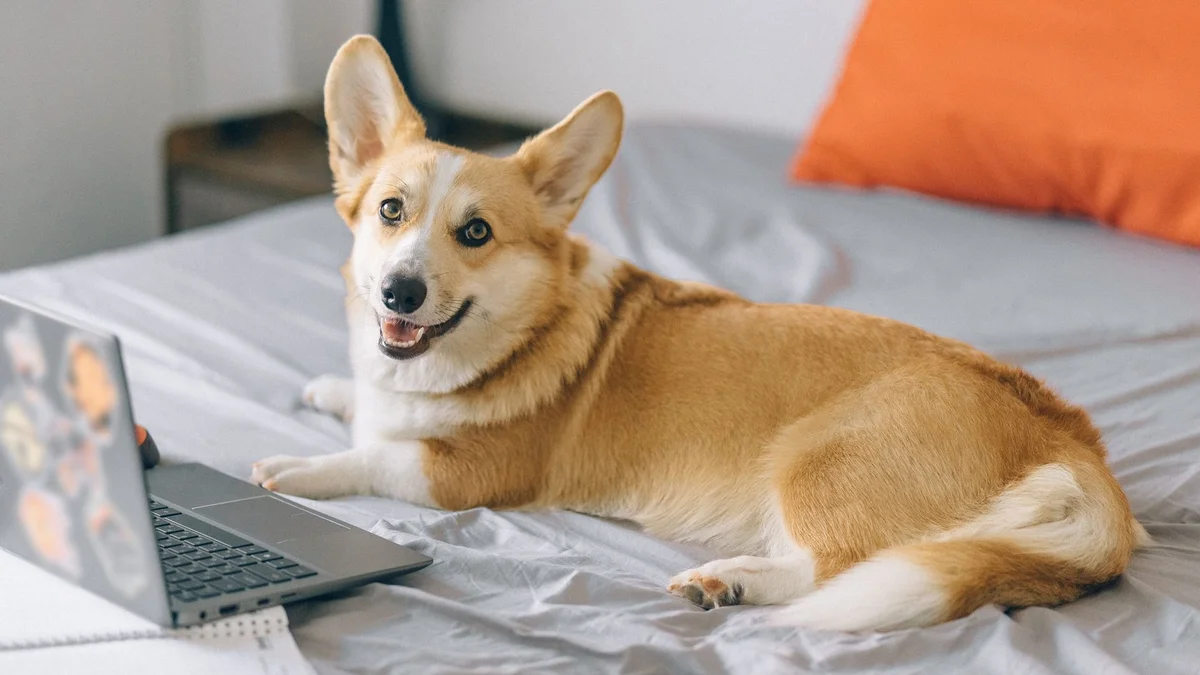
Working From Home With Your Pet in Vietnam — Setting Up Your Space, Staying Productive, and Bonding With Your Dog or Cat
Since the pandemic shifted millions of Vietnamese families—especially in HCMC—to remote work, a new reality emerged: your dog or cat has become your permanent "coworker," popping into every video call uninvited. The data backs this up: 68% of pet owners working from home report significantly stronger bonds with their pets. But that comes with a real trade-off—keeping your productivity high while maintaining a tidy living space and preventing your pet from developing separation anxiety.
This guide gives you practical, tested strategies to balance both.
Why Working From Home With Your Pet Is Both Amazing and Challenging
Working from home alongside your dog or cat offers something invaluable: continuous companionship that naturally reduces stress. Research from the University of Virginia shows just 10 minutes of petting a pet can lower cortisol (stress hormone) by up to 37%. In Vietnam's typically high-pressure office culture, your pet at home becomes a natural "emotional filter." But without clear boundaries and structure, WFH with pets easily leads to:
- Overattachment: Your pet gets used to having you around 8–10 hours daily and develops separation anxiety when you eventually return to the office
- Constant interruptions: On average, 3–5 interruptions per hour from your pet demanding attention, play, or bathroom breaks
- Messy living space: shed hair, scattered toys, lingering pet odors in your work area
Understanding both sides of this equation is the first step toward setting up a genuinely productive day—for both of you.
How Do I Set Up a WFH Space That Works for Both Me and My Pet?
The ideal WFH space with a pet uses clear zoning: your work area and your pet's rest area sit within sight of each other but don't overlap. The sweet spot is 1–2 meters apart—close enough for your pet to feel secure, far enough for you to concentrate.
Zoning by the "Sight Line, Not Reach" Principle
Your pet's zone: Place a cushion, bed, or crate 1–1.5 meters from your desk, positioned so your pet can see you while you work. Cats prefer elevated spots (shelves at 40–60 cm high), while dogs prefer ground-level, warm bedding. This positioning matters—if your pet can't see you, they'll manufacture reasons to interrupt.
Physical boundaries using non-slip mats: Use a pet mat or area rug (80–150,000 VND at home furnishing stores) to create a visual "territory." Pets quickly learn that the mat is theirs and your desk is yours.
Protecting cables and electronics: Secure or conceal electrical cords along the wall—cats especially love chewing cables, and one ruined laptop costs 5–20 million VND. This isn't just about damage; exposed wires pose a shock hazard to your pet.
Room temperature: HCMC summer heat reaches 33–38°C. Keep your AC set to 26–28°C—comfortable for both you and your pet. Never position your pet's bed directly in the path of cold air, as this can cause respiratory stress.
Natural light: Cats thrive with 6–9 hours of natural sunlight daily. Position your pet's bed near a window to let them nap in soft morning or late-afternoon light. This dual benefit: your pet stays relaxed, and you save on electricity.
Equipment Worth Investing In (Budget: 500,000–2,000,000 VND / ~20–80 USD)
- Equipment — Purpose — Typical Price
- Elevated pet bed with walls — Gives your pet a defined "territory" where they feel safe and secure — 300,000–800,000 VND
- Mini pet camera — Monitor your pet during video calls without jumping at every movement — 400,000–900,000 VND
- Compact humidifier/mister — Maintains 50–60% humidity in dry AC air; good for coat and respiratory health — 300,000–600,000 VND
- Interactive/puzzle toy — Keeps your pet engaged 20–30 minutes during your most important meetings — 200,000–500,000 VND
How Do I Stay Productive While Still Giving My Pet the Attention They Need?
The secret isn't constant availability—it's scheduled quality time. When your pet knows attention is coming at predictable times, they'll stop trying to interrupt you at random. Think of it like meetings: they're scheduled, not spontaneous.
Sample 8-Hour WFH + Pet Schedule
6:30–7:00 AM | Morning with your pet Feed your pet, then 10–15 minutes of light activity (a short walk around the apartment complex for dogs, a play-and-chase game for cats). This is your "emotional recharge" together and burns some of your pet's energy before you work.
7:00–9:30 AM | Deep work block #1 Your pet usually sleeps after eating and activity. This is your peak productivity window—use it for tasks requiring full focus (strategy, writing, complex problem-solving).
9:30–9:45 AM | Movement break Pet your pet for 10 minutes, refill their water bowl. In Vietnam's heat, a pet's water needs refresh every 3–4 hours.
9:45 AM–12:00 PM | Continued focus If your cat keeps trying to walk across your keyboard, try this: place an empty cardboard box next to your desk. Cats prefer new surfaces and enclosed spaces—the odds they choose the box over your keyboard jump to about 80%. (This actually works; it's a common hack among the cat-owning community.)
12:00–1:00 PM | Lunch with your pet Eat together, feed your pet their midday meal (dogs and young cats need 2–3 meals per day), then 10 minutes of gentle play.
1:00–3:30 PM | Deep work block #2 Afternoon focus is harder for most people. Reserve this time for less creative tasks (emails, reports, data entry). Play soft background music (lofi, classical) to mask external noise and calm both you and your pet. For more on this, check out our guide on music and sound for pets.
3:30–4:00 PM | Play and energy release Spend 15–20 minutes in interactive play (no phone checking). This is when your pet "burns off" the day's accumulated energy.
4:00–5:30 PM | Final work push Team meetings, reviews, wrap-up tasks. Your pet is usually tired by now and will rest.
5:30 PM onward | Family time Your pet deserves 100% of your attention now. You've both earned it.
The "Ignore to Train" Technique
Your pet jumps on your desk, meows constantly, or barks during video calls because they've learned it gets your attention. Even scolding counts as interaction. Solution: ignore the unwanted behavior completely (no eye contact, no response), and only reward your pet with praise or treats when they play quietly. Consistency matters—apply this for 2–3 weeks, and about 90% of pets adjust their behavior.
How Do I Prevent My Pet From Developing Separation Anxiety?
The biggest long-term risk of working from home is your pet becoming so dependent on your presence that they panic when you leave. Signs include constant barking/meowing when you step out of the room, destructive behavior, or house-soiling despite being housetrained.
Prevention starts immediately:
- Practice micro-separations 2–3 times daily: step out of your workspace for 5–10 minutes without announcing it, then return casually (no over-the-top excitement). Gradually extend these to 30–60 minutes over 2 weeks.
- Give your pet their own space: Don't let your pet sleep pressed against you 24/7. A separate bed in the same room teaches them to feel secure alone.
- Leave familiar scents: When you step away, leave an old t-shirt near their bed—your body scent activates a calming response in dogs and cats.
- Seek early help if needed: If your pet shows signs of severe separation anxiety (refusing food, self-injury, diarrhea), consult a vet promptly. This is a treatable behavioral issue. Mật Pet Family's health warranty policy—the first of its kind in Vietnam—includes behavioral support consultation.
Special Considerations for Apartment Living in HCMC
Most expats in Vietnam live in apartments (typically 45–80 m²), and combining WFH with apartment pet ownership adds specific constraints: noise complaints from neighbors, strict building pet policies, limited outdoor access. Here's what to watch for.
Noise management:
- Dogs that bark during work hours (9–17) can violate your building's pet policy. Train the "Quiet" command early; chew toys reduce boredom-barking by 60–70%.
- A white noise machine (200,000–400,000 VND) masks hallway and elevator sounds, stopping your pet from reacting to every neighbor passing by.
Exercise and activity:
- Apartment dogs need at least 2 outings daily (ideally before 7 AM and after 5 PM to avoid peak heat). Each outing should be 15–30 minutes minimum to properly tire them out.
- Apartment cats need climbing structures (a cat tree at least 1.2–1.5 m tall). Without vertical space, cats redirect that climbing instinct to your furniture and desk.
- For more on keeping pets in Vietnamese apartments, see our full apartment pet guide.
Hygiene and odor:
- In a sealed, air-conditioned apartment, pet odor builds quickly. Brush your pet and wipe floors daily (5–10 minutes) rather than letting it accumulate.
- Place the litter box outside your work area if possible. Ammonia fumes from urine significantly impact your concentration—and your neighbors notice the smell through thin walls.
What Does Setting Up a Pet-Friendly WFH Space Actually Cost in Vietnam?
Total setup cost ranges from 1–5 million VND, depending on your priorities. This is a one-time investment that pays dividends for years.
Budget tier 1 (1–2 million VND / ~40–80 USD) — Essentials:
- Elevated pet bed or crate: 300,000–800,000 VND
- Non-slip boundary mat: 80,000–150,000 VND
- Self-play toys (balls, squeaky toys): 100,000–300,000 VND
- Cable protectors: 50,000–150,000 VND
Budget tier 2 (2–4 million VND / ~80–160 USD) — Comfort upgrades:
- Everything in Tier 1, plus:
- Mini pet camera: 400,000–900,000 VND
- White noise machine: 200,000–400,000 VND
- Cat tree or scratching post: 500,000–1.2 million VND
Budget tier 3 (4–5 million VND / ~160–200 USD) — Premium setup:
- Everything above, plus:
- Interactive puzzle feeder: 300,000–700,000 VND
- Air purifier or humidifier: 500,000–1 million VND
After 15 years working with over 10,000 pet-owning families, Mật Pet Family has noticed a clear pattern: families that invest properly in a structured space and routine experience 40–50% fewer behavioral problems than those who let their pet roam freely. A clear environment = a secure pet = your undivided focus.
Frequently Asked Questions About Working From Home With Pets
My dog barks constantly during video calls. How do I stop this?
Train a "Quiet" command with treats as a reward for silence. Before important meetings, tire your dog out with 10–15 minutes of exercise so they naturally rest during your calls. Kong toys stuffed with treats or frozen peanut butter keep them occupied for 30–45 minutes—perfect meeting duration.
My cat walks across my keyboard constantly. Any solutions?
Place an empty cardboard box or small bed directly next to your desk. Cats prefer novel surfaces and enclosed spaces; try this for 1–2 weeks, and most cats naturally gravitate toward the box. Avoid physically removing your cat (they interpret that as playtime and repeat the behavior). Instead, gently guide them to the box and reward them.
Is working from home next to my pet all day actually good for them?
It's good only if done correctly—with attention at set times and maintained independence. The risk is they become too dependent. Practice 2–3 short "alone periods" each day (even 10–15 minutes) so they stay confident when you eventually return to an office or leave for errands.
My dog is in an apartment with only a balcony. Do they still need to go outside if I work from home?
Yes. A balcony doesn't replace outdoor walks. Dogs need external stimulation (new smells, sounds, other animals, people) for psychological health and socialization. Even working from home, aim for at least two 15–20 minute walks daily in different locations. This is especially important in Vietnam's heat—morning walks before 7 AM and evening walks after 5 PM are safest.
I'm bringing a pet home soon and I work from home full-time. Where do I start?
Your first week is make-or-break. Set up zones, establish a daily schedule, and define your pet's "no" behaviors on Day 1. Don't allow jumping on furniture or sleeping on your bed if you don't want that long-term. Consistency from the start prevents months of retraining. Mật Pet Family supports you from the moment your pet arrives home—from space consultation to ongoing behavioral guidance through our unique health warranty. Reach out before you bring your pet home so we can tailor advice to your space and schedule.
Which breeds are best for someone who works from home all day?
Breeds that bond closely and tolerate apartment living do well with WFH owners: Golden Retrievers, Poodles, and Ragdoll cats thrive with continuous companionship. Avoid high-energy, independence-loving breeds like Huskies or Border Collies unless you have a large space and can exercise them extensively. Mật Pet Family matches breeds to your actual lifestyle—visit our dog catalog and cat catalog to explore options, or consult our team directly for a personalized recommendation.
Your Pet Deserves a Thoughtful WFH Setup
Your pet isn't just a coworker dropping by—they're a daily presence during your work life, a grounding force before meetings, a reason to step away and breathe. Setting up your space intentionally isn't indulgent; it's the foundation for a genuinely balanced day.
If you're considering bringing a new pet home while working from home, or if your current pet shows signs of anxiety or behavioral stress, reach out to Mật Pet Family. With over 15 years of experience since 2011 and a community of 8.7 million pet lovers across Vietnam, we've guided thousands of expat families through this exact transition.
📍 Visit our [Mật Pet Family Showroom](https://matpet.vn/showroom) to see our space setup examples and meet pets available for adoption in HCMC.
📞 Hotline: 0939 863 696 (English support available)
🌐 matpet.vn
Our team is here to help you design a WFH life that works—for you and your pet.
Related articles
Designing a Pet-Friendly Home Office in Vietnam — Space Layout, Equipment & How to Balance Work and Your Dog or Cat

Pet Photography Through Vietnam's Four Seasons — Lighting, Backgrounds & Tips for Year-Round Beautiful Shots
Saying Goodbye to Your Pet — A Compassionate Guide to Grief, Memory, and Healing for Expat Families in Vietnam
Interested in pets from Mật Pet?
15 years of trust · 10,000+ pets delivered to Vietnamese families · Free 30-day health warranty · Nationwide delivery.