
Building a Pet Wardrobe in Vietnam — How to Choose, Style, and Care for Dog and Cat Clothes the Right Way
How to pick the right clothes for your dog or cat in Vietnam's heat and humidity? Mật Pet Family's guide to sizing, styling, and caring for pet fashion.
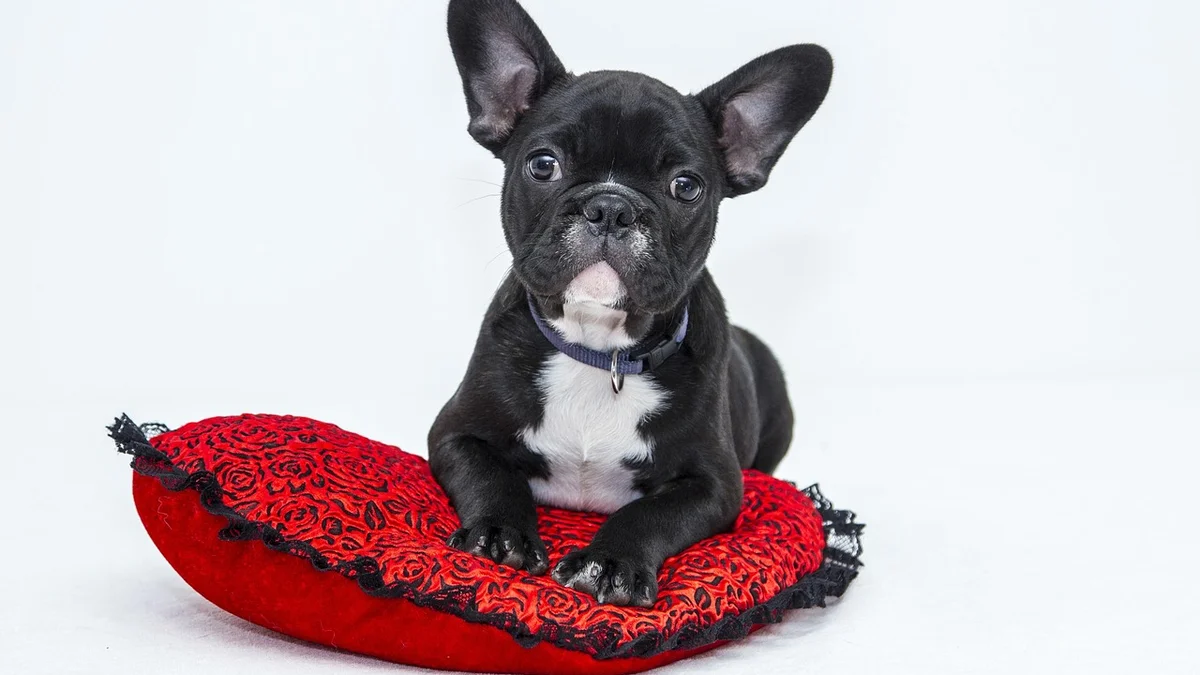
Building a Pet Wardrobe in Vietnam — How to Choose, Style, and Care for Dog and Cat Clothes the Right Way
Over 60% of dog and cat owners in Ho Chi Minh City buy at least one outfit for their pet each year — double the number from five years ago. But buying clothes for your pet isn't just about Instagram photos: choosing the wrong size can restrict breathing, and unsuitable fabrics cause itchy skin rashes when temperatures hit 35°C (95°F). This guide walks you through selecting, styling, and maintaining a pet wardrobe that actually works for Vietnam's climate.
Do Dogs and Cats Really Need Clothes in Vietnam's Hot, Humid Climate?
In Vietnam's tropical conditions — averaging 28–38°C (82–100°F) in southern regions with humidity at 75–85% — thick-coated dogs and cats don't need clothing for warmth. However, pet clothes serve practical purposes: protecting skin from UV rays, reducing insect contact during outdoor time, minimizing shedding indoors, and covering surgical wounds during recovery. The key is using clothes for the right reason, not forcing fashion at the expense of your pet's comfort.
Specific situations where clothing genuinely helps:
- Post-surgical protection: A fitted body suit or onesie replaces the uncomfortable Elizabethan collar and provides comfort during the 7–14 day recovery window.
- Shedding control and allergies: Fitted shirts significantly reduce loose hair floating around your apartment — especially valuable during coat-blowing season for Huskies, Golden Retrievers, and Samoyeds.
- UV protection for thin-skinned breeds: Chihuahuas, Chinese Crested Dogs, and hairless Sphynx cats sunburn easily when outdoors between 10 AM–4 PM in Ho Chi Minh City.
- Temperature regulation in cool climates or heavy AC: Chihuahuas and thin-coated cats like Rex breeds may need extra layers in Hanoi when temperatures drop below 20°C (68°F), or in heavily air-conditioned apartments set to 18°C (64°F) continuously.
- Special occasions: Birthdays, Tet celebrations, photo shoots — fine for 2–3 hours with supervision.
Red flags your pet is uncomfortable: constant scratching, biting, or rolling to remove clothes; rapid or labored breathing; unusual stillness or refusal to move. If you notice these signs, remove the clothing immediately and check for red marks or chafing. This is especially important for expats new to pet ownership — Vietnamese apartment living means close indoor contact, so skin irritation shows quickly.
How Do I Measure My Dog or Cat for Clothes Accurately?
Accurate sizing is the single most important step. You'll need a soft measuring tape and four key measurements: neck circumference, chest circumference, belly circumference, and body length (from the base of the neck to the tail base). After measuring, add 2–3 cm to each number to ensure your pet can breathe and move comfortably.
How to measure each area:
- Location — How to Measure — Important Note
- Neck — Around the base of the neck (where a collar sits) — Leave room for two fingers
- Chest — Around the widest part of the ribcage, just behind the front legs — This is the most critical measurement
- Belly — Around the widest part of the abdomen — Especially important for cats — they're often rounder than their chest
- Body Length — From the base of the neck to the tail base — Short-legged breeds like Dachshunds need careful measurement
Common sizing chart for Vietnam's market:
- XS: chest 28–33 cm (Chihuahua, small cats)
- S: chest 34–40 cm (Pomeranian, average cats)
- M: chest 41–50 cm (Corgi, Toy Poodle)
- L: chest 51–60 cm (Beagle, French Bulldog)
- XL and above: chest 61+ cm (Golden Retriever, Labrador)
Critical note: Each brand sizes differently — always measure your pet's actual numbers, then compare against that specific brand's size chart. Don't rely on breed name or weight alone. A 2 kg Chihuahua versus a 3.5 kg Chihuahua can differ by 1–2 sizes, and a 10 kg Corgi has completely different proportions than a 10 kg Beagle.
Which Fabric Works Best in Vietnam's Heat and Humidity?
With temperatures averaging 28–35°C and humidity at 75–85% in Ho Chi Minh City, pet clothing must prioritize breathability, moisture-wicking, and non-irritating fibers. Cotton and bamboo fabric are your top two choices for hot months. Avoid thick polyester and wool from March through November.
Fabrics by season:
Hot season (March–November, 30–38°C):
- Cotton muslin or lightweight cotton weave: lightest and most breathable — good for 2–3 hour wear
- Bamboo fabric: naturally antibacterial, excellent moisture-wicking — ideal for pets that sweat heavily or have sensitive skin
- Thin jersey cotton: four-way stretch, doesn't chafe post-surgical wounds
- Avoid completely: thick polyester, fleece, heavy knit — these trap heat and cause heat stress
Cool season (December–February, 18–25°C in the south; 10–18°C in the north):
- Thin fleece: lightweight warmth without stuffiness in southern Vietnam
- Knit cotton: moderate insulation, still breathable
- Wool-blend cotton: for pets in Hanoi or Da Lạt when temperatures dip to 10–15°C
Safety check on fabric construction: avoid clothes with small plastic buttons (choking hazard), sharp metal zippers, or rough elastic around wrists and ankles — common defects in budget pieces priced 20,000–50,000 VNĐ (0.80–2 USD) from online marketplaces.
How Do I Style My Pet's Wardrobe Without It Looking Awkward?
The best styling approach uses your pet's natural coat color as the "base palette" to choose complementary or contrasting clothing. Golden-coated dogs suit navy, sage green, burgundy, or camel; white-coated pets work well with pastels or black-and-white combos; black and gray coats shine with bright or pale accents.
Color matching by coat type:
- Golden/tan coats (Golden Retriever, Corgi, Pomeranian): navy, sage, burgundy, camel — avoid orange and yellow tones
- White/cream coats (Maltese, Bichon, white cats): pastel mint, lavender, blush pink, black — skip all-white (loses definition)
- Black/gray coats (black Poodle, gray cats): white, bright yellow, true red, silver — avoid matching dark tones
- Multi-colored coats (Shih Tzu, Beagle): pick one color from the coat and use it as an accent with solid clothing
Styling by breed body type:
- Small, slender breeds (Chihuahua, Siamese cats): fitted, streamlined cuts — avoid oversized or puffed designs that hide their shape
- Compact, round breeds (Pug, French Bulldog): clothes with waist definition — avoid horizontal stripes
- Long-haired breeds (Maltese, Shih Tzu): short shirts that expose the coat — full-length clothes get tangled in long fur
- Pointed-ear breeds (Corgi, Shiba Inu): skip ear accessories — their ears are already natural focal points
Seasonal fashion in Vietnam:
- Tet (Lunar New Year): áo dài-inspired pieces, red or gold tones, brocade designs — common in HCMC shops, 150,000–400,000 VNĐ (6–16 USD) per outfit
- Christmas: reindeer sweaters, Santa hats (brief photo shoots only)
- Birthdays: personalized pieces with age numbers or pet names — increasingly popular with expat owners
What Are Current Prices for Pet Clothing in Vietnam, and Where Should I Buy?
Pet clothing prices in Vietnam range dramatically: from 30,000 VNĐ (1.20 USD) market finds to 1.5 million VNĐ (60 USD) for handmade pieces. The sweet spot for expat families seeking quality and durability is 150,000–450,000 VNĐ (6–18 USD) per outfit — enough to secure good fabric, solid stitching, and safety.
Price tiers and expectations:
- Tier — Price Range — Best For
- Budget — 30,000–100,000 VNĐ — One-time photo ops, special events only
- Mid-range — 150,000–450,000 VNĐ — Regular wear, decent quality, repeatable purchases
- Premium — 500,000–1,500,000 VNĐ — Custom-fitted, quality fabrics, made-to-order
- Luxury brands — 1,500,000+ VNĐ — Imported designer pet fashion
Where to buy and what to watch for:
- Online marketplaces (Shopee, Lazada): competitive pricing, but read customer photos carefully, ask for detailed size charts before ordering, and know that pet clothing usually isn't returnable once purchased. Many expat owners successfully buy here after measuring accurately.
- Dedicated pet shops: direct fitting, hands-on size consultation, see and feel fabrics in person — worth the slightly higher price for first-time buyers
- Local handmade (Facebook groups, Instagram): search "Pet handmade Vietnam" or "Custom pet clothes HCMC" — 300,000–800,000 VNĐ (12–32 USD), fully tailored to your pet's actual measurements
- Thai and Japanese imports: quality comparable to EU brands but 20–30% cheaper — widely available in Ho Chi Minh City pet shops
At Mật Pet Family's showroom, you can see fabrics up close, try clothes on your pet, and get sizing advice from a team with 15 years of breed-specific experience since 2011. This removes guesswork entirely.
How Do I Wash and Store Pet Clothes Correctly?
Pet clothing should be washed every 2–3 wears or immediately after your pet sweats, gets dirty, or plays outside. Use water below 40°C (104°F), mild detergent formulated for sensitive skin or baby laundry — standard household detergent enzymes can leave residue that irritates your pet's thin skin.
Correct washing steps:
- Check the label — many pet clothes are hand-wash or delicate-cycle only
- Wash separately from household clothing — pet hair transfers both ways, and strong enzymes from regular detergent can linger
- Use lukewarm water (30–40°C), gentle detergent made for sensitive skin
- Rinse thoroughly 2–3 times — detergent residue is the most common cause of itchy skin in pets
- Air-dry in shade, never direct sun — Ho Chi Minh City's intense UV fades colors and weakens fabric 3–4 times faster than shaded drying
- Never high-heat dry — shrinks fabric, damages elastic, warps the fit
Long-term storage:
- Fold or roll gently; avoid hanging for extended periods (stretches the neckline)
- Store in breathable fabric bags or boxes, not sealed plastic
- Add silica gel packets to prevent mold — Vietnam's high humidity (75–85%) makes this essential
- Inspect before each season: check stitching, elastic at collar and wrists, and buttons
- Replace worn items before giving to your pet again
What Are the Most Common Mistakes When Buying Pet Clothes in Vietnam?
The three biggest mistakes are: choosing size by weight instead of measuring (wrong 40% of the time), prioritizing looks over safety (loose buttons, decorative beads that can be swallowed), and wearing clothes for too long without checking skin underneath. All three can harm your pet's health.
Each mistake in detail:
1. Sizing by weight or breed name alone: A 10 kg Corgi and a 10 kg Beagle have completely different builds. Always measure your pet's chest, neck, belly, and length, then match against the specific brand's size chart — don't guess.
2. Decorative hazards: Small plastic buttons, artificial gems, beaded trim, dangling ribbons — all can be chewed off and swallowed, causing intestinal blockage. Especially risky for young or destructive chewers. Stick to plain designs for pets that chew.
3. Wearing clothes all day without skin checks: Many owners dress their pet in the morning and forget to remove clothes until bedtime. Clothes trap moisture under the arms, in skin folds, and around the neck — after 4–6 hours, this creates a rash or sore. Limit wear to 2–3 hours at a time, then remove and check skin for redness. This is crucial in Vietnam's humid climate where sweat accumulates fast.
4. Skipping the "get used to it" phase: Thrusting a tight shirt onto a pet who's never worn clothes can trigger fear or aggression. Introduce slowly: let your pet sniff the clothing for 1–2 days, then wear it for just a few minutes and gradually increase time. About 40–50% of cats adapt well if introduced gently from a young age.
5. Buying from unknown sources: Some cheap imports (under 50,000 VNĐ) use dyes or finishes that irritate skin — watch for red patches where the fabric touches skin within 24–48 hours of first wear. If this happens, stop using that item and consult a vet. If your pet came from Mật Pet Family, our health warranty policy covers skin reactions related to pet care products recommended or provided during your relationship with us.
FAQ — Pet Clothing and Fashion in Vietnam
Can cats actually wear clothes, or is it just for dogs? Cats can definitely wear clothes, but they're more sensitive to body pressure than dogs, so patience is key. Start with lightweight, sleeveless shirts without hoods — let them choose to wear it rather than forcing it. About 40–50% of cats adapt well to light clothing if introduced gradually from kittenhood.
Should I wash pet clothes separately from my own laundry? Yes. Pet hair sticks to household clothes, and the enzymes in regular detergent can leave residue on pet clothes that irritates skin. Use a mesh laundry bag for pet items and wash on a gentle cycle with sensitive-skin detergent.
My pet keeps trying to take off the clothes — should I keep trying? If your pet resists for more than 3–5 attempts to acclimate, that's a sign of genuine discomfort. Continued stress harms their mental health. Only persist if there's a medical reason (post-surgical clothing) — and even then, ask your vet about alternatives.
Does wearing clothes affect how my pet regulates body temperature? Yes, if you choose the wrong fabric. Dogs and cats regulate heat through breathing and skin — a thick polyester shirt in 35°C heat can raise their core temperature 1–2°C within 30 minutes. Always choose thin cotton and monitor breathing rate when your pet is dressed.
Is it safe to buy pet clothes online? Safe if you know what to look for: detailed fiber content (prioritize "100% cotton" or "bamboo"), customer photos showing real wear, clear return policies for sizing errors, and avoid items without fabric tags. Many expats successfully shop this way after learning to measure accurately.
Should I own a large wardrobe or rotate a few outfits? For regular wearers, 3–4 well-made pieces are enough to rotate while washing and drying (plan for 12–24 hours to air-dry in Vietnam's humid climate). Too many clothes that sit unused in humid storage often develop mold. Quality over quantity.
Ready to Build Your Pet's Wardrobe?
If you're unsure which fabrics, sizes, or styles work best for your pet — whether you're new to Vietnam pet ownership or just trying to beat the heat — Mật Pet Family's team is here to help. With 15 years of breed-specific expertise since 2011, we've outfitted thousands of pets across Ho Chi Minh City, Hanoi, and Da Nang.
Visit our showroom to see and touch fabrics, get your pet measured, and try outfits before committing. Or text 0939 863 696 for personalized styling advice. Check out our full dog catalog and cat catalog for current styles, and learn more about our complete health warranty — the only written guarantee of its kind in Vietnam. Your pet's comfort and safety are always our priority.
Related articles
Designing a Pet-Friendly Home Office in Vietnam — Space Layout, Equipment & How to Balance Work and Your Dog or Cat
Pet Photography Through Vietnam's Four Seasons — Lighting, Backgrounds & Tips for Year-Round Beautiful Shots
Saying Goodbye to Your Pet — A Compassionate Guide to Grief, Memory, and Healing for Expat Families in Vietnam
Interested in pets from Mật Pet?
15 years of trust · 10,000+ pets delivered to Vietnamese families · Free 30-day health warranty · Nationwide delivery.