
Designing a Pet-Friendly Home Office in Vietnam — Space Layout, Equipment & How to Balance Work and Your Dog or Cat
How to design a dog- and cat-friendly home office in Vietnam's apartments and homes. Layout tips, equipment guides, and solutions for staying focused while working from home with pets. Advice from Mật Pet Family.
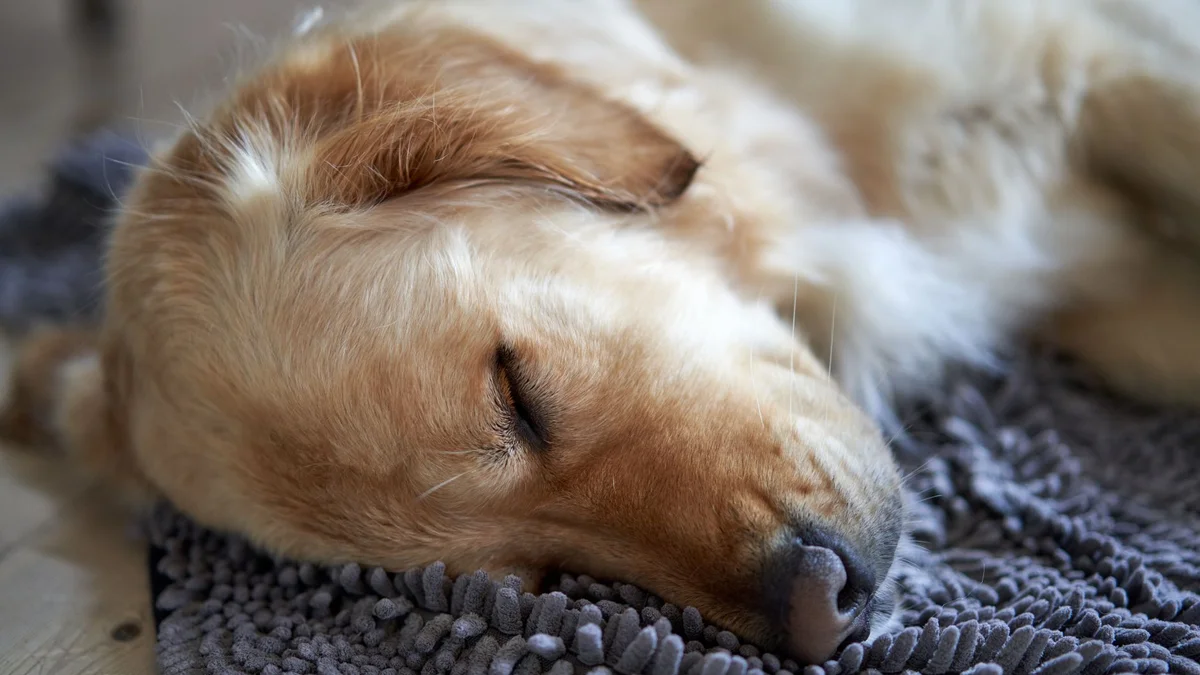
How to Design a Pet-Friendly Home Office in Vietnam — Space Layout, Equipment & How to Balance Work and Your Dog or Cat
If working from home has become your norm in Vietnam, you've probably discovered a adorable — but deeply inconvenient — truth: dogs and cats have zero concept of "I'm on a video call right now." Your cat walks across your keyboard mid-presentation. Your dog scratches at the door every time you need to concentrate. Your notes somehow end up as a napping spot for your puppy.
But here's what Mật Pet Family's community of 8.7 million pet lovers has learned over 15 years: a thoughtfully designed home office can work for both you and your pet — you don't have to sacrifice productivity or your animal's wellbeing.
Why Design a Pet-Friendly Work Space? What's Really Going On?
A pet-friendly work zone isn't just about preventing your dog or cat from "acting up." It's about creating a space where your pet feels secure, stays close to you without interrupting your work, and understands their own place in the room.
Here's the psychology: when your pet starts tearing into your work or demanding constant attention, it's rarely because they're trying to annoy you. Most pets disrupt because they don't know where they belong or what they're supposed to do. You were home = playtime. Suddenly you're home but staring at a screen and ignoring them = your pet feels abandoned and looks for ways to recapture your attention.
According to real-world observations from pet owners managing this across HCMC, Hanoi, and Da Nang, interruptions from pets can drop by 60–70% when they have a designated, comfortable spot within sight of your desk. Your dog or cat gets to be near you (their primary source of comfort), and you get to actually finish a meeting.
Additionally, in Vietnam's major urban areas, the average apartment or home is 40–80 m². Completely isolating your work area from your pet's living space isn't realistic. The answer isn't to lock your pet away — it's to integrate their space into yours intentionally.
How to Lay Out a Home Office for Pets in Vietnamese Apartments and Homes
For a typical Vietnamese apartment or small home (40–100 m²), the most effective layout uses a three-zone system centered around your desk.
The Three-Zone Layout
Zone 1 — Your Work Surface (0–60 cm from your desk): This is NO-PET territory. Keep cables organized (spiral wrap or cable clips run 30,000–80,000 VND / ~$1.20–$3.20 USD) so they don't dangle — loose wires create an irresistible chew toy for your pet, especially if they're under 6 months old. Don't leave food, treats, or pet toys on your desk. You want to eliminate the motivation for your pet to jump up.
Zone 2 — Your Pet's Spot (Immediately beside your desk, at eye level when they're lying down): This is where your dog's bed or your cat's nesting area lives. If your cat prefers height, a small wall-mounted shelf at 50–70 cm with a padded bed (200,000–500,000 VND / ~$8–$20 USD) works beautifully — they get a perch and can still see your face. For dogs, a 5–8 cm thick orthopedic mat on the floor is sufficient. Your pet can rest here, watch you, and feel included without being on your workspace.
Zone 3 — Play/Activity Area (1.5–3 m away from your desk): Place toys, scratching posts, climbing frames, and balls here. This gives your pet a clear "destination" when they have energy, rather than redirecting that energy toward interrupting you.
Special Considerations for Apartments with Narrow Balconies
If you live in a compact apartment with a balcony smaller than 3 m², consider a pet-safe balcony netting system (300,000–700,000 VND / ~$12–$28 USD). This creates additional outdoor viewing space for your cat or dog, reducing the "I need your attention now" pressure during your work hours.
What Equipment and Furniture Materials Should You Choose?
Selecting pet-resistant materials and smart equipment now saves significant money and frustration later. Prioritize microfiber, synthetic leather (PU), or sealed wood finishes over standard woven fabrics — these resist scratching and shedding 3–5 times better and are far easier to clean.
Essential Equipment & Materials
Keyboard & Mouse: Cats are drawn to warm surfaces (your laptop generates 40–50°C of heat). Use a keyboard cover or the habit of storing your keyboard in a desk drawer when you step away (clear acrylic covers run 150,000–300,000 VND / ~$6–$12 USD). This simple barrier prevents both damage and the repeated cycle of your cat claiming your workspace.
Cables & Wiring: This is your #1 hazard. Pets — especially puppies and young kittens — can suffer electric shock or internal injuries from chewing through power cords. Use spiral wrap cable protection (50,000–120,000 VND per meter / ~$2–$5 USD) or a fully enclosed cable management box mounted under your desk. Route all cables through these protections; avoid any loose, dangling runs.
Office Chair: Choose mesh (breathable linen-weave) or synthetic leather (PU) over fabric or velvet. Pet hair doesn't embed in these materials, and they're simple to wipe down. A quality mesh office chair in Vietnam runs 2–5 million VND (~$80–$200 USD). Fabric nubs and velvet trap hair and show claw marks permanently.
Monitor Mounting: Position your screen at least 30 cm from the desk edge so your pet can't nudge it off. Better yet, use a wall-mounted or arm-mounted bracket (400,000–800,000 VND / ~$16–$32 USD). This frees up desk real estate and removes the risk of your dog or cat toppling your monitor.
Materials to Avoid: Canvas, linen weaves, velvet, untreated raw wood, and soft upholstery attract claws like magnets. If you have upholstered furniture in your work zone, expect permanent snags and embedded hair.
Why Does Your Cat Keep Jumping on Your Desk? How to Stop It
Your cat climbs onto your desk for three core reasons: warmth (your laptop and monitor), proximity (wanting to be near you), and instinct (high surfaces feel like territory). Punishment doesn't work; substitution does.
Proven Cat-Deterrent Strategies
Install an Attractive Alternative: Place a cat shelf or climbing tree right next to your desk, at roughly the same height as your monitor. Your cat will choose the shelf over your desk because they still get to see your face and feel included — without the unwanted behavior. A basic cat tree runs 300,000–800,000 VND (~$12–$32 USD).
Sticky Paws Deterrent Tape: Line the edges of your desk with sticky paw tape for 2–3 weeks during the training phase. The texture under their paws feels unpleasant, and cats learn to avoid the area. Once the habit is broken, you can remove it.
Timing Matters: Start your focused work sessions 30–60 minutes after your cat eats. Cats naturally sleep 12–16 hours a day, and their heaviest sleep usually follows meals. You're essentially working with your cat's natural rhythm, not against it.
Never Use Your Hands to Shoo: Don't chase your cat down with your hand — this turns into a game. Instead, use a rolled newspaper or book as a gentle blocker. Your hand should never become associated with "being moved." That teaches them to treat your hands as part of interactive play.
Your Dog Won't Stop Barking or Scratching at the Door — What Now?
Continuous barking or door-scratching during your work hours often signals separation anxiety — your dog sees you "come home" but then you ignore them, and their brain can't distinguish this from actually being abandoned.
The solution is a consistent pre-work ritual that uses up your dog's energy and sets expectations.
15-Minute Pre-Work Routine
Step 1 — Physical Exercise (10–15 minutes): Play fetch, tug-of-war, or indoor chase games. A tired dog is a sleeping dog. Aim to burn off their "high energy" reserves just before you need to focus.
Step 2 — Feeding or a High-Value Treat: Give your dog a meal or snack right before you sit down to work. A full stomach naturally leads to sleep, and your dog associates "sitting at desk" with "meal time" rather than "abandonment." Combine this with enrichment toys like a Kong or lick mat (150,000–350,000 VND / ~$6–$14 USD) filled with treats — these keep them occupied for 20–40 minutes.
Step 3 — Use a Cue: If your dog knows a "place" or "bed" command from basic training, give the command paired with a reward as you settle at your desk. Over time, your dog learns that sitting in their spot = you're occupied, but they're not being punished.
Step 4 — Ambient Sound: Play soft music or a pet-focused podcast at 40–50 dB in the background. This masks external noises (traffic, neighbors, street sounds) that might trigger your dog to bark, and it provides auditory comfort without distraction.
If your dog remains highly anxious despite these measures, it may signal deeper separation anxiety that benefits from professional behavioral consultation. Don't hesitate to reach out to Mật Pet Family for guidance.
Temperature and Air Quality — How Do They Affect Your Pet in Your Home Office?
In Ho Chi Minh City and southern Vietnam, indoor temperatures swing from 28–35°C during dry season (March–May) to 26–30°C in rainy season. Dogs and cats have different heat tolerance thresholds. Most short-haired breeds tolerate 26–30°C comfortably; longer-haired breeds (Huskies, Samoyeds, Chow Chows) need it below 26°C to stay comfortable.
Climate Control Best Practices
Air Conditioning: Set your AC to 25–27°C — a temperature that works for both humans and most pets. Never direct AC airflow directly onto your pet's bed. Cold drafts can trigger respiratory inflammation, especially in cats. Angle vents away, or place your pet's sleeping area in a spot protected from the direct line of air.
Ventilation & Fans: If you're using ceiling fans, ensure they're set to pull air up (not push it down), and confirm the safety grate is intact so no pet can accidentally contact the blades. Redirect floor fans at a 90° angle rather than blowing directly on your pet.
Air Purifier: If your household includes anyone with pet allergies, or if you have a long-haired breed, an HEPA-filter air purifier (2,000,000–6,000,000 VND / ~$80–$240 USD) placed in your work area reduces airborne hair by up to 90%. It benefits both you and your pet's respiratory health.
Fresh Water: Keep your pet's water bowl within your sight line and refresh it 2–3 times daily. Dehydration is common in Vietnam's heat, and having water nearby means your pet doesn't need to leave their comfortable spot to drink.
This kind of environmental attention is part of what Mật Pet Family emphasizes in its comprehensive pet health warranty — the first written health warranty of its kind in Vietnam, starting from the day your pet comes home.
What's the Real Cost of Setting Up a Pet-Friendly Work Zone?
You don't need to spend a fortune. A basic pet-friendly workspace runs 700,000–2,500,000 VND (~$28–$100 USD), and a fully upgraded setup with optional add-ons maxes out around 5–10 million VND (~$200–$400 USD). Many setups reuse items you already have.
Budget Breakdown (HCMC Market Prices, 2024–2025)
- Item — Price Range
- Quality dog bed or cat mat — 200,000–600,000 VND ($8–$24)
- Wall-mounted cat shelf or climbing tree — 300,000–1,500,000 VND ($12–$60)
- Cable organizers & spiral wrap — 50,000–150,000 VND ($2–$6)
- Enrichment toys (Kong, lick mat, puzzle toys) — 150,000–350,000 VND ($6–$14)
- Pet-safe balcony netting (if applicable) — 300,000–700,000 VND ($12–$28)
- HEPA air purifier — 2,000,000–6,000,000 VND ($80–$240)
- Basic Setup Total — 700,000–2,500,000 VND (~$28–$100)
- Full Setup with Air Purifier — 5,000,000–10,000,000 VND (~$200–$400)
The real payoff isn't the money saved — it's the peace of mind. A pet who feels secure, has space to rest, and can stay near you without disrupting your focus is a healthier, less anxious pet. That translates to fewer behavioral problems, better focus for you, and a more harmonious home overall.
Frequently Asked Questions About Pet-Friendly Home Office Design
Q: My cat won't stop jumping on my laptop. Nothing seems to work.
A: Cats are attracted to the warmth (40–50°C) and your proximity. Instead of blocking access, offer a better option — a heated bed or cat shelf at the same height as your screen, positioned right beside your desk. Your cat will choose the shelf because they're still in your visual field. Use Sticky Paws tape for 2–3 weeks to reinforce the habit. The key is redirection, not punishment.
Q: My dog barks constantly during my meetings. How can I actually stop this?
A: Barking is often not misbehavior — it's anxiety. Give your dog 10–15 minutes of vigorous play and a meal or snack 15 minutes before your meeting starts. A tired, fed dog typically sleeps for 30–60 minutes afterward. Add an enrichment toy (lick mat or Kong) to extend that quiet window. If your dog still barks excessively, it may signal separation anxiety that benefits from professional guidance.
Q: Should my pet's bed be right next to my desk or in a separate room?
A: Right next to your desk, within 1–1.5 m and in your line of sight. Dogs especially need to see you to feel secure; isolating them to another room usually increases anxiety and barking. The goal is for your pet to feel included and safe while remaining out of your direct workspace. Eye contact with you while they rest is reassuring for them.
Q: What office chair material is safest for pets?
A: Mesh (breathable weave) or synthetic leather (PU) are your best options. Pet hair doesn't embed, claws leave fewer marks, and both clean up easily. Avoid fabric, velvet, canvas, or untreated natural leather — these trap hair and show damage permanently. A good mesh office chair in Vietnam costs 2–5 million VND ($80–$200 USD).
Q: How do I protect my cables and power cords from my pet chewing them?
A: Use spiral-wrap cable protection or rigid cable conduit to encase all wiring under and around your desk. A fully enclosed cable box mounted beneath your desk is the safest option. This is especially critical for pets under 6 months old — the risk of electrocution or internal injury from chewing is serious. Never leave cables dangling or accessible.
Q: Is an air purifier really necessary if I have a pet at home?
A: Only if you have a long-haired breed (Golden Retriever, Husky, Maine Coon, etc.) or someone in your household has pet allergies. A HEPA purifier can reduce airborne pet hair by up to 90% in a closed 20–30 m² room. For short-haired pets in a household with no allergies, it's optional — focus on the fundamentals first (bed placement, cable protection, temperature control).
Building Your Pet-Inclusive Work Life
A well-designed work-from-home setup with pets isn't about creating a "pet space" separate from your world — it's about saying: "You matter to me, even while I'm working."
The small details add up: your cat has a warm shelf where they can watch you; your dog's bed is positioned where they can see your face; fresh water is always within reach; the room stays cool enough. These aren't luxuries — they're the foundation of a pet who feels safe, secure, and less likely to act out from anxiety or boredom.
Over 15 years operating since 2011, Mật Pet Family has guided thousands of pet owners through this transition — from the first day a new dog or cat arrives home to the ongoing rhythm of shared living space. If you're setting up a home office with a new pet, or struggling with an existing pet's behavior during your work hours, we're here to listen and help you find solutions that work for your specific situation and space.
Get in touch with our team:
📞 Hotline: 0939 863 696 (English support available) 🌐 matpet.vn 📍 Visit our showroom in Ho Chi Minh City
Related Resources
- Pet Enrichment in Vietnam — Games, Activities & Mental Stimulation Toys for Dogs and Cats in Small Apartments
- How to Set Up a Pet Play Area at Home in Vietnam — Ideas, Materials, and Budgets That Work for Expat Apartments
- Building a Daily Routine for Your Pet in Vietnam — Sleep Schedule, Feeding Times, and Exercise That Actually Work
- Training Your Dog at Home in Vietnam — Techniques, Age-by-Age Schedule, and the Most Common Mistakes Expat Owners Make
- Is Your Dog or Cat Stressed? How to Spot the Signs, Find the Cause, and Reduce Anxiety — A Practical Guide for Pet Owners in Vietnam
Related articles

Pet Photography Through Vietnam's Four Seasons — Lighting, Backgrounds & Tips for Year-Round Beautiful Shots
Saying Goodbye to Your Pet — A Compassionate Guide to Grief, Memory, and Healing for Expat Families in Vietnam
Pet-Integrated Living in Vietnam — How to Fit Your Dog or Cat Naturally Into Your Family's Daily Routine
Interested in pets from Mật Pet?
15 years of trust · 10,000+ pets delivered to Vietnamese families · Free 30-day health warranty · Nationwide delivery.