
Pet Photography Through Vietnam's Four Seasons — Lighting, Backgrounds & Tips for Year-Round Beautiful Shots
Master seasonal pet photography in Vietnam: best lighting times, composition tips, equipment on every budget, and how to build a 12-month photo story for your dog or cat.
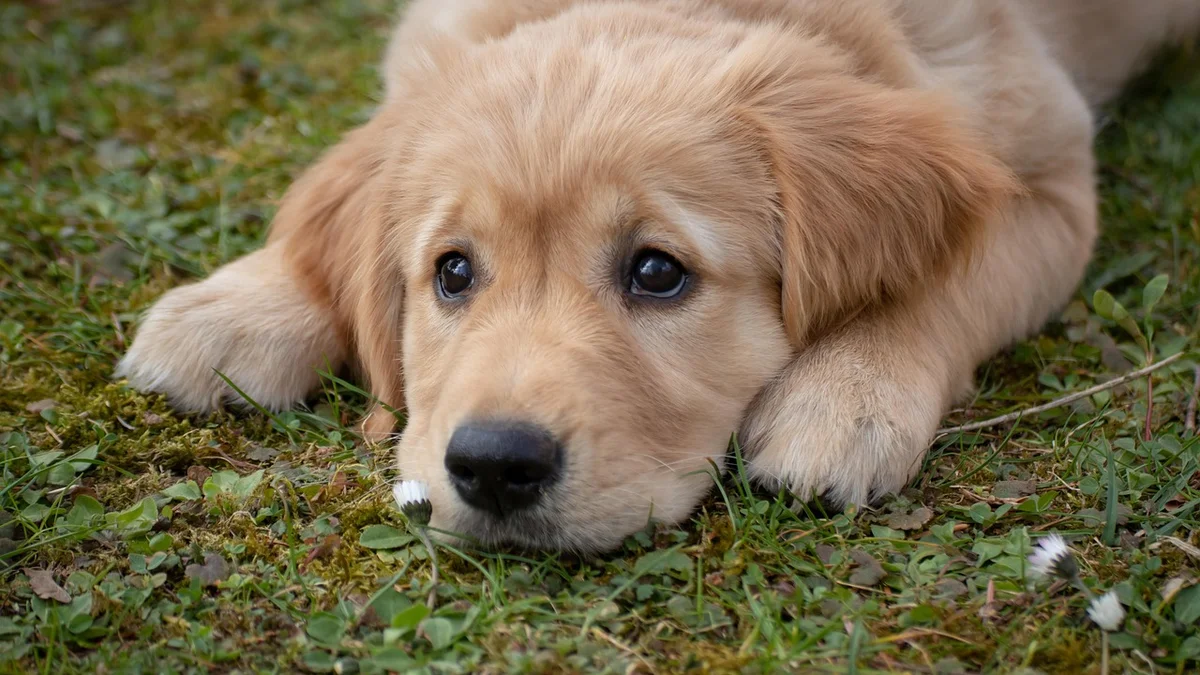
Why Seasonal Pet Photography in Vietnam Creates Better Photos Than Random Snapshots
Planning pet photography around Vietnam's seasons produces a cohesive, emotionally resonant photo collection that random snapshots simply can't match. Unlike shooting whenever your pet happens to look cute, seasonal shooting leverages the distinct natural light and color palettes Vietnam offers throughout the year — and it creates a visual narrative of your pet's life across 12 months.
Vietnam's dramatic contrast between the dry season (December–April) and monsoon season (May–November) gives you two completely different lighting environments to work with. Most pet owners miss this because they've never thought of planning ahead. When you do, a 15–30 minute photo session yields 10–20 usable images — enough content for a month of social media posts.
Four "golden windows" for pet photography in Ho Chi Minh City and Southern Vietnam:
- Dry season early morning (6:00–8:00 AM): Warm, honey-colored light with long shadows — ideal for golden-coated dogs like Golden Retrievers, Corgis, and Apricot Poodles. Temperature stays comfortable at 25–27°C, so your pet cooperates better.
- Dry season golden hour (4:30–6:00 PM): Classic warm, directional light at 45° angle that brings out coat texture beautifully. Avoid 10:00 AM–3:00 PM when heat peaks at 35–40°C — your pet will be exhausted and the glare is unflattering.
- Monsoon season post-rain (4:00–5:30 PM): The sky becomes one giant softbox — diffused, shadowless light ideal for whites and grays. Air clarity improves and colors become more saturated.
- Indoor morning window light year-round: Indirect natural light from an east-facing window works consistently, especially January–March when sun angles are gentler.
Most expats in apartments (which is typical in HCMC and Hanoi) don't realize that good natural window light is accessible 365 days a year — you rarely need to invest in studio lights.
What Equipment Do You Actually Need for Pet Photography in Vietnam?
Honestly? Your smartphone. Modern flagship phones (iPhone 13+, Samsung S22+) capture professional-quality pet photos suitable for social media and small prints. Only invest in a dedicated camera if you're printing large formats or chasing fast-moving puppies.
Budget-tiered equipment guide:
- Budget Level — Equipment — Best For
- ₫0 extra — Smartphone (existing) — Daily photos, reels, Stories
- ₫500K–1.5M — Clip-on macro/wide lens + mini tripod — Close-ups, hands-free stability
- ₫3–8M — 2× LED panel lights (30×30 cm) — At-home studio, background control
- ₫15–25M (~$600–1,000) — Mirrorless camera + 35mm f/1.8 lens — Large prints, fast-action puppy shots
Smartphone shooting pro tips:
- Enable Pro/Manual mode, keep ISO 100–200 in good light, avoid ISO >800 (creates grainy, low-quality images).
- Use Portrait mode for natural background blur — works best at 60–90 cm distance with background 1–2 meters away.
- Shoot 3–5 burst shots each time (hold shutter button) because pets rarely cooperate for single frames.
- Never use flash — it reddens eyes, flattens features, and startles your pet. Natural or window light is always better.
How to Choose Backgrounds & Props for Each Season in Vietnam
The best background is one where your pet feels naturally comfortable, not one that looks "Instagram perfect" to humans. In Vietnam, seasonal backgrounds within 5 km of most homes yield surprisingly good results.
Dry season (December–April): Warm, vibrant tones
- Bougainvillea blooms (January–March): Many alleys in District 3, Bình Thạnh, and Gò Vấp have magenta and purple flowering walls. Position your pet 50–80 cm away for a soft, blurred flower backdrop.
- Green parks early morning: Gia Định Park, Tao Đàn Park, Hoàng Văn Thụ Park — grass stays dewy and vibrant before 8:00 AM. Avoid midday when dry and sun-bleached.
- Balcony with potted plants: Skip the outdoor hassle entirely. Potted plants, a white wall, and morning light are enough.
- Dry season props: Cream/beige scarves, woven baskets, dried leaves in warm yellow-gold tones (available at flower markets like Hồ Thị Kỷ Market, 20–50K/bundle).
Monsoon season (May–November): Cool, misty, dreamy tones
- Rain on windowpanes: Seat your pet on a windowsill or sofa indoors near the glass. Shoot from inside — rain droplets create natural bokeh without expensive lenses.
- Right after rain on a balcony: Freshly watered plants, saturated green, clearer air — white and gray-coated pets pop beautifully.
- Rainy-day indoors with pastels: Pastel blankets (blue-green, soft gray), coffee cups as props (no actual drinking), fresh green branches.
- Monsoon props: Wool blankets in jewel greens, coffee cups, fresh foliage.
Shoulder seasons (April–May and October–November): Most dramatic light of the year
These are your bonus months — light shifts hourly, creating rare, moody, cinematic frames. October–November is especially stunning: less rain, softer sun, 28–30°C (comfortable for extended shoots).
How to Get Your Pet's Attention for Beautiful Photos Without Causing Stress
The golden rule: your pet should feel this is playtime, not a photo shoot. Sessions should last 15–20 minutes maximum for dogs, 10–15 minutes for cats. Beyond that, you'll see fatigue and avoidance in the photos.
Attention techniques by species:
For dogs:
- Odd sounds: Squeaky toy noise, kissing sounds, "pspsps" — hold the sound source just above the lens so the dog looks directly into the camera.
- Treat positioning: Hold a treat at eye level with your dog (not higher — raised eyes lose the natural look). Shoot just before you offer it.
- The release technique: Command "sit," get your dog positioned, then release the "sit" command. Those first 3–5 seconds before your dog shifts are the sweetest, most natural pose.
For cats:
- Don't call — observe: Cats photograph best when doing their own thing — grooming, window gazing, curled up. Approach slowly and silently; sudden sounds startle them.
- Feather toy from outside frame: Have someone move a feather toy just outside the shot. Cats' focused eyes tracking it are incredibly sharp and expressive.
- Post-meal window: 30–60 minutes after eating, cats often nap in relaxed, photogenic poses.
Critical note: Never force uncomfortable clothing or accessories. A comfortable, natural pet always photographs better than an unhappy one in a cute outfit.
Post-Processing Pet Photos — How Much Editing Is Enough?
The philosophy: enhance natural beauty, don't reinvent it. Your pet deserves to be remembered as they actually looked, not as a digitally manipulated version.
Five-step phone-based post-processing (using free Lightroom Mobile):
- Exposure +0.3 to +0.7: Pet photos often underexpose because the camera prioritizes the background. Subtle brightening reveals coat detail and eye shine.
- Highlights –20 to –40: Prevent white fur (Samoyeds, white cats, Bichons) from "blowing out" (losing all detail in bright areas).
- Shadows +15 to +30: Lift detail in darker areas, especially around the eyes — the eye is the focal point of every pet photo.
- Clarity +10 to +20: Subtle sharpness boost to coat texture without overdoing it.
- HSL color shifts: For golden-coated pets, shift Orange hue slightly toward warmth. For white-coated pets, reduce Yellow saturation to prevent yellowing.
Vietnam-specific tip: Avoid moody, dark presets designed for European winters — they make Vietnam photos look heavy. Favor "Bright & Airy" or "Film Light" presets with light fading.
Time budget: 3–5 minutes per image when starting out, 1–2 minutes once you have a preset you like. If you spend more than 10 minutes on one photo, the original capture likely wasn't strong enough — go back to shooting.
Building a 12-Month Pet Photo Story — From First Shoot to Keepsake Album
You don't need a photo from every month. Four seasonal shoots (15–20 minutes each) create a complete visual narrative. The trick is consistency in style and composition, not quantity of images.
Four-session seasonal plan for Vietnam:
- January–February (New Year/Lunar New): Red-yellow warm tones, spring flowers, theme "Pet celebrates spring."
- April–May (Summer arrival): Green-white palette, morning light outdoors, theme "Pet meets the heat."
- July–August (Monsoon peak): Cool blues-grays, rainy window light, theme "Pet in the rains."
- November–December (Year-end): Cream-brown warm tones, gentle holiday props (no over-styling), theme "Reflecting on a year together."
Consistency formula:
- Pick one main angle (always shoot at your pet's eye level, never from above).
- Use one color palette per season — don't mix HDR bright with moody film in the same set.
- Include one portrait shot (face + chest, blurred background) and one lifestyle shot (pet in wider space) each session.
- Name files like: `PetName_Month01_2025_001.jpg` for easy later retrieval.
Mat Pet Family, having guided over 10,000+ pet families since 2011, noticed something interesting: families with seasonal photo archives stay emotionally connected to their pets longer and often spot subtle health changes early by comparing photos month-to-month. Your photo album becomes a visual health diary.
Frequently Asked Questions About Pet Photography in Vietnam
Can I take good pet photos with a regular phone?
Absolutely. Mid-range to flagship phones (₫7–10M / $280–400+) are sufficient for social media and A4 prints. Better lighting and timing matter far more than expensive gear. Pick a spot with soft natural light (near a window, early morning outside) and you're already ahead of 80% of pet owners.
Is cat photography harder than dog photography — and how do I handle it?
Yes, cats are less cooperative because they don't respond to commands like dogs do. Instead of posing, observe and wait for natural moments. Use burst mode (10 photos/second) because cats move unpredictably — you'll catch the perfect shot in the sequence.
Which season in Vietnam is best for outdoor pet photography?
November–February (dry season start) is ideal: comfortable 25–30°C temperatures, warm golden light, low rain. October (shoulder season) also offers exceptional, dramatic light you won't find other months.
How long should a typical photo session last without stressing my pet?
Maximum 15–20 minutes for dogs, 10–15 minutes for cats. Signs your pet's had enough: yawning, walking away, lip-licking. Stop there and end on a positive note with a treat so your pet associates photo sessions with fun, not frustration.
Should I hire a professional pet photographer, and what does it cost in Vietnam?
Yes, at least once — especially for milestone moments (adoption day, birthday, anniversary). Professional pet photography in HCMC typically ranges ₫800K–3M ($32–120) per 60–90 minute session, yielding 20–50 edited photos. Self-shooting daily captures will never fully replace this, but they're invaluable for regular moments pros won't be there for.
How do I safely archive and preserve pet photos long-term?
Print a photobook through Vietnamese services like Photobook Vietnam or In3s.vn (₫150K–500K / $6–20 per book depending on size). For digital storage, use Google Photos (free up to 15GB) or iCloud with a separate album per pet per year. Backup original unedited files to external hard drive once yearly.
Let's Create Memories Together — Mật Pet Family Is Here to Help
Every photo you take today becomes something you'll treasure in 5, 10, 15 years. That timeline starts with a healthy, happy pet comfortable enough to shine in front of the camera.
If you're looking to bring home a new companion to photograph through Vietnam's seasons — or want guidance choosing a breed suited to apartment living in HCMC or Hanoi — reach out to Mật Pet Family. We've supported over 10,000+ families since 2011 with a unique pet health warranty (the only one in Vietnam) and lifetime community backing.
Explore our dog and cat catalogs, visit our showroom in Ho Chi Minh City, or call 0939 863 696 for English-speaking consultation on choosing the right pet for your lifestyle. We're here to help you start a photography journey worth keeping forever.
Related reading:
- How to Care for a Dog in Vietnam's Heat and Humidity — A Complete Guide for Expats
- Walking Your Dog in Vietnam — Safe Schedules, Essential Gear, and Street-Smart Skills for Expat Pet Owners
- Pet Enrichment in Vietnam — Games, Activities & Mental Stimulation Toys for Dogs and Cats in Small Apartments
- Building a Daily Routine for Your Pet in Vietnam — Sleep Schedule, Feeding Times, and Exercise That Actually Work
Related articles
Designing a Pet-Friendly Home Office in Vietnam — Space Layout, Equipment & How to Balance Work and Your Dog or Cat
Saying Goodbye to Your Pet — A Compassionate Guide to Grief, Memory, and Healing for Expat Families in Vietnam
Pet-Integrated Living in Vietnam — How to Fit Your Dog or Cat Naturally Into Your Family's Daily Routine
Interested in pets from Mật Pet?
15 years of trust · 10,000+ pets delivered to Vietnamese families · Free 30-day health warranty · Nationwide delivery.