
Rabies in Dogs & Cats in Vietnam — Early Recognition, Prevention, and What to Do If Bitten
Rabies in dogs and cats in Vietnam: symptoms, vaccination schedule, and emergency protocol if bitten. Expert guidance from Mật Pet Family — 15 years experience, 10,000+ pets cared for.
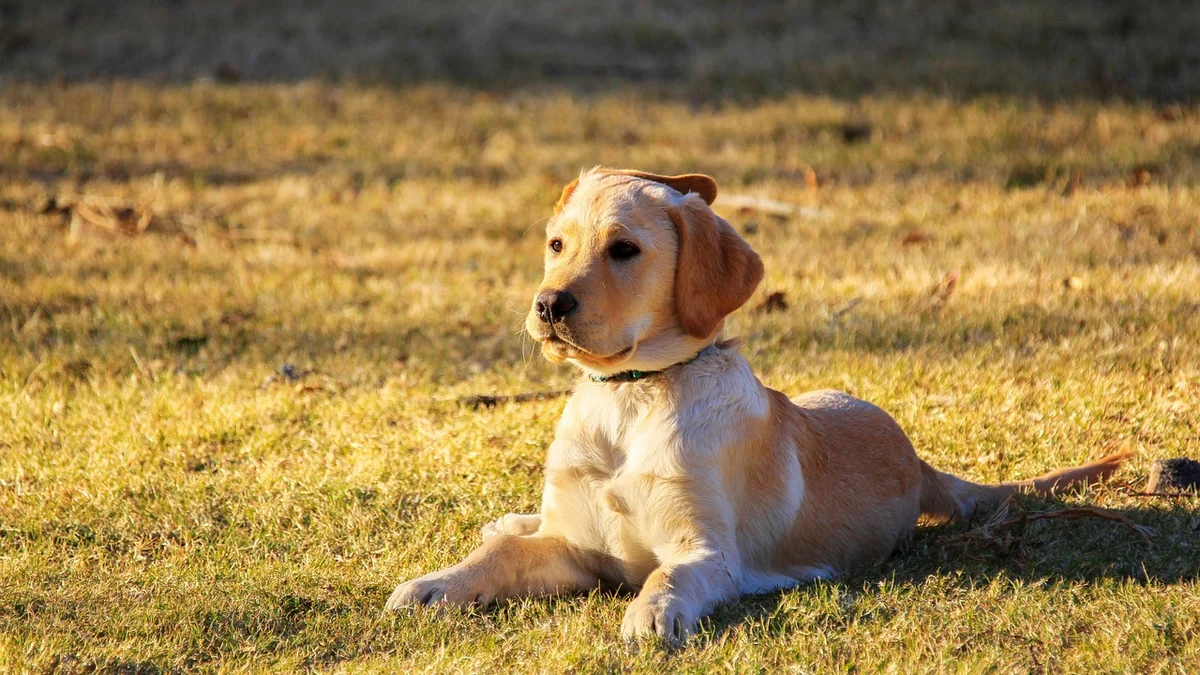
Rabies is one of the few infections with a mortality rate near 100% if not treated immediately after exposure — and Vietnam still records 70–100 human deaths annually, mostly from unvaccinated dogs. The good news: rabies is entirely preventable through regular pet vaccination, costing just 150,000–250,000 VNĐ (roughly 6–10 USD) per dose. If you're raising a dog or cat in Vietnam — whether in HCMC, Hanoi, or elsewhere — understanding rabies recognition, vaccination, and emergency response is essential knowledge.
What is rabies and what's the current situation in Vietnam?
Rabies (Lyssavirus encephalitis) is an acute brain inflammation spread primarily through saliva via bite wounds or exposure of broken skin to an infected animal. In Vietnam, dogs are responsible for 96–97% of human rabies cases; cats account for a smaller but still significant percentage. Each year, the country records 70–100 rabies deaths, concentrated in mountainous northern regions and the Central Highlands — areas where pet vaccination rates remain below 50%. Urban centers like HCMC and Hanoi have higher vaccination coverage (60–70%), but free-roaming dogs and strays in alleys and parks still pose a real risk.
How does the rabies virus spread and persist?
- Transmission route: Saliva from an infected animal enters through bite wounds, scratches, or contact with mucous membranes (eyes, mouth, nose). The virus does not spread through air or casual fur contact.
- Incubation period in dogs/cats: average 2–8 weeks, potentially extending to 6 months depending on bite location and viral load.
- Incubation period in humans: 1–3 months, rarely up to 1 year.
- Urban risk factor: High population density in HCMC means more uncontrolled dog-to-dog and human-to-dog contact in residential areas and public spaces — increasing exposure risk compared to rural zones.
What are the early symptoms of rabies in dogs and cats?
Pets with rabies typically progress through 2–3 distinct phases. Early (prodromal) signs are subtle and easily missed — just behavioral changes — but the later stages are unmistakable. Catching signs early helps contain risk and protect household members.
Three stages of rabies in dogs:
Stage 1 — Prodromal phase (1–3 days):
- Sudden personality shift: a normally friendly dog becomes restless and irritable; an active dog becomes withdrawn and hides in dark spaces.
- Licking or biting at the original bite site repeatedly.
- Mild fever (39–40°C), loss of appetite.
Stage 2 — Furious phase (2–4 days):
- Uncontrolled biting, unresponsive to owner, hypersensitivity to light and water (hydrophobia).
- Excessive drooling, altered bark or voice (hoarse or unusually high-pitched).
- Random wandering, potentially traveling many kilometers without direction.
Stage 3 — Paralytic phase (1–2 final days):
- Jaw paralysis, hind limb paralysis, inability to swallow.
- Coma and death within 3–7 days of neurological symptom onset.
> Critical note: Not every case progresses through all three stages in order. "Dumb rabies" (paralytic form without aggression) accounts for ~20% of cases — an infected dog simply becomes progressively paralyzed and may be mistaken for another illness. Any sudden behavioral or neurological change warrants immediate veterinary attention.
Can a vaccinated dog or cat still get rabies?
Rabies vaccine provides 95–98% protection when administered on schedule and in correct dosage — currently the most effective rabies prevention method available. However, vaccine only works if kept current. Missing booster appointments allows antibody levels to drop below the protective threshold, significantly raising infection risk.
Standard rabies vaccination schedule in Vietnam:
- Age/Timing — Action
- 3+ months — First rabies vaccine
- 1 year after first dose — First booster
- Every 1–3 years thereafter — Routine booster (interval per vet guidance and vaccine type)
Cost in HCMC: 150,000–250,000 VNĐ (roughly 6–10 USD) per dose at a reputable clinic. This is one of the highest-ROI health investments — protecting your pet and everyone around them.
Key points before vaccination:
- Your pet must be in perfect health: no fever, no diarrhea for 48 hours before the appointment.
- Do not combine rabies vaccine with other vaccines on the same day unless explicitly advised by your vet.
- Keep vaccination records carefully — these are legally required proof if your pet ever bites someone.
Every pet that leaves Mật Pet Family comes with a complete vaccination record and a personalized booster reminder schedule tied to age milestones, ensuring no critical dose is missed.
What's the correct protocol if someone is bitten by a dog or cat?
The golden rule after any bite: immediately wash the wound with soap and water for at least 15 minutes, then seek medical evaluation within 24 hours for assessment and post-exposure prophylaxis (PEP) if warranted. Do not wait for symptoms — once clinical signs appear, treatment is too late.
Step-by-step bite response:
On the spot (first few minutes):
- Wash the bite wound thoroughly with soap and clean water for at least 15 minutes — this single step reduces viral load by ~90%.
- Apply 70% alcohol or iodine solution after washing.
- Do not squeeze, do not apply a tight bandage immediately — keep the wound open to reduce infection risk.
Within 24 hours — go to a medical facility:
- Report clearly: Was the biting animal vaccinated? What is its current status (alive, sick, missing)?
- The doctor will classify the wound according to WHO guidelines: Category I (non-serious), Category II (vaccine needed), Category III (rabies immunoglobulin + vaccine needed).
- Cost of post-exposure treatment in Vietnam: 1.5–3.5 million VNĐ for a complete vaccine regimen; significantly higher if rabies immunoglobulin is required.
Monitor the biting animal for 10 days:
- If the animal remains alive and healthy after 10 days, rabies risk drops substantially.
- If the animal becomes ill, dies, or disappears during this window, inform the medical facility immediately — it may change treatment recommendations.
Is rabies risk higher in major Vietnamese cities for expats?
In HCMC and other large cities, rabies vaccination rates for pets are higher than rural areas — estimated 60–70% of registered pets have complete vaccine documentation. That said, risk is not zero: stray dogs, lost pets in residential alleys, and free-roaming animals in parks and housing compounds remain potential sources of exposure, especially for young children and elderly household members.
High-risk scenarios in Vietnamese urban centers:
- Free-roaming pets in neighborhoods: unsupervised contact with unknown dogs in parks, alleys, and residential compounds.
- Pet sourcing without documentation: acquiring a dog or cat from an unclear origin; no vaccine record or health history increases hidden risk.
- Young children under 10: tend to be bitten on the face and head — anatomically closer to the brain, resulting in shorter incubation and higher mortality.
- Contact with wildlife: bats, civets — rare in urban areas but documented rabies reservoirs in Vietnam.
Choosing a pet from a transparent, documented source with complete vaccination history — such as the purebred dogs and cats at Mật Pet Family and cat catalog — is the first line of defense for your household.
How much does rabies prevention actually cost in Vietnam?
Rabies vaccination for pets is one of the most cost-effective health measures available. A single annual booster costs 150,000–250,000 VNĐ, while post-exposure treatment for a human bite victim runs 1.5–3.5 million VNĐ — and that's just for the vaccine regimen, before any other medical complications. Prevention is not only safer; it's significantly cheaper.
Comparative cost breakdown in HCMC:
- Item — Estimated Cost
- Rabies vaccine for dog/cat (1 dose) — 150,000–250,000 VNĐ (~6–10 USD)
- Full vaccination + exam package — 500,000–1,200,000 VNĐ (~20–48 USD)
- Rabies immunoglobulin for human (Category III exposure) — 3,000,000–8,000,000 VNĐ (~120–320 USD)
- Human post-exposure vaccine regimen (5 doses) — 1,500,000–3,500,000 VNĐ (~60–140 USD)
> Figures are approximate and vary by facility and vaccine type. Contact your local vet clinic and district health center for current pricing.
Common questions about rabies in dogs and cats in Vietnam
If my pet is fully vaccinated and bites someone, is rabies transmission still possible?
If your pet has completed the full rabies vaccination series and booster schedule, the chance of transmitting rabies is extremely low — vaccine efficacy is 95–98%. However, the bite victim should still seek medical evaluation and wound care immediately. No prevention method is 100% foolproof, and documentation of your pet's vaccination status will be critical in reassuring medical providers and authorities.
Can cats carry and transmit rabies like dogs?
Yes. Cats are competent rabies hosts, though the percentage of cat-related human cases is lower than dogs in Vietnam. Outdoor cats, especially those with unsupervised contact with other animals, can contract and shed the virus. Regular rabies vaccination for all cats — particularly outdoor or semi-outdoor cats — is strongly recommended by the World Health Organization (WHO) and all veterinary authorities.
Is rabies treatable once symptoms start in a pet?
No. Once clinical rabies signs appear, the disease is virtually 100% fatal in animals and humans alike. Fewer than 20 people worldwide have ever survived rabies after symptom onset. Post-exposure prophylaxis (vaccination and immunoglobulin immediately after exposure, before symptoms) is the only effective intervention. This is why immediate wound care and medical evaluation after a bite is non-negotiable.
At what age can puppies and kittens receive rabies vaccine?
In Vietnam, rabies vaccine is administered starting at 3 months of age. Vaccinating earlier, when maternal antibodies are still circulating, can reduce vaccine effectiveness. Follow your veterinarian's recommended timeline based on your pet's age and health status.
If I'm bitten by my own pet at home, do I still need to go to a hospital?
Yes. Even if the animal is your own and shows no symptoms, wound care and medical evaluation are essential. Assessment will depend on: (1) whether your pet has current rabies vaccination, (2) the severity of the wound. Do not assume familial relationship equals safety. Contact your local health center or hospital — they will advise based on your pet's vaccine status and the wound classification.
In Vietnam, is a pet owner legally liable if their pet bites someone?
Yes. Vietnamese law requires pet owners to maintain current rabies vaccination and strict control of their animals. If a pet bites someone and causes injury, the owner can be held civilly liable for medical expenses and damages. Beyond finances, rabies transmission can be fatal — this is both a health and legal obligation.
Mật Pet Family's role in keeping your household safe
After 15 years caring for over 10,000 pets in HCMC and surrounding areas, we know that vaccine anxiety is real. Every pet that comes home through Mật Pet Family arrives with complete vaccination documentation, a personalized booster reminder schedule, and ongoing support from our team. We are not just selling a pet — we are partnering with your family for a lifetime of health.
If you have questions about your pet's vaccination timeline, want to verify booster dates, or simply need reassurance about an unusual behavior — we are here to help.
📞 Consultation hotline: 0939 863 696 (English-speaking staff available) 🏠 Visit Mật Pet Family showroom in HCMC to meet our team and discuss personalized health plans for your pet.
Additional resources:
- Pet Vaccination Schedule in Vietnam — Which Vaccines, When, and Cost
- Mật Pet Family Health Warranty Policy
- Complete Pet Care Guide
Your pet's safety is your family's peace of mind — and we stand with you every step of the way.
Related articles

Joint Arthritis in Dogs & Cats in Vietnam — Early Signs, Root Causes, and Long-Term Management for Expats

High Blood Pressure in Dogs and Cats in Vietnam — Early Detection, Causes, and Long-Term Management for Expats

Feline Herpesvirus in Cats — Early Recognition, Causes, and Long-Term Management in Vietnam
Interested in pets from Mật Pet?
15 years of trust · 10,000+ pets delivered to Vietnamese families · Free 30-day health warranty · Nationwide delivery.