
Traveling with Your Pet in Vietnam — How to Prepare, Which Transport to Use, and Where to Go
Complete guide to traveling with dogs and cats in Vietnam: documents, transport options, pet-friendly destinations. Expert advice from Mật Pet Family — 15 years of experience.
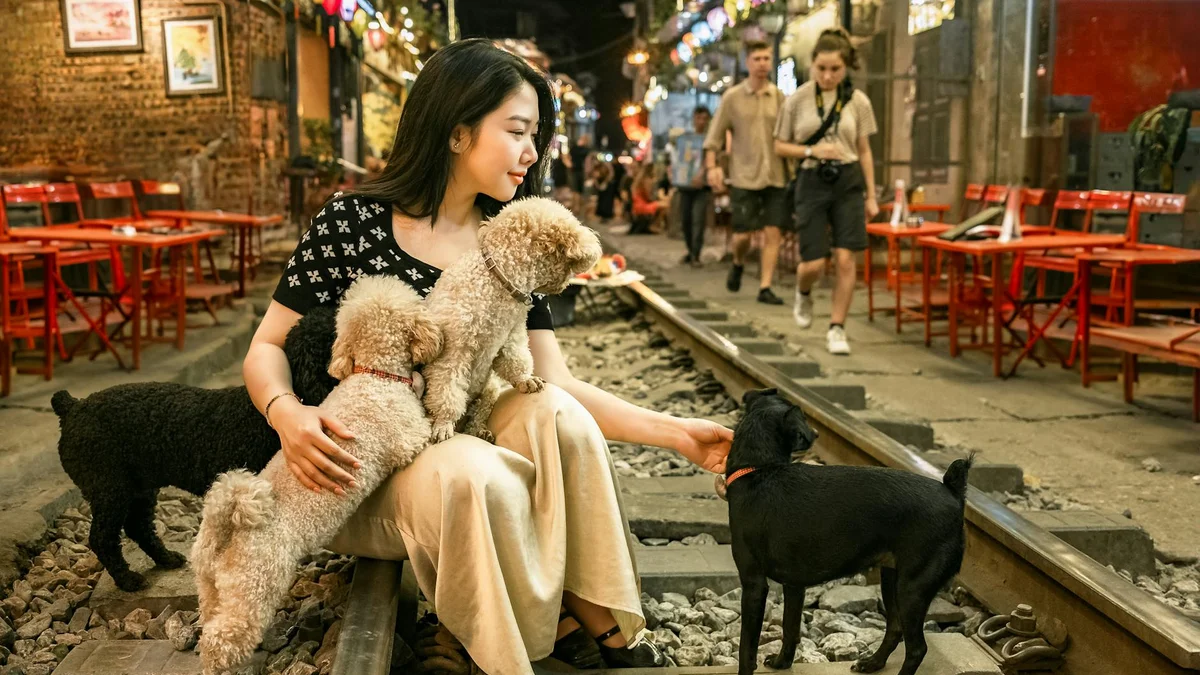
More and more people living in Vietnam — locals and expats alike — are choosing to bring their dogs and cats along on trips, whether it's a long weekend in Đà Lạt or a week-long beach escape to Phú Quốc. It's a genuinely rewarding experience, but traveling with a pet here requires considerably more planning than traveling solo. Documents, transport logistics, pet-friendly accommodation — all of it needs to be sorted at least 2–4 weeks in advance.
This guide covers everything you need to know as someone based in Vietnam, with extra notes for expats who may be navigating this for the first time in an unfamiliar system.
What do I need to prepare before traveling with my pet in Vietnam?
At minimum, prepare these before any trip: a valid vaccination record (rabies vaccine within the last 12 months), a health certificate from a licensed vet clinic, a correctly-sized travel carrier, and an ID tag on your pet's collar. Missing any one of these can result in your pet being turned away at the accommodation, airline check-in counter, or even a shared shuttle service.
Required documents and ID
- Vaccination booklet: Rabies vaccine must be current (within 12 months). A combined 5-in-1 or 7-in-1 vaccine should also be up to date. Many resorts now ask for a photo of the vaccination booklet before confirming a booking — have a clear scan ready.
- Vet health certificate: Issued by a registered veterinary clinic, stamped, and noting your pet's current health status and weight. Cost is typically 100,000–200,000 VND (roughly 4–8 USD) per visit.
- ID tag or microchip: The tag should show your pet's name and your phone number. A microchip (implanted by a vet) costs around 200,000–350,000 VND (8–14 USD) and is the most reliable form of ID if your pet gets lost in an unfamiliar place. Strongly recommended for any trip.
- Travel carrier: Must be large enough for your pet to stand, turn around, and lie down comfortably. For small dogs under 8 kg, a soft-sided carrier of roughly 40×25×25 cm (or larger) is the standard starting size.
Health prep and getting your pet used to travel
If your dog or cat has never traveled before, spend 1–2 weeks acclimatizing them: put them in the carrier for 30–60 minutes a day, then graduate to short car or motorbike rides. Pets that get seriously carsick may need anti-nausea medication prescribed by a vet. Do not give human motion-sickness medication to a pet — the dosages are completely different and some human formulations are toxic to animals.
> Expat note: If you're new to Vietnam and need an English-speaking vet, check the pinned recommendations in expat Facebook groups ("Expats in Ho Chi Minh City", "Expats in Hanoi", Internations HCMC) — these are frequently updated and more reliable than a generic Google search. Always book at least one pre-trip vet visit to get your health certificate and discuss any travel concerns.
Which transport options work best for traveling with a pet in Vietnam?
A private car is by far the most practical option: you control the temperature, the schedule, and there's no risk of being turned away. Most long-distance coaches and public buses do not accept pets, and stowing an animal in the luggage compartment is neither safe nor recommended. Trains and domestic flights have their own rules — both are workable but require advance planning.
Private car
- Keep the AC at 24–26°C — not colder. The sudden shift from 35–38°C outside into a much colder car can cause respiratory stress. A moderate, stable temperature is better than blasting cold air.
- Stop every 2–3 hours so your pet can stretch, relieve themselves, and drink water. Don't skip this even if your pet seems settled.
- Never let your dog hang their head out of an open window while the car is moving — debris and insects can cause serious eye and ear injuries.
- Secure the carrier with a seatbelt strap or place it on the floor behind the front seats to prevent it sliding during hard braking.
Domestic flights
Vietnam's domestic carriers — Vietnam Airlines, VietJet, and Bamboo Airways — allow pets to travel as checked baggage only. Unlike some international airlines, none currently permit pets in the cabin on domestic routes. Key points:
- Maximum weight is generally 32 kg including the carrier.
- Pet surcharge ranges from 200,000–600,000 VND (8–24 USD) per one-way leg, varying by airline and route.
- Book your pet's spot at least 48–72 hours in advance — pet spaces are limited and fill up. You'll need to present the health certificate at check-in.
- The cargo hold is pressurized and temperature-controlled, but it's loud and there's significant vibration. If your pet has heart or respiratory issues, consult your vet before booking.
> Expat note for relocation: If you're planning to eventually move a pet out of Vietnam (to Europe, Australia, the US, or elsewhere), the requirements are considerably more complex — microchipping, rabies titer tests, specific health certificates, and often a waiting period of several months. Start that process early, work with a vet familiar with export paperwork, and verify current rules with the destination country's embassy or agricultural authority. Regulations change frequently.
Train
Vietnam Railways doesn't have a clear unified policy on pets. In practice, many passengers carry small pets in closed bags without declaring them — but this is a grey area with real legal risk. If you want to travel by train, contact the departure station directly to confirm current policy before you book. Rules can vary by route and staff discretion.
Where in Vietnam can I actually take my pet — accommodation and destinations?
Vietnam's pet-friendly travel scene has grown quickly, particularly between 2022 and 2024. Đà Lạt and Hội An lead the way, with the highest concentration of pet-accepting homestays, cafés, and small resorts. Phú Quốc and Đà Nẵng are catching up fast. That said, "pet-friendly" labeling is inconsistent — always confirm directly with the property.
How to find pet-friendly accommodation
- Use the pet-friendly filter on Booking.com or Airbnb — as of 2024, there are 200+ properties in Vietnam tagged this way.
- Facebook groups like "Pet Friendly Vietnam" and "Du lịch cùng boss" (Vietnamese but internationally active) carry real, recent reviews from pet owners.
- Always call ahead, even if the website says pets are welcome. Many properties only accept pets under 5 kg, charge a nightly surcharge of 100,000–300,000 VND (4–12 USD), or allow pets in the garden but not inside rooms.
Destination overview by region
- Region — Destinations — Notes
- South — Phú Quốc, Vũng Tàu, Đà Lạt — Private villas easiest; beach resorts increasingly pet-friendly
- Central — Hội An, Đà Nẵng, Mũi Né — Many small homestays are flexible and welcoming
- North — Sapa, Ninh Bình, Hạ Long — Fewer options; research thoroughly before booking
For expats based in HCMC, Đà Lạt (roughly 6–7 hours by car) and Vũng Tàu (2 hours) are the most accessible weekend options. From Hanoi, Ninh Bình and Sapa are popular though pet-friendly options in the north are more limited.
How do I keep my pet healthy and safe throughout the trip?
Travel stress, dehydration, motion sickness, and exposure to unfamiliar pathogens are the four main risks. The core principle is to keep three things consistent: feeding schedule, familiar-smelling items (a blanket or toy from home), and daily activity level. Don't change your pet's food mid-trip.
Health checklist for the road
- Water: Bring water from home or use bottled water. Avoid letting your pet drink from ponds, rivers, or standing water at tourist sites — these can carry parasites.
- Food: Pack enough of your pet's regular food for the entire trip. Switching brands or formulas mid-journey is a fast route to digestive upset.
- Flea and tick prevention: Apply a spot-on treatment or fit a preventive collar 24–48 hours before departure, especially if you're heading anywhere with grass, forest trails, or beach vegetation.
- Mini first-aid kit: Gauze, saline solution, vet-prescribed anti-diarrhea medication, and — critically — the phone number of a vet clinic near your destination.
- Heat management: Southern Vietnam regularly hits 33–40°C. Thick-coated breeds — Huskies, Corgis, Chow Chows, Golden Retrievers — are at serious risk of overheating. Keep them off hot surfaces and out of direct sun between 10am and 3pm. Always have cool water and shade available.
With more than 15 years of experience working with pets since 2011, the Mật Pet Family team has seen thousands of travel-related health issues come through the door. The two most common causes: untreated motion sickness that escalates into dehydration, and overheating on hot days. Both are entirely preventable with the right preparation.
What are the basic etiquette rules for taking my pet to public places in Vietnam?
Vietnam doesn't have comprehensive national laws governing pets in public spaces — enforcement varies widely by city and venue. But responsible behavior is what keeps more places open to pets over time. The rule of thumb: always leash up, always clean up, always ask permission before entering a venue.
Do's and don'ts
Do:
- Use a leash no longer than 2 metres in busy areas; switch to a shorter 0.8–1 metre lead in alleys, lifts, and tight spaces.
- Carry waste bags — available at any pet shop for around 15,000–30,000 VND (0.60–1.20 USD) per box of 50 bags.
- Fit a muzzle on large dogs (15 kg+) in crowded spaces or when a venue requests it.
- Let strangers approach on their terms — encourage them to extend a hand first rather than pushing your pet toward them.
Don't:
- Let your pet interact with stray dogs, cats, or wildlife at tourist destinations — disease transmission risk is real.
- Accept food for your pet from strangers or share restaurant food — heavy seasoning, onion, garlic, and xylitol (common in sweets and some drinks) are all toxic to dogs and cats.
- Leave your pet in a parked car in the sun. In Vietnamese conditions, the interior temperature can exceed 50°C within 10 minutes — this is fatal. Not worth the risk, ever.
How much does it cost to bring a pet on a trip in Vietnam?
Budget for an additional 500,000–2,500,000 VND (20–100 USD) per trip, depending on transport mode and destination. The biggest variable costs are accommodation surcharges and flight fees — not food or accessories.
Estimated additional costs
- Item — Estimated Cost
- Vet health certificate — 100,000–200,000 VND (4–8 USD)
- Domestic flight pet surcharge (one way) — 200,000–600,000 VND (8–24 USD)
- Pet-friendly accommodation surcharge (per night) — 100,000–300,000 VND (4–12 USD)
- Motion sickness medication (if needed) — 50,000–150,000 VND (2–6 USD)
- New travel carrier (if needed) — 200,000–800,000 VND (8–32 USD)
- Waste bags and small accessories — 50,000–100,000 VND (2–4 USD)
If you already own a suitable carrier and are driving to a destination that doesn't charge a pet surcharge, your only out-of-pocket extras may be the health certificate and preventive medication — as little as 100,000–200,000 VND (4–8 USD) total.
For a full range of travel-ready pet accessories — carriers, leashes, collapsible water bowls, and more — browse the accessories catalog at matpet.vn/phu-kien or visit the Mật Pet Family showroom in HCMC to get hands-on advice before your trip.
FAQ — Traveling with Pets in Vietnam (Expat Edition)
Do I need any special documents to travel with my pet domestically in Vietnam?
There's no "pet passport" required for domestic travel in Vietnam, but you should carry your pet's vaccination booklet (especially proof of a current rabies vaccine) and a stamped health certificate from a vet clinic. Airlines require these at check-in, many resorts ask for them at booking, and shared transport services may also check. Keep digital copies on your phone as backup.
Can I bring my pet into the cabin on a domestic flight in Vietnam?
No — all three major domestic carriers (Vietnam Airlines, VietJet, Bamboo Airways) currently require pets to travel as checked baggage in an IATA-compliant carrier. Pets are not permitted in the passenger cabin on any domestic Vietnamese route. Check directly with the airline before booking as policies can change, and book your pet's spot at least 48–72 hours ahead.
My pet gets carsick — what should I do?
Signs of motion sickness include excessive drooling, vomiting, trembling, and going very still. If it happens: stop the car, let your pet out in a safe spot, offer a small amount of water, and allow 15–20 minutes for them to recover. If symptoms don't improve, contact a vet. For future trips, ask your vet about prescription anti-nausea medication for pets — do not use human formulations.
Should I bring my pet with me or leave them with a sitter?
It depends on trip length and your pet's health. For trips of 3 days or less with a healthy pet: bringing them along is usually better — sudden separation can cause anxiety. For trips longer than a week, or for elderly pets or those managing chronic conditions: boarding them with a reputable pet care facility where they're known and comfortable is generally the safer, less stressful option.
How do I verify that a hotel or homestay is genuinely pet-friendly — not just labeled that way?
Call directly and ask specific questions: maximum pet weight allowed, number of pets permitted, nightly surcharge amount, and whether pets are allowed in the room or only in outdoor areas. Don't rely on a "pet-friendly" icon on a booking website — many properties allow pets in the garden only, or have weight limits not mentioned in the listing.
When should I leave my pet at home instead of bringing them?
Don't travel with your pet if they are: recovering from surgery (within 4 weeks), undergoing treatment for a chronic condition requiring daily monitoring, or newly adopted and have been home for less than 2 weeks. A newly homed pet needs time to establish a sense of security before being taken to unfamiliar environments. If you're unsure, ask your vet — they know your pet's specific situation.
I'm an expat planning to eventually move my pet out of Vietnam — what should I know?
Relocating a pet internationally from Vietnam is a separate, considerably more involved process. It typically requires a microchip, a rabies antibody titer test (and potentially a waiting period of 3–6 months after the test), specific health certificates, and import permits from the destination country. Requirements differ significantly between countries — the rules for moving a pet to Australia, for example, are very different from those for Germany or the US. Start the process at least 6 months before your planned departure, work with a vet experienced in international pet export, and verify current requirements with the destination country's official agricultural or veterinary authority. Regulations change regularly — don't rely on secondhand information.
Ready to travel with your pet? Mật Pet Family can help you prepare
Whether you need the right-sized travel carrier, a full set of essential accessories for your dog or cat, or want to understand our pet health warranty policy before heading out — the team at Mật Pet Family has been helping families and their pets since 2011, and we're happy to help you plan a safe, stress-free trip.
Visit the Mật Pet Family showroom in Ho Chi Minh City for in-person advice, or call 0939 863 696 to speak with the team before your trip. English support is available — just let us know how we can help.
For more guides on pet care in Vietnam, visit the Mật Pet Family English blog.
Related articles
Designing a Pet-Friendly Home Office in Vietnam — Space Layout, Equipment & How to Balance Work and Your Dog or Cat

Pet Photography Through Vietnam's Four Seasons — Lighting, Backgrounds & Tips for Year-Round Beautiful Shots
Saying Goodbye to Your Pet — A Compassionate Guide to Grief, Memory, and Healing for Expat Families in Vietnam
Interested in pets from Mật Pet?
15 years of trust · 10,000+ pets delivered to Vietnamese families · Free 30-day health warranty · Nationwide delivery.