
Bringing Home a New Kitten in Vietnam — First Week Setup, Feeding Schedule, and Vaccination Guide for Expats
Just adopted a kitten in Vietnam? Mật Pet Family covers first-week setup, feeding by age, vaccination schedules, and vet warning signs — practical guide for expats.
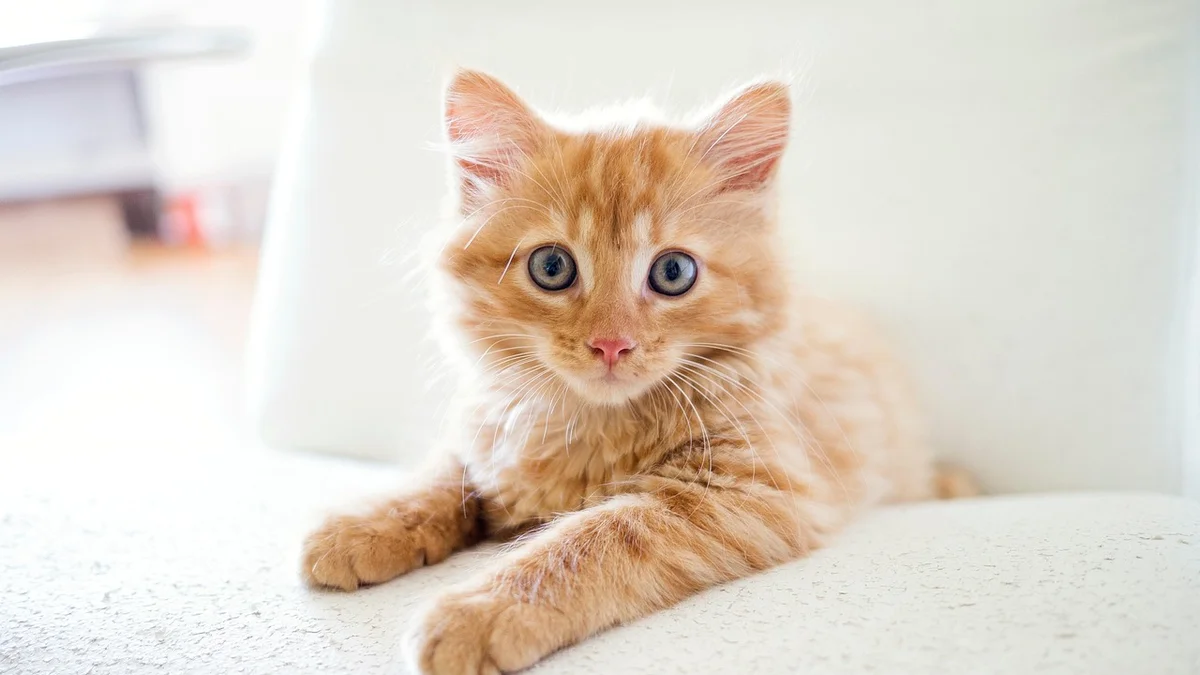
Bringing a kitten home is genuinely exciting — and genuinely overwhelming. Vietnam's climate, the local pet food market, and the Vietnamese vet system all work a little differently from what most expats are used to. This guide distills 15 years of experience (10,000+ cats and dogs cared for since 2011) into a practical, no-fluff checklist for your kitten's first weeks in a Vietnamese home.
What do I need to set up before my kitten arrives — and what happens in the first 48 hours?
Before your kitten walks through the door, prepare a small, quiet room (5–10 m²) with a sleeping nest, a low-sided litter tray, and food and water bowls. Keep the space calm for the first 48 hours — resist the urge to hold the kitten constantly or introduce it to children and other pets right away. Kittens under 12 weeks need at least one to two days to absorb new smells and sounds before socialising heavily.
Setting up the right environment in Vietnam's climate
Kittens aged 8–12 weeks have unstable body temperature regulation and are highly sensitive to sudden environmental changes. In Ho Chi Minh City and the southern provinces, outdoor temperatures routinely hit 33–40°C. Set your air conditioning to 26–28°C in the room where your kitten sleeps — but don't position the bed directly in the path of the cold airflow.
Here's what to have ready before you pick up your kitten:
- Sleeping nest with sides 10–15 cm high, lined with a soft, clean cloth (avoid fabric softeners with strong fragrances)
- Litter tray with sides no higher than 10 cm so the kitten can climb in easily; place it at least 1 metre away from the food bowls
- Food and water bowls made of ceramic or stainless steel — avoid plastic, which harbours bacteria and can cause feline acne on the chin
- An isolation room for the first 3–5 days, then gradually open up more of the apartment
If you already have a dog or another cat: keep them fully separated for at least 7–10 days. Let them sniff each other under the door before any face-to-face meeting. This applies even if the resident pet is fully vaccinated — stress-induced illness in the new kitten is the bigger risk here.
Expat apartment note: Most expats in HCMC and Hanoi live in high-rise apartments. A kitten-proofed bathroom or spare bedroom works perfectly as an isolation room. Check that window screens are secure — kittens are surprisingly fast climbers and a balcony can become a hazard within days.
What should I feed my kitten, and how much do they need each day?
Kittens aged 8–12 weeks need 4–5 small meals per day totalling roughly 200–250 kcal — primarily wet food (pâté or mousse), supplemented with kitten-formula dry kibble softened in warm water. This growth phase is critical: nutritional shortfalls at this stage directly affect bone density, coat quality, and immune function.
Feeding schedule by age
8–12 weeks:
- 4–5 meals per day, spaced 3–4 hours apart
- Wet food as the base (easier to digest, adds hydration); mix in softened kitten-formula dry kibble if desired
- Water intake target: 60–80 ml per kg of body weight per day — a shallow, wide water bowl or a pet fountain works well in Vietnam's heat
3–6 months:
- Reduce to 3 meals per day
- Gradually increase the proportion of dry kitten kibble (look for protein ≥ 30%, fat ≥ 15% on the label)
- Target weight: 1–2.5 kg depending on breed
6–12 months:
- 2–3 meals per day; begin transitioning to a "junior" or "adult" formula from around month 9–12
- Target weight: 2.5–4 kg for domestic shorthairs, 3–6 kg for larger breeds like Maine Coon or Ragdoll
What's available in Vietnam: Widely sold kitten foods include Royal Canin Kitten, Hill's Science Diet Kitten, Whiskas Kitten, and Ciao Pâté. Prices run roughly 80,000–350,000 VND (3–14 USD) per pack depending on brand and size — available at most pet stores and supermarkets in HCMC and Hanoi.
What to avoid: Do not feed plain rice, salty braised fish (a common Vietnamese home staple), or any food made for adult humans. The sodium levels are far too high for a developing kitten's kidneys and can cause early-onset renal damage.
What is the correct vaccination schedule for a kitten in Vietnam?
Kittens need a three-dose core vaccine series between 8 and 16 weeks of age, followed by annual boosters. In Vietnam, the two most commonly used vaccines are FVRCP (covering feline viral rhinotracheitis, calicivirus, and panleukopenia) and Rabies. A full initial vaccination course at a reputable clinic typically costs 300,000–700,000 VND (12–28 USD).
Kitten vaccination schedule — week by week
- Age — Vaccine — Notes
- 8 weeks — FVRCP — dose 1 — Full health check before vaccinating
- 12 weeks — FVRCP — dose 2 + FeLV (if outdoor access) — FeLV = feline leukaemia virus
- 16 weeks — FVRCP — dose 3 + Rabies — dose 1 — Rabies essential for any cat with human contact
- 12–15 months — FVRCP booster + Rabies booster — Annual maintenance
Key rules: Never vaccinate a kitten that is unwell, has diarrhoea, or has been dewormed fewer than two weeks ago. Deworm first — at around 6–8 weeks — before starting the vaccine schedule. Deworming products (spot-on or tablet) cost roughly 30,000–120,000 VND (1.20–4.80 USD) per dose at any pet pharmacy.
Kittens adopted from Mật Pet Family come with a detailed vaccination record and are covered under the Mật Pet Family health warranty — the only written pet health warranty policy in Vietnam, giving you real assurance from day one.
Expat note — finding an English-speaking vet in Vietnam: Vet quality and language capability vary widely. Ask in expat Facebook groups ("Expats in Ho Chi Minh City," "Hanoi Expats") or on Internations for current recommendations. International-standard clinics exist in HCMC and Hanoi and are comfortable with vaccine records from overseas if you're relocating a pet into Vietnam. For general guidance on vaccine paperwork for pets entering or leaving Vietnam, speak directly with your chosen vet and check current USDA/APHIS or equivalent authority guidelines — regulations change and your vet will have the most up-to-date local requirements.
How do I get my kitten to use the litter tray from day one?
Kittens as young as 8 weeks already have an instinct to dig and eliminate in loose substrate — you just need to guide it. Place the tray in the kitten's room, and after every meal (or whenever you notice the kitten sniffing the floor), gently place it in the tray. Repeat this 5–7 times over the first 2–3 days and the habit forms naturally.
Choosing the right litter for Vietnam's humidity
High humidity — especially in HCMC and central Vietnam — means odour control matters more here than in temperate climates. Three practical options:
- Bentonite (clumping) litter: excellent moisture absorption, forms firm clumps, easy to scoop; widely available at 60,000–150,000 VND (2.40–6 USD) per 5 kg bag
- Silica crystal litter: outstanding odour control, very low dust — ideal for apartments; roughly 90,000–200,000 VND (3.60–8 USD) per 3–4 litre bag
- Tofu litter: biodegradable, flushable down a toilet — convenient for high-rise living; around 80,000–180,000 VND (3.20–7.20 USD) per 6 L bag
Fill the tray to at least 5 cm depth so the kitten can dig and cover properly. Clean it at least once daily — cats have a much stronger sense of smell than we do, and a dirty tray will push them to find alternatives. Replace all litter completely once or twice a week.
If your kitten goes outside the tray: don't punish after the fact — cats don't connect punishment to a past action. Clean the spot thoroughly with an enzyme-based cleaner (avoid bleach — the chlorine smell can actually attract cats back to the same spot) and quietly redirect your kitten to the tray.
What health problems are most common in kittens, and what warning signs should I watch for?
Kittens under 6 months are most vulnerable to four issues: diet-change diarrhoea, intestinal parasites, upper respiratory infections, and ringworm (fungal skin infection). Early recognition — within 24–48 hours of first symptoms — is critical, because kittens dehydrate dangerously fast. With over 10,000 pets cared for across 15 years, the Mật Pet Family team has seen that the majority of kitten emergency cases involve owners who waited longer than 48 hours after the first warning signs appeared.
Warning signs that mean "go to the vet now"
Digestive:
- Loose stools more than twice in one day, or any blood in stool → vet within 24 hours
- Vomiting more than 3 times in one day → don't wait, go immediately
Respiratory:
- Clear nasal discharge with occasional sneezing → monitor for 1–2 days, ensure good hydration
- Green or yellow discharge, wheezing, loss of appetite → vet immediately
Skin and coat:
- Circular bald patches with scaly skin → suspect Microsporum ringworm — this is transmissible to humans, so act quickly
- Intense scratching and repeated ear-scratching → check for ear mites (Otodectes)
Emergency indicators — call a vet immediately if you see:
- No eating for more than 24 hours
- Lethargy, unresponsive to being touched or called
- Pale or yellowed gums
- Simultaneous vomiting and diarrhoea in a kitten under 12 weeks
If you're new to Vietnam and unsure which vet to trust, ask in expat communities before an emergency arises — it's much easier to find a reliable English-speaking clinic when you're not panicking.
How much does it cost to raise a kitten through the first year in Vietnam?
Budget roughly 8–25 million VND (320–1,000 USD) for year-one costs, not including the purchase price of the kitten itself. The biggest line items are food, litter, and starter accessories.
Estimated first-year cost breakdown
- Category — Estimated Annual Cost
- Food (wet + dry combined) — 3,000,000–6,000,000 VND (120–240 USD)
- Litter — 1,200,000–3,000,000 VND (48–120 USD)
- Vaccinations + deworming — 500,000–1,500,000 VND (20–60 USD)
- Starter accessories (bed, tray, bowls, toys) — 800,000–2,500,000 VND (32–100 USD)
- Routine vet check-ups — 300,000–800,000 VND (12–32 USD)
- Grooming (if needed) — 500,000–2,000,000 VND (20–80 USD)
- Total estimate — 6,300,000–15,800,000 VND (~252–632 USD)
Long-haired breeds (Persian, Ragdoll, Maine Coon) sit at the higher end due to more frequent grooming and premium food requirements. If your kitten develops an illness or has an accident, a single vet visit can add 500,000–5,000,000 VND (20–200 USD) depending on severity — another reason Mật Pet Family's health warranty policy provides meaningful peace of mind.
Expat context — relocating your cat out of Vietnam later: If you plan to take your cat with you when you leave Vietnam, budget for export health certificates, microchipping (if not already done), potential rabies titre tests, and destination-country quarantine fees. These are separate from year-one ownership costs and can range from a few hundred to over a thousand USD depending on destination country. Confirm current requirements with your destination country's embassy and a vet experienced in international pet relocation — rules change frequently.
Frequently asked questions about caring for a new kitten in Vietnam
At what age can a kitten be separated from its mother?
The minimum is 8 weeks — ideally 10–12 weeks. Before 8 weeks, passive immunity from the mother's milk is not fully established and the kitten hasn't yet learned essential social behaviours, which leads to higher rates of respiratory illness and behavioural problems after separation. At Mật Pet Family, kittens are only rehomed once they reach the appropriate age and have received their first vaccine dose.
Do I need to isolate a new kitten from my existing pets?
Yes — for a minimum of 7–14 days, even if the new kitten looks perfectly healthy. Several common feline viruses (herpesvirus, calicivirus) have incubation periods of 3–10 days with no visible symptoms, but the kitten can still transmit the virus to your resident pets. Use a separate room, a separate litter tray, and wash your hands thoroughly before switching between animals.
Is it normal for kittens to sleep so much?
Completely normal. Kittens aged 8–16 weeks sleep 16–20 hours per day as part of their growth cycle. The only time to worry is if heavy sleeping is accompanied by loss of appetite, no reaction when touched, or an unusually cold body temperature. A kitten that sleeps a lot but eats well and plays energetically when awake is perfectly healthy.
Should I get my kitten desexed, and when is the right time in Vietnam?
Yes, unless you have a responsible, planned breeding programme. The recommended window is 5–6 months of age — before the first heat cycle. Desexing significantly reduces the risk of mammary tumours in females and testicular cancer in males, and eliminates urine-spraying territory-marking behaviour. Surgery costs in HCMC run approximately 500,000–1,500,000 VND (20–60 USD) depending on sex and clinic.
Do kittens need baths?
Kittens under 12 weeks generally don't need bathing — the mother grooms them and they self-clean. If a kitten gets genuinely dirty (faeces, grease), use a warm damp cloth rather than a full bath, as the risk of hypothermia is real at that age. From 3 months onward, a proper bath is fine if needed: use water at 36–38°C and dry thoroughly with a towel and low-heat dryer immediately afterward.
My kitten keeps biting and scratching my hands — what should I do?
This is completely normal play and teething behaviour between 8–16 weeks. The fix is simple: never use your hands as a toy. Always redirect to a wand toy, a ball, or a stuffed mouse. The moment the kitten bites too hard, stop play and leave the room for 1–2 minutes. Applied consistently for 7–14 days, this teaches the kitten the boundary without any punishment or stress.
Have questions about your new kitten, or looking to adopt a healthy, health-guaranteed kitten in Vietnam? Contact Mật Pet Family on hotline 0939 863 696 — English support is available. You're also welcome to visit the Mật Pet Family showroom in Ho Chi Minh City in person, where founder Sếp Mai (Ms. Mai) and the team can walk you through breed selection, vaccination planning, and nutrition tailored to your home and lifestyle. Every kitten adopted from Mật Pet Family comes with a health record and Vietnam's only written pet health warranty — so you know exactly what you're bringing home.
Related articles
Pet Care During Tết in Vietnam — Keeping Your Dog or Cat Safe, Calm, and Healthy Through the Holiday
Toilet Training Your Dog or Cat in Vietnam — Step-by-Step Housebreaking, Accident Management, and Building Lasting Habits
Nutrition for Spayed & Neutered Dogs and Cats in Vietnam — Portion Sizes, Food Types, and Post-Surgery Adjustments
Interested in pets from Mật Pet?
15 years of trust · 10,000+ pets delivered to Vietnamese families · Free 30-day health warranty · Nationwide delivery.