
Caring for a Senior Dog or Cat in Vietnam — Nutrition, Health Checks, and Quality of Life for Aging Pets
Complete guide to caring for a senior dog or cat in Vietnam: diet, exercise, common illnesses, costs, and vet check schedules. Advice from Mật Pet Family's 15 years of experience.

Dogs and cats are generally considered "senior" somewhere between ages 7 and 10 — though it varies significantly by breed and body size. What doesn't vary is the fact that their care needs shift considerably once they enter that phase. In Vietnam, many pet owners are caught off guard: the climate, diet habits, and access to specialist veterinary care all create a unique set of challenges for aging pets. This guide draws on over 15 years of hands-on experience at Mật Pet Family, where our team has supported tens of thousands of pets through every stage of life — including the senior years.
At what age is a dog or cat considered "senior," and what are the early warning signs?
Small dogs (under 10 kg) and most cats typically begin showing signs of aging around 10–12 years old. Medium dogs (10–25 kg) enter their senior phase around 8–9 years, while large and giant breeds (over 25 kg) age faster and may be considered senior as early as 6–7 years.
The signs are easy to miss at first, but here's what to watch for:
- Greying around the muzzle and eyes: Common in medium-sized dogs from around year 7–9. In cats it's subtler but noticeable around the face.
- Muscle loss (sarcopenia): The rear thighs thin out, the back develops a slight curve. If your pet's hindquarters look noticeably smaller than they used to, this is a classic sign.
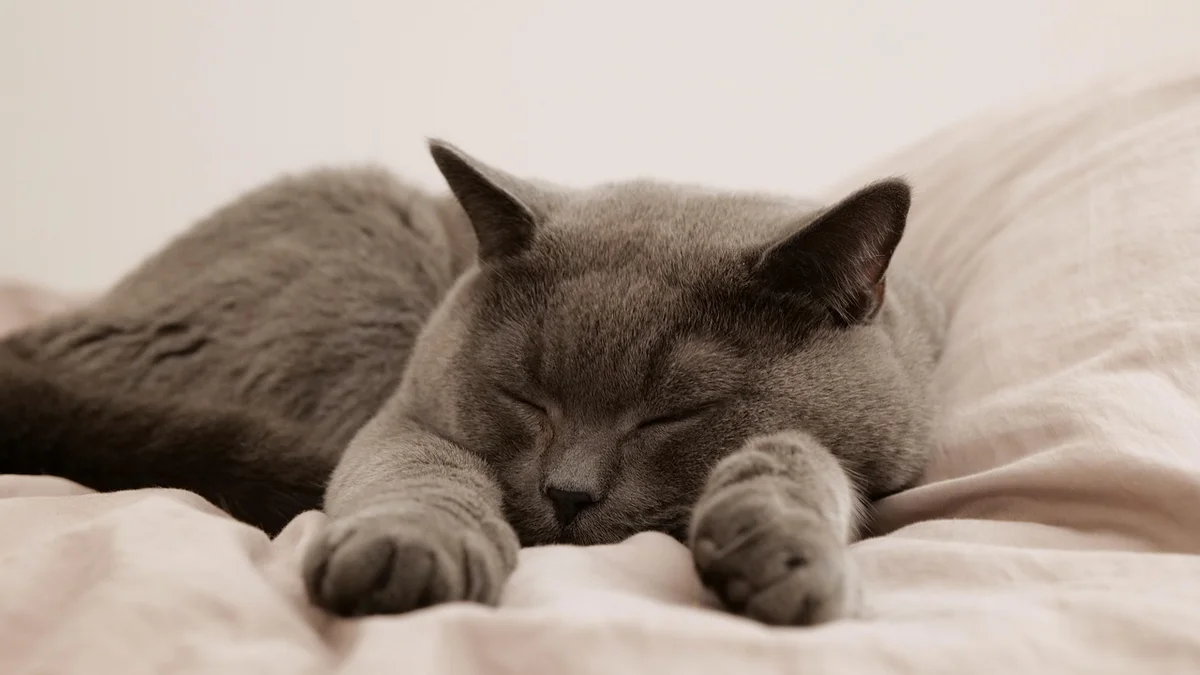
- Sleeping 16–18 hours a day: Up from the 12–14 hours typical of adult pets. Extra rest is normal — but a sudden dramatic increase warrants a vet check.
- Behavioral changes: Staring at walls, getting easily startled, seeming confused or disoriented. These can be signs of Cognitive Dysfunction Syndrome (CDS) — the pet equivalent of Alzheimer's — and are worth discussing with your vet sooner rather than later.
- Drinking significantly more water: If your pet's water intake shoots up above roughly 100 ml/kg/day, that's a red flag for kidney or pancreatic issues. Track it for a few days and bring the data to your vet.
For expats living in Ho Chi Minh City or anywhere in southern Vietnam, there's an additional factor: year-round heat and humidity of 33–38°C accelerates dehydration and physical fatigue in older animals. Senior pets in HCMC need more careful environmental management than they would in a cooler climate — something the care routines below address directly.
How does nutrition for senior dogs and cats differ from younger pets?
Senior pets need highly digestible protein (28–35% for dogs, 35–40% for cats), reduced phosphorus to protect aging kidneys, added Omega-3 for joint inflammation, and soluble fiber for digestive support. Total calorie intake typically drops 20–30% compared to adulthood to prevent obesity — a major risk factor for joint disease.
Here's how to put that into practice:
- High-quality, digestible protein: Look for "Senior" labeled dry food or wet food (pâté) with named protein sources — salmon, chicken, or duck. Avoid products listing generic "poultry by-products" without a clear source.
- Reduced phosphorus: Aging kidneys struggle to process excess phosphorus. A good senior formula typically keeps phosphorus below 0.5% on a dry matter basis.
- Omega-3 supplementation (EPA/DHA): Aim for roughly 50–100 mg of EPA+DHA per kg of body weight per day. Liquid salmon oil added directly to the food bowl works well and is widely available at pet shops in Vietnam for around 150,000–350,000 VND per 250 ml bottle (roughly 6–14 USD).
- Smaller, more frequent meals: Three smaller meals a day rather than two large ones reduces the digestive load on an older gut.
- Soft food or moistened kibble: Many pets over 10 years old develop gum disease or tooth loss that makes dry kibble painful to chew. Adding warm water to soften kibble, or switching to pâté, is a simple fix that makes a real difference.
Popular senior-formula brands available across Vietnam — Royal Canin, Hill's Science Diet, and Purina Pro Plan Senior — typically run 350,000–900,000 VND for a 3–4 kg bag (roughly 14–36 USD), which lasts around 3–5 weeks depending on your pet's size.
How should exercise routines be adjusted for senior pets in Vietnam's climate?
Senior pets still need regular movement — stopping exercise entirely is actually harmful — but intensity should drop by roughly 40–50% compared to their younger years. For dogs, two gentle walks of 15–20 minutes each day is ideal. For cats, 2–3 short play sessions of 5–10 minutes keeps muscles toned and joints mobile without overstressing them.
In Vietnam's climate, timing and environment matter enormously:
- Avoid outdoor exercise between 10 AM and 4 PM. Asphalt surface temperatures in HCMC regularly reach 50–60°C during these hours, which can cause serious paw burns. Stick to early morning (6–8 AM) or after 5 PM.
- Swimming is an ideal workout for arthritic dogs. Water supports body weight and eliminates joint impact. Some pet spa centers in HCMC offer hydrotherapy pools at around 200,000–400,000 VND per session (roughly 8–16 USD) — worth asking about if your dog shows signs of joint pain.
- Don't force stair climbing. For expats living in apartments — which is most of us in HCMC or Hanoi — a pet ramp or stroller can prevent unnecessary strain on arthritic joints. Plastic ramps are available at major pet shops for around 300,000–700,000 VND (12–28 USD).
- Evening massage: Five to ten minutes of gentle massage on the rear thighs and lower back each evening improves circulation and reduces morning stiffness. It costs nothing and most senior dogs visibly enjoy it.
What health conditions are most common in senior pets, and how often should they be screened?
The most common conditions in aging dogs and cats are chronic kidney disease (CKD), heart disease, degenerative joint disease (osteoarthritis), dental/periodontal disease, diabetes mellitus, and tumors. Most of these progress quietly for months before obvious symptoms appear — which is why the standard of care shifts from once-yearly check-ups to twice-yearly full exams from age 7 onward.
Recommended screening panel for pets over 7 years old:
- Complete blood count (CBC): Screens for anemia, infection, and clotting disorders. Cost in Vietnam: approximately 300,000–500,000 VND (12–20 USD) per test.
- Blood chemistry panel (liver and kidney function): Measures BUN, creatinine (kidney), ALT, and AST (liver). Cost: approximately 400,000–700,000 VND (16–28 USD).
- Urinalysis (UA): Can detect early kidney decline before blood tests show abnormalities — making it one of the most valuable early-warning tests. Cost: approximately 150,000–250,000 VND (6–10 USD).
- Blood pressure measurement: Senior cats are particularly prone to hypertension, which can cause sudden blindness. Blood pressure monitors for pets are now available at many veterinary clinics in HCMC.
- Chest and abdominal X-ray or ultrasound: Recommended annually from age 8 onward to check for tumors, enlarged heart, or fluid accumulation.
Don't wait for the next scheduled exam if you notice: sudden dramatic increase in water consumption, weight loss of more than 10% in a single month, labored breathing, or a persistent cough. These warrant a same-day or next-day vet visit.
Mật Pet Family's health warranty policy — the first of its kind in Vietnam — is designed precisely to give pet owners a safety net for situations like this. It's one of the reasons our clients have trusted us with their pets' health for over 15 years.
A note for expats: Finding an English-speaking vet in Vietnam is much easier than it used to be, particularly in HCMC and Hanoi. Your best sources for up-to-date, peer-reviewed recommendations are the large expat Facebook groups (search "expat HCMC" or "expat Hanoi" + "vet recommendation") and the local Internations community. Several international-standard clinics in District 2 and District 7 in HCMC have English-speaking vets on staff.
What changes should I make to my home environment as my pet gets older?
Senior pets thrive with stability, easy physical access, and a consistent temperature. The three highest-impact changes are: upgrading to a thicker, supportive sleeping surface; eliminating unnecessary climbing or jumping; and maintaining a stable indoor temperature.
Specific adjustments that make a real difference:
- Orthopedic bed: Memory foam or natural rubber beds distribute pressure away from joints. Budget around 400,000–1,500,000 VND (16–60 USD) depending on size. For any dog or cat showing signs of arthritis, this is the single best investment you can make.
- Low-sided litter box: Older cats struggle to climb over litter box walls that are 15–20 cm high. Switch to a low-entry box (5–8 cm sides) or cut an entry notch in the side of an existing box.
- Raised food and water bowls: Elevating bowls 10–15 cm (for a medium dog) reduces neck and spine strain during meals. Raised bowl stands are inexpensive and widely available.
- Consistent daily routine: Senior pets — particularly those showing early cognitive dysfunction signs — are sensitive to disruption. Fixed feeding times, sleep schedules, and walk times reduce anxiety and confusion significantly.
- Stable indoor temperature: Run your air conditioning at 25–27°C. Too cold (below 22°C) can increase muscle stiffness; switching the AC off entirely during the day in Vietnamese summer heat risks dangerous overheating in a senior pet. For expat renters, it's worth discussing this with landlords if your lease includes utilities.
How much does it cost to care for a senior dog or cat in Vietnam each month?
Expect monthly care costs to run roughly 50–100% higher than during your pet's adult years, typically in the range of 1.5–5 million VND per month (roughly 60–200 USD) depending on breed, size, and health status. The biggest cost increases come from specialist food, supplements, and more frequent vet visits.
Estimated monthly breakdown:
- Item — Estimated Monthly Cost
- Senior dry food or wet food — 500,000 – 1,200,000 VND (~20–48 USD)
- Supplements (Omega-3, joint support, probiotics) — 200,000 – 500,000 VND (~8–20 USD)
- Vet check-ups (2x/year, averaged monthly) — 150,000 – 400,000 VND (~6–16 USD)
- Blood and urine tests (averaged monthly) — 100,000 – 300,000 VND (~4–12 USD)
- Grooming (bath + nail trim) — 150,000 – 400,000 VND (~6–16 USD)
- Parasite prevention and vaccines — 50,000 – 150,000 VND (~2–6 USD)
- Total estimate — 1,150,000 – 2,950,000 VND (~46–118 USD)
Beyond the monthly routine, set aside an emergency fund of 3–10 million VND (120–400 USD) for unexpected hospitalizations, tumor removal, or kidney disease management. Pet insurance is also now available from a handful of providers in Vietnam, with annual premiums running approximately 2–5 million VND (80–200 USD) — worth considering if your pet is entering their senior years.
If you're thinking ahead and want to give your pet the best possible foundation from day one, browse our purebred dogs and cats — every animal at Mật Pet Family's showroom goes through a full health screening before going home with their new family.
Relocating out of Vietnam with a senior pet? This is worth planning well in advance. Many countries impose strict import requirements — microchipping, rabies antibody titer tests (which may need to be done 3–6 months before travel), and specific health certificates. Senior pets may also need additional vet clearance for air travel fitness. Always confirm current requirements directly with the embassy or agricultural authority of your destination country and work with a vet experienced in international pet travel. Regulations change frequently.
Frequently asked questions about senior pet care in Vietnam
At what age should I switch my dog or cat to senior-formula food?
For small dogs and cats, make the switch around 10–11 years old. Medium dogs (10–25 kg) at 8–9 years. Large and giant breeds (over 25 kg) should transition as early as 6–7 years, since they age more quickly. Your vet can fine-tune the timing based on your individual pet's bloodwork and body condition score.
Do senior pets still need annual vaccinations?
Yes. Older pets are actually more vulnerable to infectious disease because their immune systems weaken with age, making the annual booster more important, not less. If your pet has a chronic illness, your vet may adjust the schedule — but skipping vaccines entirely is not recommended. Check the vaccination cost guide for current pricing in Vietnam.
My older cat is sleeping a lot more than usual — should I be worried?
16–18 hours of sleep a day is perfectly normal for a cat over 10 years old. The warning signs to watch for are: not eating for more than 24 hours, rapid weight loss, complete inability or unwillingness to stand up, or suddenly eliminating outside the litter box. Any combination of those symptoms warrants a prompt vet visit rather than a wait-and-see approach.
Can I give my senior dog human pain relievers for arthritis?
Absolutely not. Ibuprofen and paracetamol (acetaminophen) — the two most common human painkillers — are seriously toxic to dogs and cats, even in small doses, causing liver and kidney failure. Veterinary-specific NSAIDs like meloxicam or carprofen are safe and effective, but they must be prescribed by a vet after a kidney function check. Never self-medicate your pet with human medication.
How much does managing chronic kidney disease (CKD) cost for a senior cat in Vietnam?
CKD in cats is typically managed long-term rather than cured, and costs reflect that reality. Ongoing treatment usually involves subcutaneous fluid therapy (3–5 sessions per week), a prescription renal diet, and supportive medications. Budget approximately 1.5–4 million VND per month (roughly 60–160 USD) depending on disease stage and treatment frequency. Costs can rise significantly during acute flare-ups requiring hospitalization.
Do senior pets need more frequent grooming?
Yes — and the reason is important to understand. Older pets groom themselves less effectively due to joint pain and reduced flexibility. For long-coated dogs, brushing 3–5 times a week prevents painful matting and skin infections. For cats, 2–3 times a week is a good baseline. Nail trims every 3–4 weeks are essential — overgrown nails curve back into the paw pad on less-active senior pets, causing real pain. Professional grooming every 2–4 weeks is worth budgeting for at this life stage.
The team at Mật Pet Family — with 15+ years of experience since 2011 and a community of 8.7 million pet lovers — offers free consultations on senior nutrition, supplement choices, and health screening schedules. We're happy to talk through your specific pet's situation in detail. Call us on 0939 863 696 (English support available) or visit the Mật Pet Family showroom in person. You can also find more care guides on our English blog.
Related articles
Pet Care During Tết in Vietnam — Keeping Your Dog or Cat Safe, Calm, and Healthy Through the Holiday

Toilet Training Your Dog or Cat in Vietnam — Step-by-Step Housebreaking, Accident Management, and Building Lasting Habits

Nutrition for Spayed & Neutered Dogs and Cats in Vietnam — Portion Sizes, Food Types, and Post-Surgery Adjustments
Interested in pets from Mật Pet?
15 years of trust · 10,000+ pets delivered to Vietnamese families · Free 30-day health warranty · Nationwide delivery.